


Primary sourceArtifactc. 1323 BCE
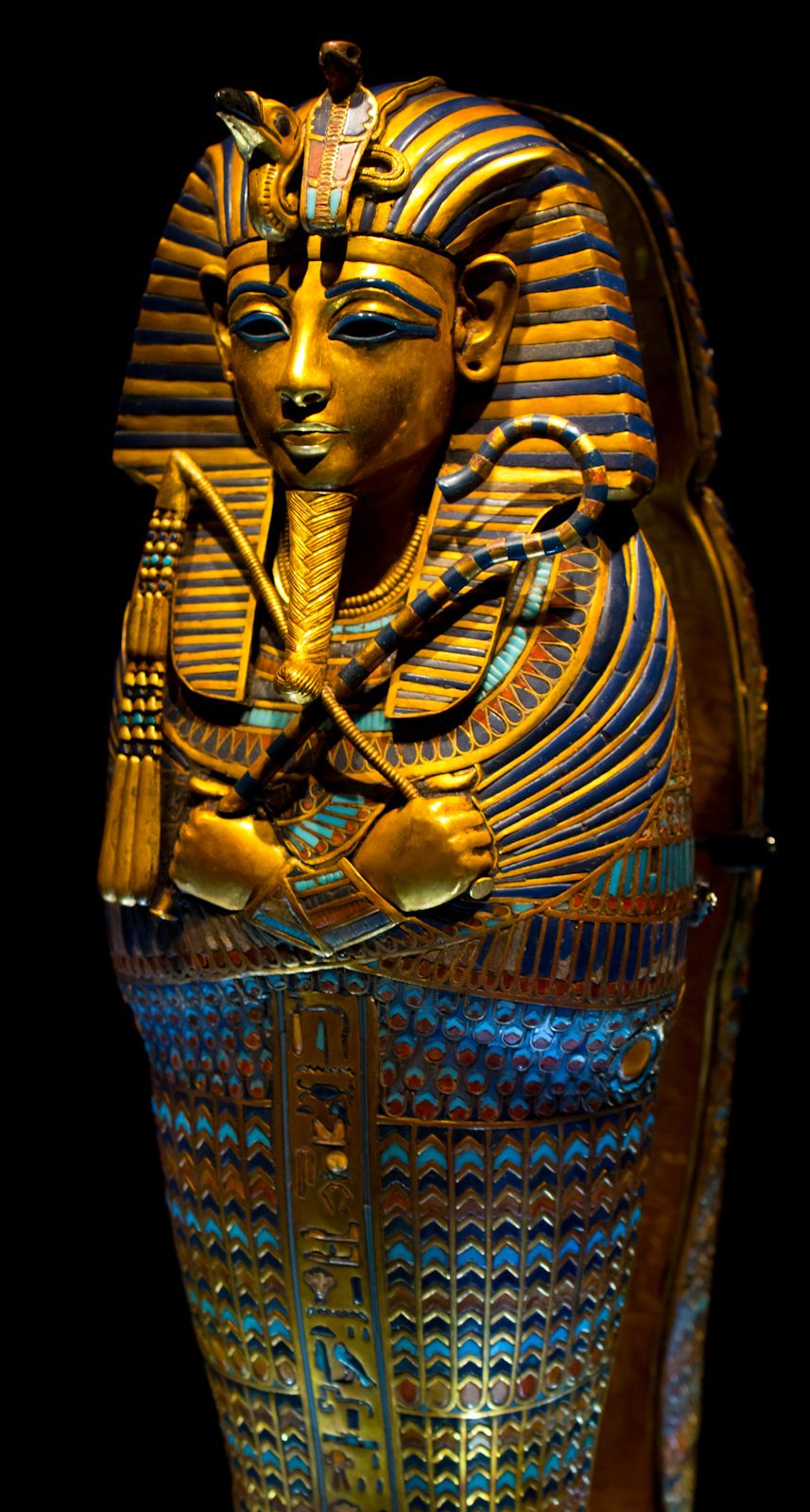
Canopic Coffinettes of Tutankhamun
c. 1323 BCE
Miniature gold coffins that held Tutankhamun's embalmed internal organs, found in his tomb.
These coffinettes were commissioned for Tutankhamun's burial and held his mummified organs, though they may have first been made for another ruler.
About this source
What it is
These small gold coffins, made around 1323 BCE, once held the embalmed internal organs of Tutankhamun. They are now kept at the Grand Egyptian Museum in Giza.
Why it matters
The coffinettes' faces do not match most images of Tutankhamun, which suggests they may have originally been made for another ruler, such as Smenkhkare or Neferneferuaten, and later reused for his burial. This makes them important evidence for the confusing and disputed succession of rulers just before and after Tutankhamun, and for understanding how royal funerary equipment could be recycled.
Look closer
- What symbols and materials can you identify on the coffinette?
- Why might a ruler's burial equipment have been made for someone else first?
- What does reuse of royal objects tell us about the politics of this period?
This artifact is part of the curated material that grounds the AI version of Tutankhamun on Humy.ai — when students ask about related events, the AI can quote it and cite it.
More Tutankhamun sources
Meet the AI Tutankhamun →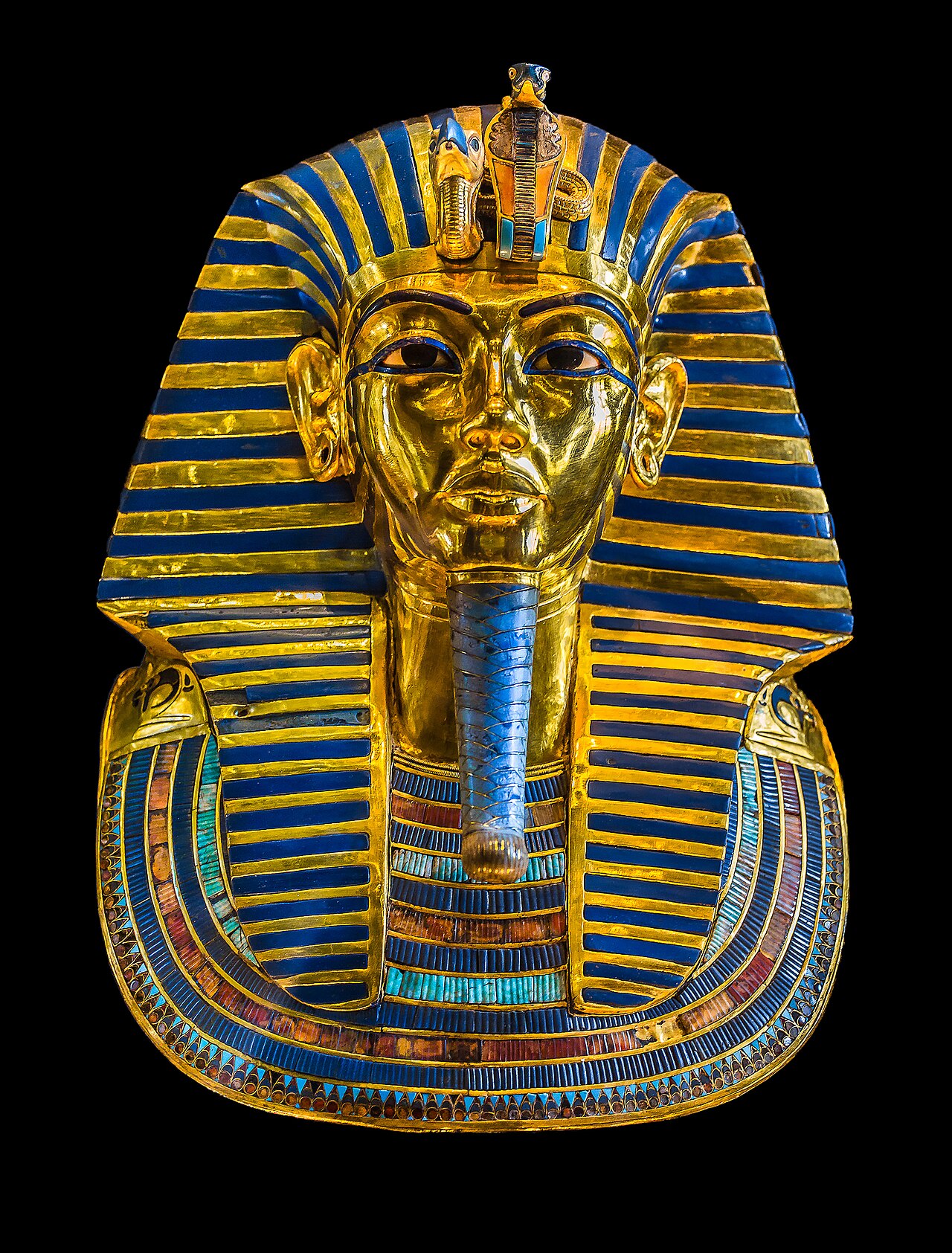 Artifact
Primary source
Mask of Tutankhamun
c. 1333 BCE
 Photograph
Primary source
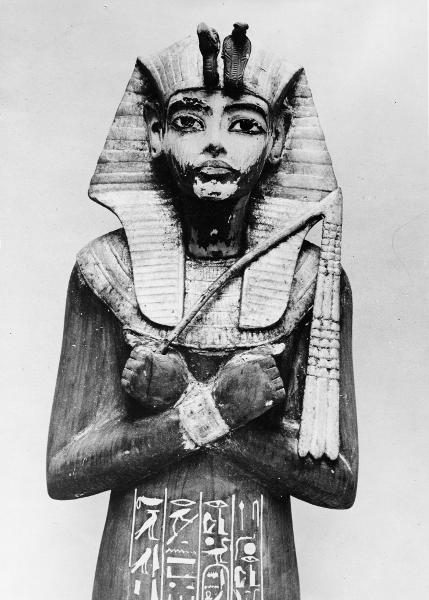
Photograph of Tutankhamun's Shawabti Figure
Harry Burton · 1920s
 Artifact
Primary source
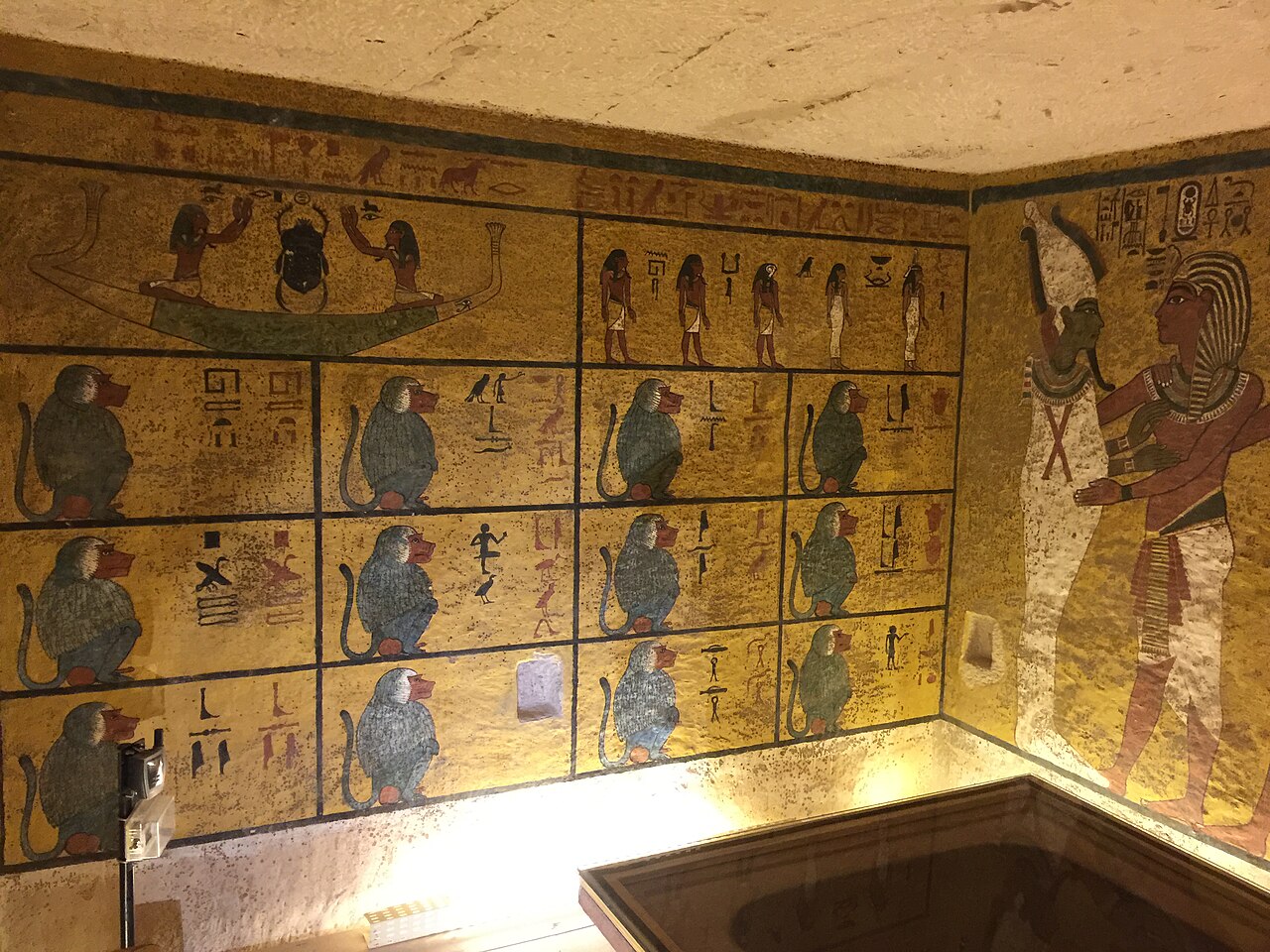
Tomb of Tutankhamun
14th century BCE
 Photograph
Primary source
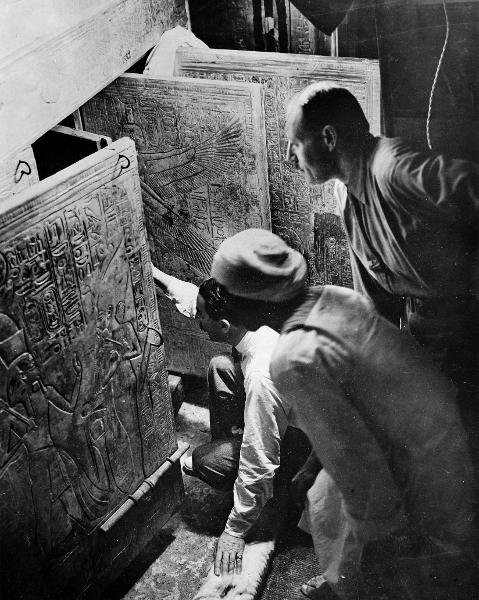
Opening the Doors of the Fourth Shrine in Tutankhamun's Tomb
Harry Burton · 1920s
 Document
Primary source
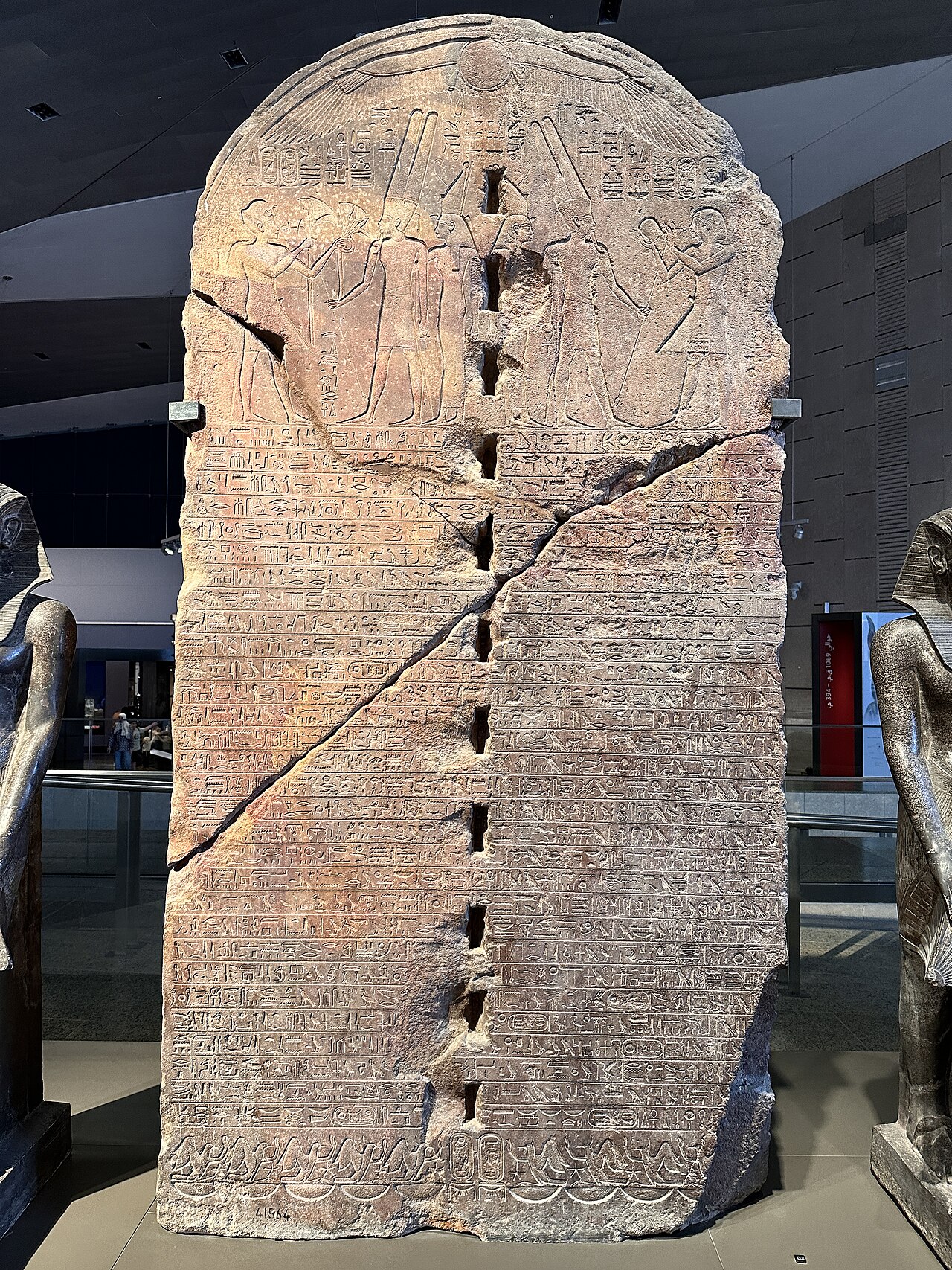
Restoration Stela
Tutankhamun · c. 1326 BCE
Ready when you are
Start chatting with Tutankhamun now.
20 messages free · No credit card · Available in 50+ languages.