


Primary sourceDocument1790
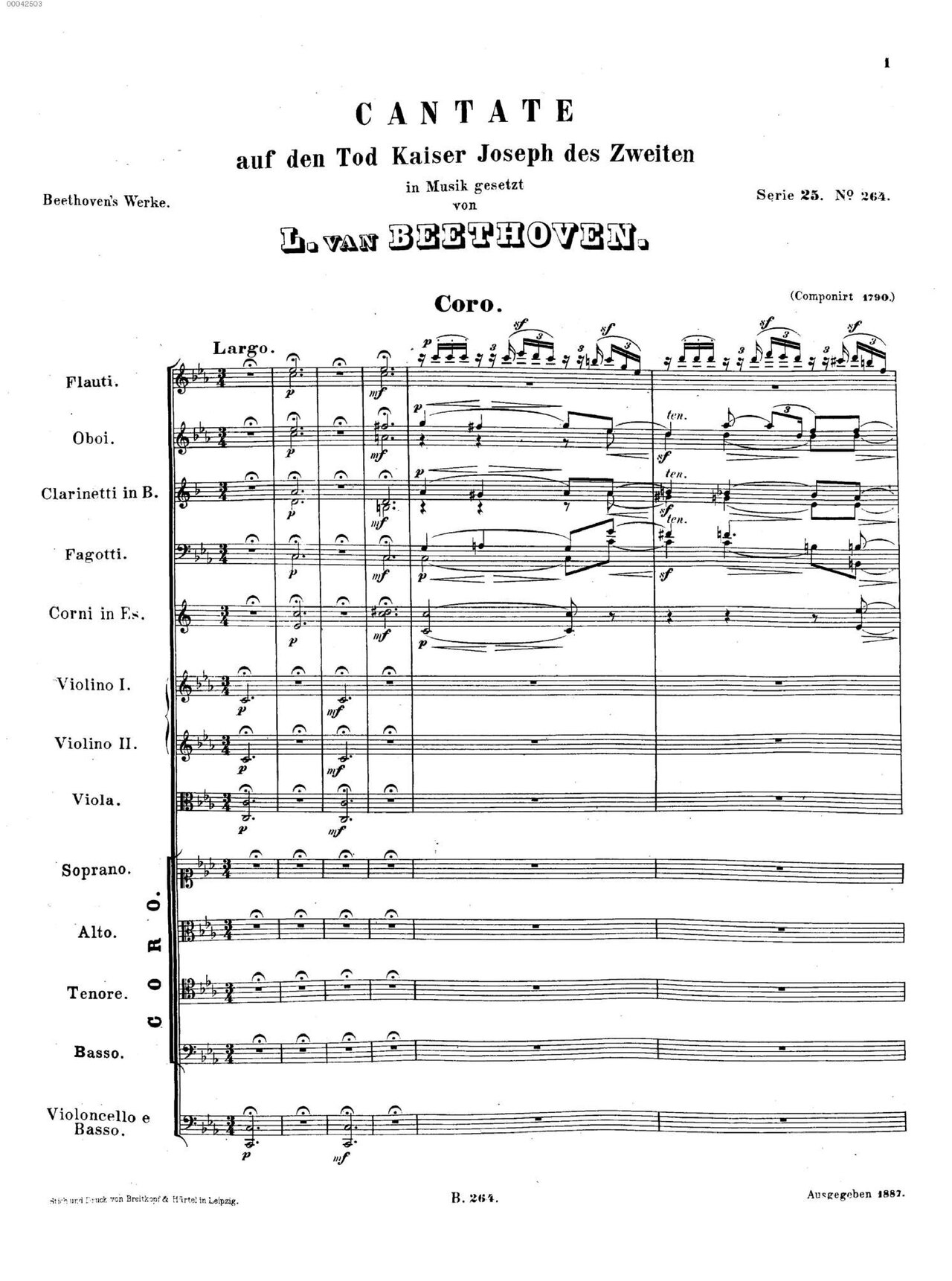
Cantata on the Death of Emperor Joseph II
Ludwig van Beethoven · 1790
A cantata Beethoven composed at age nineteen for a memorial service for Emperor Joseph II, left unperformed in his lifetime.
A youthful, ambitious composition by Beethoven showing his Enlightenment ideals before his move to Vienna.
About this source
What it is
This cantata, with text by Severin Anton Averdonk, was written in 1790 for a planned memorial service for Joseph II in Bonn. Beethoven composed it when he was nineteen. It was never published or performed in his lifetime, finally premiering in Vienna decades after his death.
Why it matters
As one of Beethoven's most ambitious early works, it reflects the Enlightenment ideals circulating in Bonn's intellectual circles. Though largely forgotten for decades, it was praised by Brahms after its rediscovery, and part of its music later resurfaced in Beethoven's opera Fidelio.
Look closer
- Why might a work written for an important public occasion remain unperformed for so long?
- What does reusing music in a later opera suggest about how composers recycle ideas?
- What might the choice of subject—a mourning emperor—tell us about the politics of the time?
This document is part of the curated material that grounds the AI version of Ludwig van Beethoven on Humy.ai — when students ask about related events, the AI can quote it and cite it.
More Ludwig van Beethoven sources
Meet the AI Ludwig van Beethoven → Document
Primary source
Symphony No. 9
Ludwig van Beethoven · 1824
 Sculpture
Secondary source
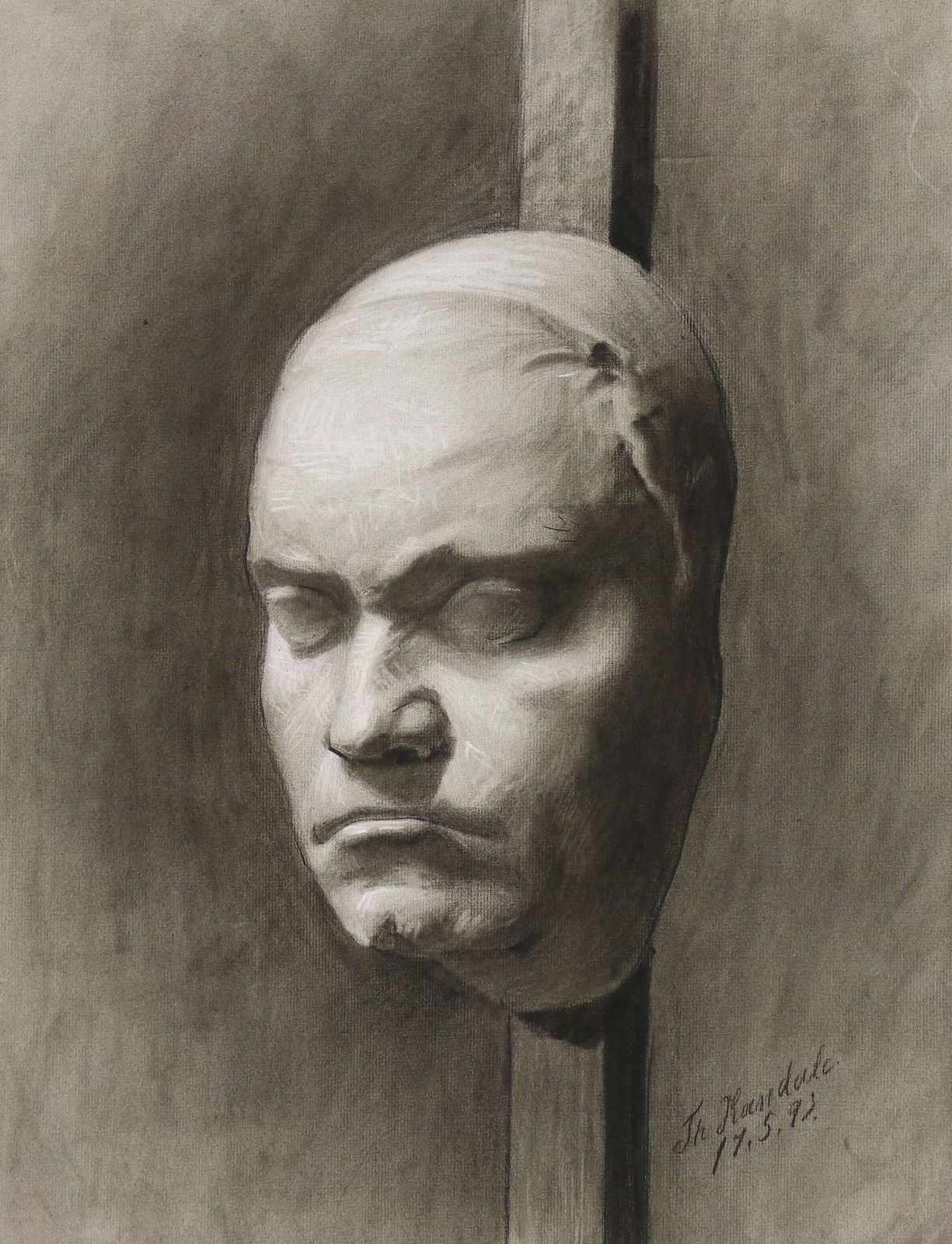
Death of Ludwig van Beethoven
Theodor Kandale (after Josef Danhauser) · 1827 (mask); drawing 1893
 Sculpture
Secondary source
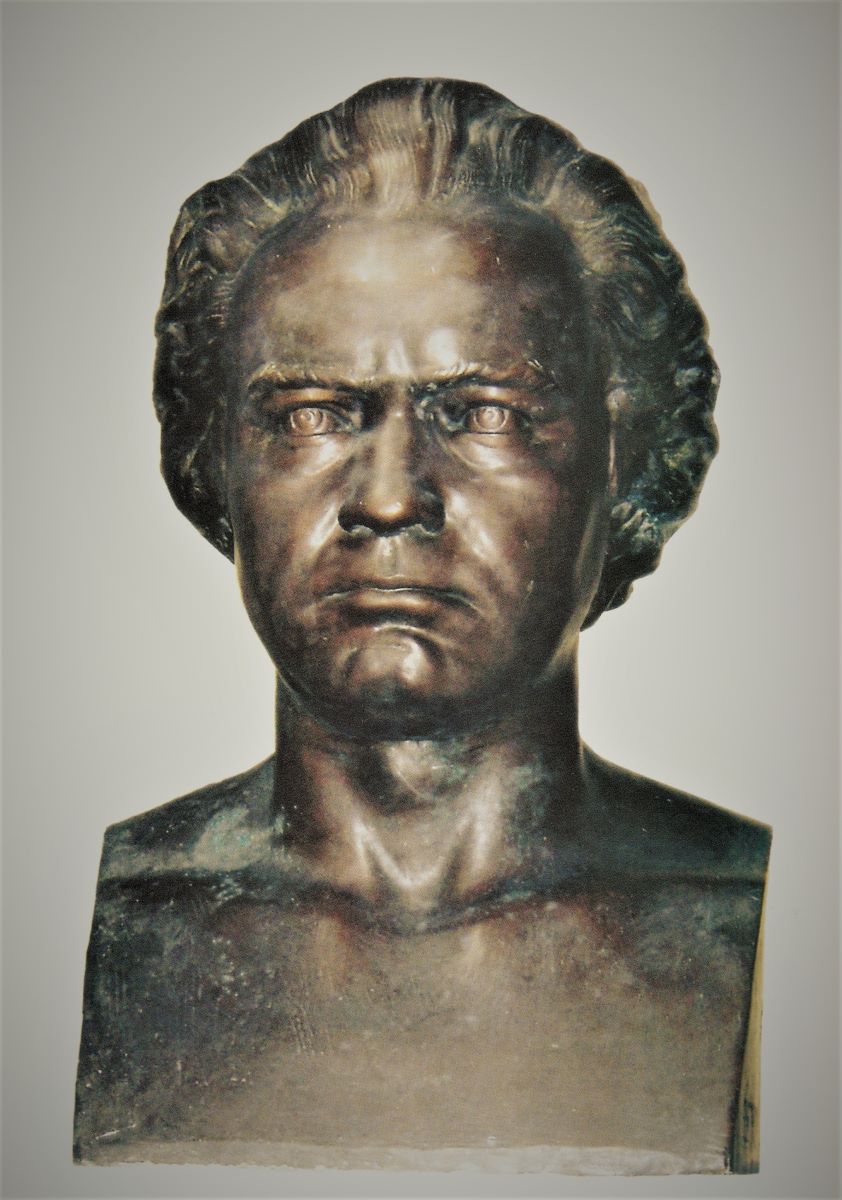
Bust of Ludwig van Beethoven by Frederic Storck
Frederic Storck · 1930
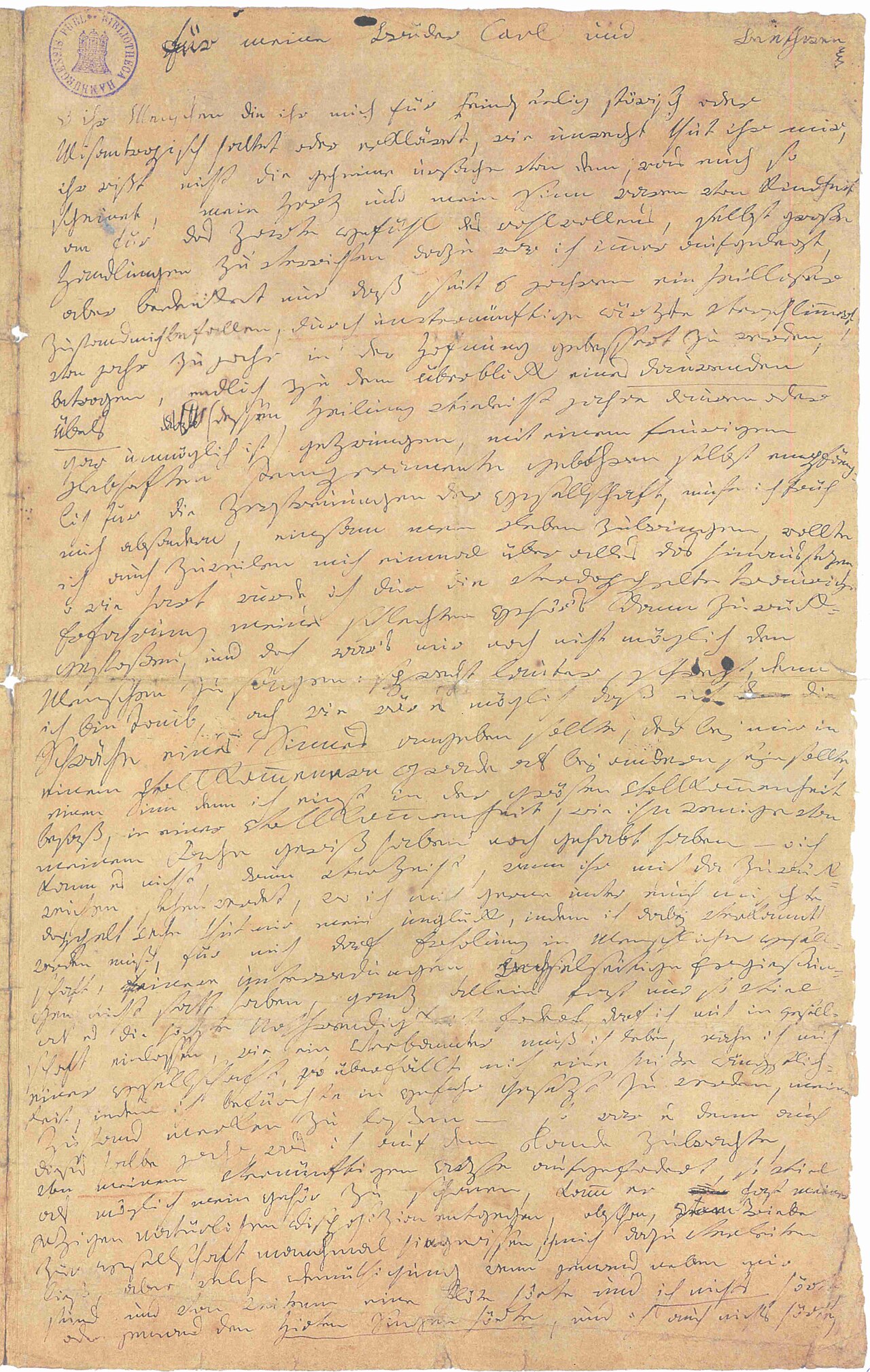 Letter
Primary source
Heiligenstadt Testament
Ludwig van Beethoven · 6 October 1802
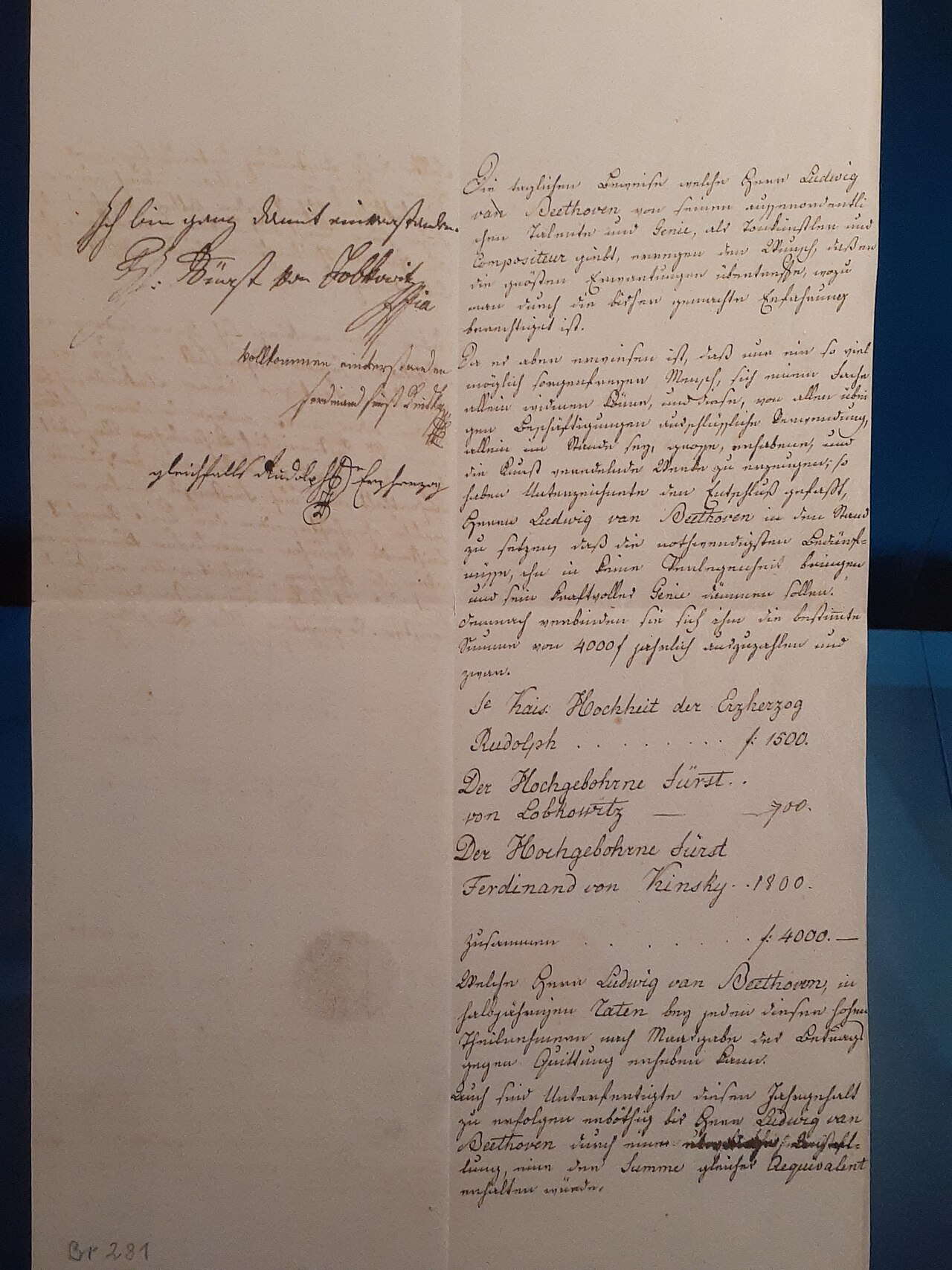 Document
Primary source
Agreement between Beethoven and Archduke Rudolph, Prince Kinsky and Prince Lobkowitz
1 March 1809
Ready when you are
Start chatting with Ludwig van Beethoven now.
20 messages free · No credit card · Available in 50+ languages.