


Primary sourceArtifact
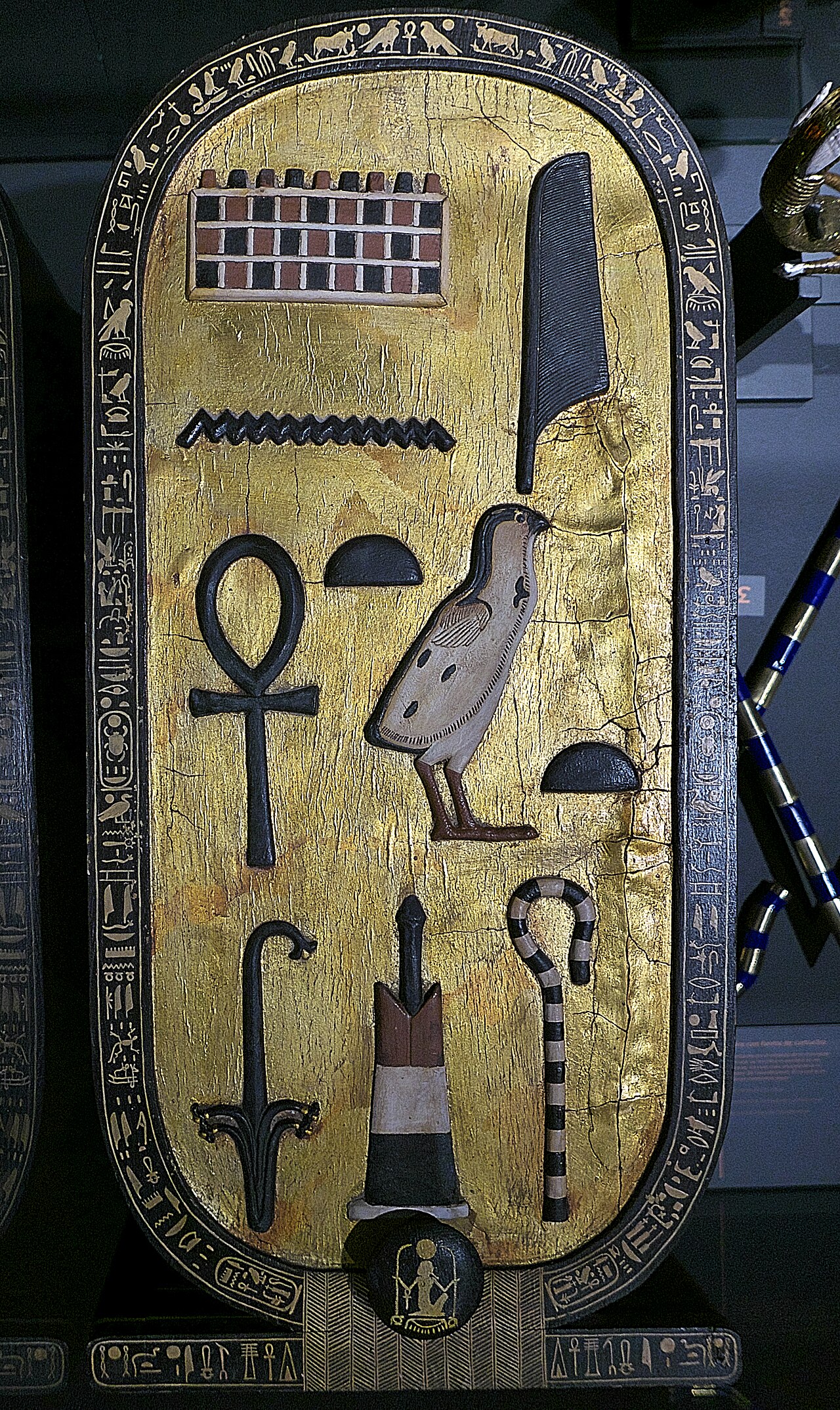
Cartouche-Shaped Chest from Tutankhamun's Tomb
Unknown
A gilded wooden chest shaped like a royal cartouche, found in Tutankhamun's tomb and carved with hieroglyphs.
A royal burial object shaped like Tutankhamun's cartouche, marking his identity as pharaoh.
About this source
What it is
This photograph shows a gilded wooden chest shaped like a cartouche, the oval frame used to enclose a royal name in Egyptian writing. It is bordered in black and carved with hieroglyphic signs including an ankh, a falcon, a crook and flail, and a tall feather-like sign, painted in black, brown, and cream on gold.
Why it matters
Cartouches marked the names of pharaohs, and objects shaped this way emphasized royal identity. Found among the burial goods of Tutankhamun, this chest shows how royal symbols were built into everyday and ceremonial objects buried with the king.
Look closer
- Can you identify any of the hieroglyphic symbols described, and what they might mean?
- Why would a chest be shaped like a cartouche instead of a plain box?
- What might have been stored inside an object like this?
This artifact is part of the curated material that grounds the AI version of Tutankhamun on Humy.ai — when students ask about related events, the AI can quote it and cite it.
More Tutankhamun sources
Meet the AI Tutankhamun →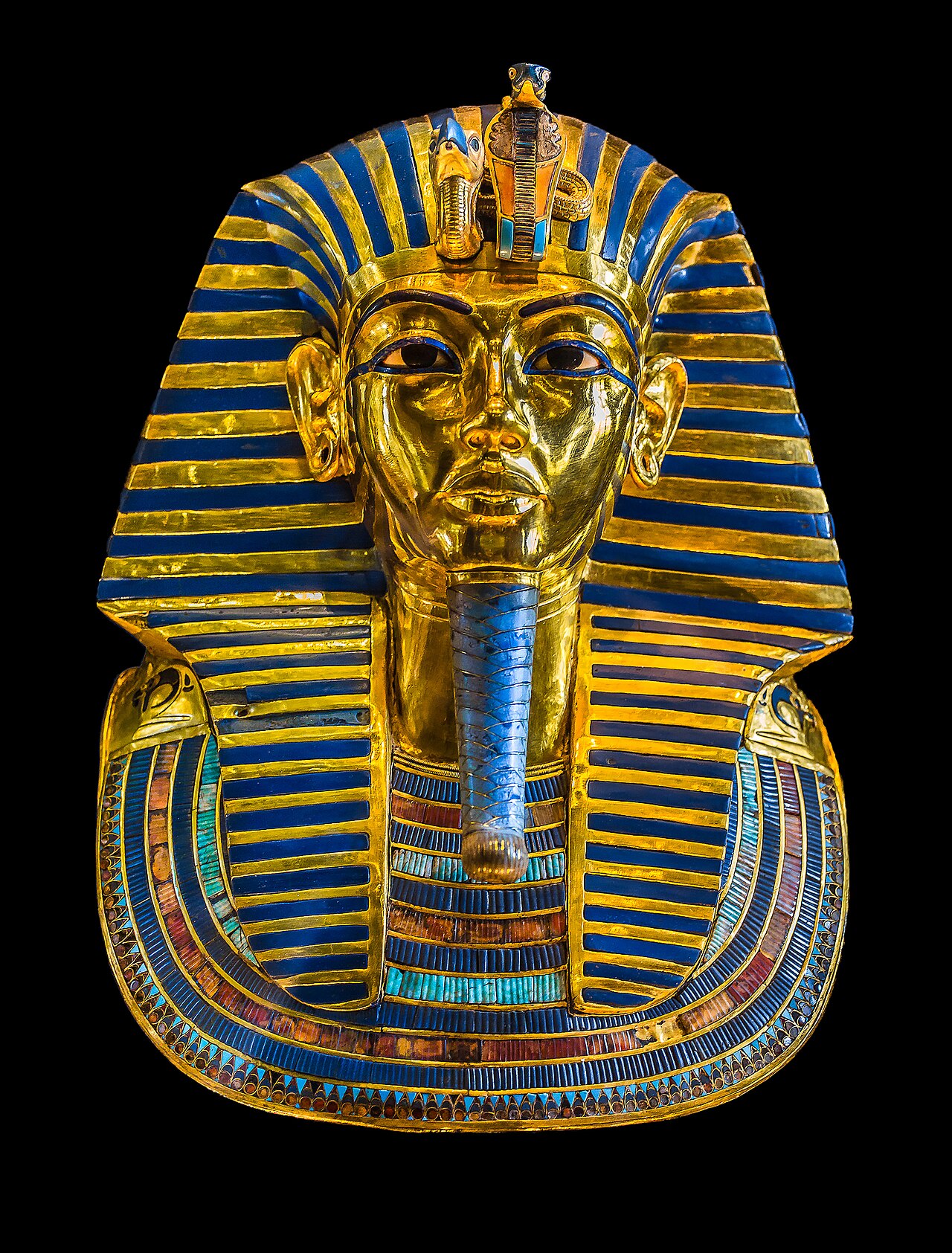 Artifact
Primary source
Mask of Tutankhamun
c. 1333 BCE
 Photograph
Primary source
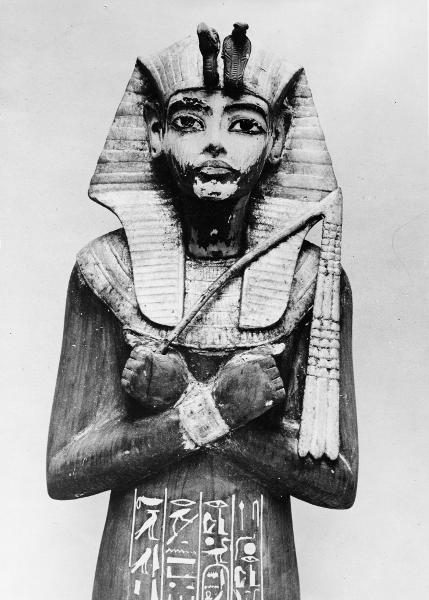
Photograph of Tutankhamun's Shawabti Figure
Harry Burton · 1920s
 Artifact
Primary source
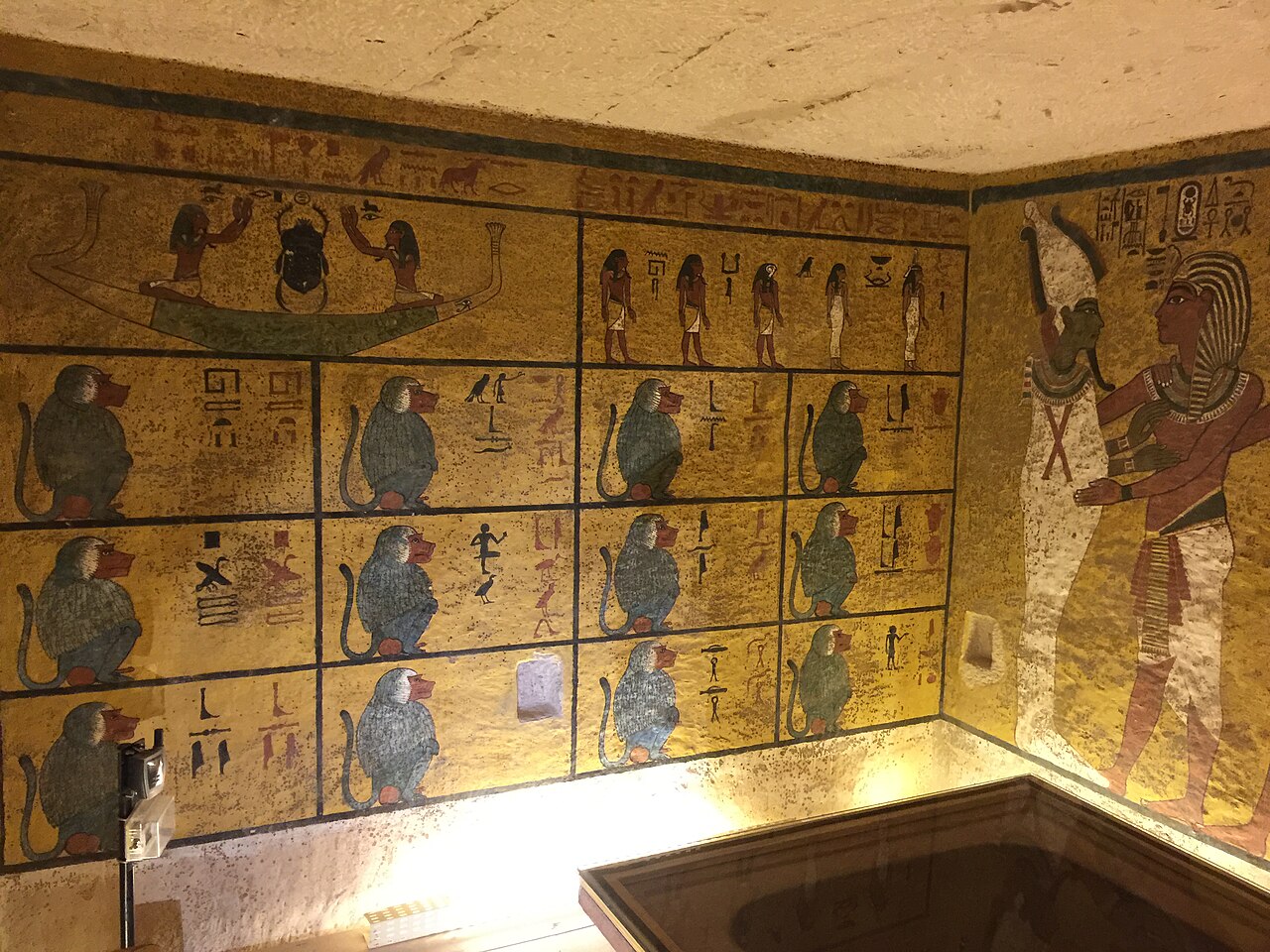
Tomb of Tutankhamun
14th century BCE
 Photograph
Primary source
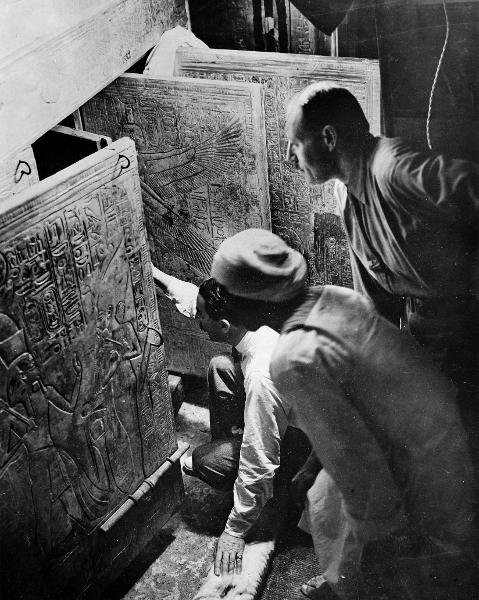
Opening the Doors of the Fourth Shrine in Tutankhamun's Tomb
Harry Burton · 1920s
 Document
Primary source
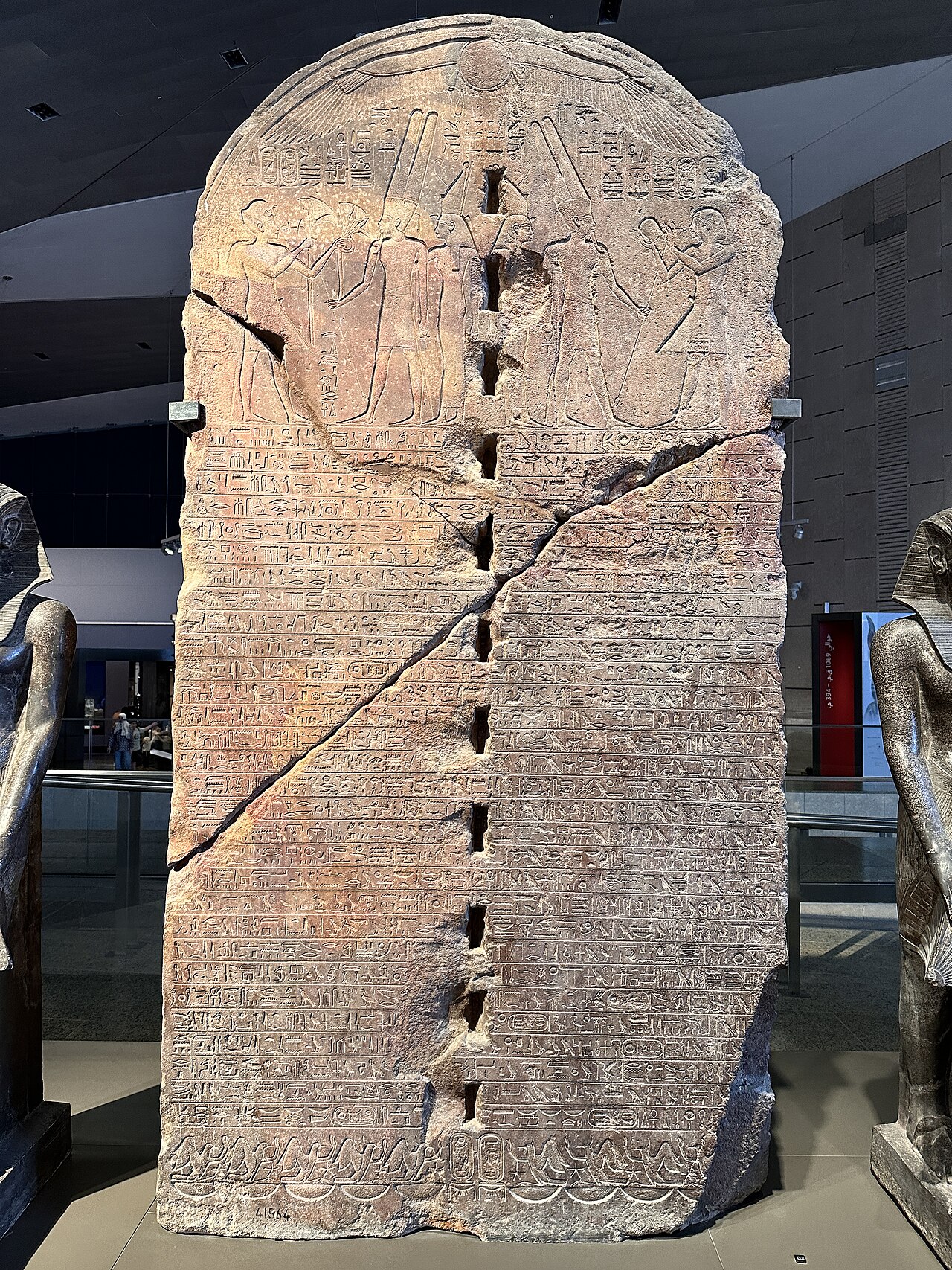
Restoration Stela
Tutankhamun · c. 1326 BCE
Ready when you are
Start chatting with Tutankhamun now.
20 messages free · No credit card · Available in 50+ languages.