


Primary sourceArtifactc. 2570 BC
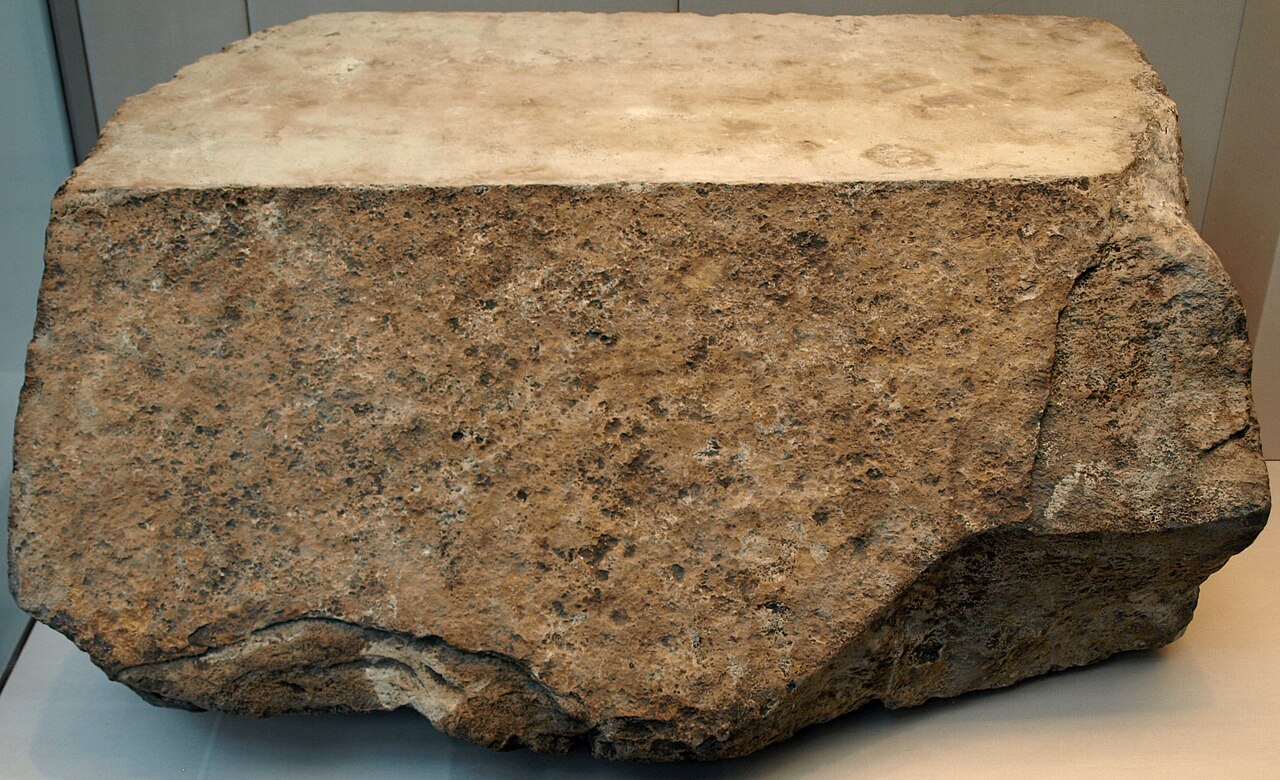
Casing Stone from the Great Pyramid of Khufu
c. 2570 BC
An original limestone block from the outer casing of Khufu's Great Pyramid, now in the British Museum.
This stone was part of the outer casing of the pyramid Khufu commissioned, physical evidence of his reign.
About this source
What it is
This is an original limestone casing stone from the Great Pyramid, built around 2570 BC for the pharaoh Khufu. It was found among the rubble surrounding the pyramid and is now held by the British Museum (EA 490).
Why it matters
Most of the pyramid's smooth outer casing stones were removed and reused during medieval times, so surviving pieces like this one are rare physical evidence of how the monument originally looked — bright and smooth rather than the rough stepped surface visible today.
Look closer
- What do the different textures on this stone tell you about where it has been and what has happened to it?
- Why might people in medieval times have reused stones from the pyramid?
- How does holding a real piece of the pyramid change how you think about it compared to just seeing photos?
This artifact is part of the curated material that grounds the AI version of Pharaoh Khufu (Cheops) on Humy.ai — when students ask about related events, the AI can quote it and cite it.
More Pharaoh Khufu (Cheops) sources
Meet the AI Pharaoh Khufu (Cheops) →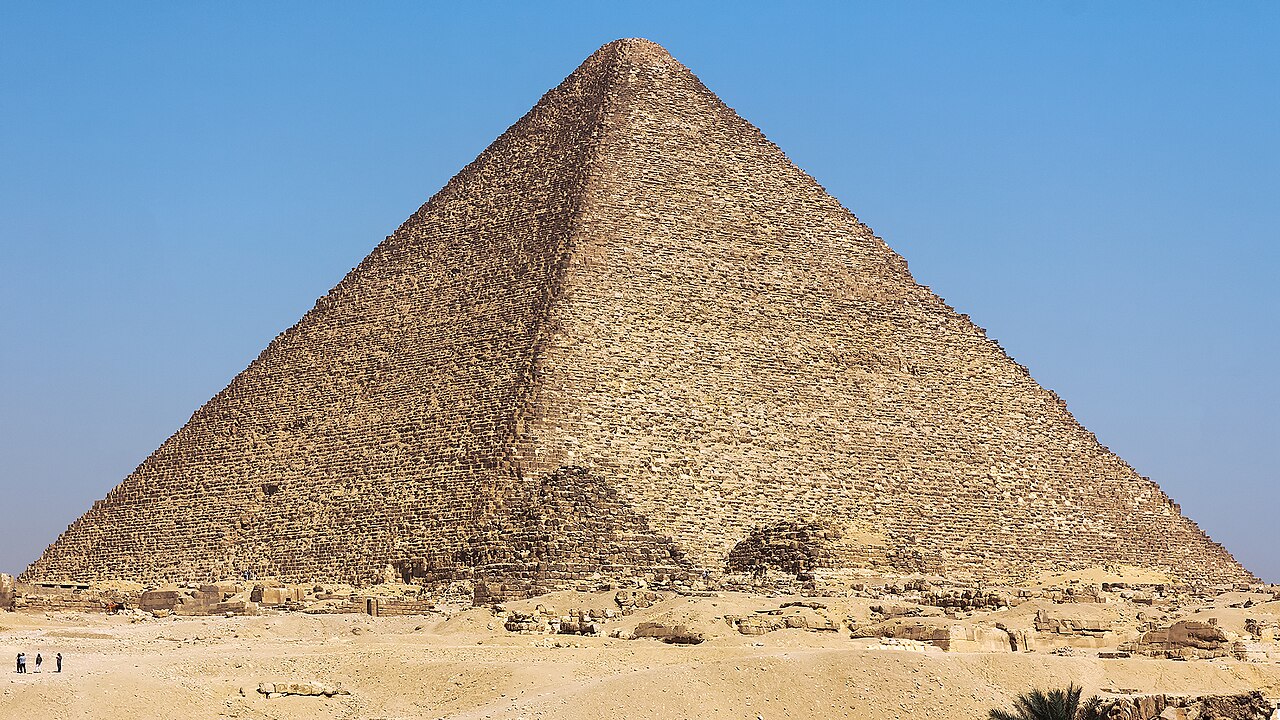 Artifact
Primary source
Great Pyramid of Giza
c. 2560 BCE
 Photograph
Secondary source
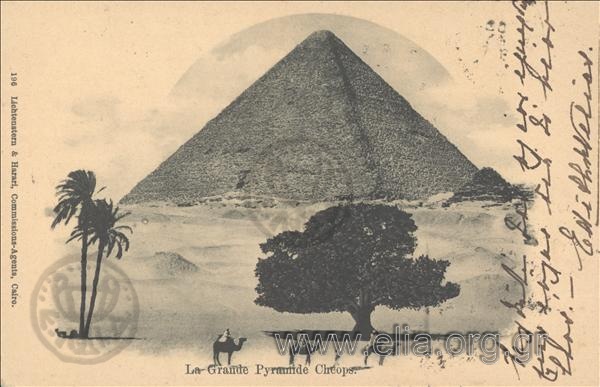
La Grande Pyramide Cheops
1903
 Sculpture
Primary source
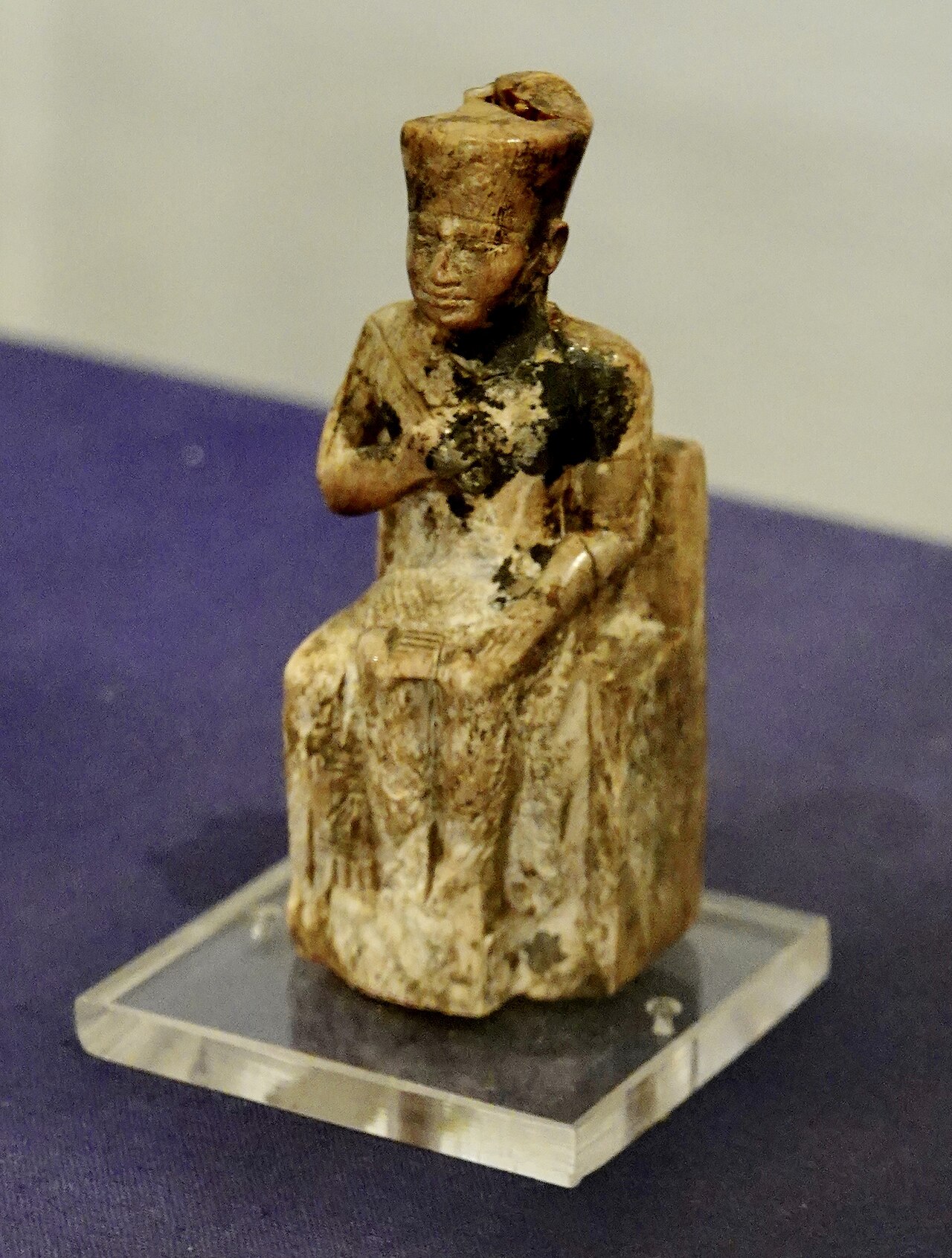
Khufu Statuette
c. 2600–2494 BCE (possibly later, 664–525 BCE)
 Photograph
Secondary source
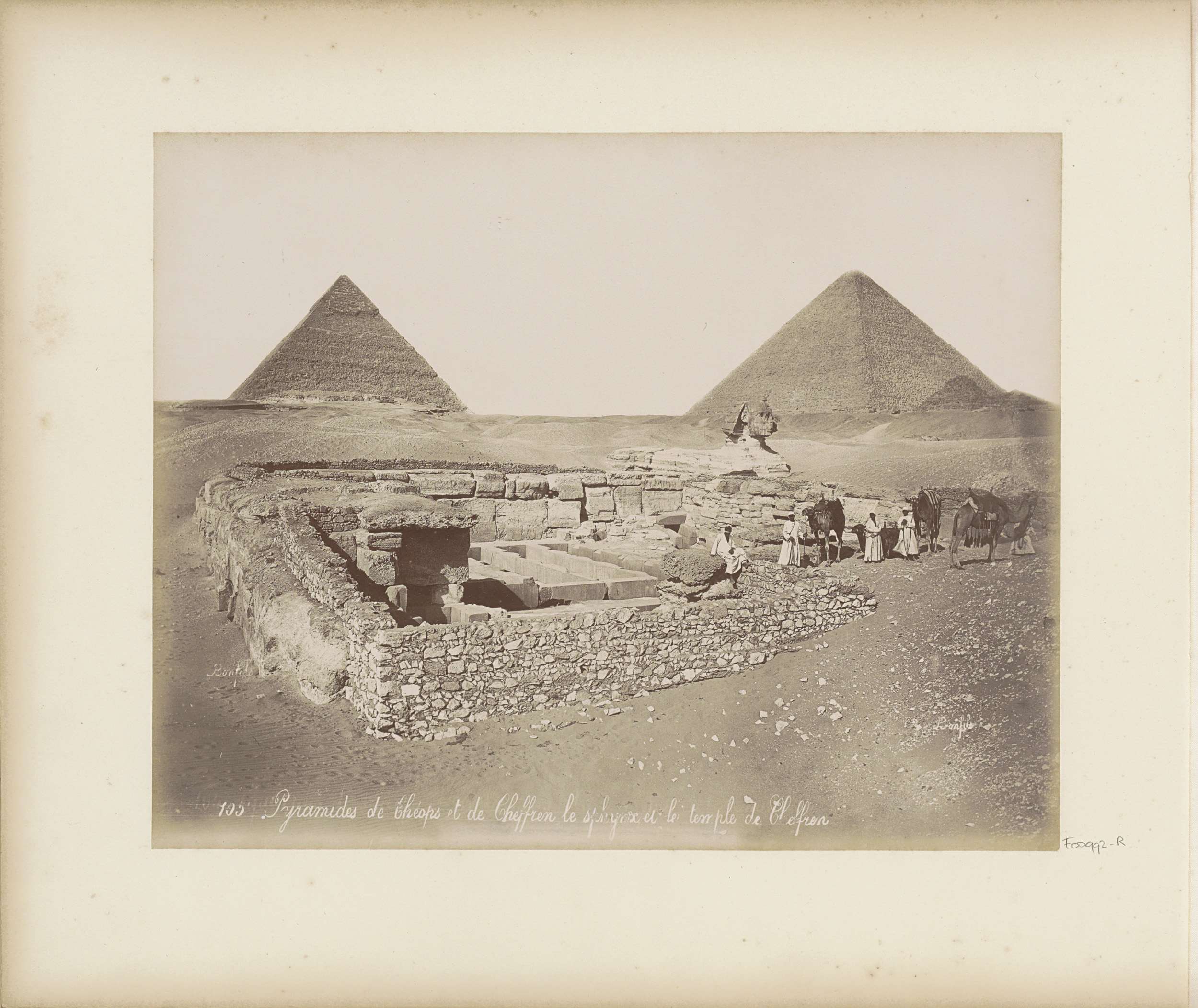
Pyramids of Cheops and Chephren and the Sphinx at Giza
 Artifact
Primary source
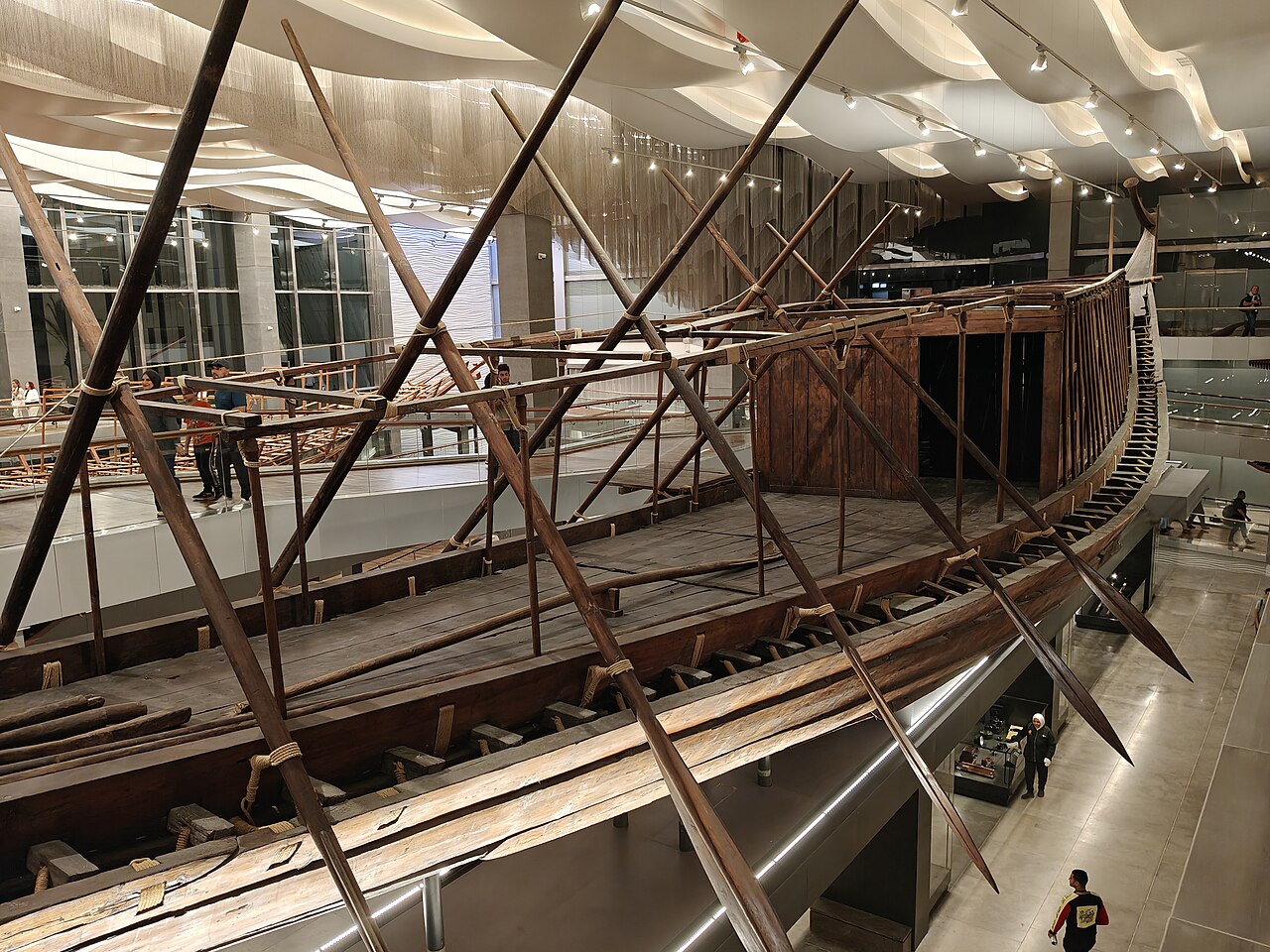
Khufu ship
Royal shipwrights of Khufu · c. 2566 BCE
Ready when you are
Start chatting with Pharaoh Khufu (Cheops) now.
20 messages free · No credit card · Available in 50+ languages.