


Primary sourceArtifactc. 1330 BCE
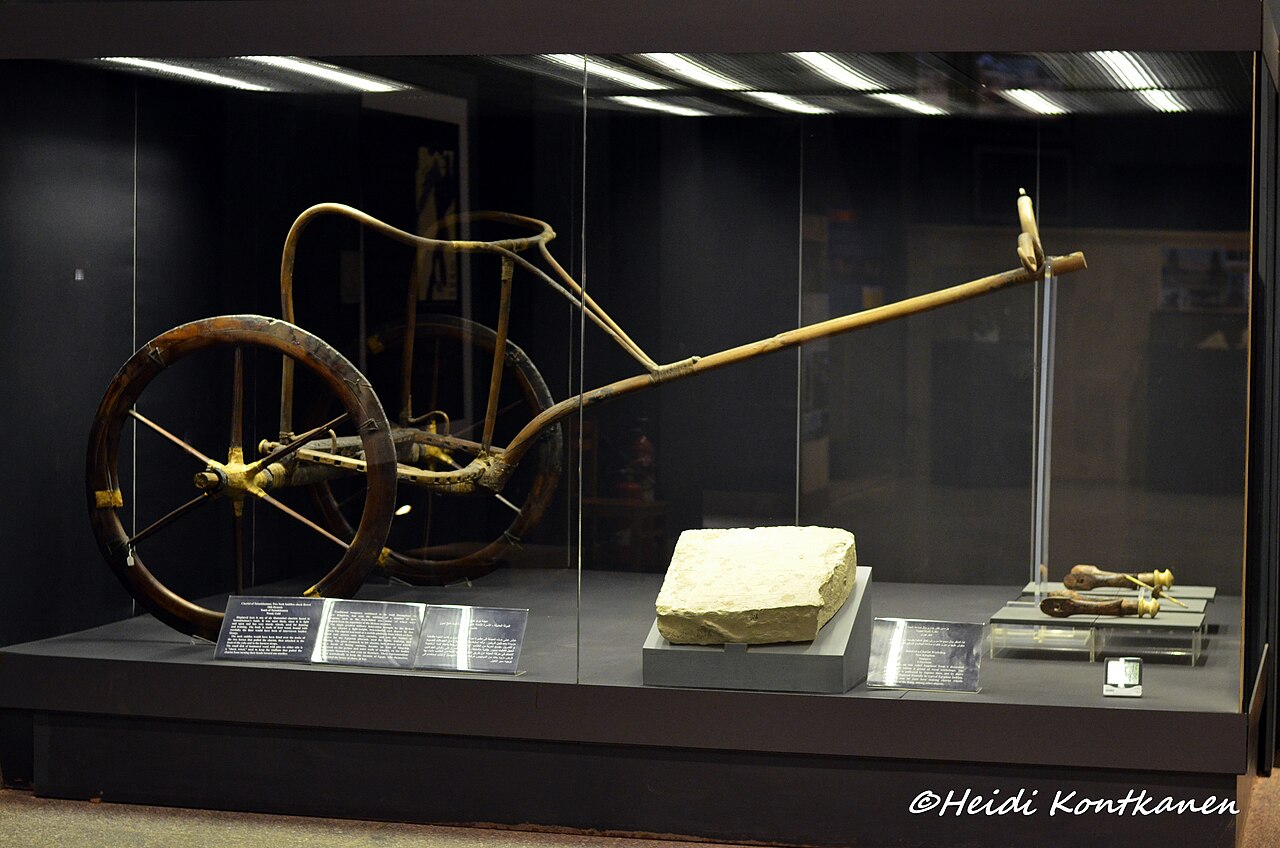
Chariots of Tutankhamun
c. 1330 BCE
One of six dismantled chariots found in Tutankhamun's tomb, evidence of his role in hunting, training, and war.
These chariots belonged to Tutankhamun, reflecting his royal status and the military technology of his reign.
About this source
What it is
This is one of six dismantled chariots found in Tutankhamun's tomb, light wooden vehicles bound with rawhide, built for two horses. It is now displayed at the Grand Egyptian Museum alongside related equipment such as neck saddles and a cheek rowel.
Why it matters
Chariots were a major military innovation of the New Kingdom, adopted from the Hyksos, and became an icon of kingship: pharaohs were often shown in chariots in battle or hunting scenes. Finding chariots in Tutankhamun's tomb links him to this powerful royal image, even though his own role in actual warfare is uncertain.
Look closer
- Why might a light, open chariot be better suited to hunting than battle?
- What does owning six chariots suggest about the king's status?
- How does the image of a pharaoh in a chariot used in art differ from how the chariot was actually used day to day?
This artifact is part of the curated material that grounds the AI version of Tutankhamun on Humy.ai — when students ask about related events, the AI can quote it and cite it.
More Tutankhamun sources
Meet the AI Tutankhamun →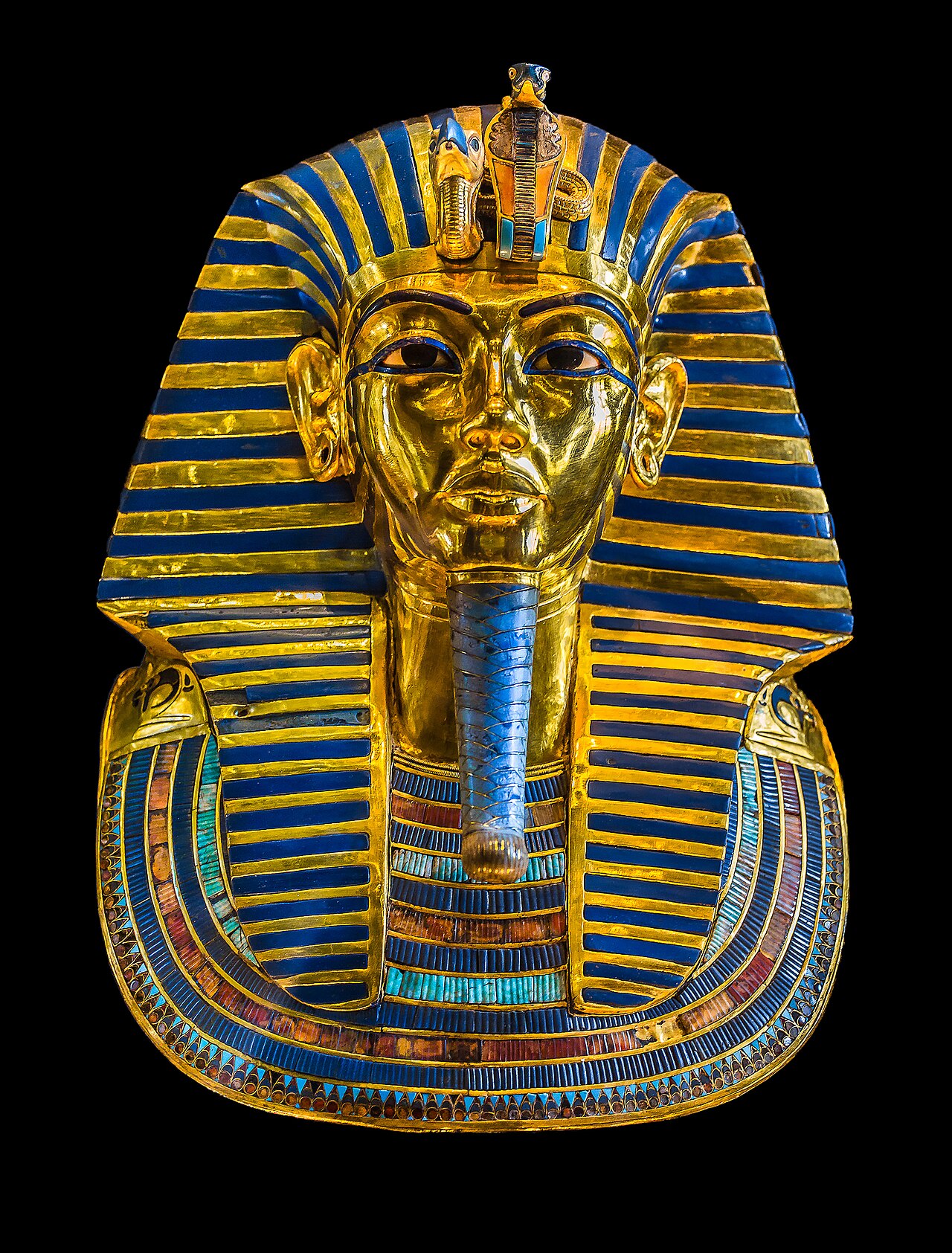 Artifact
Primary source
Mask of Tutankhamun
c. 1333 BCE
 Photograph
Primary source
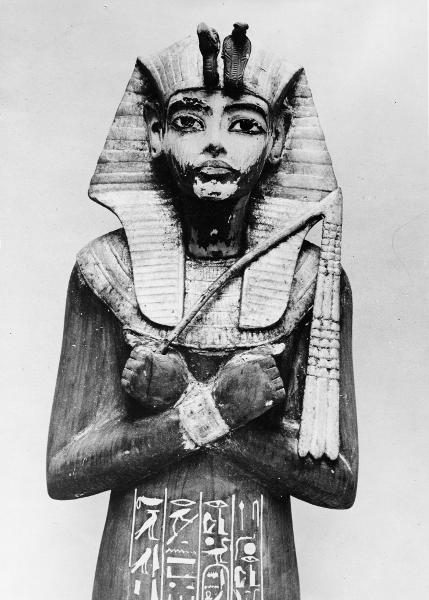
Photograph of Tutankhamun's Shawabti Figure
Harry Burton · 1920s
 Artifact
Primary source
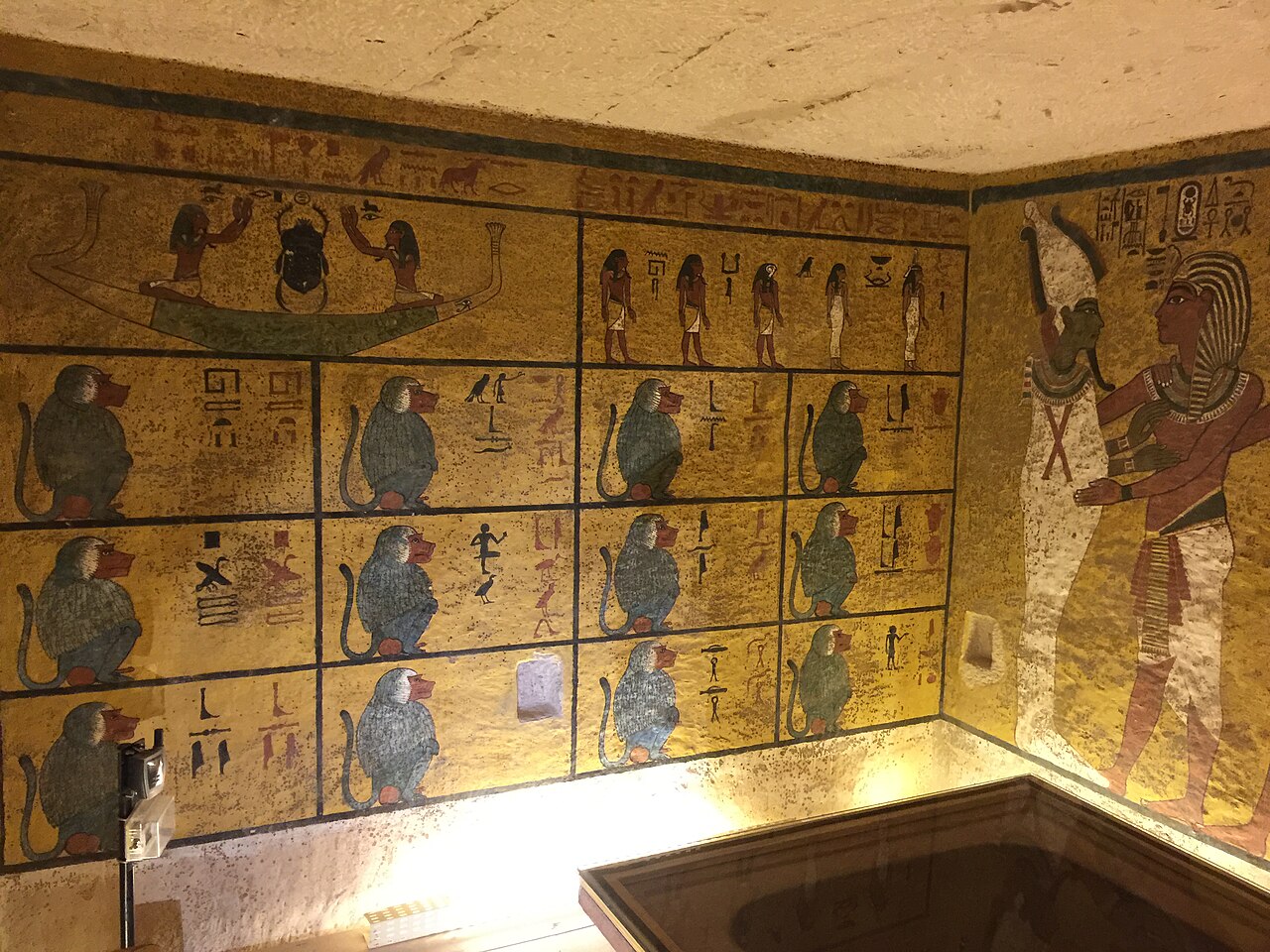
Tomb of Tutankhamun
14th century BCE
 Photograph
Primary source
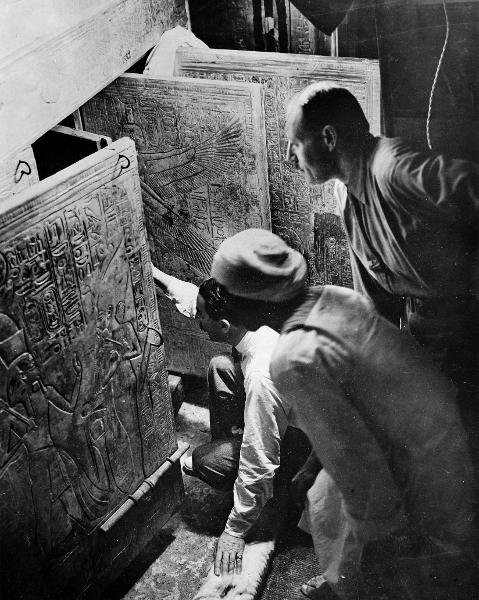
Opening the Doors of the Fourth Shrine in Tutankhamun's Tomb
Harry Burton · 1920s
 Document
Primary source
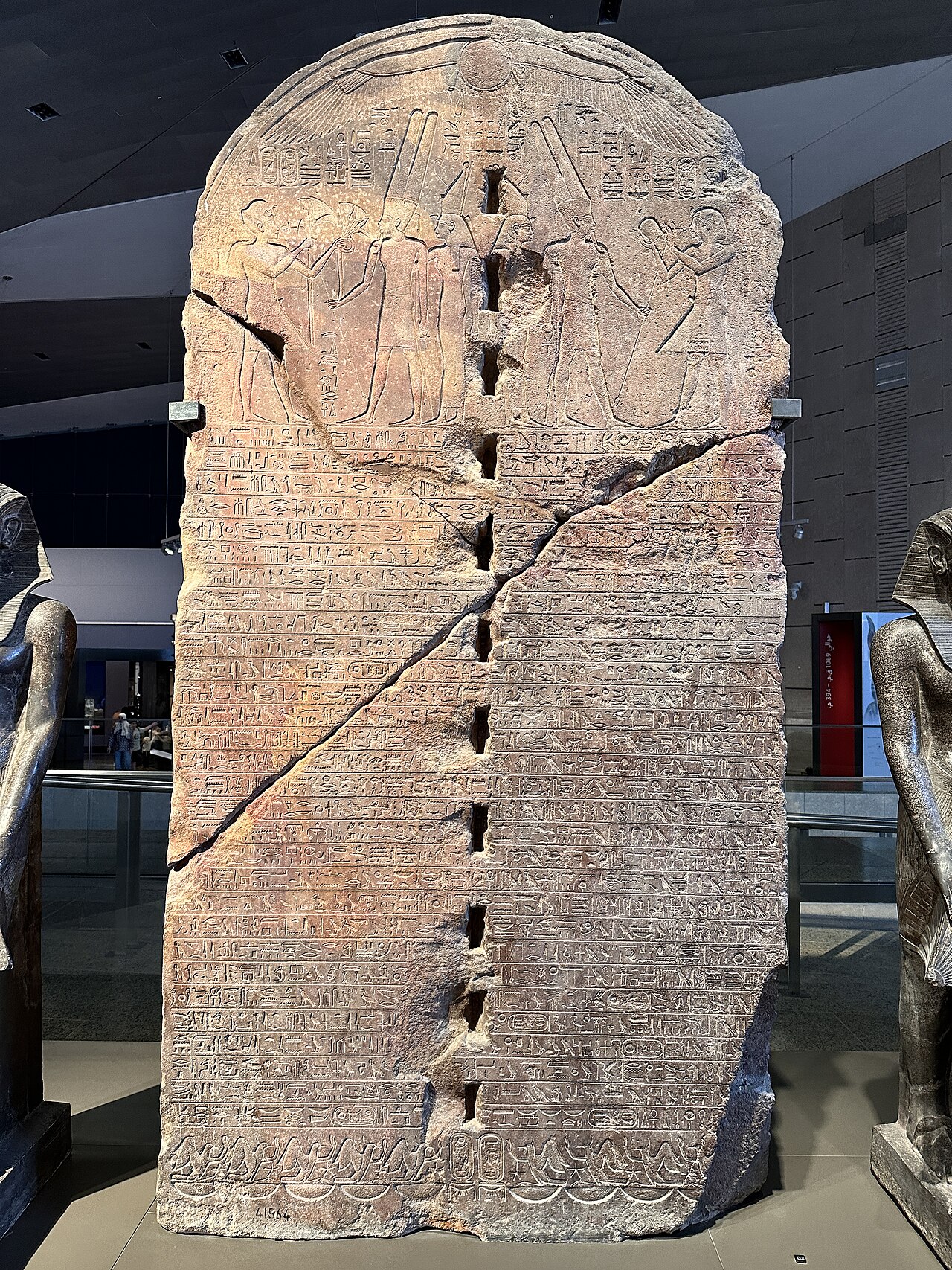
Restoration Stela
Tutankhamun · c. 1326 BCE
Ready when you are
Start chatting with Tutankhamun now.
20 messages free · No credit card · Available in 50+ languages.