


Secondary sourceDocument895 AD
Clarke Plato
Plato · 895 AD
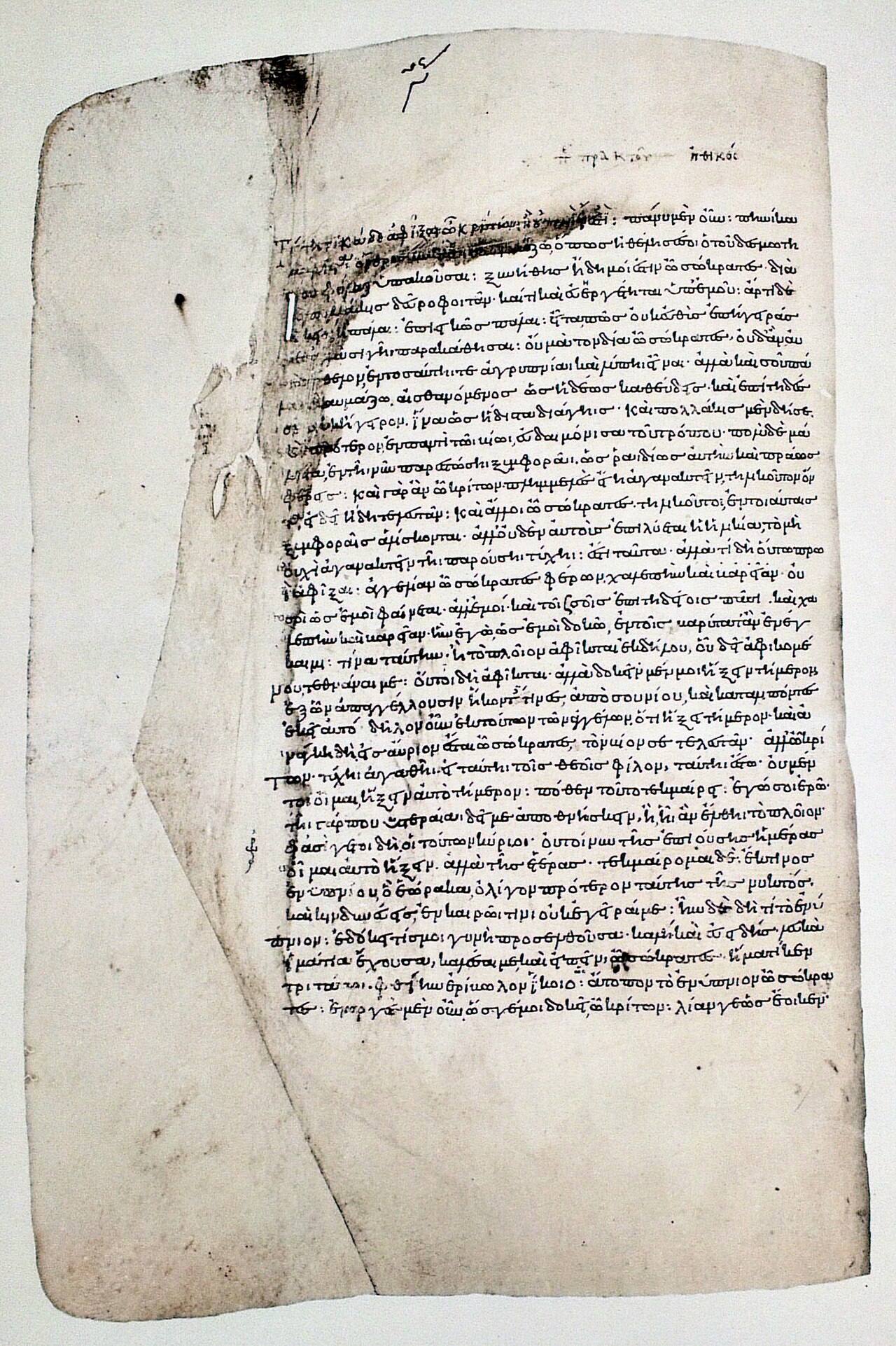
The oldest surviving dated manuscript of Plato's dialogues, copied in Constantinople in 895 AD and now held at the Bodleian Library.
A medieval copy of Plato's dialogues that preserved his writings for later generations.
About this source
What it is
The Clarke Plato is a manuscript copied in Constantinople in 895 AD, containing many of Plato's dialogues. It is the earliest surviving dated manuscript of these works and is now kept at the Bodleian Library in Oxford.
Why it matters
This manuscript shows how Plato's writings, composed centuries earlier in ancient Athens, survived through copying by scribes across the Byzantine Empire and into medieval libraries. Without such careful copying, many of Plato's dialogues might have been lost entirely before the age of printing.
Look closer
- What does this manuscript tell us about how ancient texts survived over a thousand years before printing existed?
- Why might the date of a copy, rather than Plato's own lifetime, matter for historians studying his work?
- What might be lost or changed in a text copied by hand many centuries after it was first written?
This document is part of the curated material that grounds the AI version of Plato on Humy.ai — when students ask about related events, the AI can quote it and cite it.
More Plato sources
Meet the AI Plato →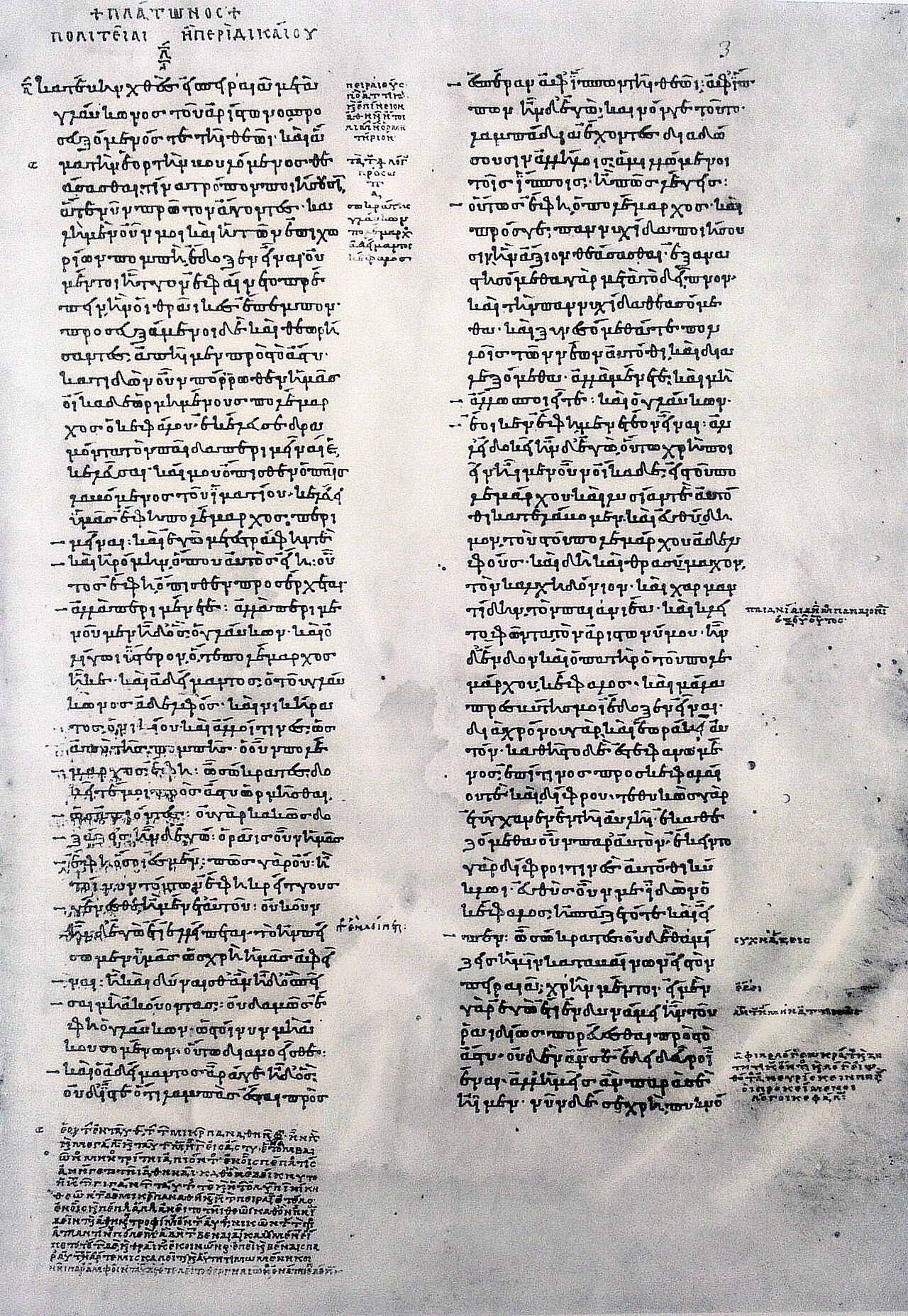 Book
Secondary source
The Republic
Plato · c. 375 BC
 Book
Primary source
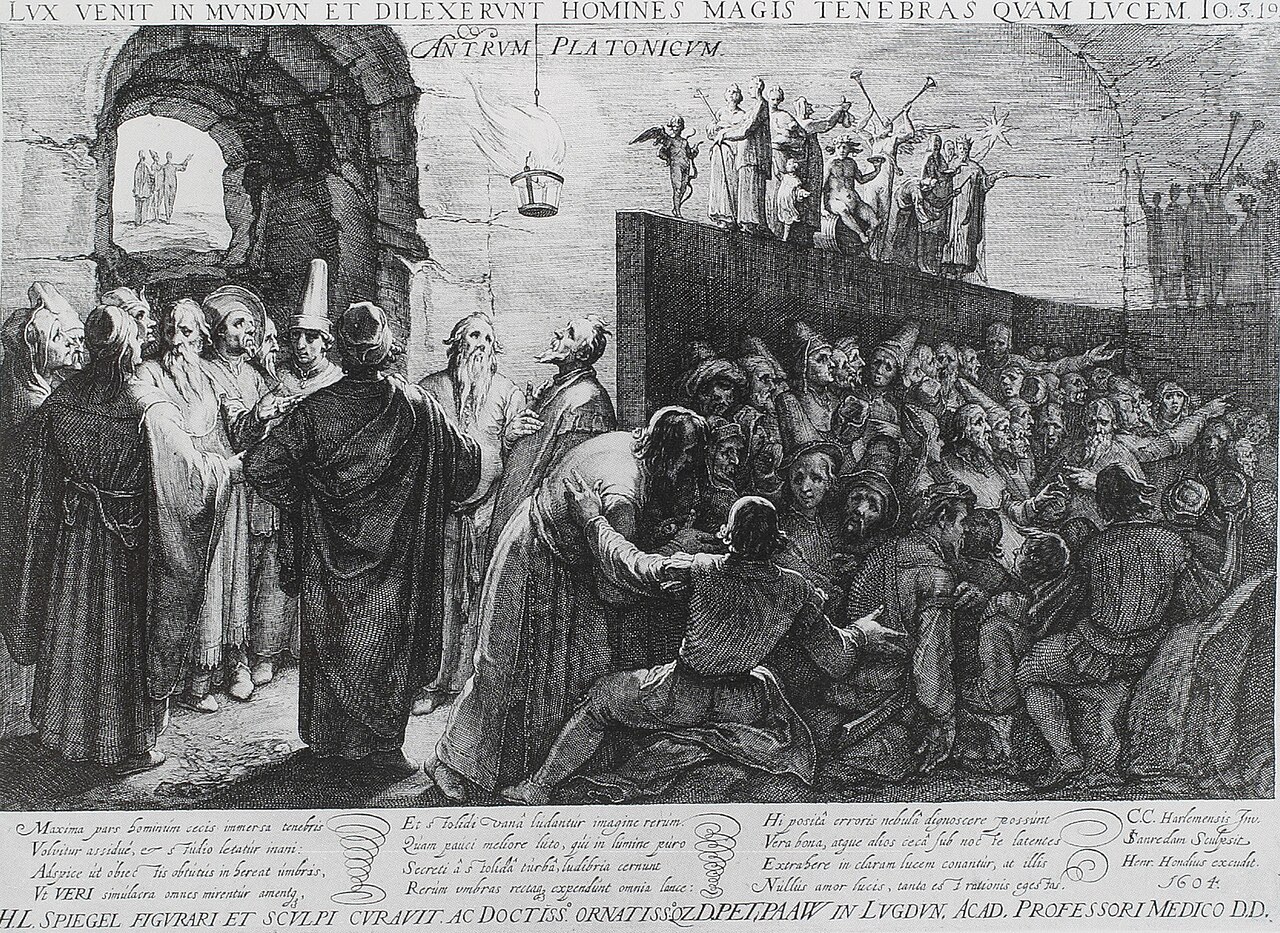
Allegory of the Cave
Plato · c. 400 BC
Secondary source
Apology
Plato · c. 395 BC
 Sculpture
Secondary source
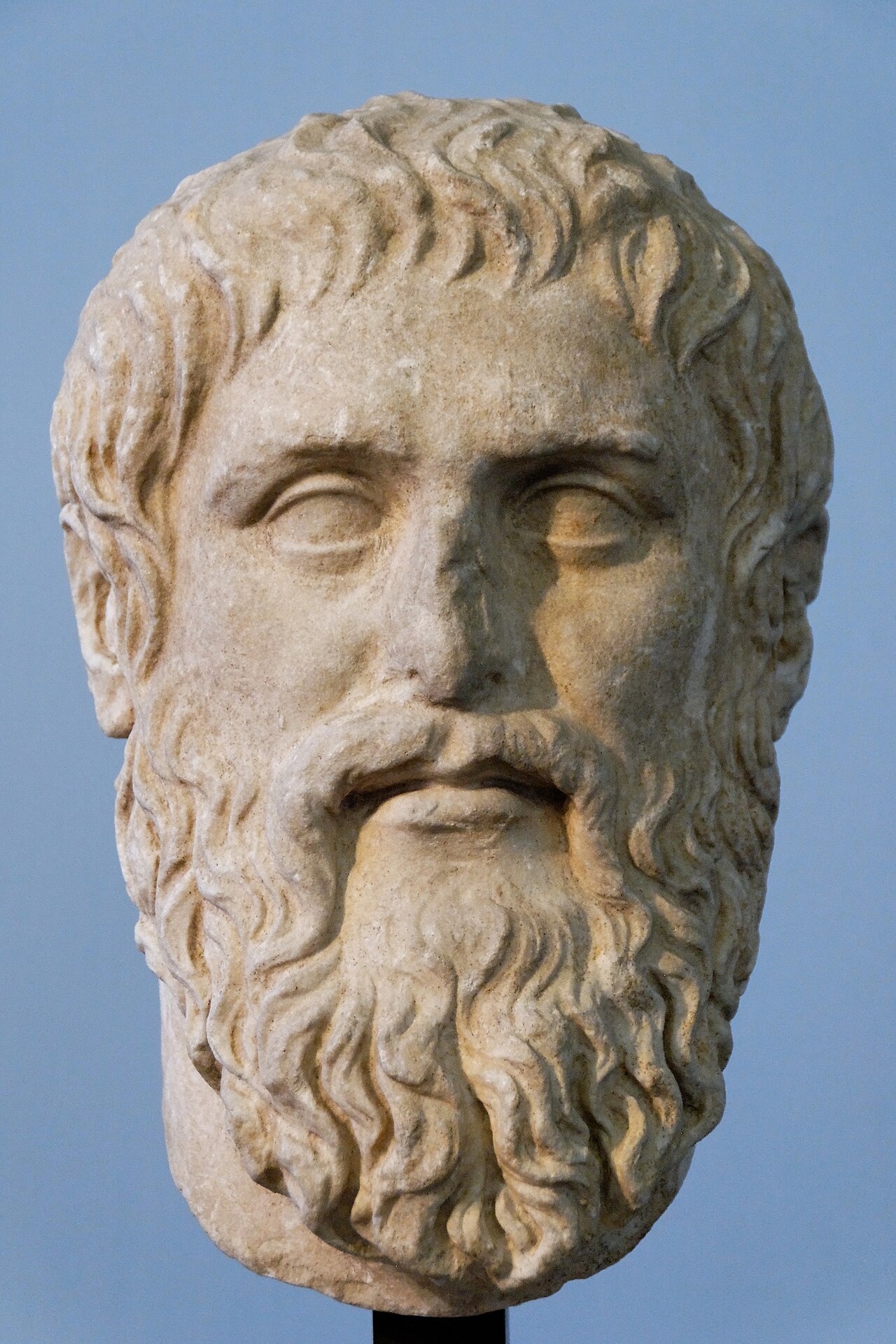
Portrait of Plato
Silanion (original type) · ca. 370 BC (original type); this copy Roman era
 Book
Secondary source
Phaedo
Plato · c. 360 BC
Ready when you are
Start chatting with Plato now.
20 messages free · No credit card · Available in 50+ languages.