


Secondary sourcePaintingc. 1598
Cleopatra
Jan Muller · c. 1598
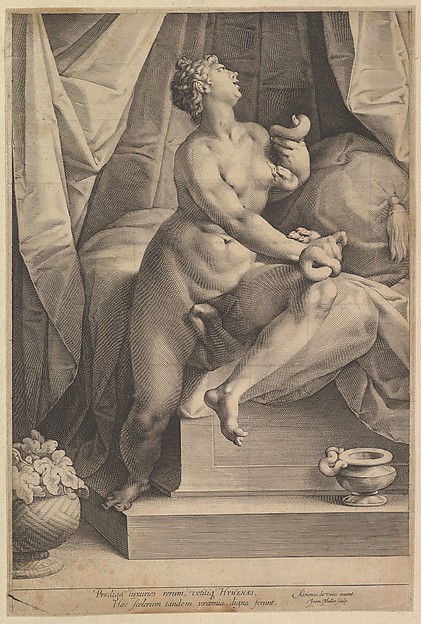
A late-16th-century engraving by Jan Muller imagining Cleopatra seated with a serpent, made long after her death.
A later imagined image of Cleopatra's legendary death, reflecting how she was remembered rather than how she actually looked.
About this source
What it is
This engraving of Cleopatra was made around 1598 by the Dutch printmaker Jan Muller. It shows a seated, partly nude woman holding a serpent, with a Latin inscription below. It is held by The Metropolitan Museum of Art.
Why it matters
Made over 1,600 years after Cleopatra's death, this print is part of a long European tradition of picturing her final moments with a snake, a detail tied to the ancient story of her death. It reveals how artists of Muller's time imagined her as both a seductive and tragic figure, shaping her legend for later generations.
Look closer
- Why do you think the snake appears so often in images of Cleopatra?
- What does the Latin inscription suggest about the intended audience?
- How does this image differ from what we actually know about Cleopatra's life?
This painting is part of the curated material that grounds the AI version of Cleopatra on Humy.ai — when students ask about related events, the AI can quote it and cite it.
More Cleopatra sources
Meet the AI Cleopatra →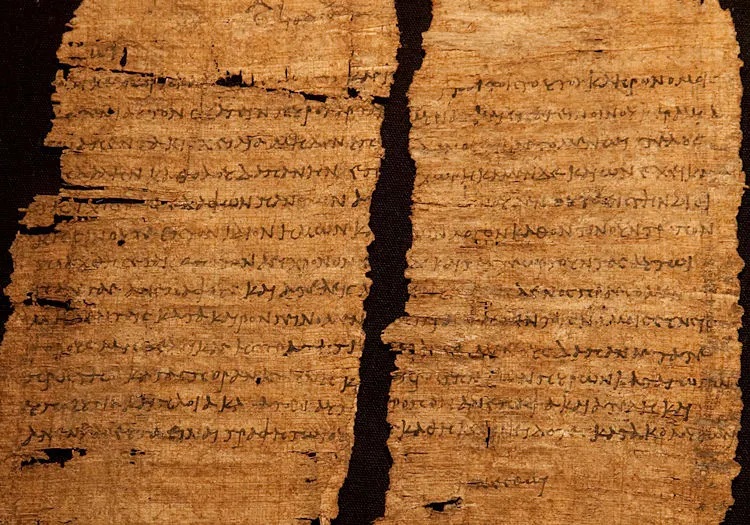 Document
Primary source
Papyrus with Signature of Cleopatra VII
Ptolemaic scribe; possibly countersigned by Cleopatra VII · February 33 BCE
 Painting
Secondary source
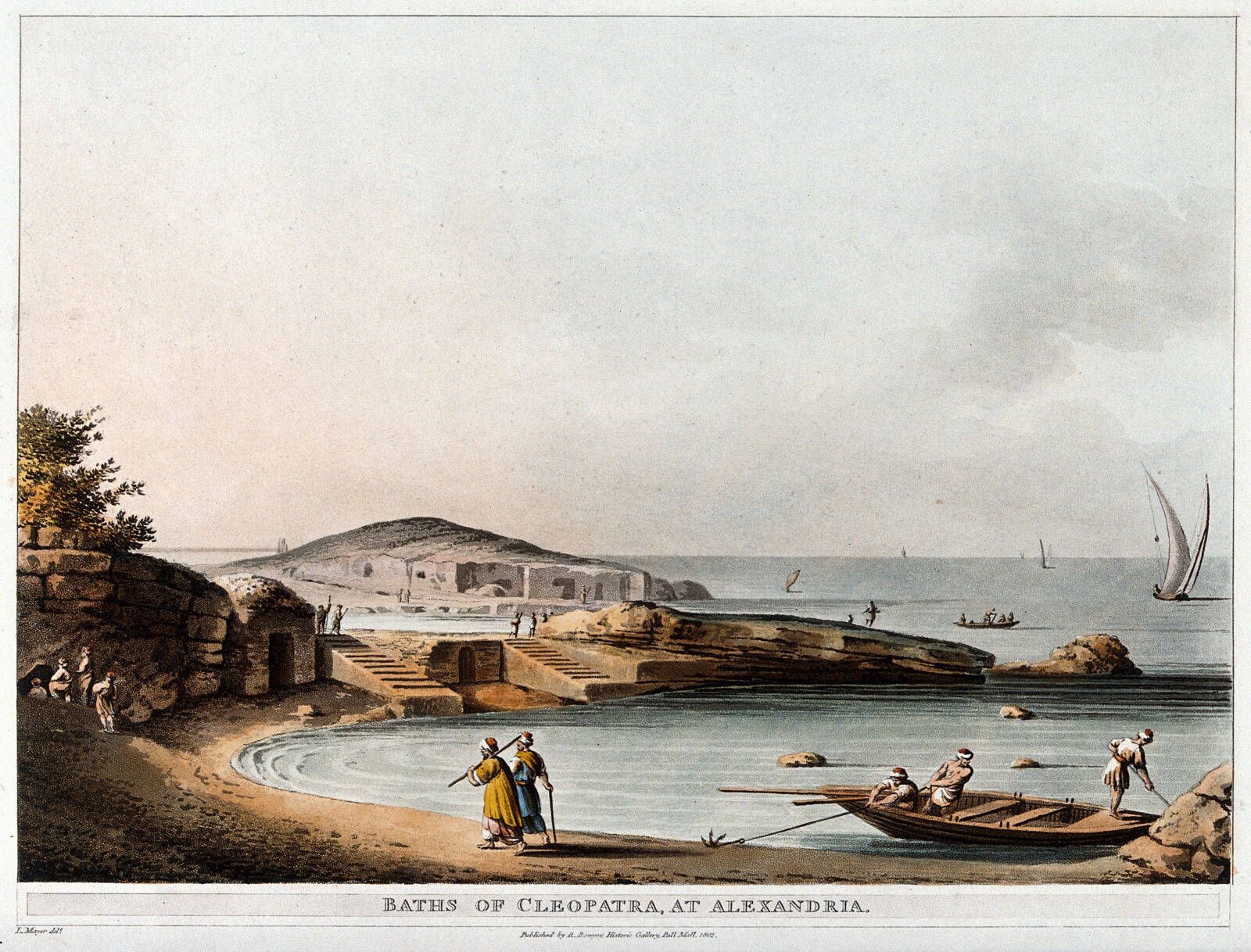
Baths of Cleopatra, at Alexandria
Luigi Mayer · 1802
 Sculpture
Secondary source
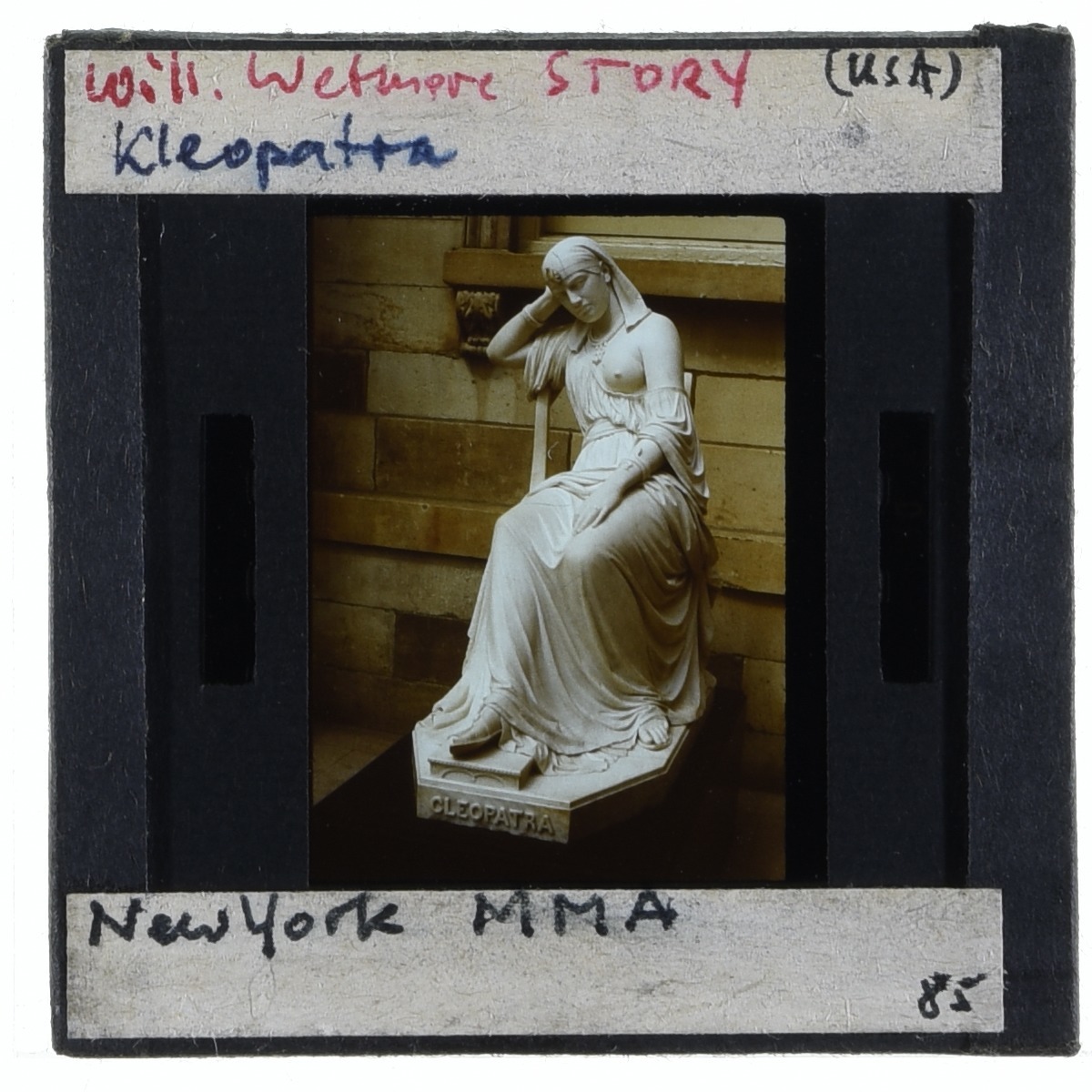
Cleopatra
William Wetmore Story
 Sculpture
Primary source
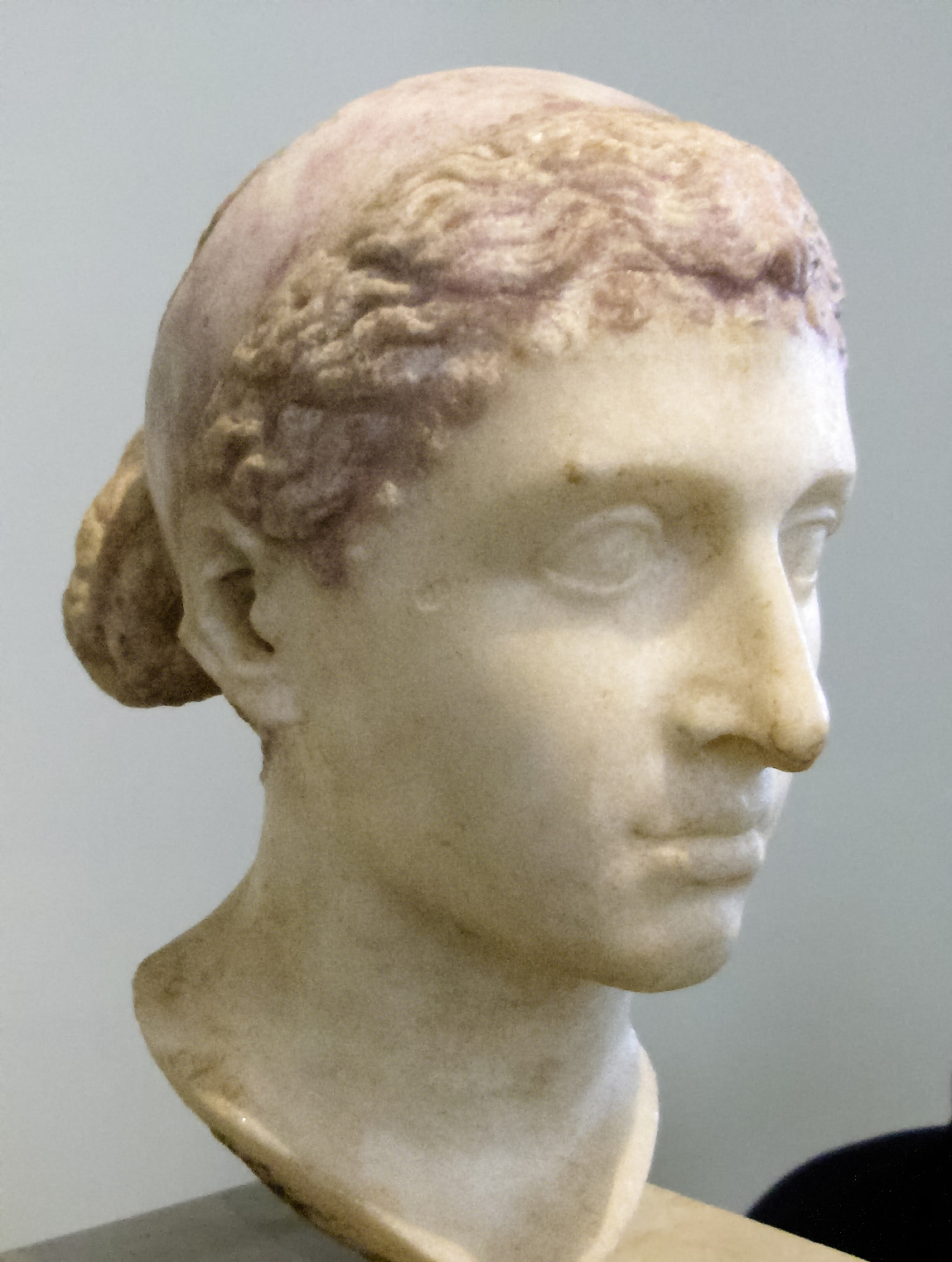
Portrait of Cleopatra (Berlin Bust)
c. 40-30 BCE
 Sculpture
Primary source
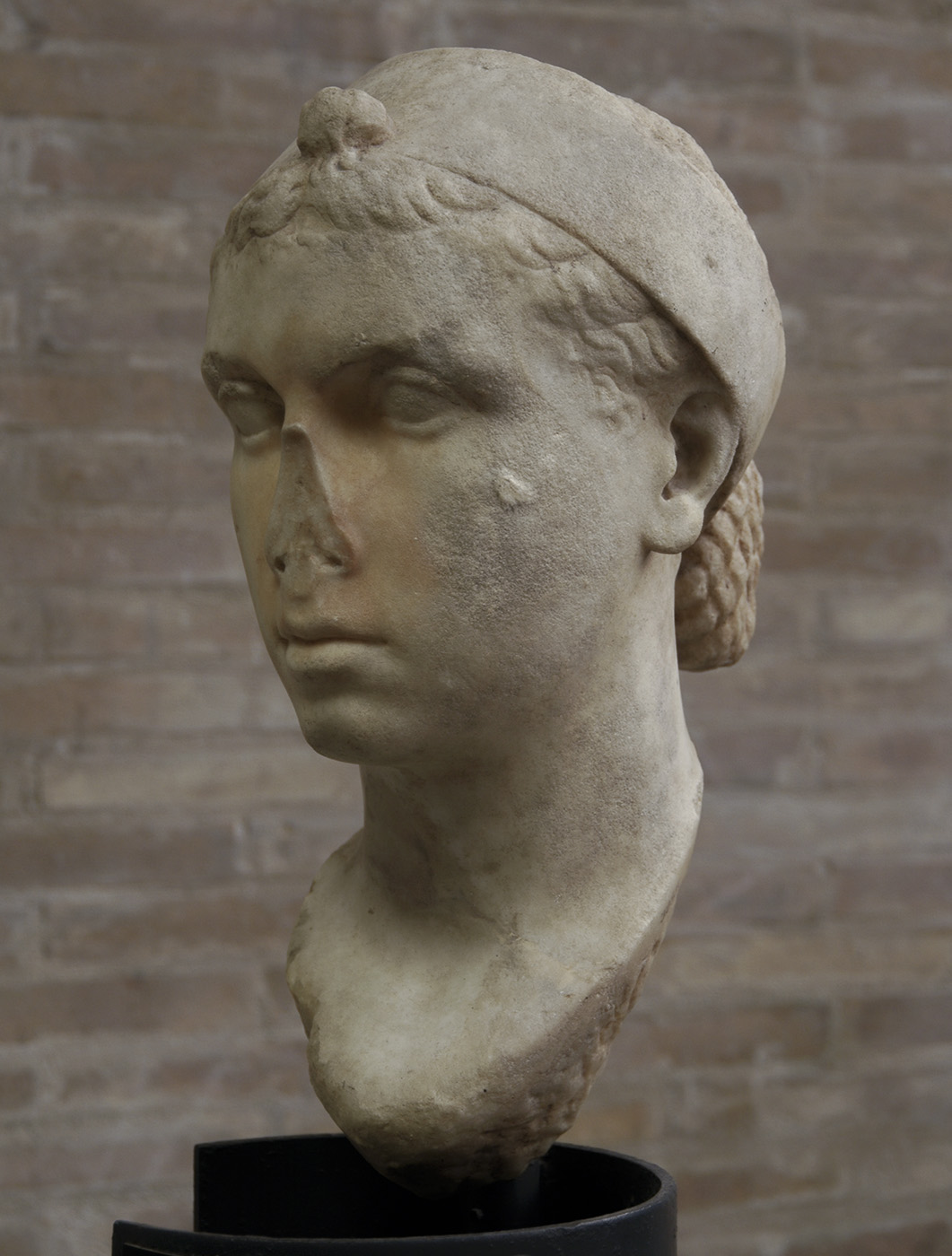
Head-Portrait of Cleopatra VII (Vatican Bust)
c. 40-30 BCE
Ready when you are
Start chatting with Cleopatra now.
20 messages free · No credit card · Available in 50+ languages.