


Secondary sourceSculpturefirst quarter 16th century
Cleopatra
Severo Calzetta da Ravenna · first quarter 16th century
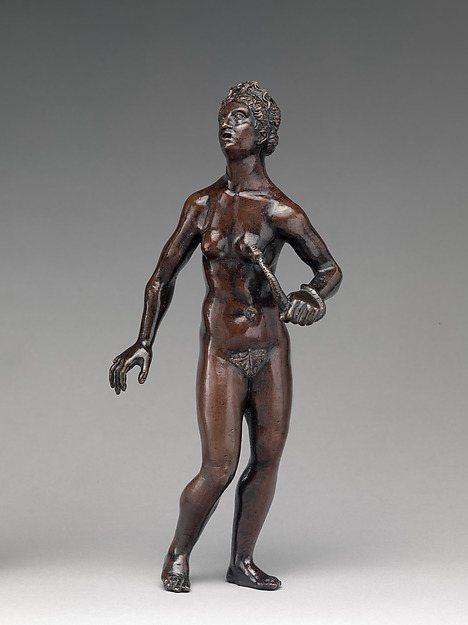
A Renaissance bronze statuette by Severo Calzetta da Ravenna depicting Cleopatra nude with a serpent, made centuries after her death.
A Renaissance bronze imagining Cleopatra's legendary death, showing how her story inspired artists long after her lifetime.
About this source
What it is
This small bronze statuette of Cleopatra was made in the early 16th century by the Italian sculptor Severo Calzetta da Ravenna. It shows a nude female figure holding a serpent-like object against her hip. It is held by The Metropolitan Museum of Art.
Why it matters
Created more than 1,500 years after Cleopatra's lifetime, this statuette reflects Renaissance interest in classical subjects and the legend of her death by snakebite, not a true likeness. It shows how artists used her story to explore ideals of the nude female form in bronze sculpture.
Look closer
- What makes this figure look like it belongs to the Renaissance rather than ancient Egypt?
- Why might the serpent be included as a symbol?
- What does this object tell us about how artists of the time viewed Cleopatra's story?
This sculpture is part of the curated material that grounds the AI version of Cleopatra on Humy.ai — when students ask about related events, the AI can quote it and cite it.
More Cleopatra sources
Meet the AI Cleopatra →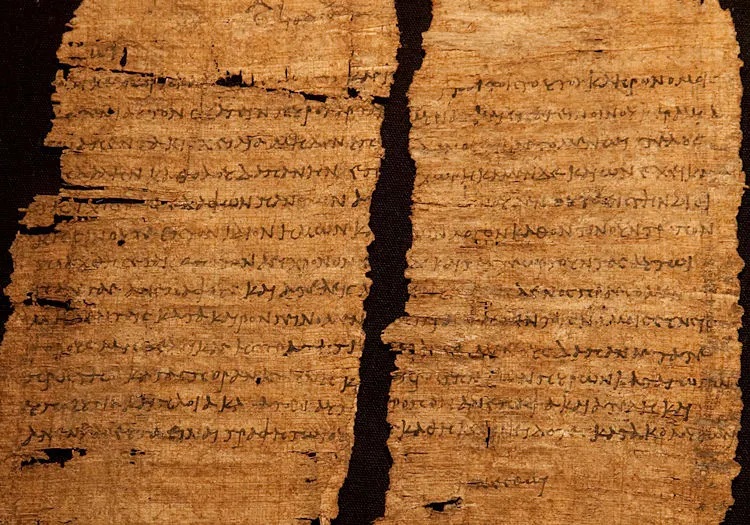 Document
Primary source
Papyrus with Signature of Cleopatra VII
Ptolemaic scribe; possibly countersigned by Cleopatra VII · February 33 BCE
 Painting
Secondary source
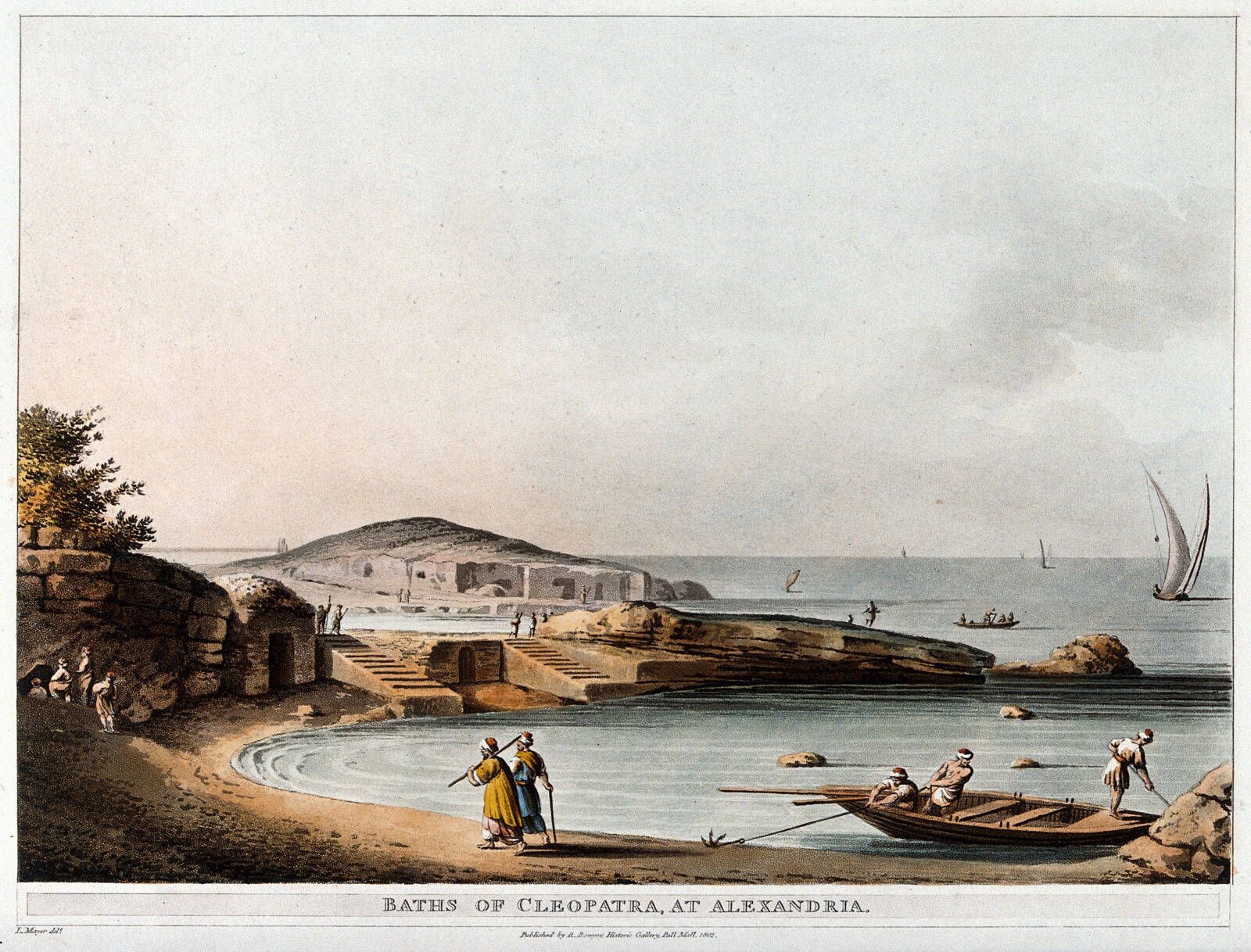
Baths of Cleopatra, at Alexandria
Luigi Mayer · 1802
 Sculpture
Secondary source
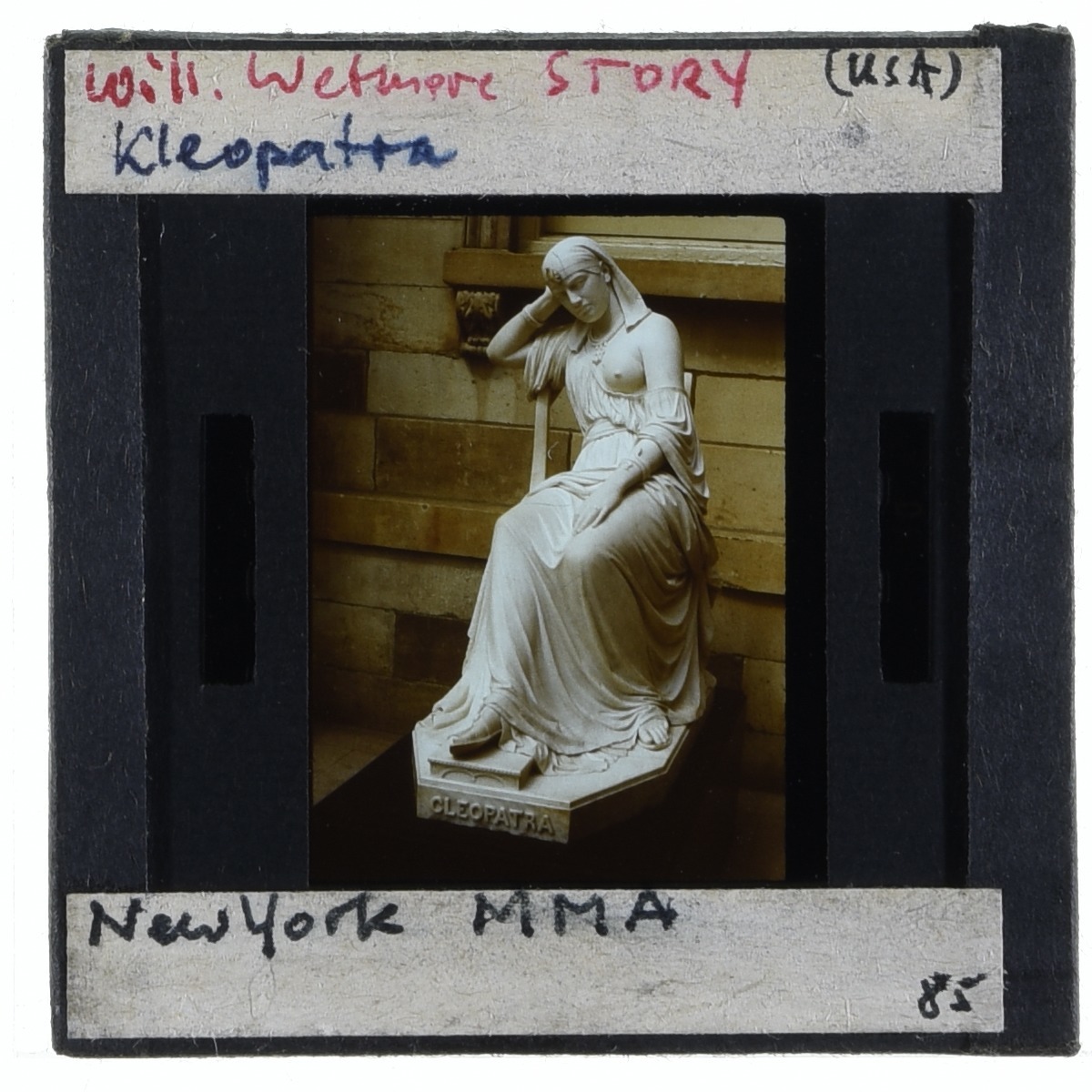
Cleopatra
William Wetmore Story
 Sculpture
Primary source
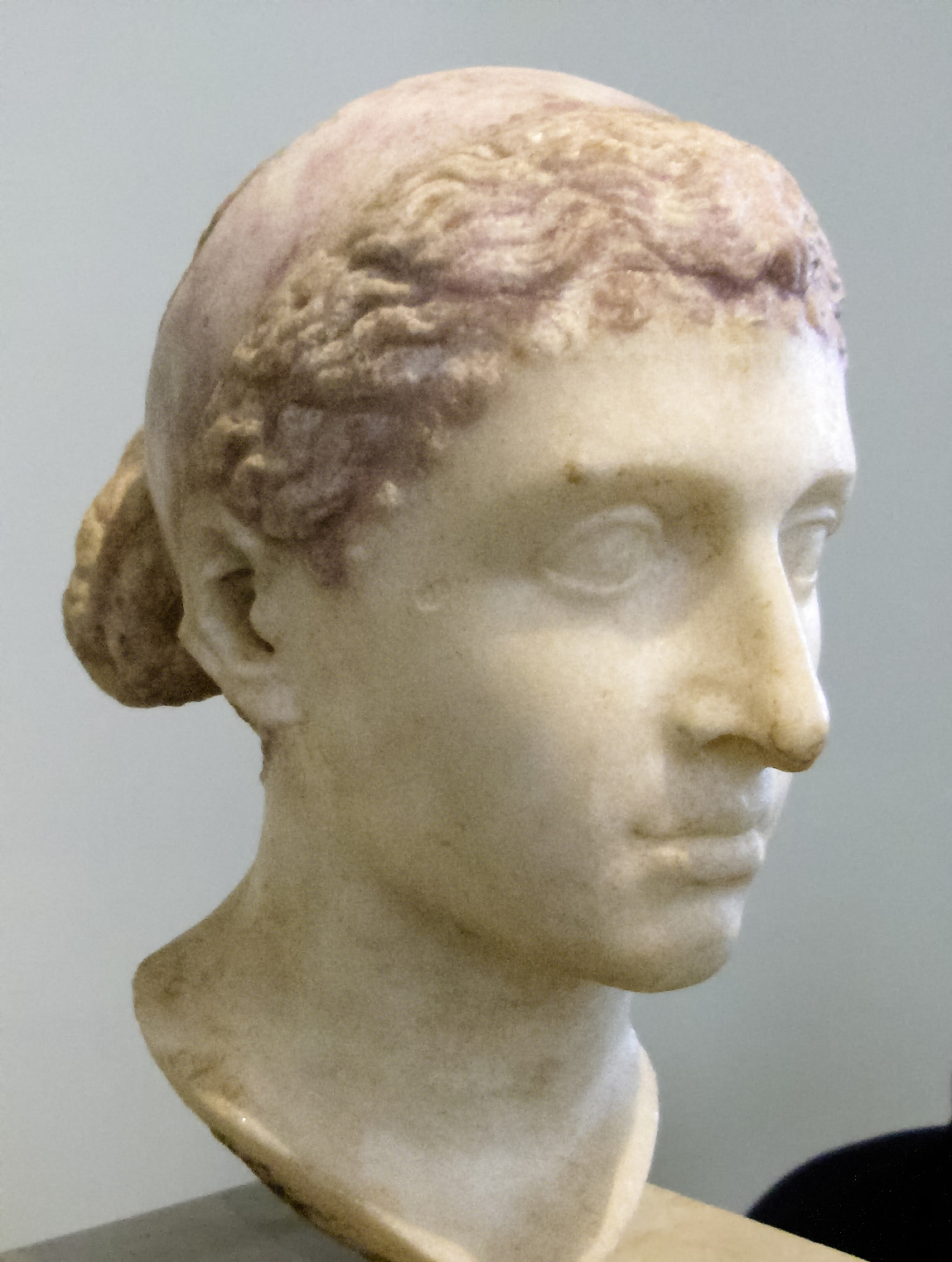
Portrait of Cleopatra (Berlin Bust)
c. 40-30 BCE
 Sculpture
Primary source
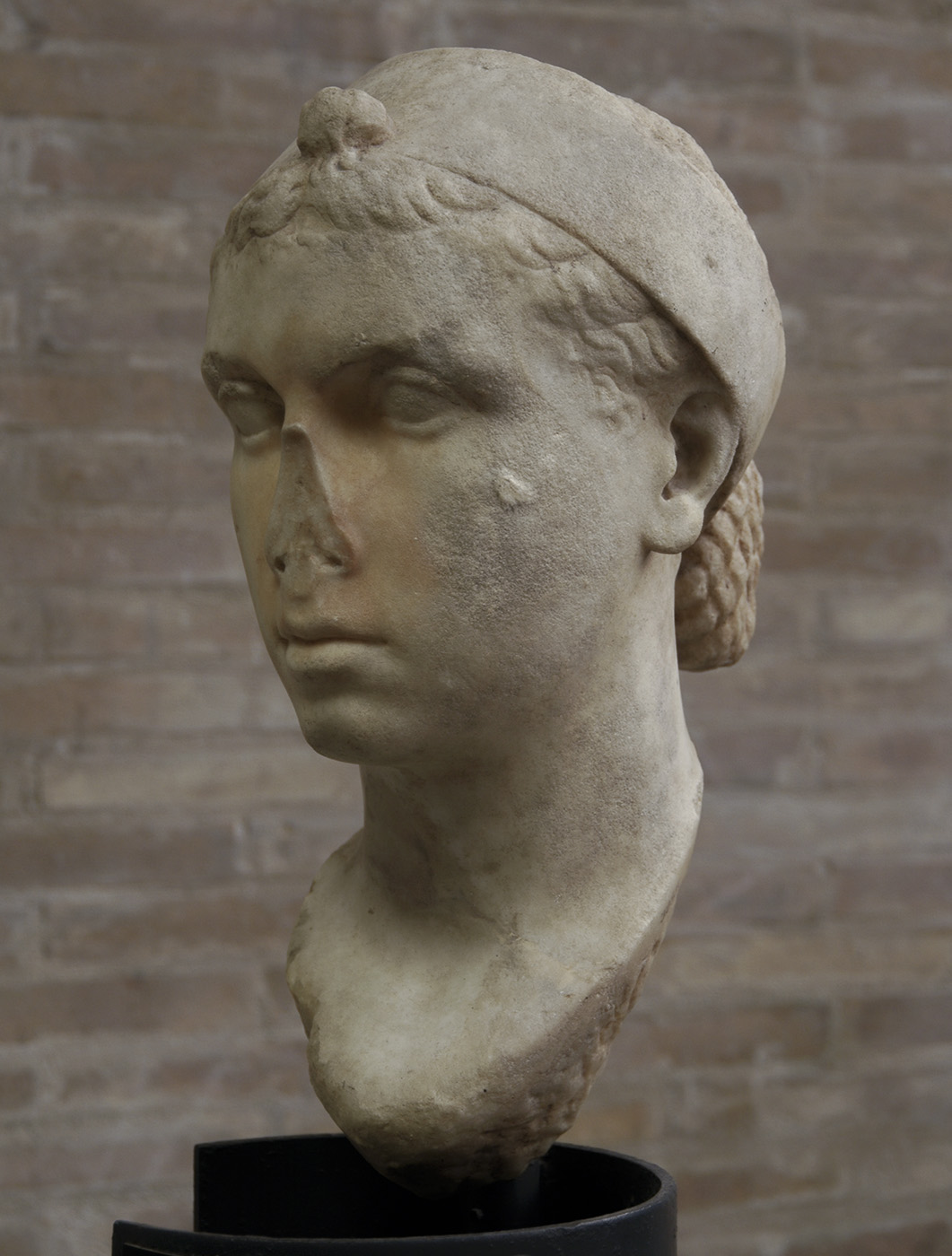
Head-Portrait of Cleopatra VII (Vatican Bust)
c. 40-30 BCE
Ready when you are
Start chatting with Cleopatra now.
20 messages free · No credit card · Available in 50+ languages.