


Secondary sourcePainting1866
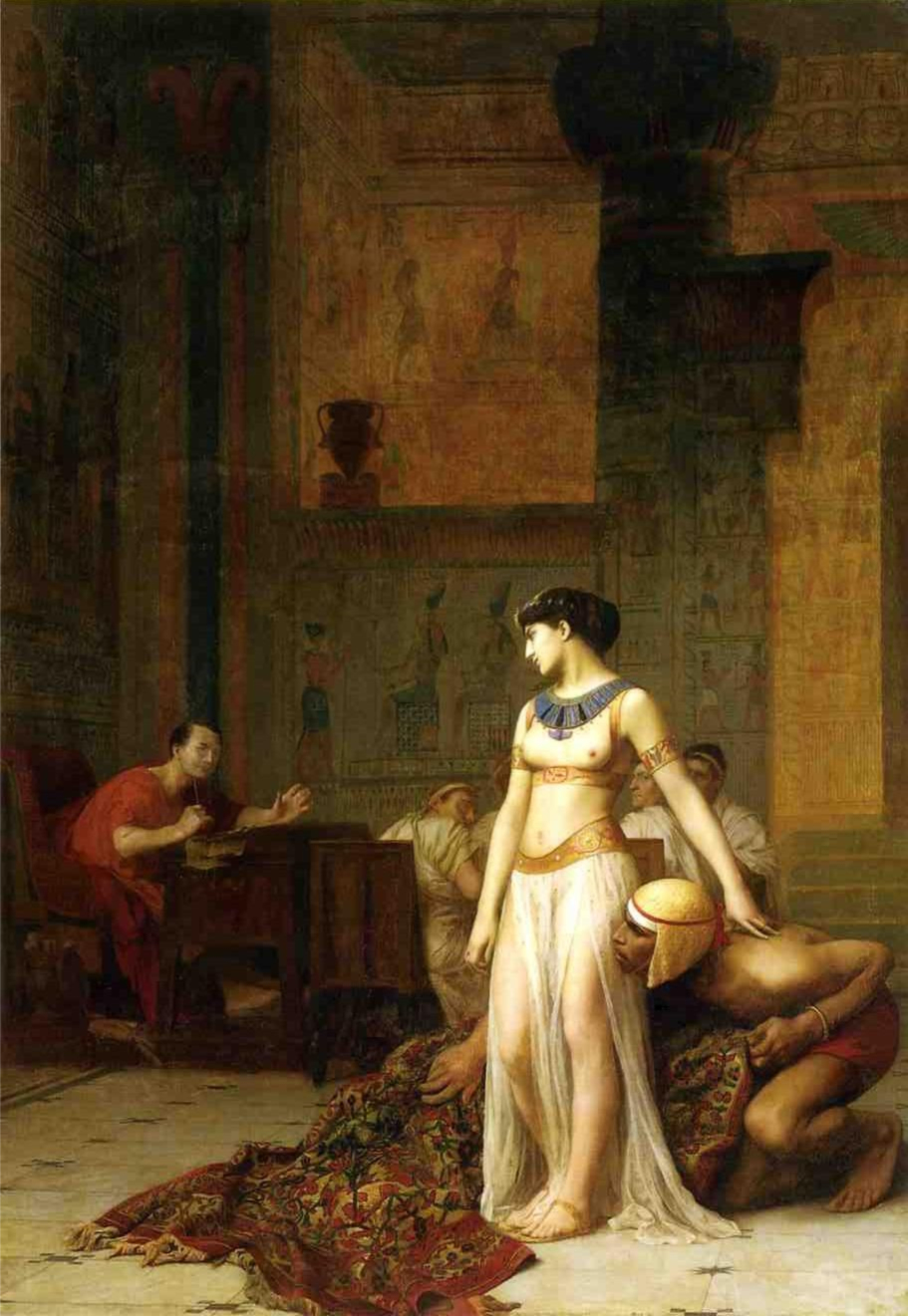
Cleopatra and Caesar
Jean-Léon Gérôme · 1866
An 1866 painting by Jean-Léon Gérôme imagining Cleopatra being smuggled to Julius Caesar rolled inside a carpet.
This painting dramatizes a legendary episode of Cleopatra being smuggled to meet Julius Caesar.
About this source
What it is
This 1866 oil painting was made by French artist Jean-Léon Gérôme and is held by the Raclin Murphy Museum of Art. It shows Cleopatra appearing before Julius Caesar after being smuggled into his presence hidden in a rolled carpet, a scene based on Plutarch's Life of Caesar.
Why it matters
The painting is a well-known example of 19th-century Egyptomania and Orientalist art, styles that imagined ancient Egypt in dramatic, exoticized ways. It shows how later European artists reinterpreted a story from Plutarch, written more than a century after the events, mixing historical research with invented drama and romanticized nudity.
Look closer
- Plutarch wrote his account long after Cleopatra's death — how might that affect the reliability of this story?
- What choices did the painter make to make the scene feel dramatic or exotic?
- What does this painting tell us about 19th-century European attitudes toward Egypt, rather than about ancient Egypt itself?
This painting is part of the curated material that grounds the AI version of Cleopatra and Julius Caesar on Humy.ai — when students ask about related events, the AI can quote it and cite it.
More Cleopatra sources
Meet the AI Cleopatra → Document
Primary source
Papyrus with Signature of Cleopatra VII
Ptolemaic scribe; possibly countersigned by Cleopatra VII · February 33 BCE
 Painting
Secondary source
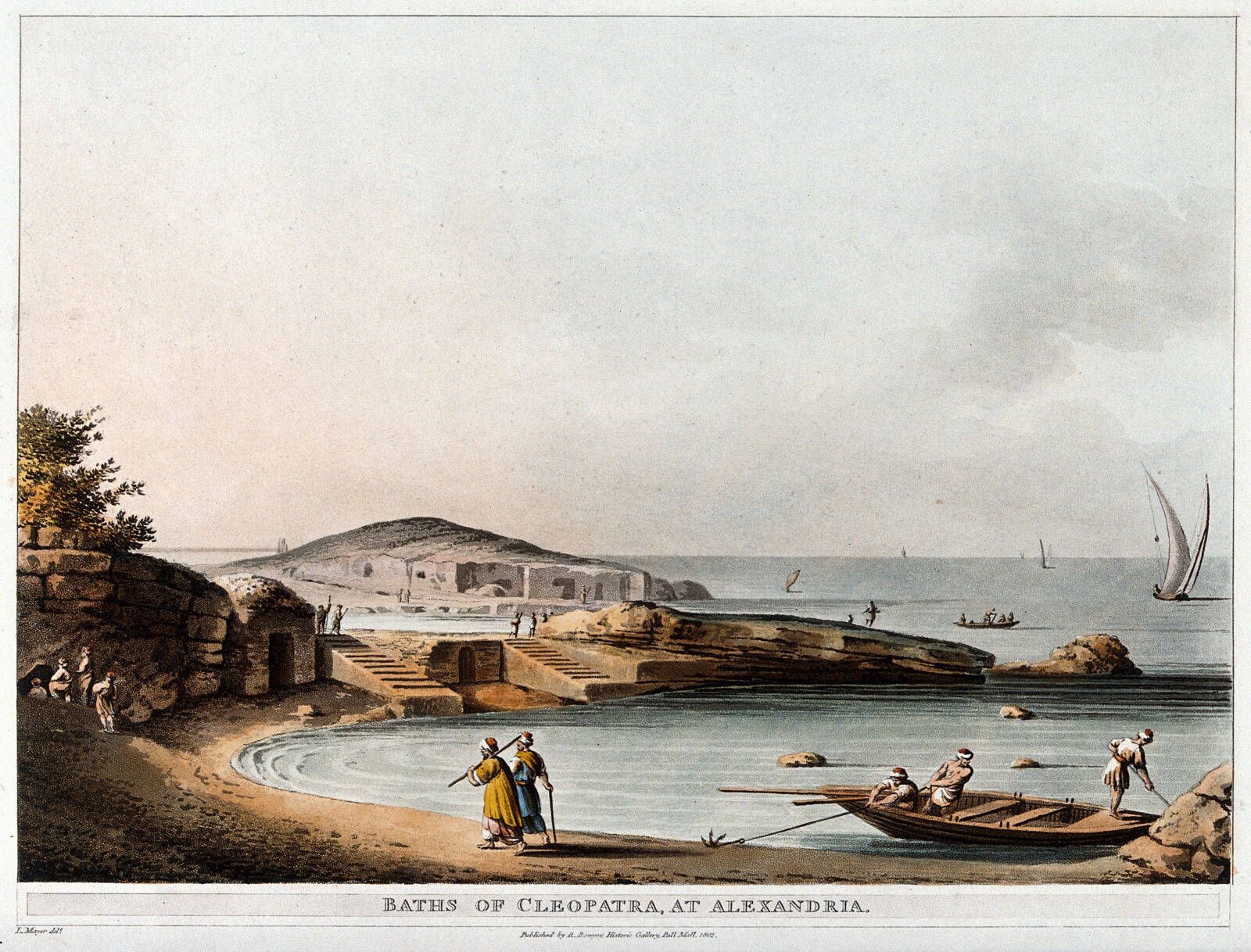
Baths of Cleopatra, at Alexandria
Luigi Mayer · 1802
 Sculpture
Secondary source
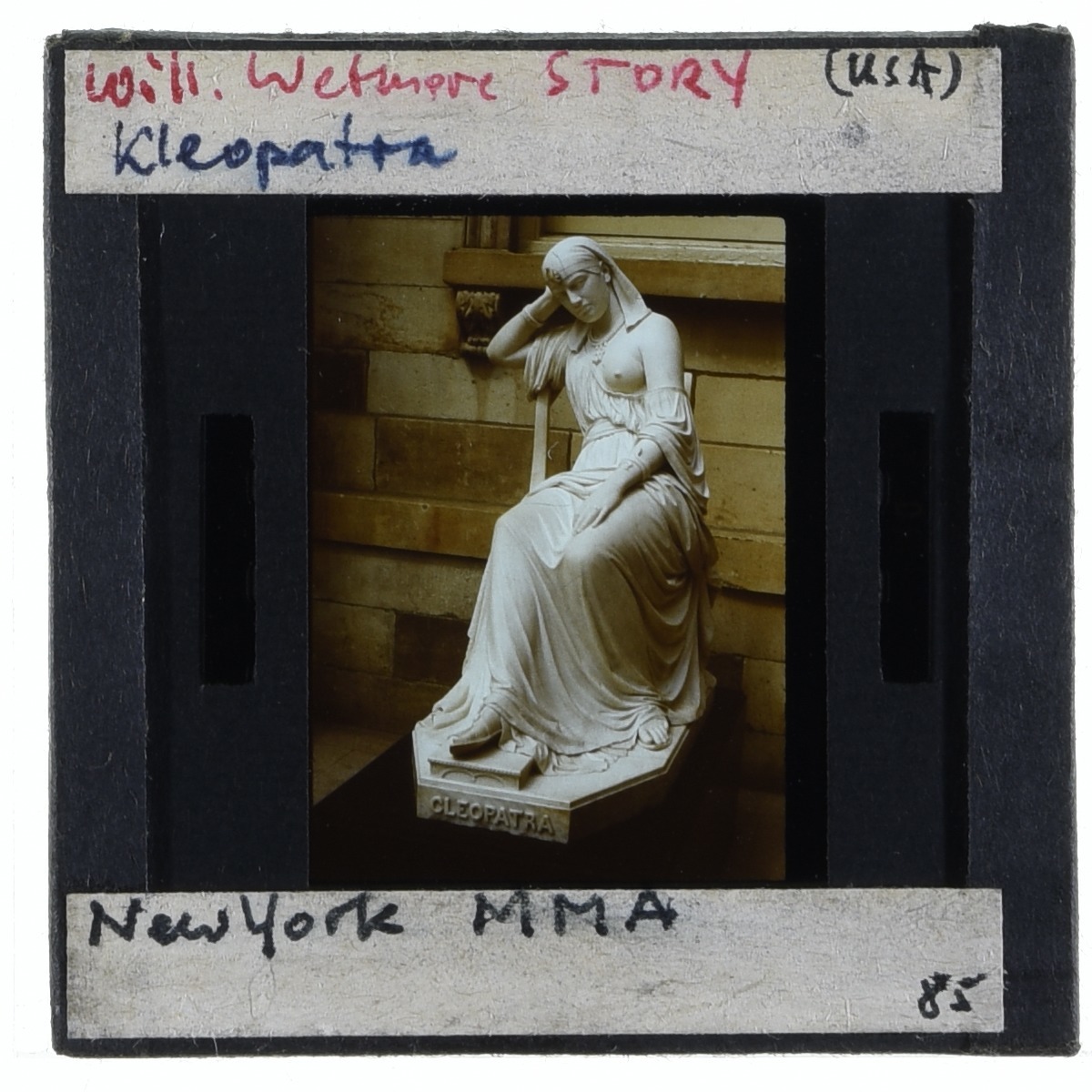
Cleopatra
William Wetmore Story
 Sculpture
Primary source
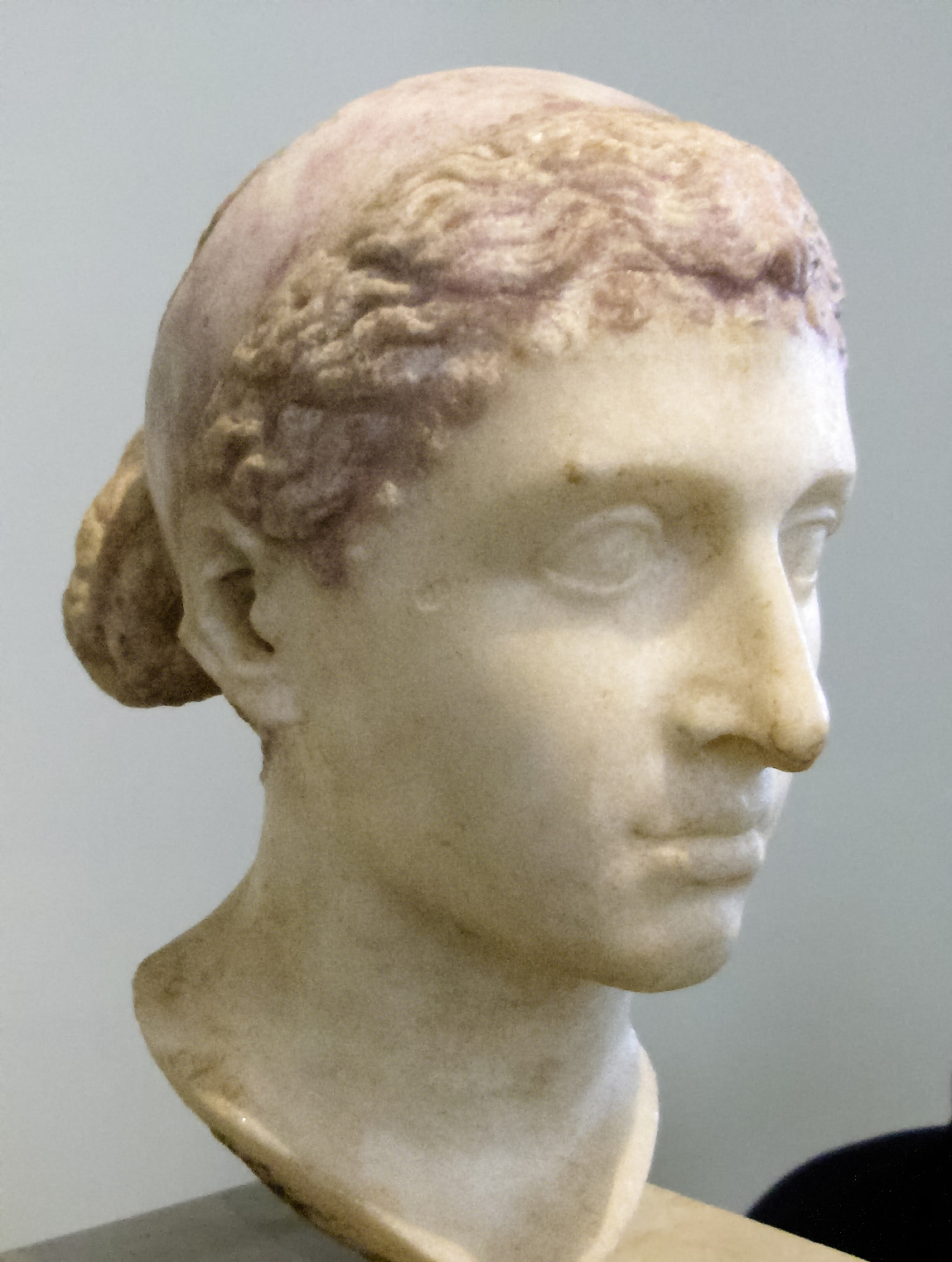
Portrait of Cleopatra (Berlin Bust)
c. 40-30 BCE
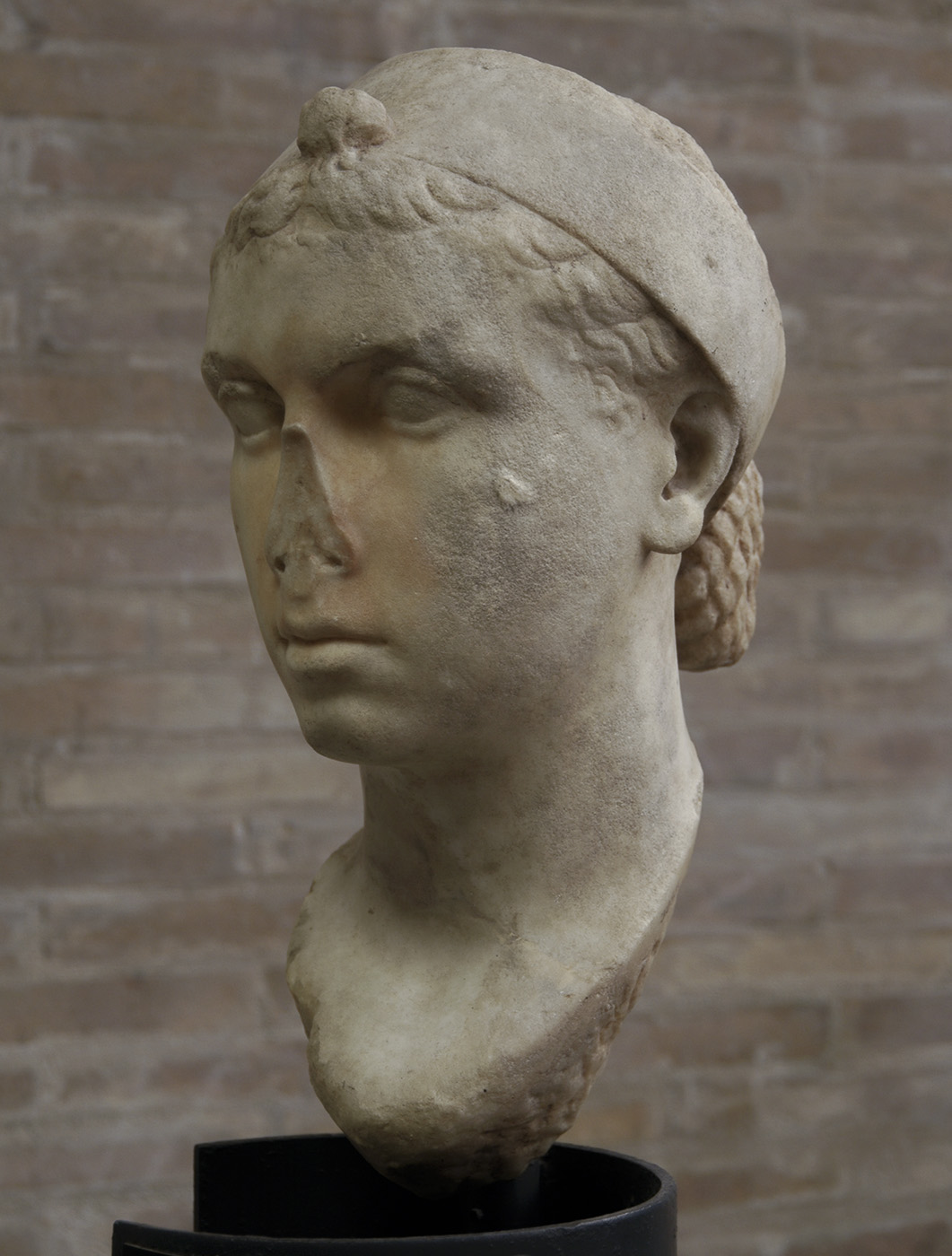 Sculpture
Primary source
Head-Portrait of Cleopatra VII (Vatican Bust)
c. 40-30 BCE
Ready when you are
Start chatting with Cleopatra now.
20 messages free · No credit card · Available in 50+ languages.