


Secondary sourceSculpture1858, carved 1869
Cleopatra
William Wetmore Story · 1858, carved 1869
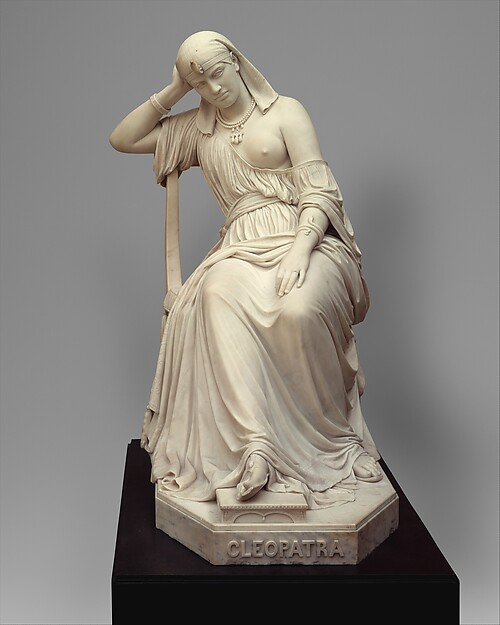
A 19th-century marble statue by American sculptor William Wetmore Story, imagining Cleopatra as a seated, contemplative queen.
A 19th-century imagined portrait of Cleopatra as a contemplative queen, reflecting later Western fascination with her story.
About this source
What it is
This marble statue of Cleopatra was made by the American sculptor William Wetmore Story between 1858 and 1869. It shows a seated woman in flowing robes, resting her head on her hand. It is held by The Metropolitan Museum of Art.
Why it matters
Story created this statue over eighteen centuries after Cleopatra's death, so it reflects 19th-century ideas about her rather than historical evidence. It shows how Western artists of that era imagined Cleopatra as a tragic, exotic queen lost in thought, a portrayal that says much about Story's own time and its fascination with ancient Egypt.
Look closer
- What mood does the sculptor create through the pose and expression?
- Why might a 19th-century American artist choose Cleopatra as a subject?
- What parts of this image are imagination rather than fact?
This sculpture is part of the curated material that grounds the AI version of Cleopatra on Humy.ai — when students ask about related events, the AI can quote it and cite it.
More Cleopatra sources
Meet the AI Cleopatra →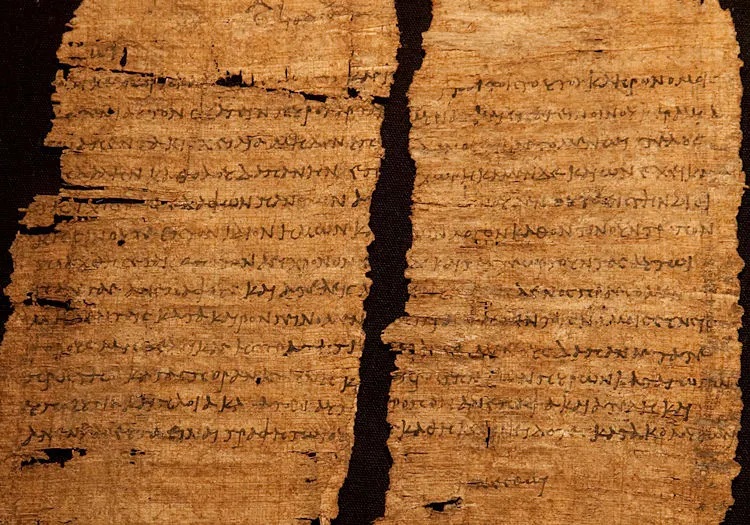 Document
Primary source
Papyrus with Signature of Cleopatra VII
Ptolemaic scribe; possibly countersigned by Cleopatra VII · February 33 BCE
 Painting
Secondary source
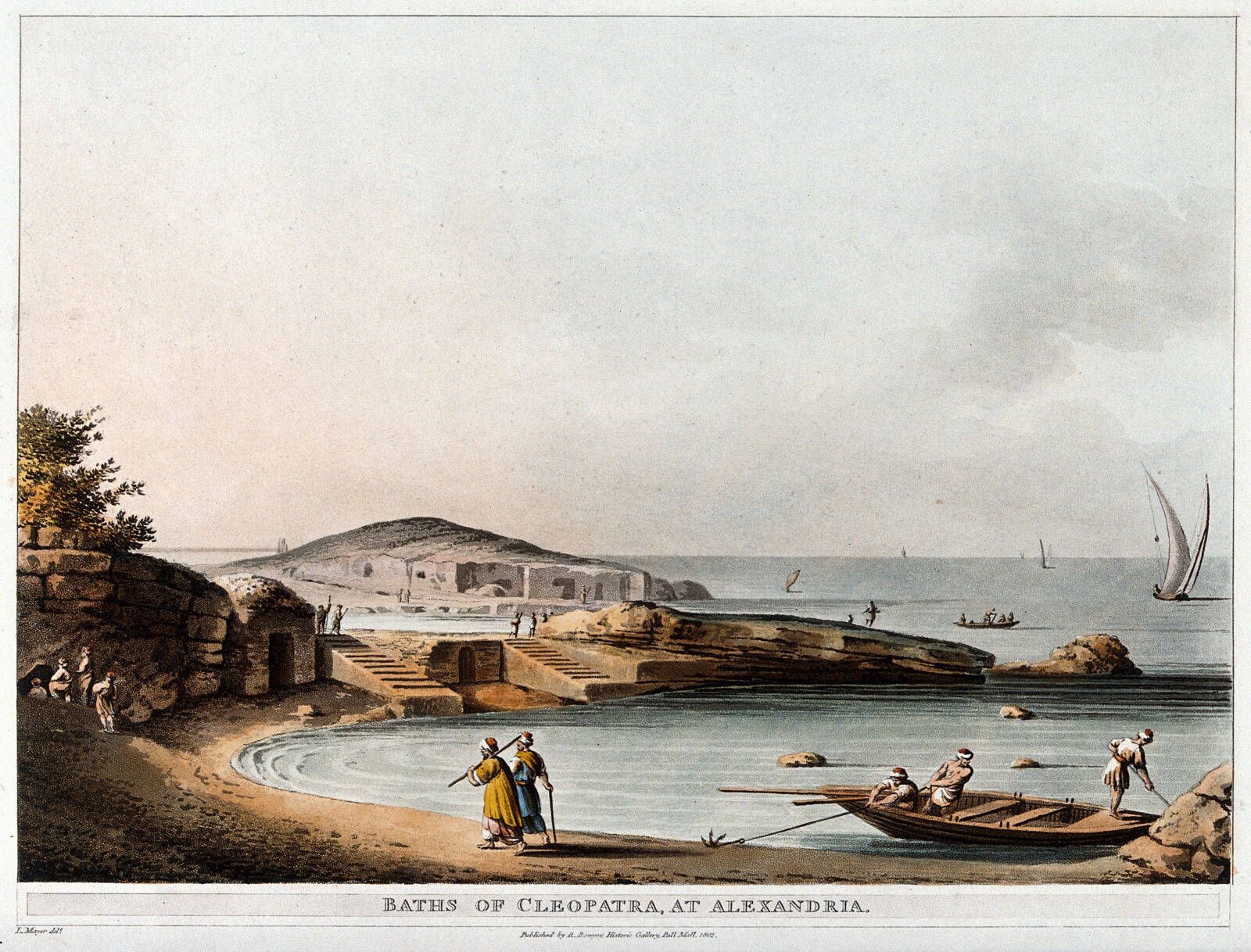
Baths of Cleopatra, at Alexandria
Luigi Mayer · 1802
 Sculpture
Secondary source
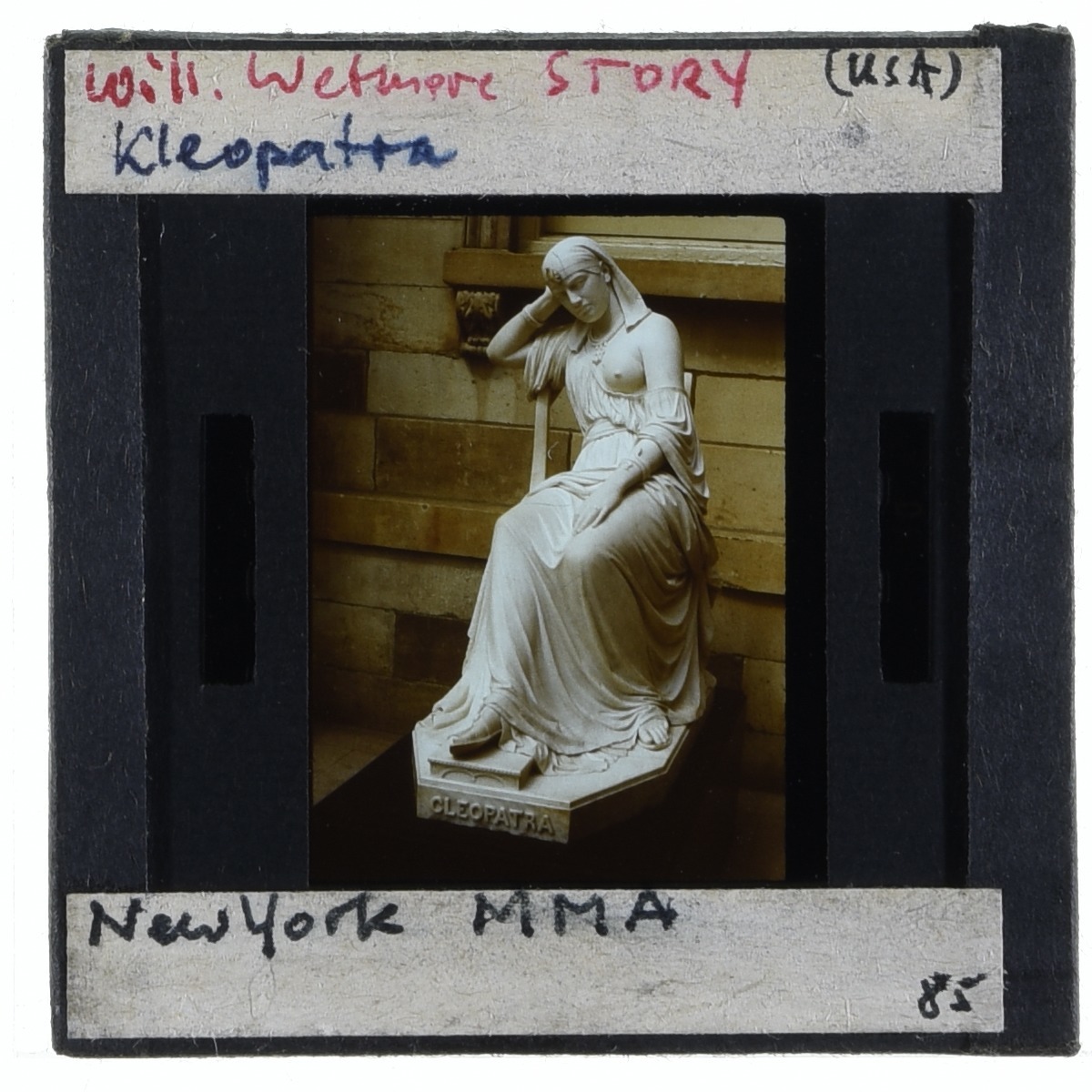
Cleopatra
William Wetmore Story
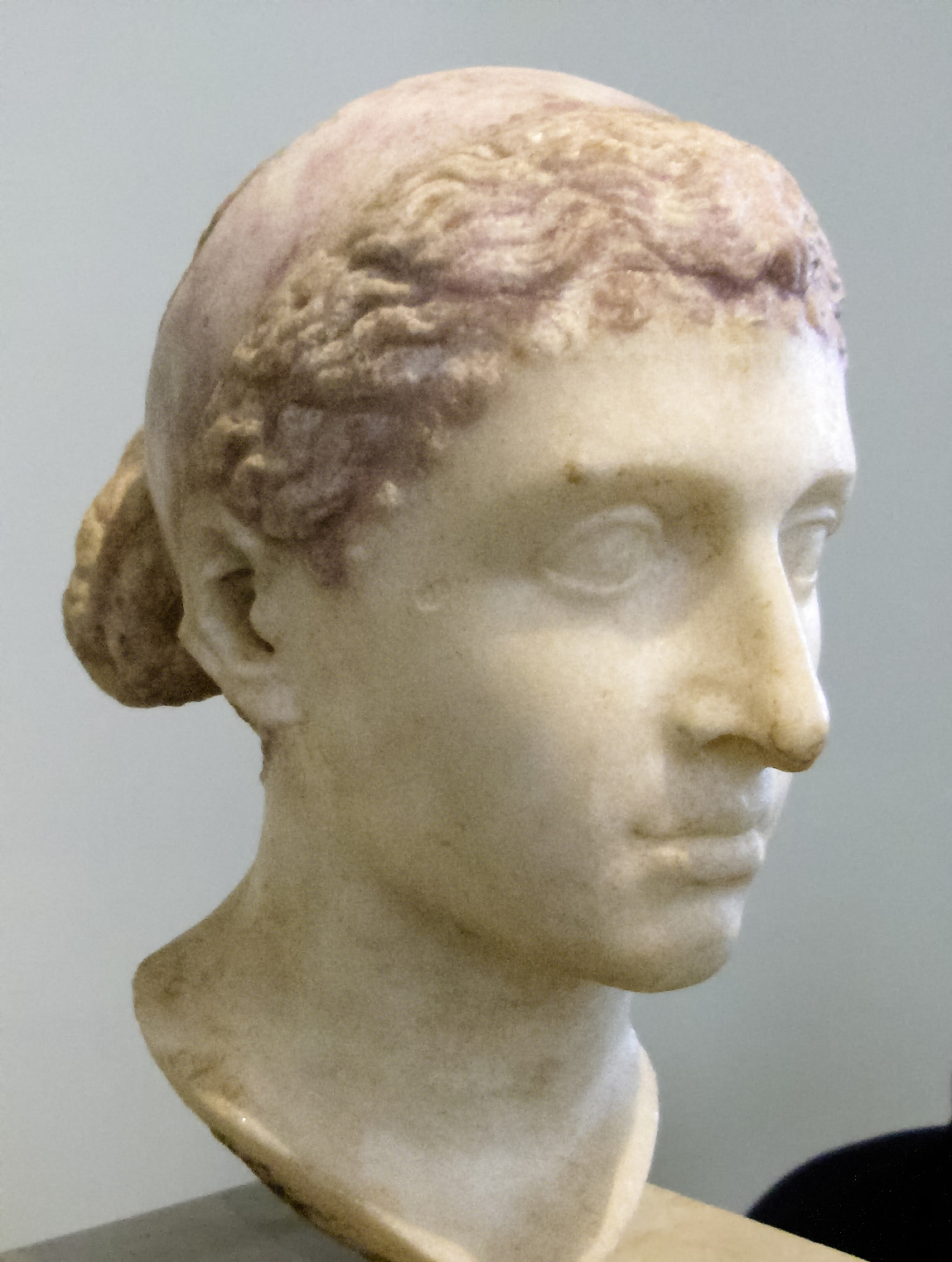 Sculpture
Primary source
Portrait of Cleopatra (Berlin Bust)
c. 40-30 BCE
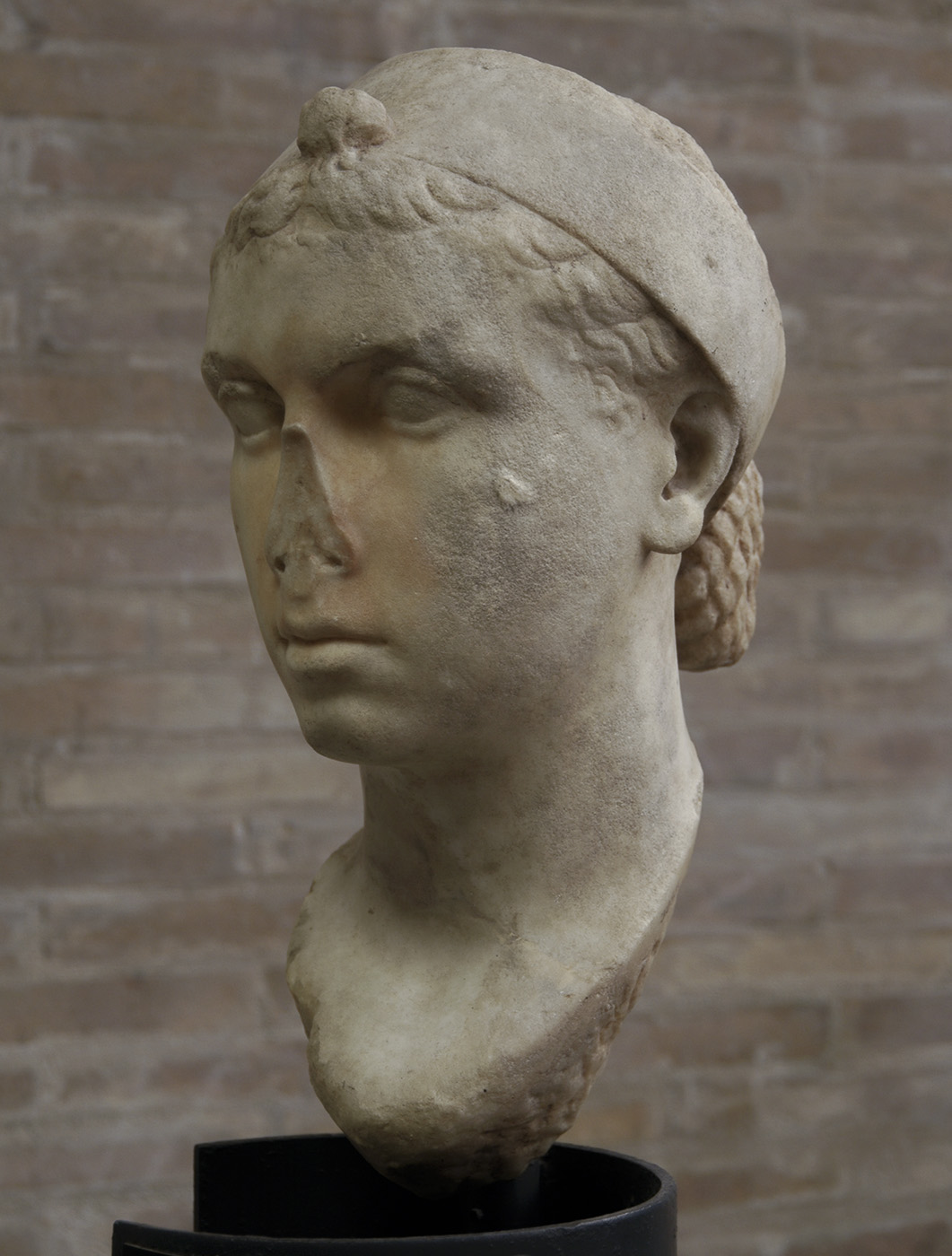 Sculpture
Primary source
Head-Portrait of Cleopatra VII (Vatican Bust)
c. 40-30 BCE
Ready when you are
Start chatting with Cleopatra now.
20 messages free · No credit card · Available in 50+ languages.