


Tertiary sourcePainting1642
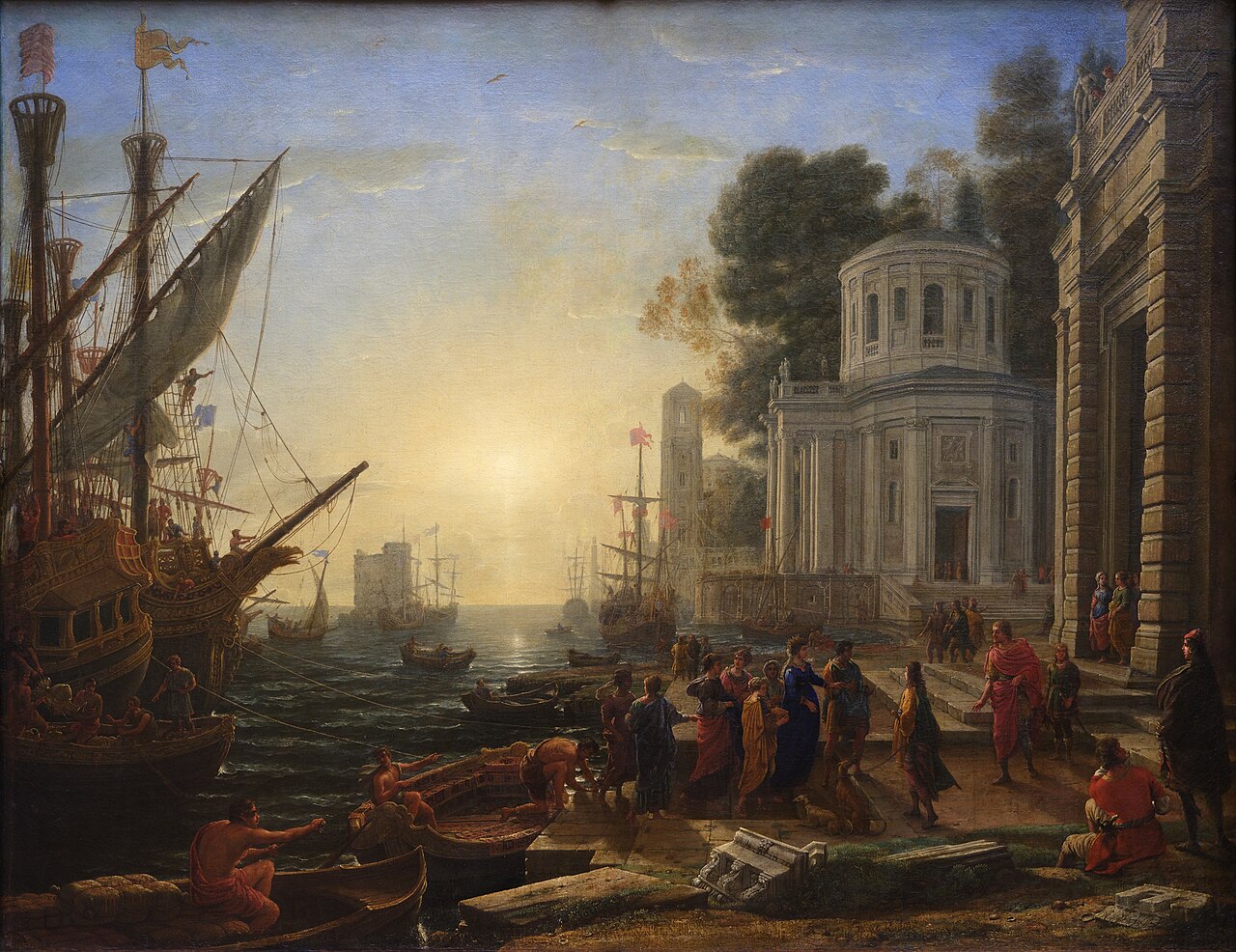
Cleopatra Disembarking at Tarsus
Claude Lorrain · 1642
A 17th-century painting imagining Cleopatra's famous staged arrival to meet Mark Antony at Tarsus.
A Baroque reimagining of Cleopatra's famous meeting with Antony at Tarsus, based on ancient accounts.
About this source
What it is
This painting was made in 1642 by the French artist Claude Lorrain. It shows Cleopatra's arrival at Tarsus to meet Mark Antony, a famous scene described by the ancient writer Plutarch. It is held in the Department of Paintings of the Louvre.
Why it matters
Painted over 1,600 years after Cleopatra's lifetime, this work shows how later European artists imagined her legendary meeting with Antony. It reveals how Cleopatra's story was retold and reshaped in art long after her death, based on ancient texts rather than direct knowledge.
Look closer
- What choices did the artist make about how to show the scene, and where might those ideas have come from?
- How does this 17th-century painting differ from what we might expect an ancient Egyptian scene to look like?
- What does this painting tell us about Cleopatra's reputation in later centuries rather than about her actual life?
This painting is part of the curated material that grounds the AI version of Cleopatra on Humy.ai — when students ask about related events, the AI can quote it and cite it.
More Cleopatra sources
Meet the AI Cleopatra →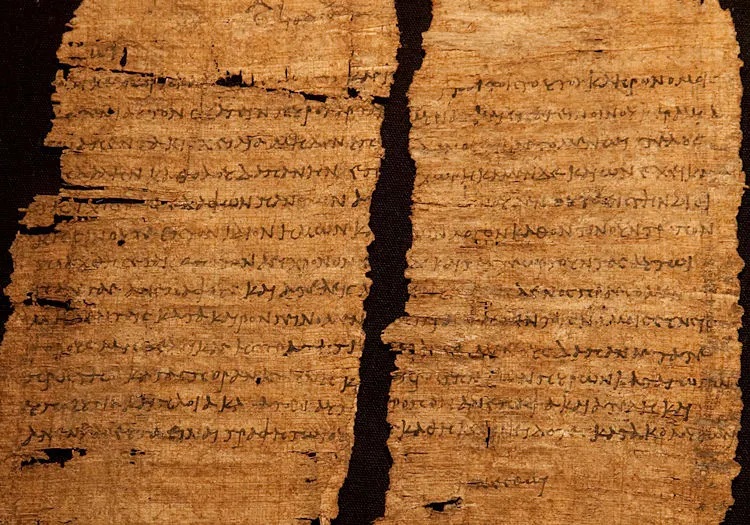 Document
Primary source
Papyrus with Signature of Cleopatra VII
Ptolemaic scribe; possibly countersigned by Cleopatra VII · February 33 BCE
 Painting
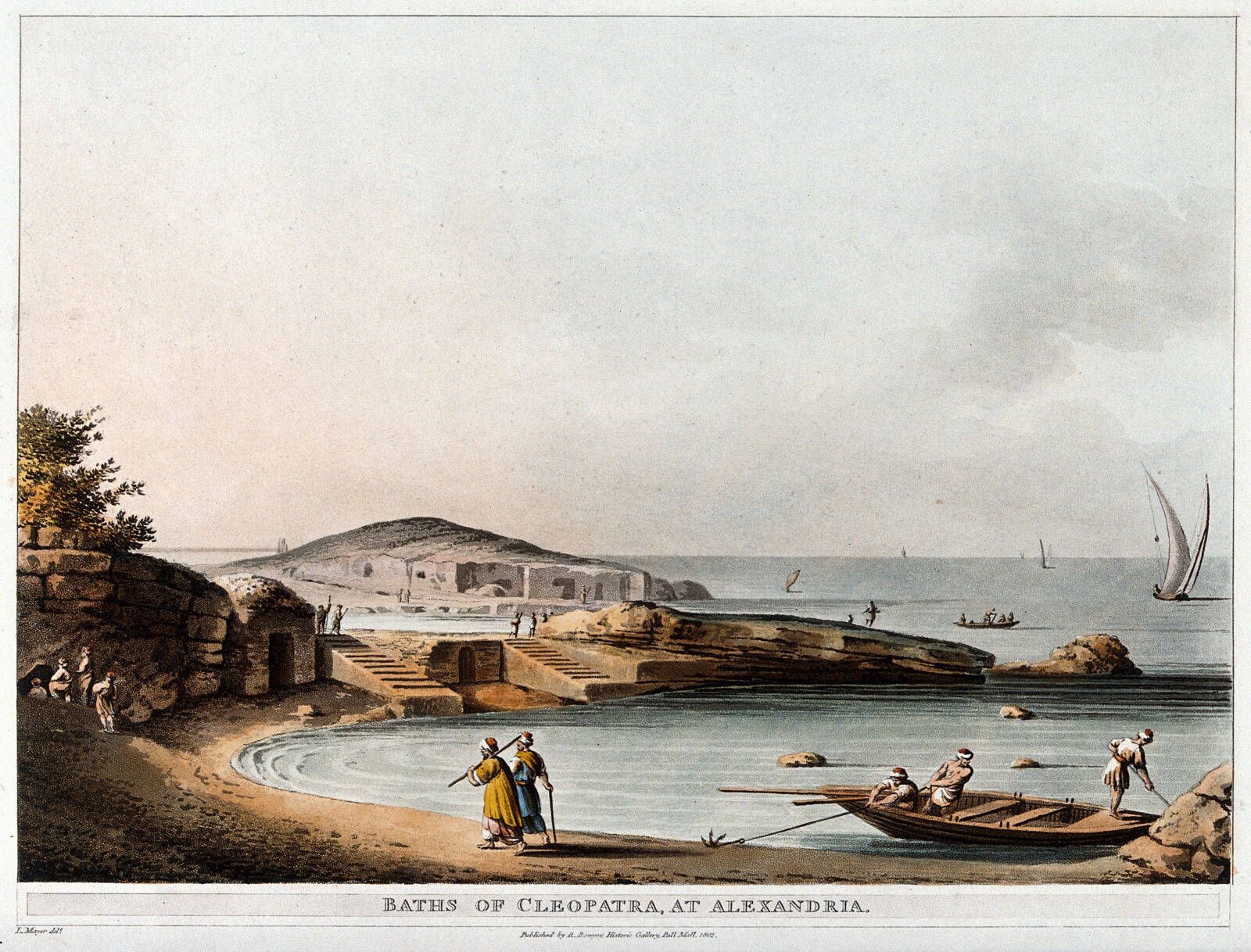
Secondary source
Baths of Cleopatra, at Alexandria
Luigi Mayer · 1802
 Sculpture
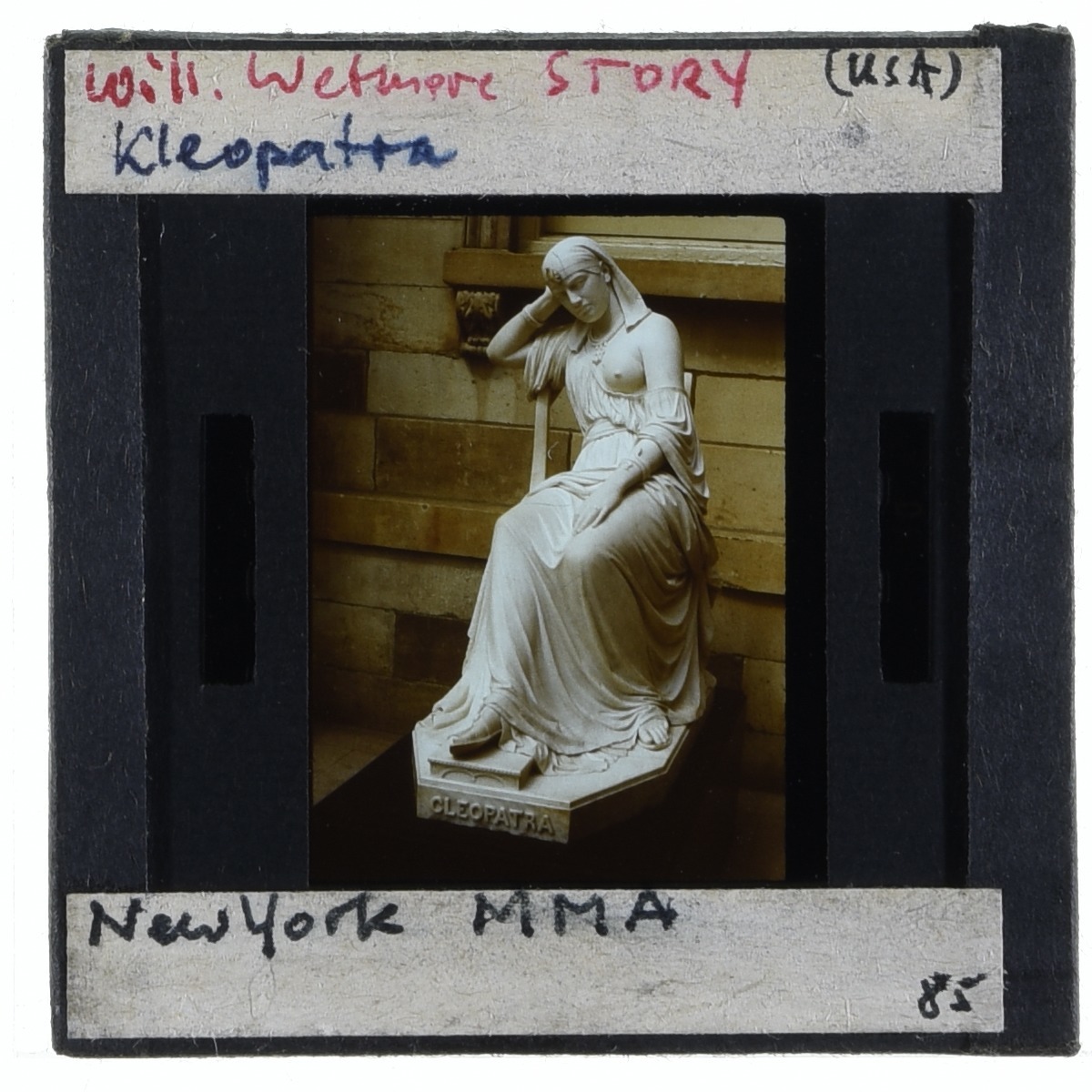
Secondary source
Cleopatra
William Wetmore Story
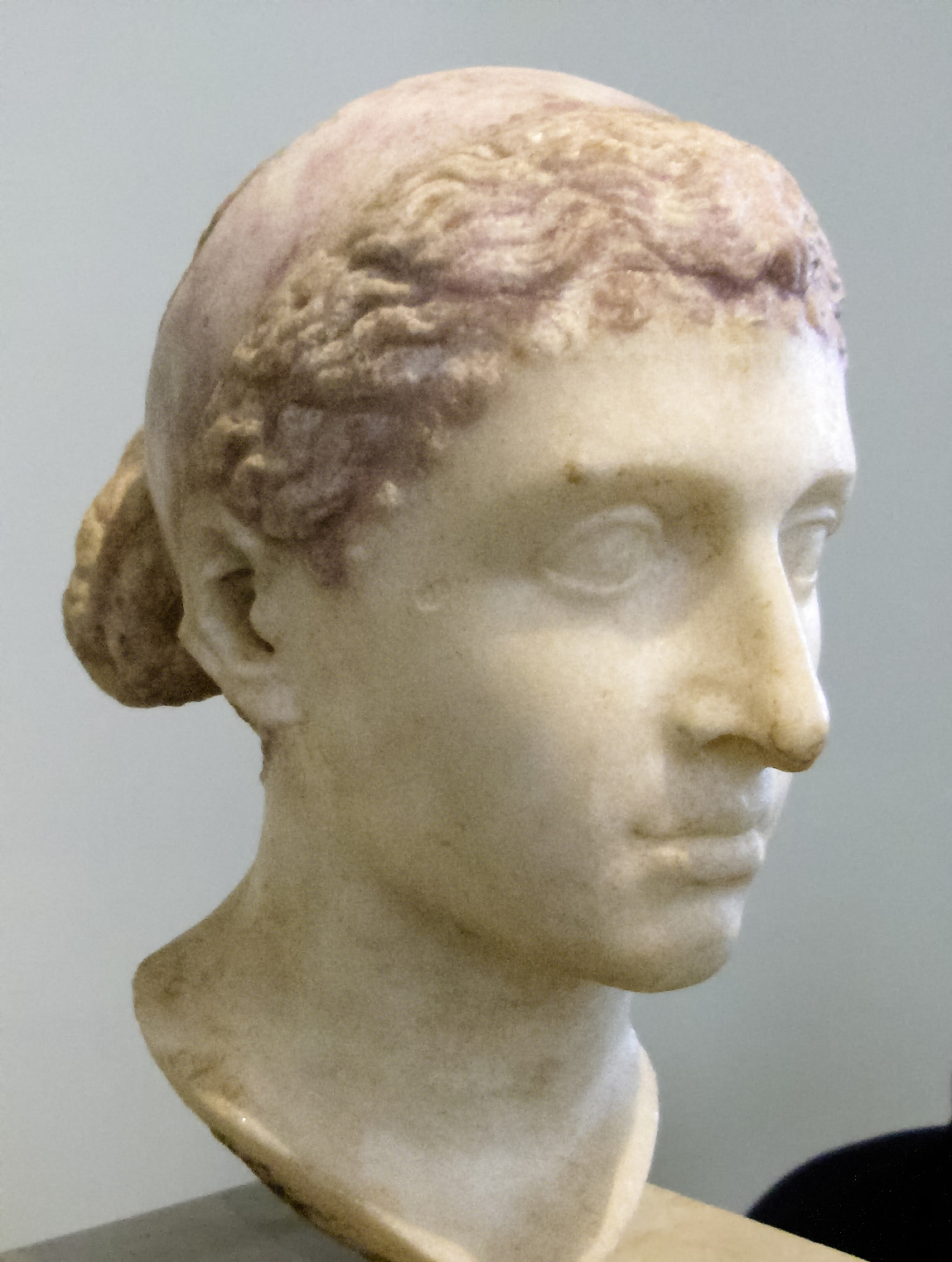 Sculpture
Primary source
Portrait of Cleopatra (Berlin Bust)
c. 40-30 BCE
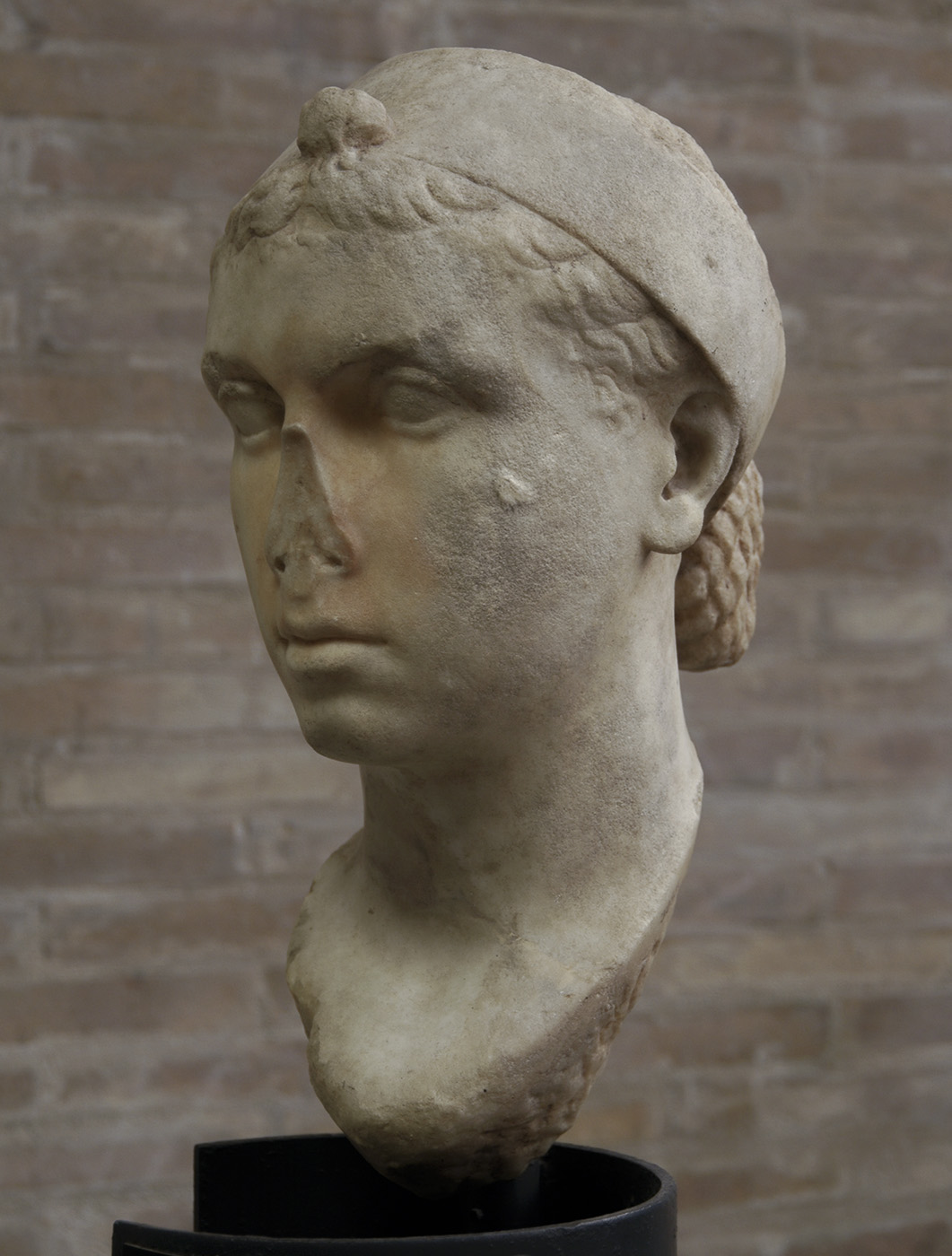 Sculpture
Primary source
Head-Portrait of Cleopatra VII (Vatican Bust)
c. 40-30 BCE
Ready when you are
Start chatting with Cleopatra now.
20 messages free · No credit card · Available in 50+ languages.