


Primary sourceBook
Cratylus
Plato
Plato's dialogue examining whether names of things are natural or merely agreed upon, shown here in the original Greek.
This dialogue was written by Plato and features his teacher Socrates discussing the nature of names and language.
About this source
What it is
The Cratylus is a dialogue written by Plato, featuring Socrates discussing with Hermogenes and Cratylus whether the names we give to things are natural or simply conventional. This version presents the critical Greek text edited by John Burnet in 1903.
Why it matters
The dialogue is an early exploration of language and meaning, questions still central to linguistics and philosophy today. As with all Plato's dialogues, Socrates is the main speaker, though the ideas are shaped and written down by Plato himself. It shows how Plato used conversation as a tool to explore difficult abstract questions.
Look closer
- Why does Plato write this as a conversation rather than a straightforward argument?
- What might Hermogenes and Cratylus represent by holding opposite views about names?
- Why might questions about language still matter thousands of years later?
This book is part of the curated material that grounds the AI version of Plato on Humy.ai — when students ask about related events, the AI can quote it and cite it.
More Plato sources
Meet the AI Plato →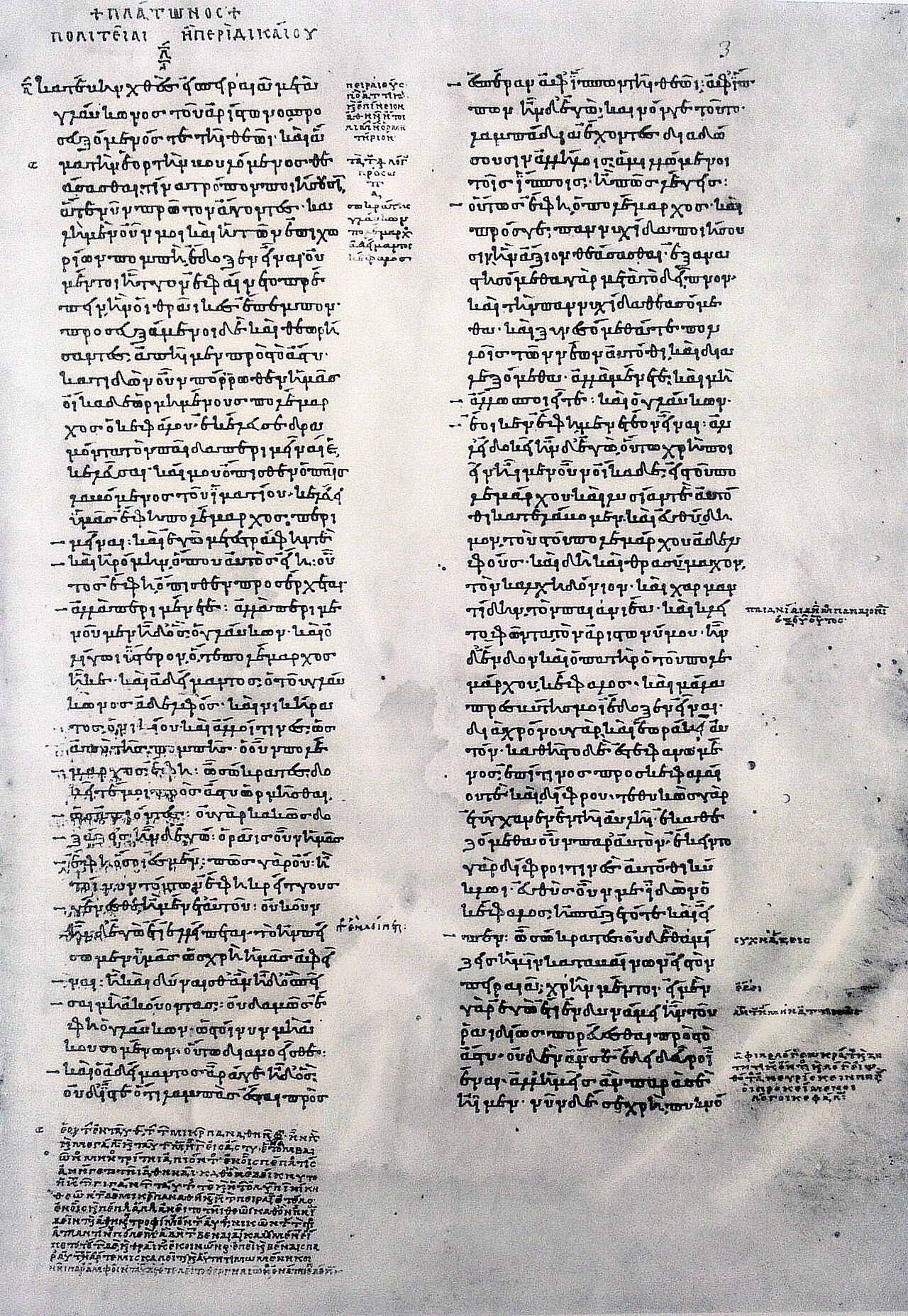 Book
Secondary source
The Republic
Plato · c. 375 BC
 Book
Primary source
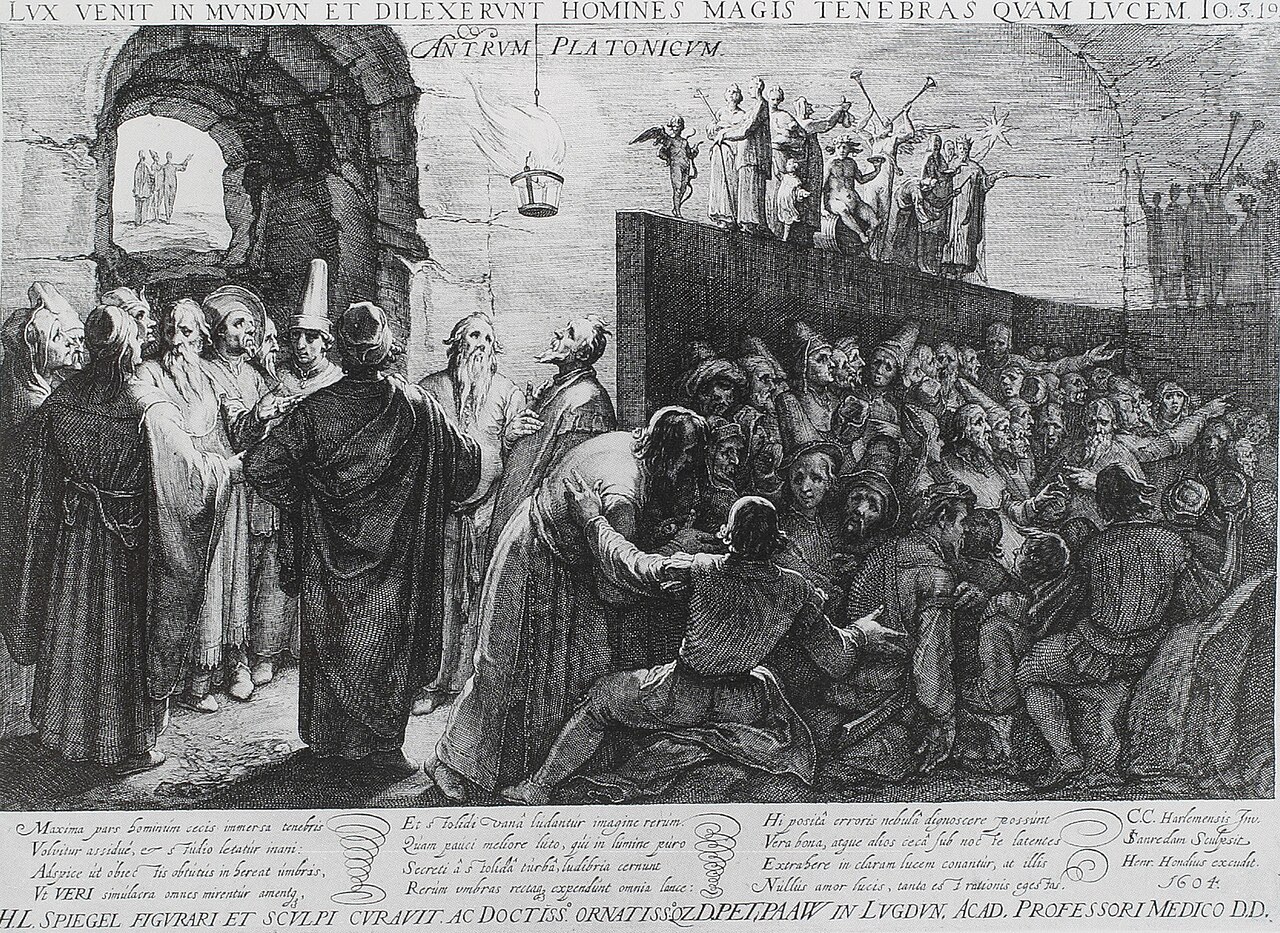
Allegory of the Cave
Plato · c. 400 BC
Secondary source
Apology
Plato · c. 395 BC
 Sculpture
Secondary source
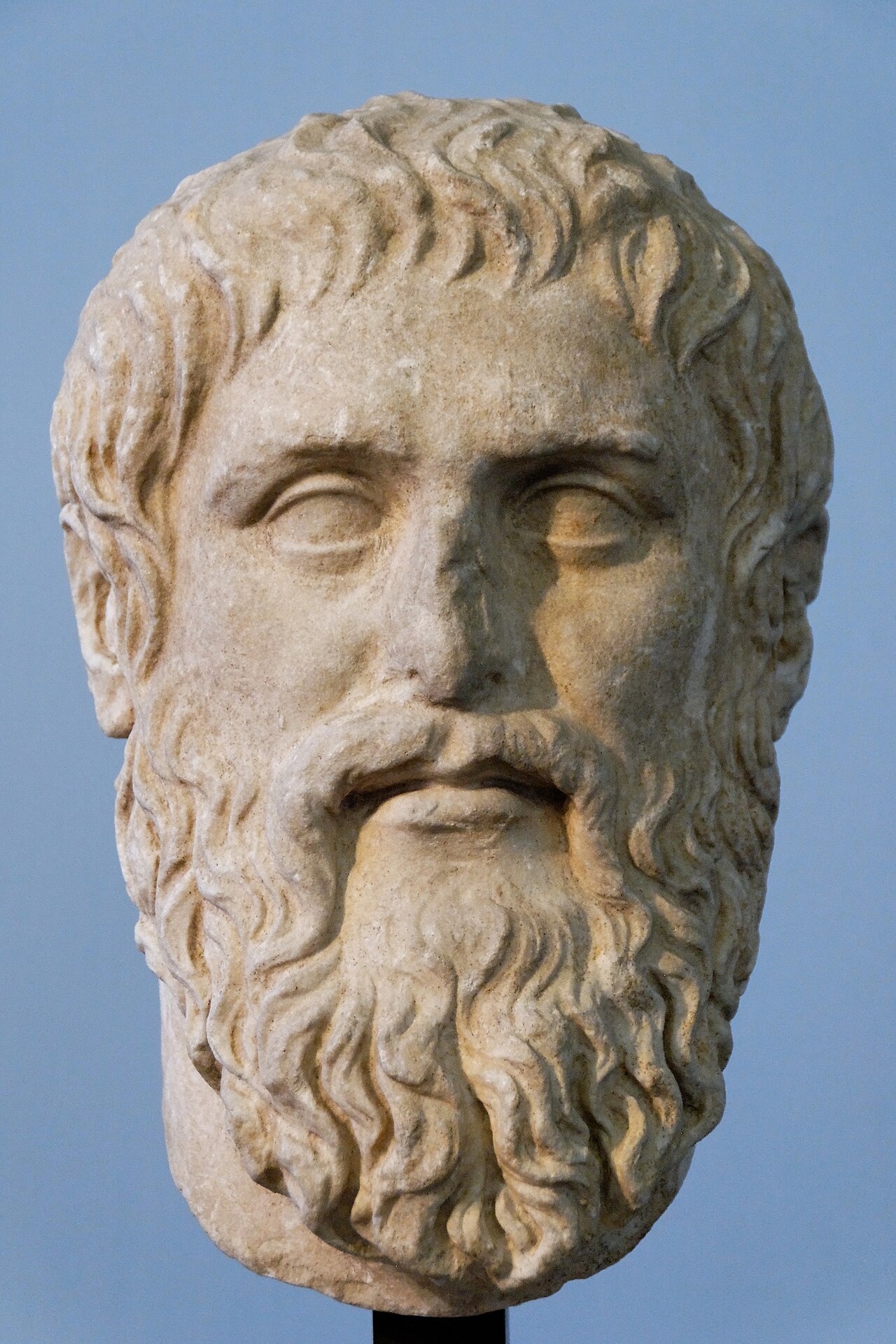
Portrait of Plato
Silanion (original type) · ca. 370 BC (original type); this copy Roman era
 Book
Secondary source
Phaedo
Plato · c. 360 BC
Ready when you are
Start chatting with Plato now.
20 messages free · No credit card · Available in 50+ languages.