


Secondary sourceBook
Cratylus
Plato
A LibriVox volunteer audio reading of Plato's dialogue debating whether names are natural or merely conventional.
Plato's dialogue examining the nature of names and language, part of his broader philosophical inquiries.
About this source
What it is
This is a modern volunteer audio recording of Cratylus, a dialogue written by Plato, read in Benjamin Jowett's English translation. The dialogue discusses whether the names of things arise from convention or reflect some true, natural connection to the things they name.
The recording is a LibriVox volunteer reading, not Plato's own voice, made long after the text was written.
Why it matters
The dialogue shows Plato's interest in language and meaning, a topic that connects to his broader philosophy about knowledge and reality. It reflects the kinds of questions Greek philosophers debated about the relationship between words and the world.
Look closer
- What does it mean to ask whether a name is 'true' rather than just a label people agreed on?
- How might this debate about language connect to Plato's other ideas about knowledge?
- What is the difference between reading Plato's Greek text and hearing this English translation performed aloud?
This book is part of the curated material that grounds the AI version of Plato on Humy.ai — when students ask about related events, the AI can quote it and cite it.
More Plato sources
Meet the AI Plato →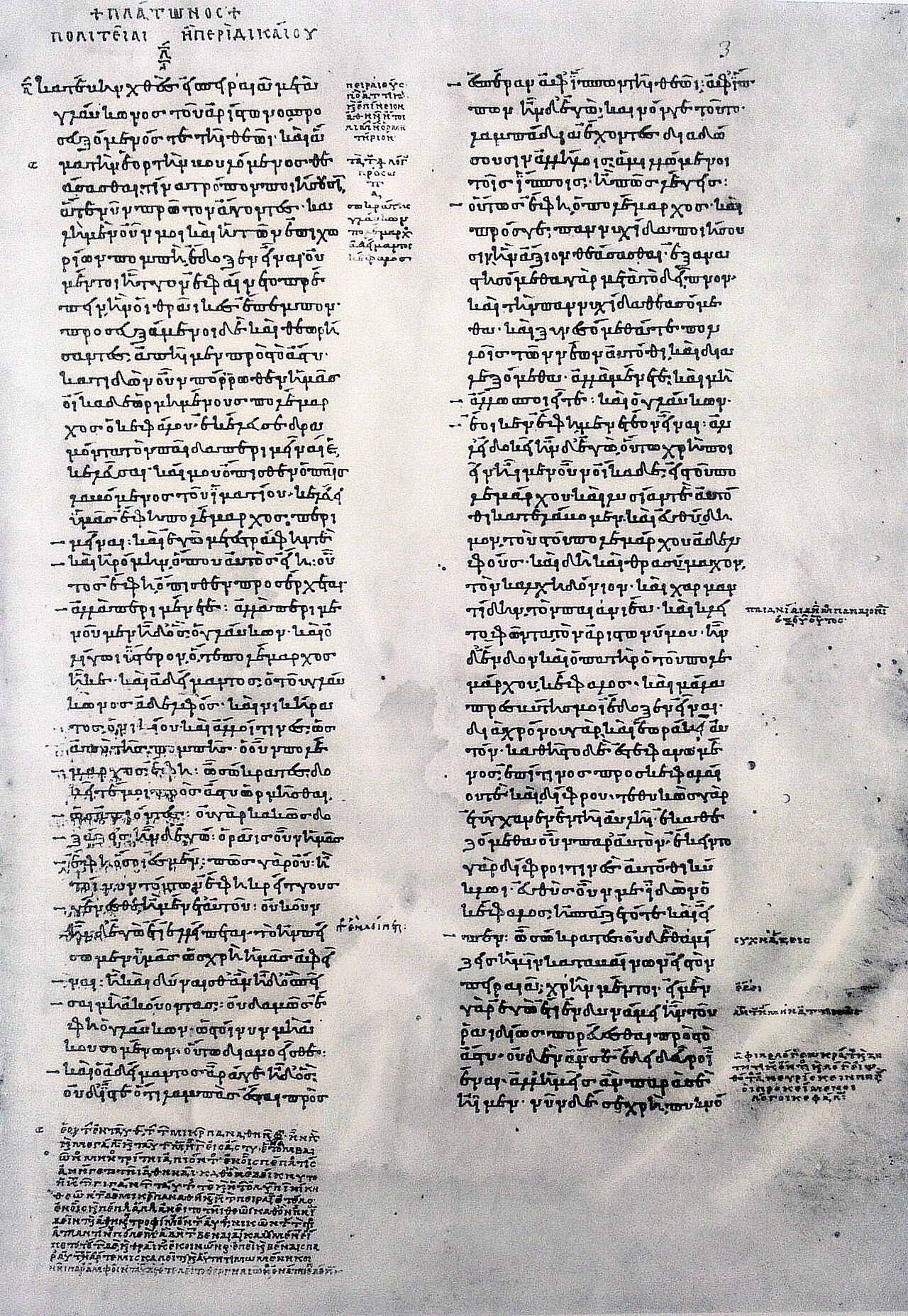 Book
Secondary source
The Republic
Plato · c. 375 BC
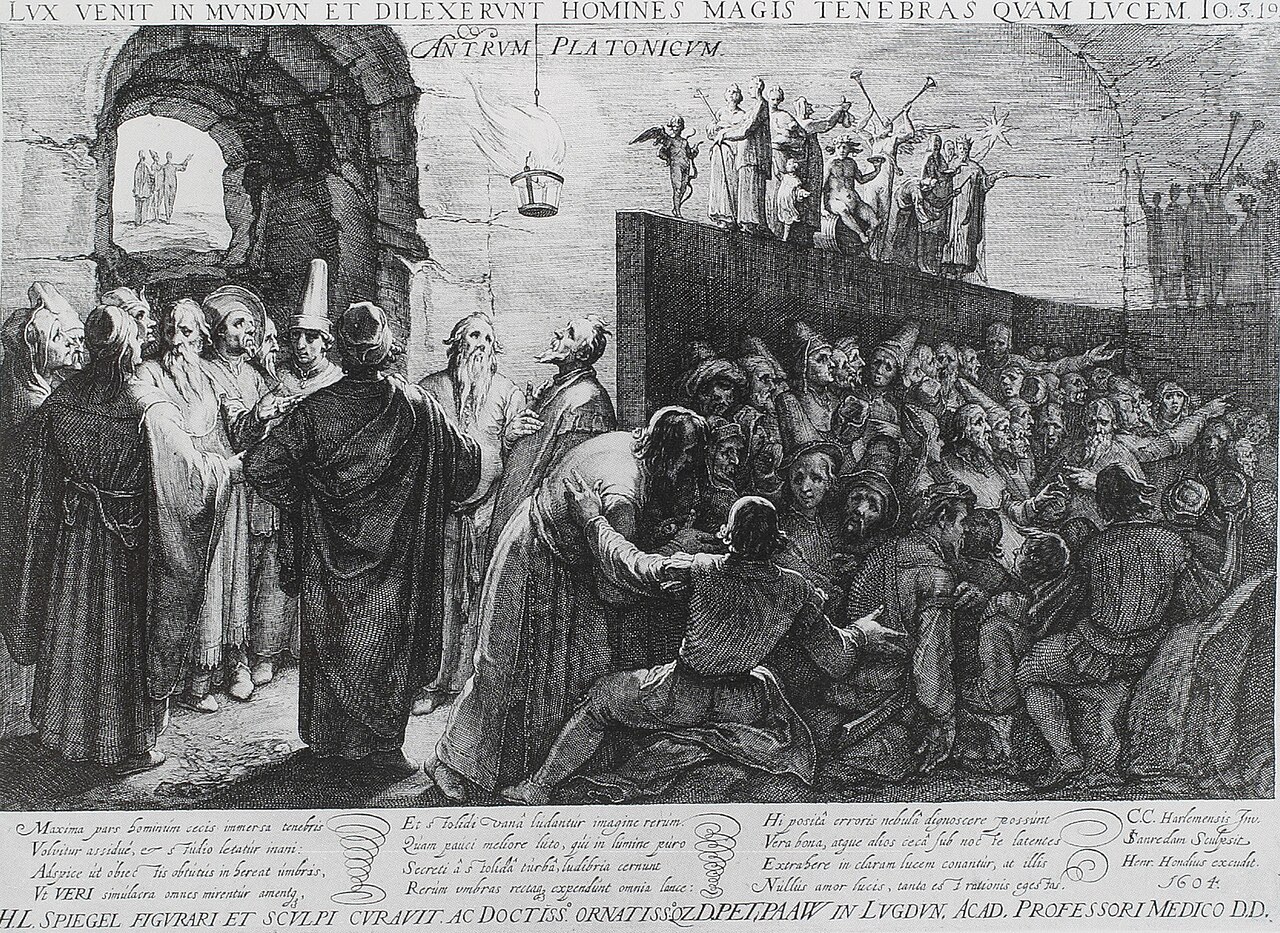 Book
Primary source
Allegory of the Cave
Plato · c. 400 BC
Secondary source
Apology
Plato · c. 395 BC
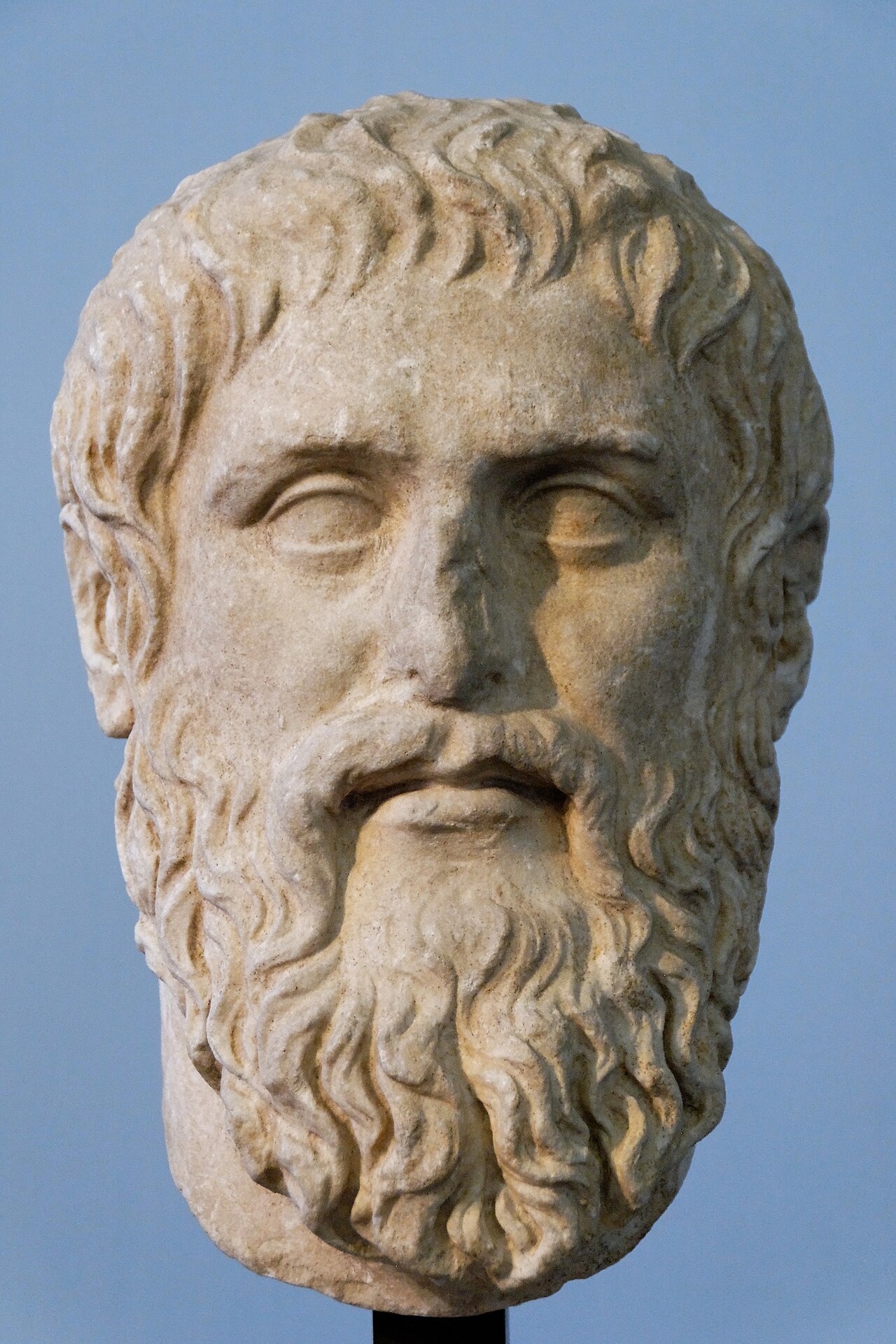 Sculpture
Secondary source
Portrait of Plato
Silanion (original type) · ca. 370 BC (original type); this copy Roman era
 Book
Secondary source
Phaedo
Plato · c. 360 BC
Ready when you are
Start chatting with Plato now.
20 messages free · No credit card · Available in 50+ languages.