


Secondary sourceArtifact
David Hume's Grave
Robert Adam
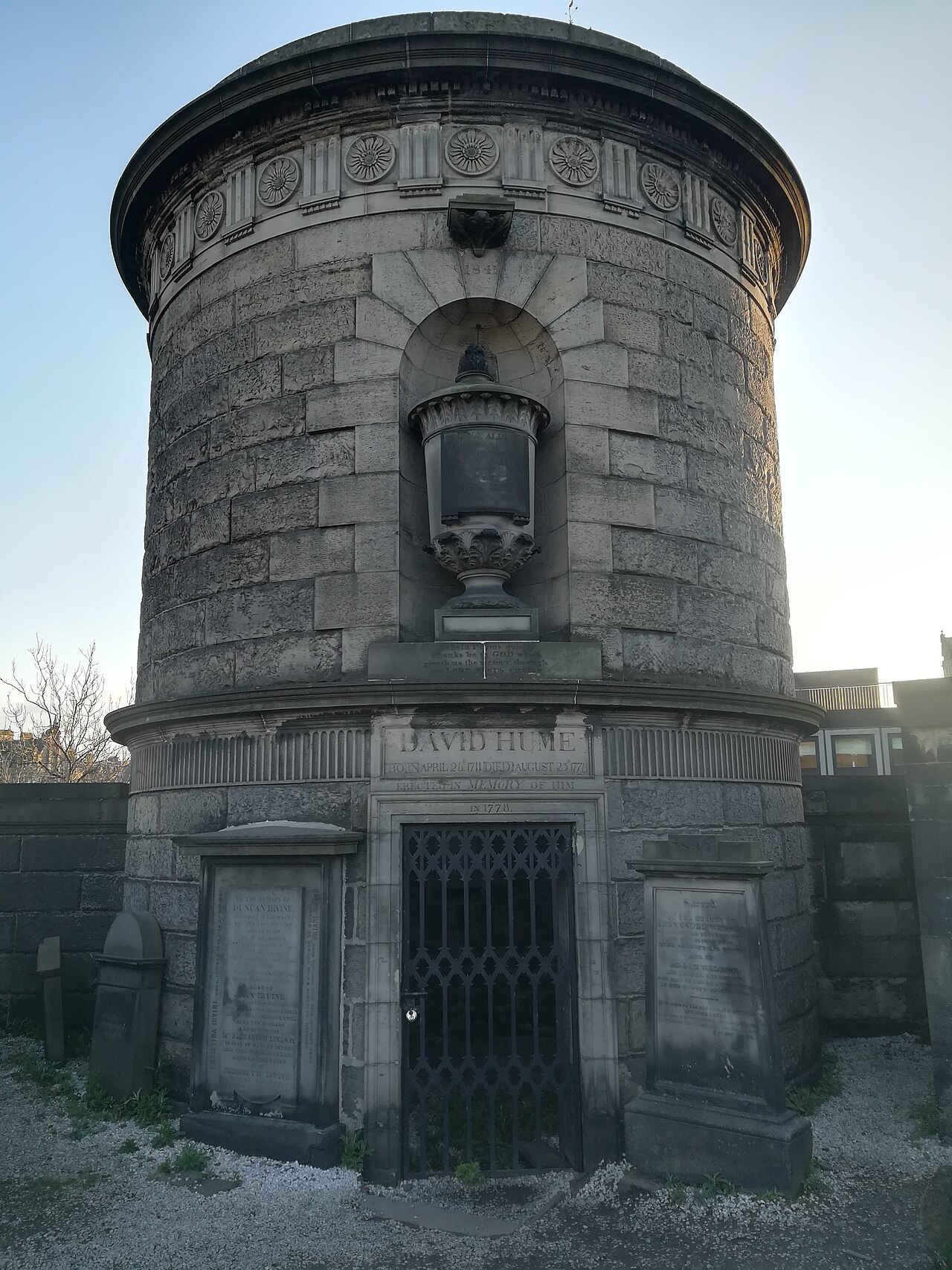
The circular mausoleum on Calton Hill, Edinburgh, designed by Robert Adam and arranged for in Hume's will, marking his burial place.
Hume arranged for this tomb in his own will, making it a direct expression of his wishes and beliefs about death.
About this source
What it is
This photograph shows the cylindrical stone mausoleum with a domed top and classical frieze that holds David Hume's grave. It stands on Calton Hill in Edinburgh, designed by the architect Robert Adam, and was provided for in Hume's own will.
Why it matters
The monument is a piece of the Scottish Enlightenment itself: Hume, a leading thinker of his age, and Robert Adam, one of its most famous architects, are connected through this structure. Hume's wish to be buried this way, without religious imagery, reflects his famously skeptical views on religion and the afterlife.
Look closer
- What does the plain, classical design of the tomb (rather than religious symbols) suggest about Hume's beliefs?
- Why might Hume have planned his own memorial in his will?
- What does the inscription 'DAVID HUME' alone, without further description, tell you about how he wanted to be remembered?
This artifact is part of the curated material that grounds the AI version of David Hume on Humy.ai — when students ask about related events, the AI can quote it and cite it.
More David Hume sources
Meet the AI David Hume →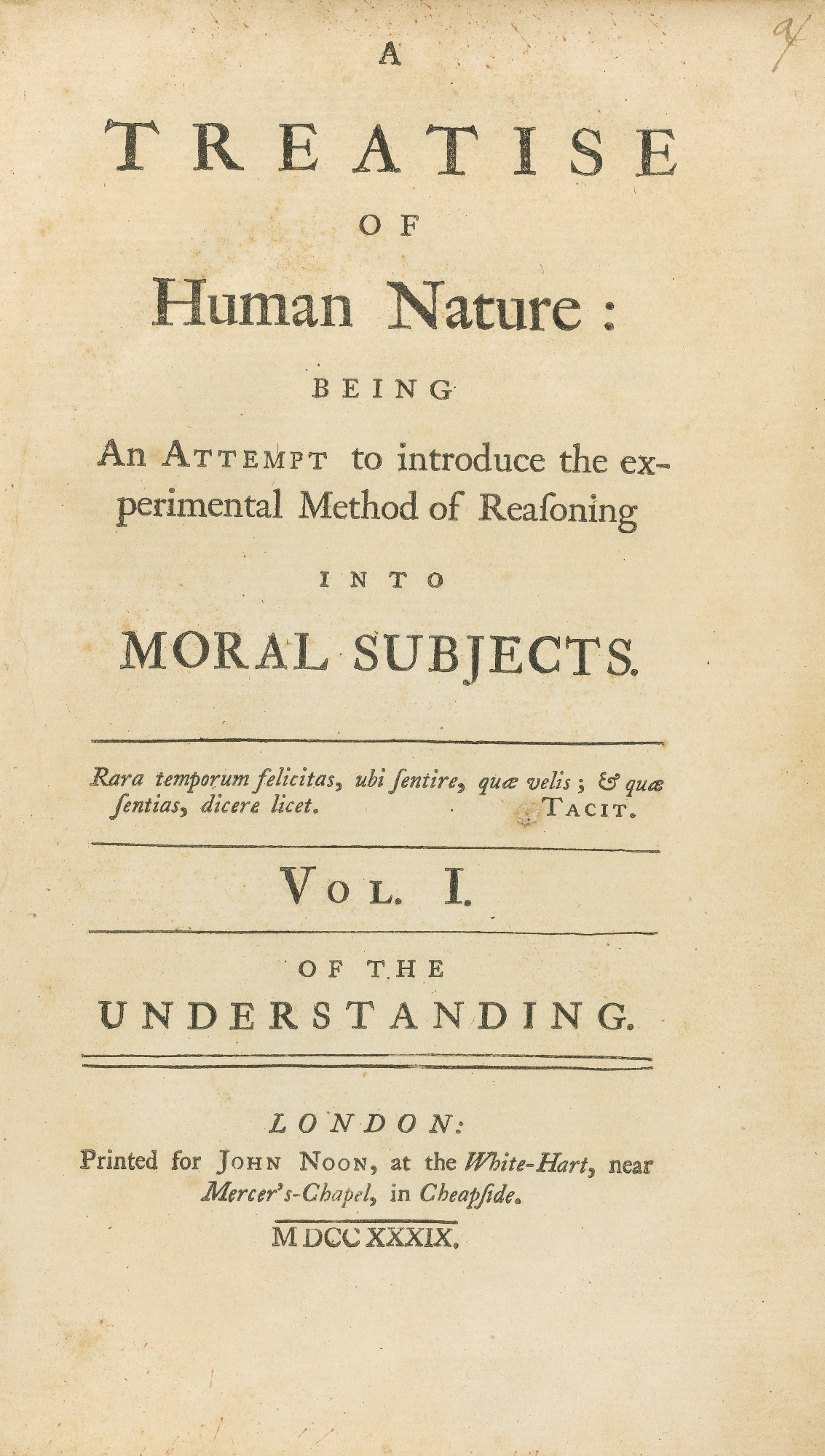 Book
Primary source
A Treatise of Human Nature
David Hume · 1739-1740
 Book
Primary source
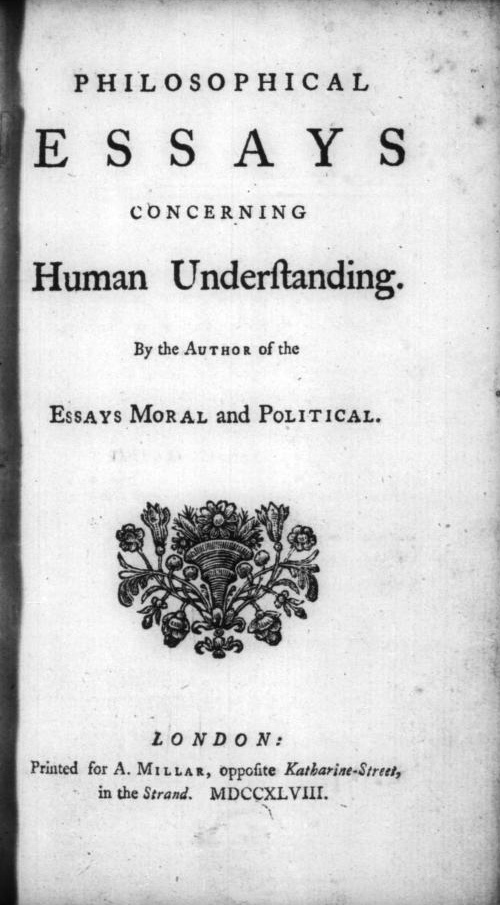
Philosophical Essays Concerning Human Understanding
David Hume · 1748
 Book
Primary source
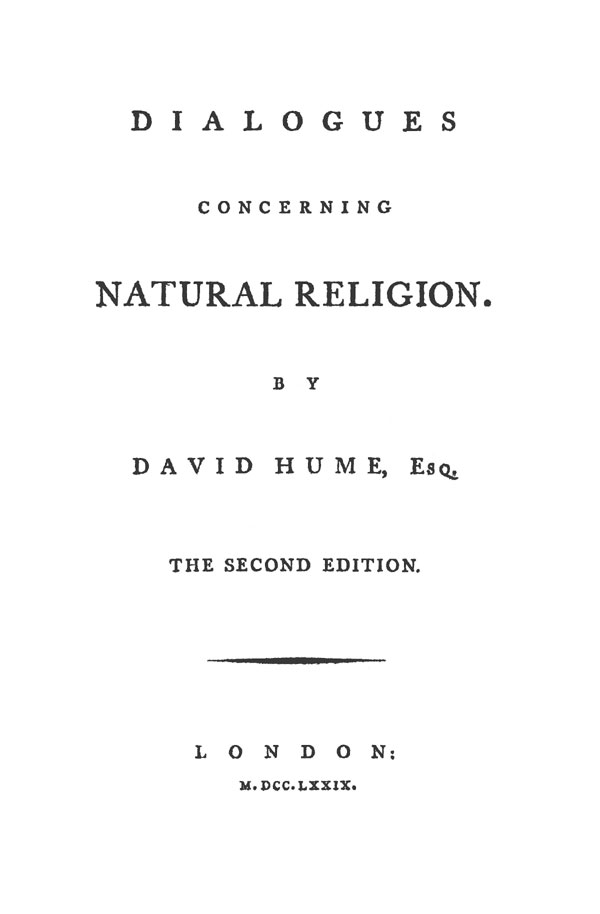
Dialogues Concerning Natural Religion
David Hume · 1779
Primary source
Of Miracles
David Hume · 1748
Primary source
An Enquiry Concerning the Principles of Morals
David Hume · 1751
Ready when you are
Start chatting with David Hume now.
20 messages free · No credit card · Available in 50+ languages.