


Primary sourcePainting1796-1798
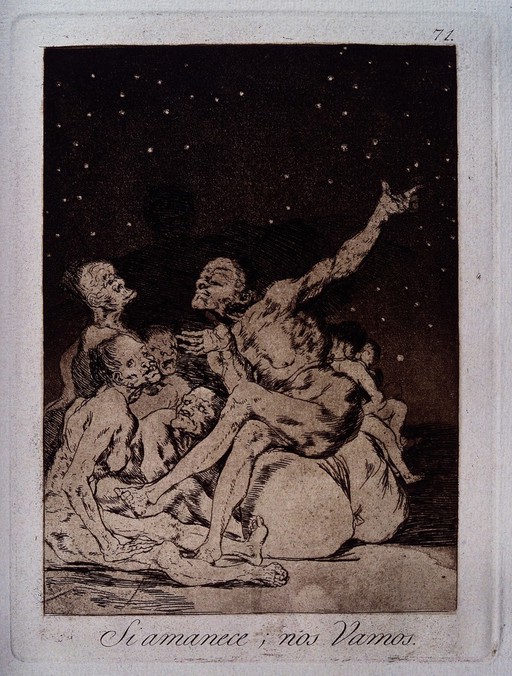
Dawn Breaks Up the Witches' Gathering
Francisco Goya y Lucientes · 1796-1798
A Goya etching from the Caprichos series depicting grotesque figures scattering as dawn arrives, ending a witches' meeting.
Goya etched and captioned this plate as part of his own Caprichos series on witchcraft and folly.
About this source
What it is
Captioned Si amanece, nos vamos, this is plate 74 from Caprichos, etched by Francisco Goya around 1796–1798. It shows gaunt, grotesque figures gathered under a starry night sky, one pointing upward as dawn appears to be breaking up their meeting. The print is held by the Wellcome Collection.
Why it matters
This plate closes out a sequence of witchcraft images within the Caprichos, using the breaking of dawn as a symbol of reason dispersing superstition and darkness. Goya's series as a whole reflects Enlightenment-era criticism of ignorance and irrational belief, themes that occupied many thinkers in Goya's Spain. The print shows how he used folklore imagery to make a broader point about reason and darkness.
Look closer
- Why might dawn be used as a symbol here?
- What does the pointing gesture suggest is happening?
- How does Goya's use of darkness and shadow affect the mood of the scene?
This painting is part of the curated material that grounds the AI version of Francisco Goya on Humy.ai — when students ask about related events, the AI can quote it and cite it.
More Francisco Goya sources
Meet the AI Francisco Goya →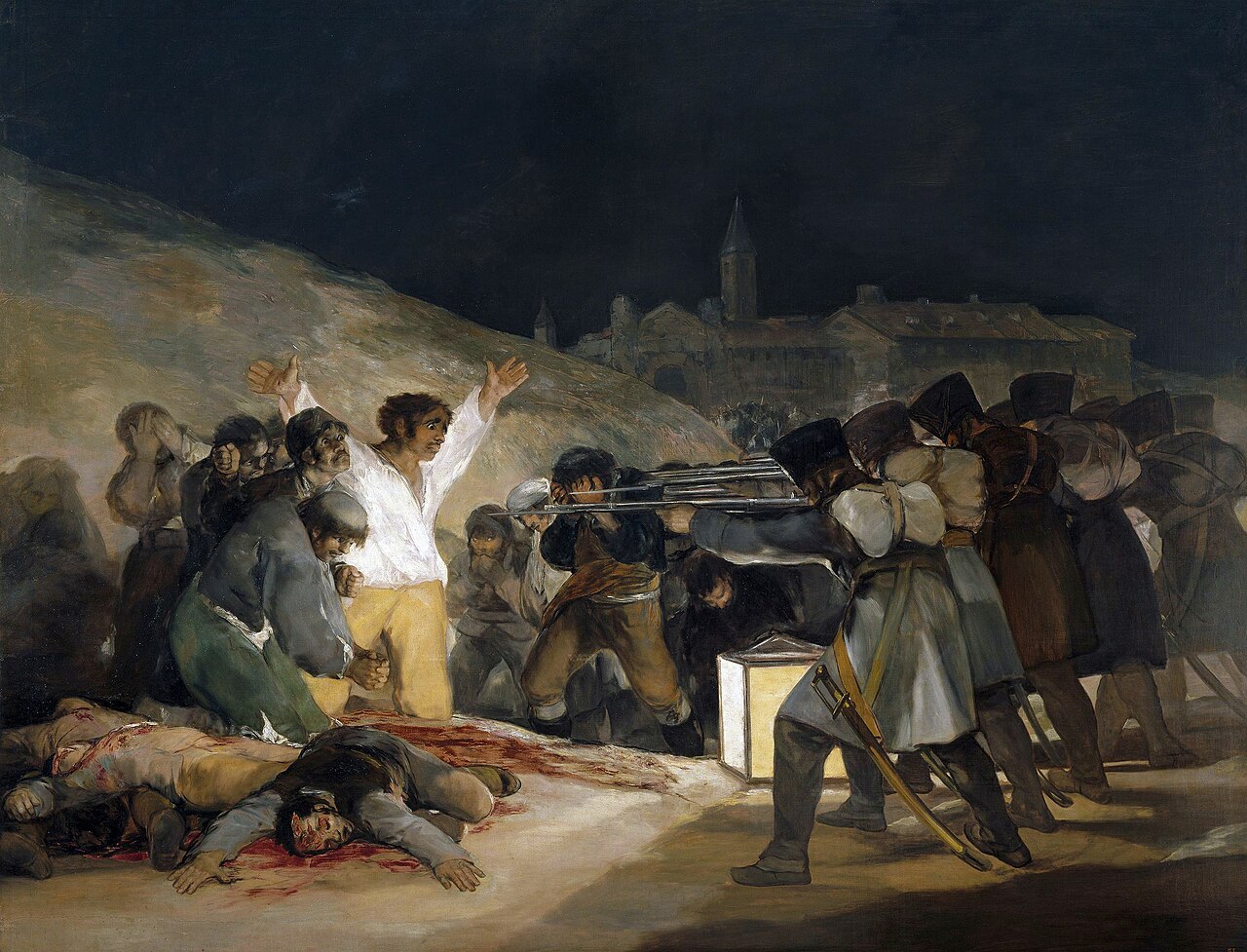 Painting
Secondary source
The Third of May 1808
Francisco Goya · 1814
 Painting
Primary source
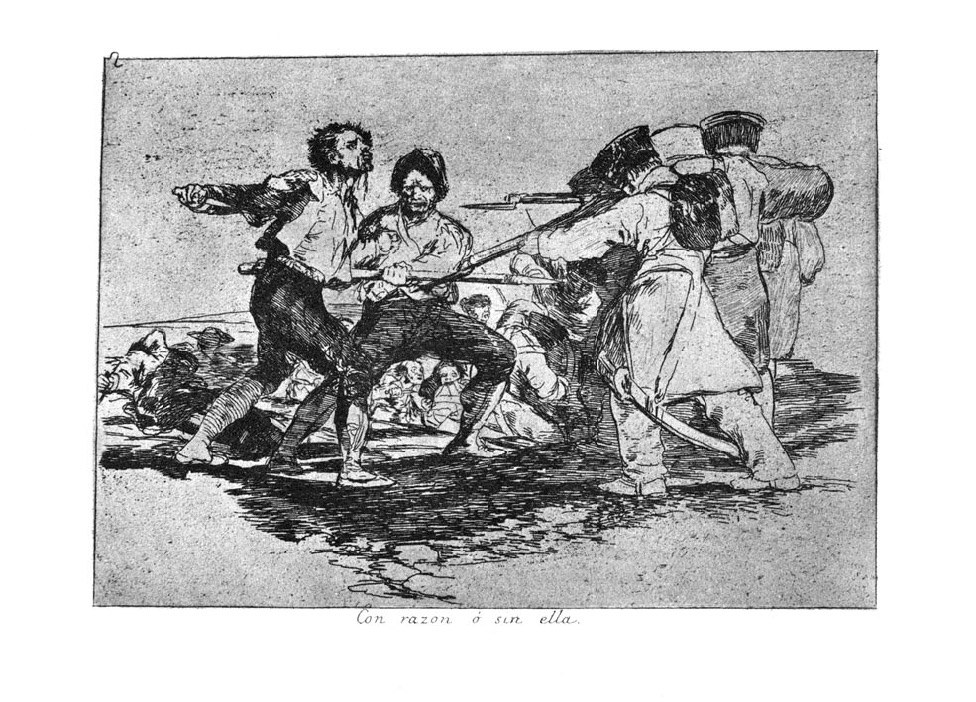
The Disasters of War
Francisco Goya · 1810-1820
 Painting
Primary source
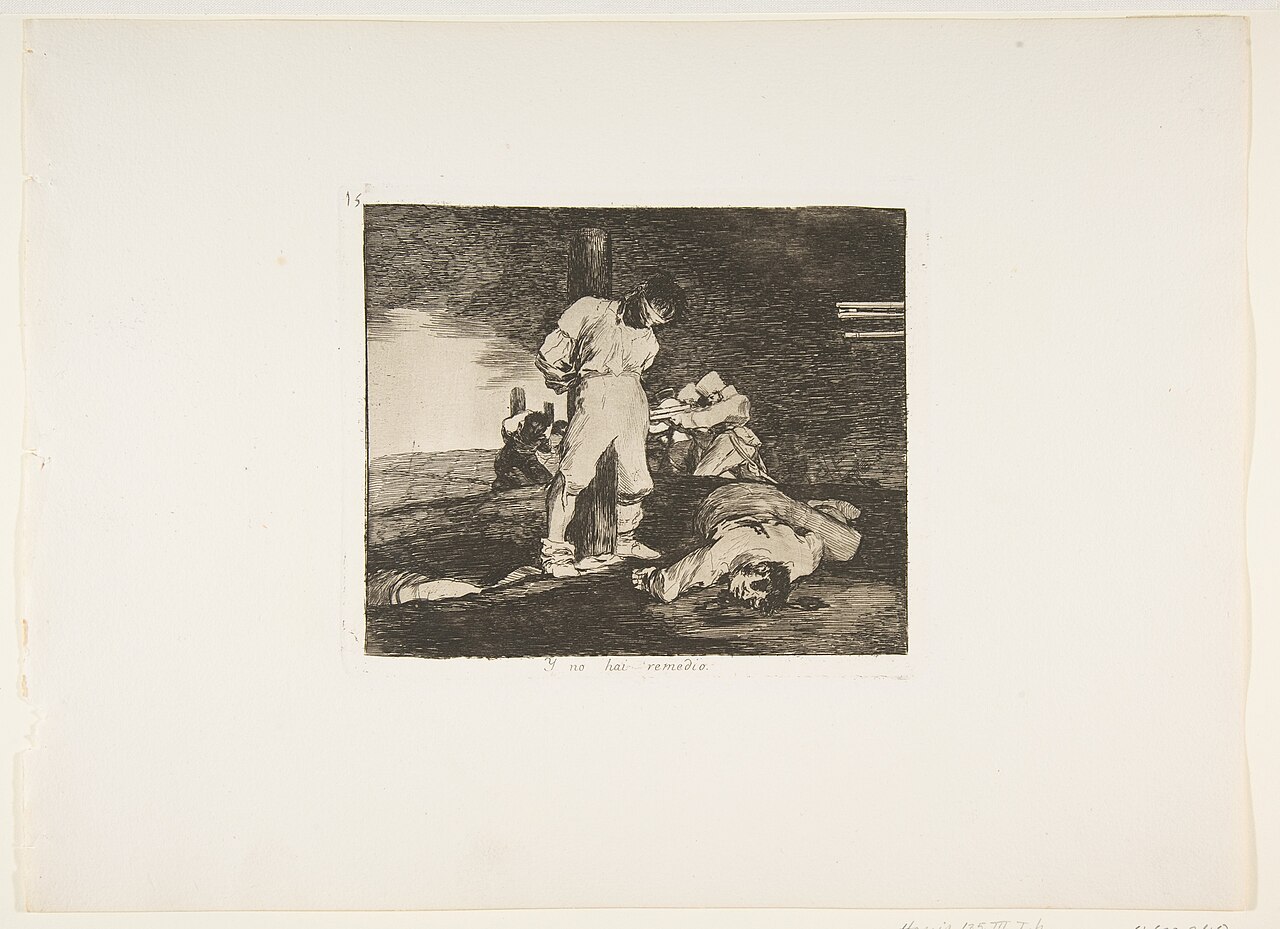
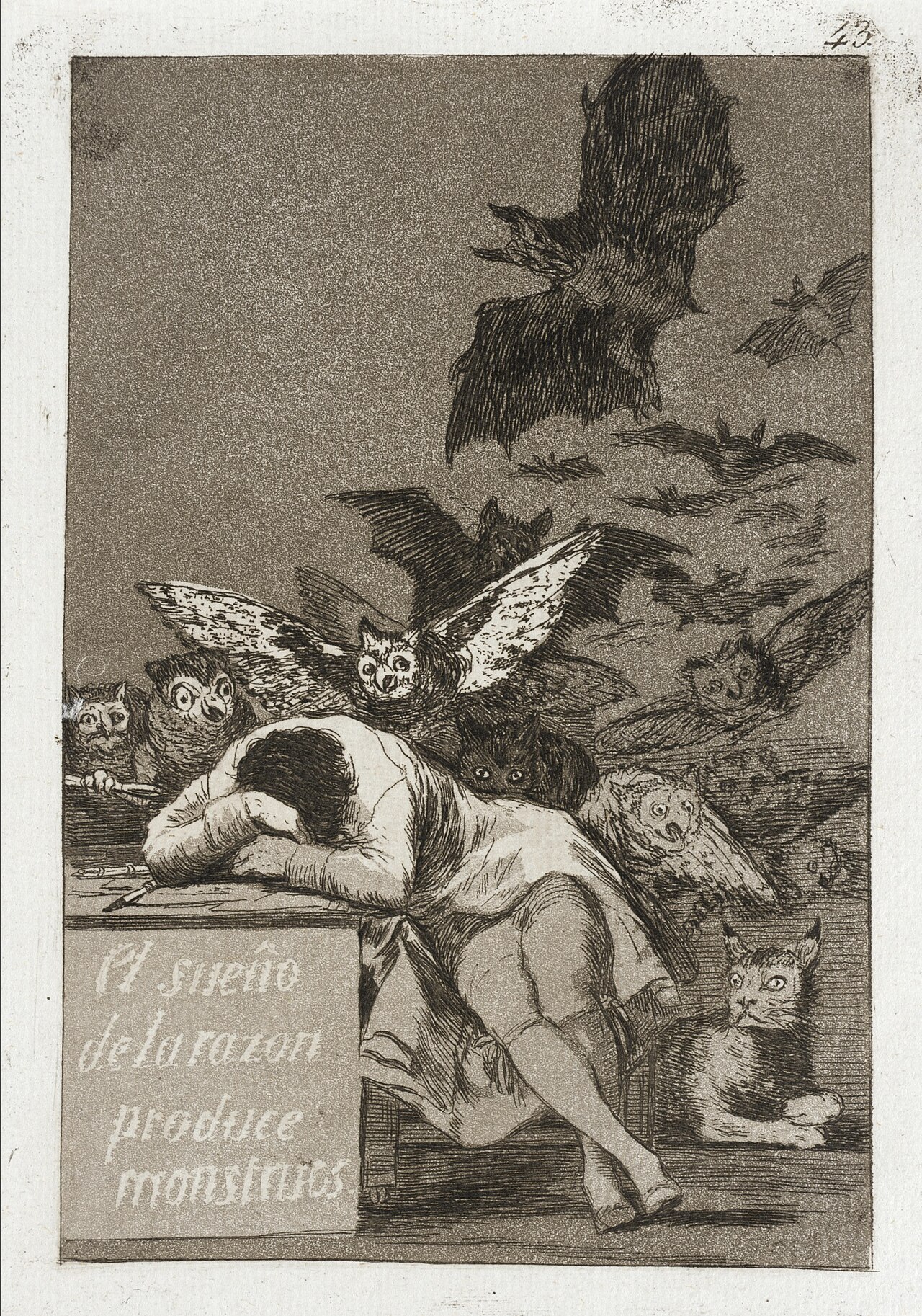
Y no hai remedio
Francisco de Goya · c. 1810-1814 (published 1863)
 Painting
Primary source
Caprichos
Francisco Goya · 1799 (created 1797-1798)
 Painting
Primary source
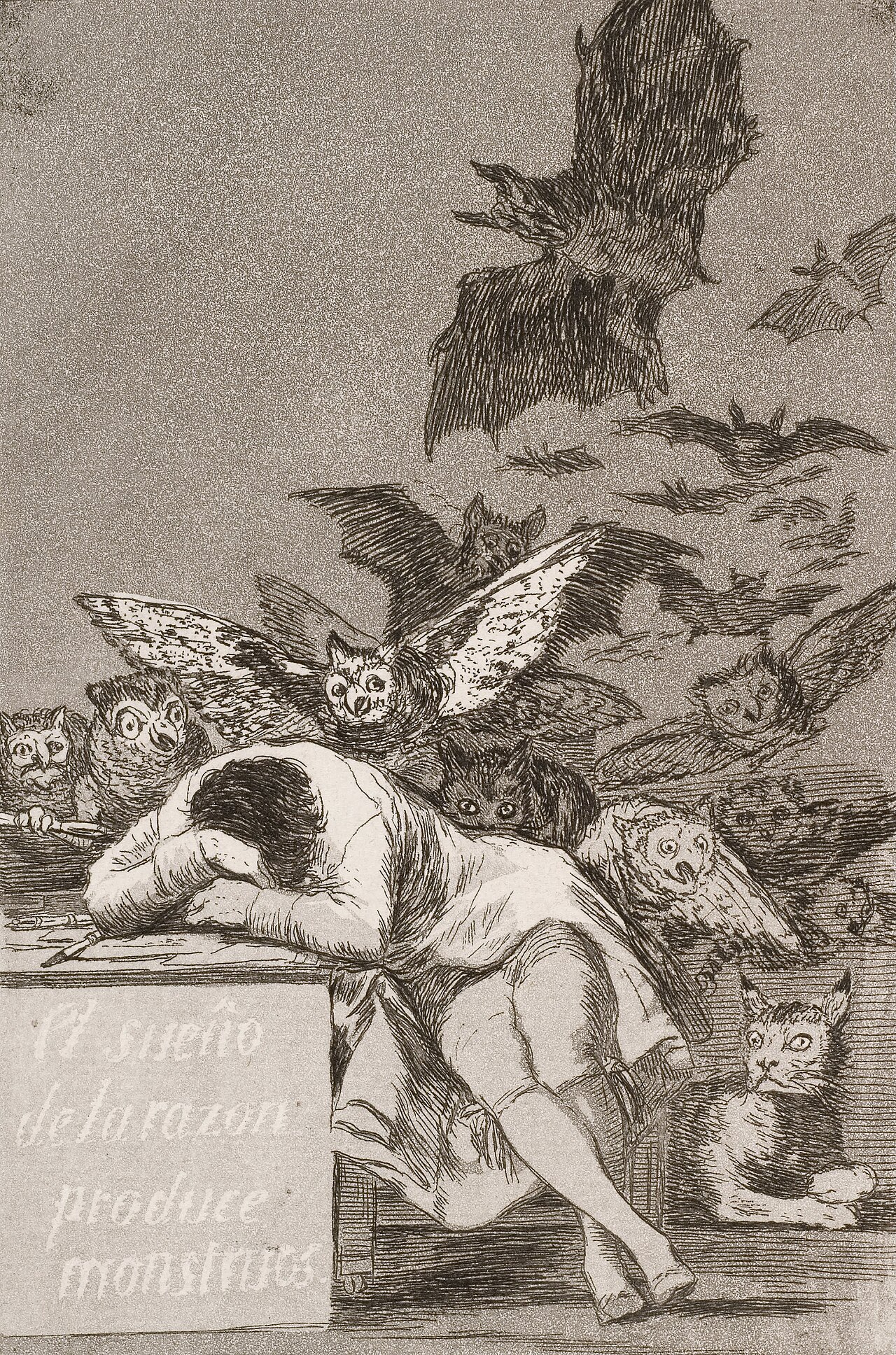
The Sleep of Reason Produces Monsters
Francisco Goya · 1797-1799
Ready when you are
Start chatting with Francisco Goya now.
20 messages free · No credit card · Available in 50+ languages.