


Primary sourceArtifact1837
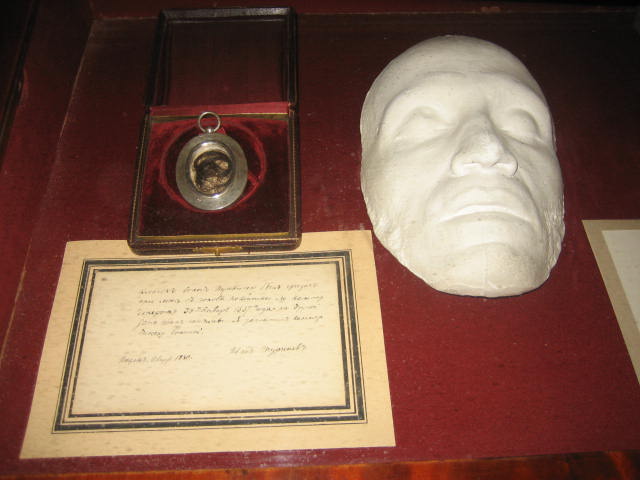
Death Mask of Alexander Pushkin
Samuel Galberg · 1837
A plaster death mask made on the day Pushkin died in 1837, preserving his actual facial features.
This death mask preserves Pushkin's actual features, cast on the day of his death.
About this source
What it is
This death mask was made by the sculptor Samuel Galberg on the day of Pushkin's death in 1837. It is held today at the All-Russian Museum of A.S. Pushkin in St Petersburg, along with a lock of his hair kept in a small silver locket.
Why it matters
Death masks were a common way of preserving a person's exact likeness before photography was widespread. This mask is a direct physical record of Pushkin's face at the time of his death, following the duel that ended his life, and it has become one of the most recognisable relics connected to him.
Look closer
- What can a death mask tell us that a painting or description cannot?
- Why might people have wanted to keep a lock of his hair alongside the mask?
- What does the care taken in preserving these objects suggest about Pushkin's status in Russian culture?
This artifact is part of the curated material that grounds the AI version of Alexander Pushkin on Humy.ai — when students ask about related events, the AI can quote it and cite it.
More Alexander Pushkin sources
Meet the AI Alexander Pushkin →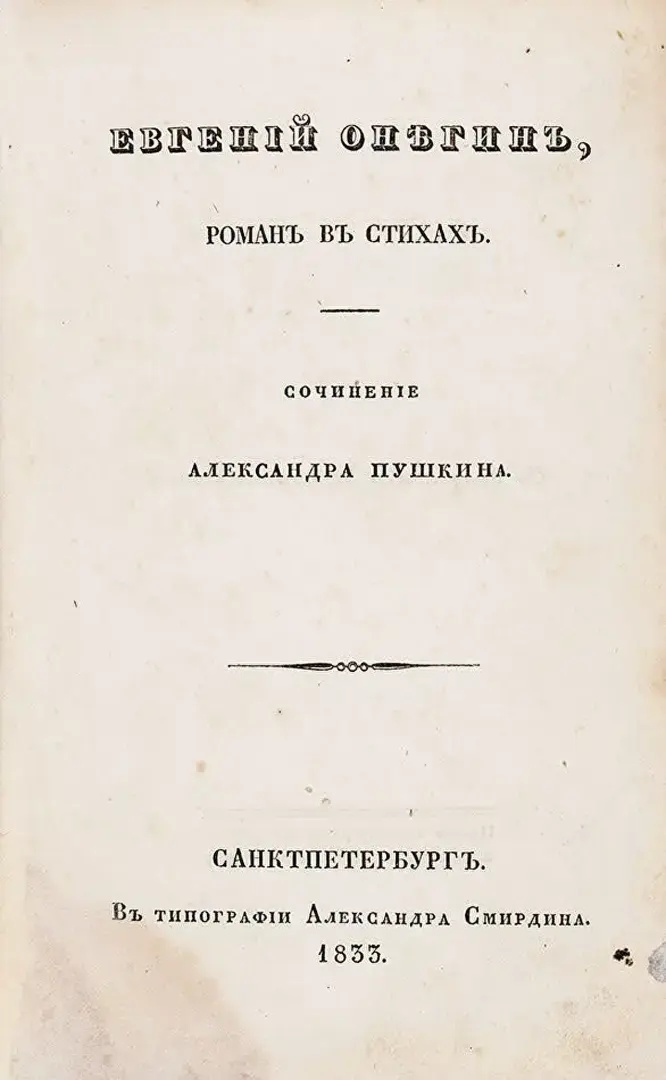 Book
Primary source
Eugene Onegin
Alexander Pushkin · 1823-1831
Primary source
Boris Godunov
Alexander Pushkin · 1825
 Book
Primary source
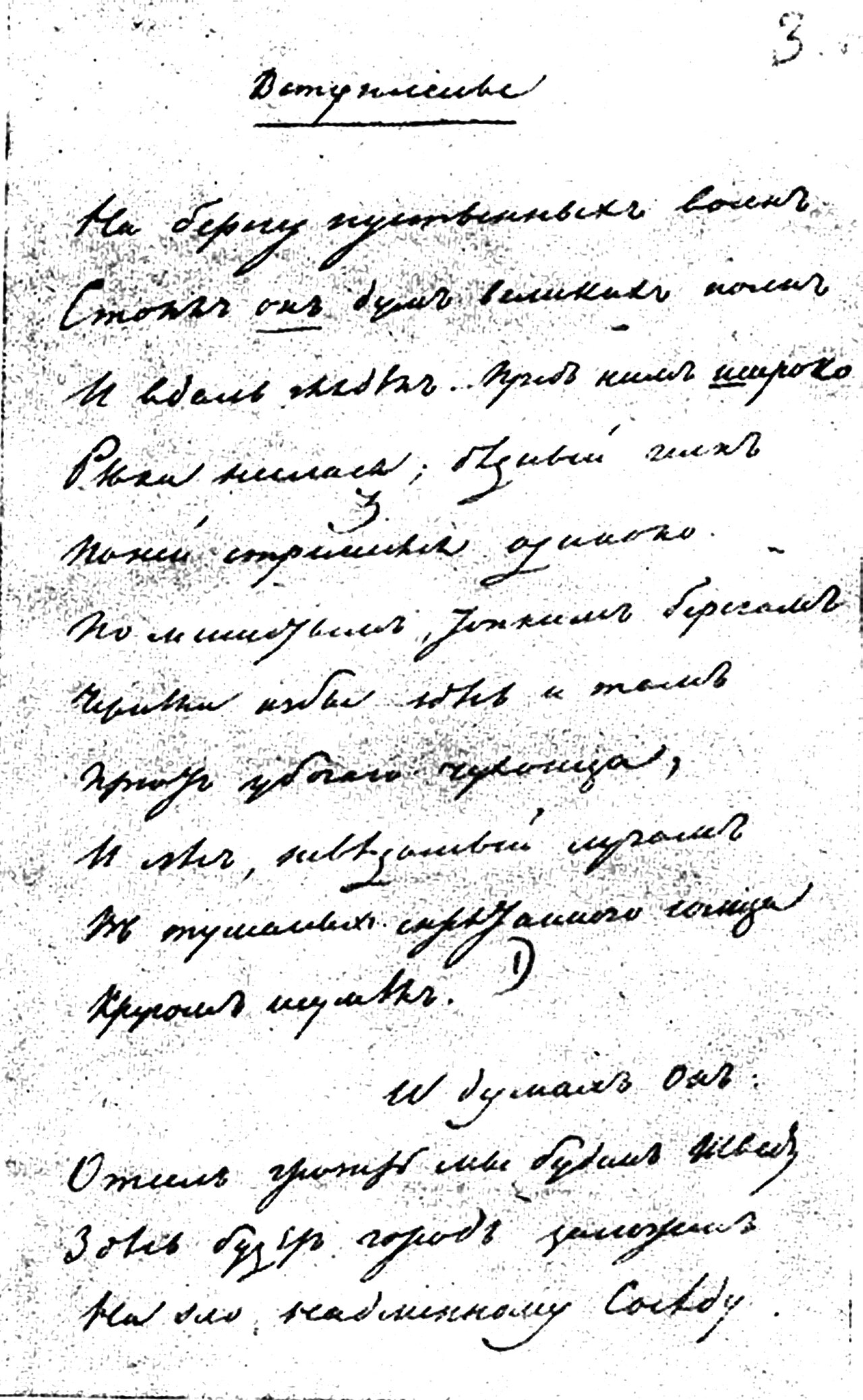
The Bronze Horseman
Alexander Pushkin · 1833
 Book
Primary source
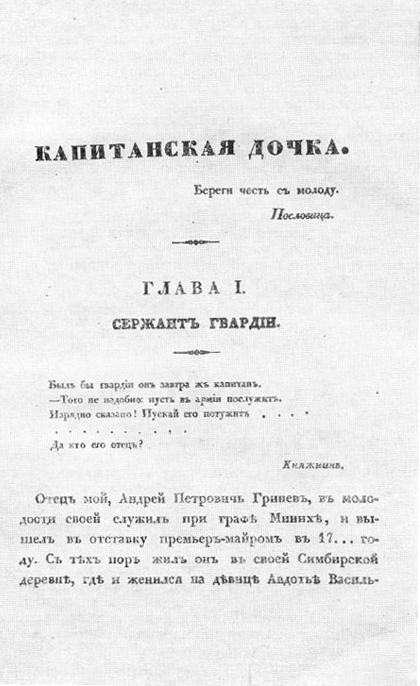
The Captain's Daughter
Alexander Pushkin · 1836
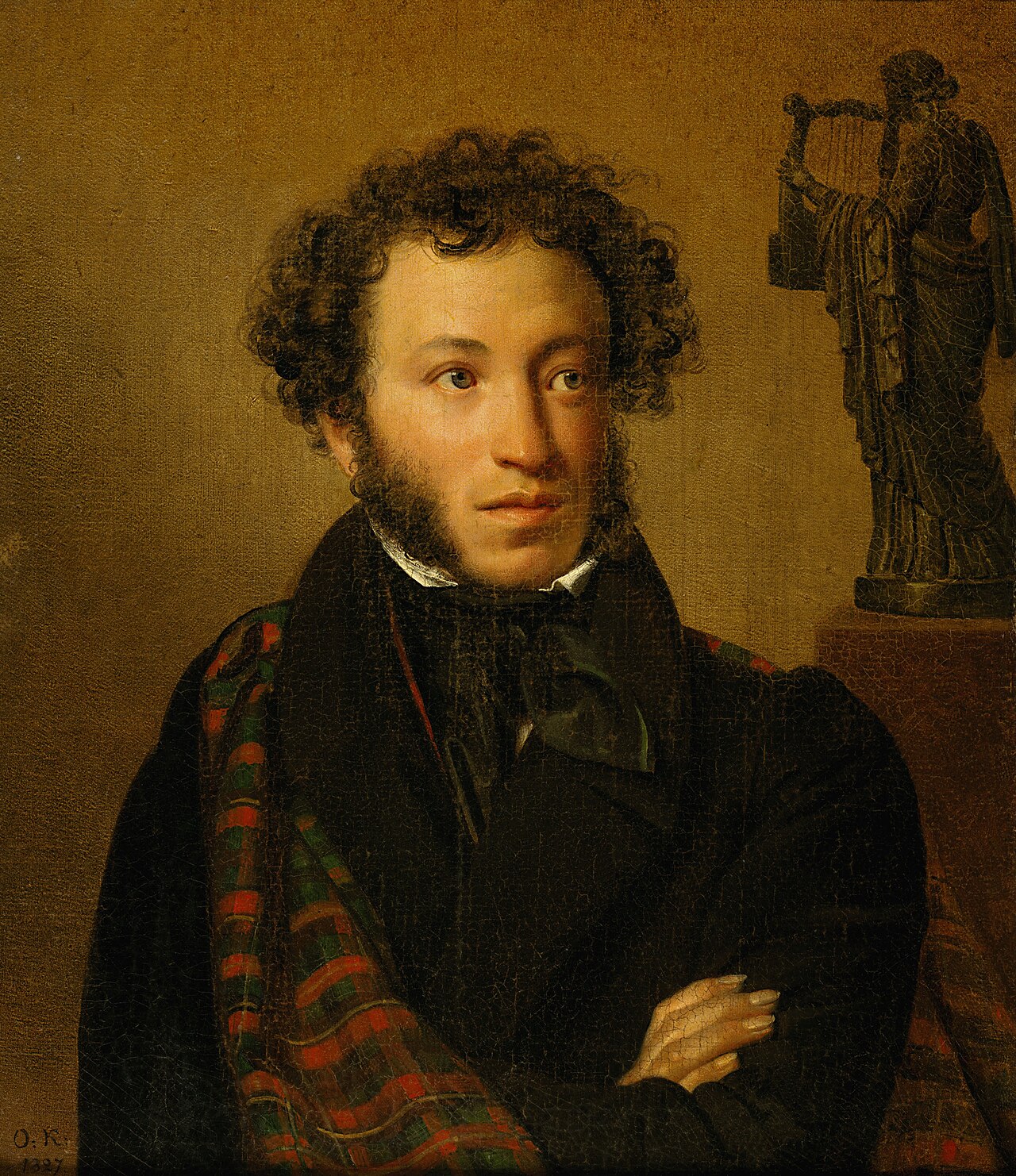 Painting
Primary source
Alexander Pushkin
Orest Kiprensky · 1827
Ready when you are
Start chatting with Alexander Pushkin now.
20 messages free · No credit card · Available in 50+ languages.