


Secondary sourceBook1911
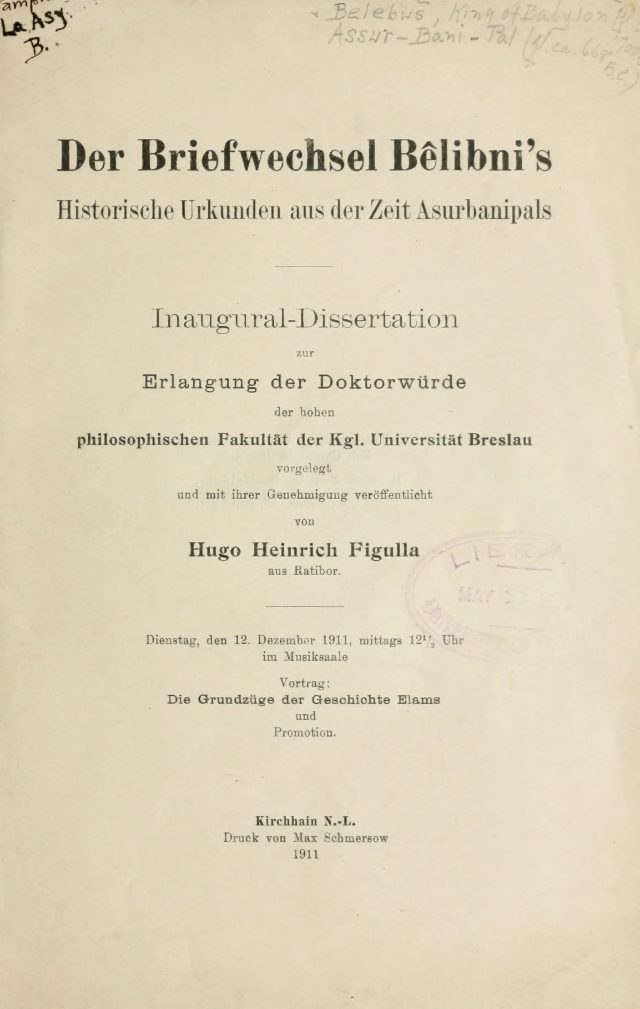
Der Briefwechsel Belibni's, historische Urkunden aus der Zeit Asurbanipals
Hugo Heinrich Figulla · 1911
A 1911 German dissertation translates and comments on letters of Belibni, a commander of Ashurbanipal, about his correspondence with the king.
Gathers letters between Ashurbanipal and his commander Belibni, which concern the king's court and campaigns.
Free Humy account · No credit card · 124,282 sources to read
About this source
What it is
This is a German scholarly work from 1911, printed as a doctoral dissertation at the University of Breslau. Its title means The Correspondence of Belibni, Historical Documents from the Time of Ashurbanipal. It is a German translation with commentary of the letters sent by Belibni, a commander of Ashurbanipal, to the king, and letters he received from the king. The scan was digitized by the Internet Archive in 2010 from a University of Toronto copy. The title page appears to name Hugo Heinrich Figulla, though the scanned text is garbled in places.
Why it matters
The author says the work gathers all the letters of Belibni and is meant as the first part of a series. Because it is a modern translation and study, it is one step removed from the original letters. Still, it gives students a route to the voices of Ashurbanipal's time, and it shows how early twentieth-century scholars read ancient correspondence.
Look closer
- How does the translator's commentary change the way you read the letters, compared with the original text?
- Who published this work, when, and for what purpose?
- Which voices appear in the correspondence, and which are missing?
This book is part of the curated material that grounds the AI version of Ashurbanipal on Humy.ai — when students ask about related events, the AI can quote it and cite it.
More Ashurbanipal sources
Browse all 71 →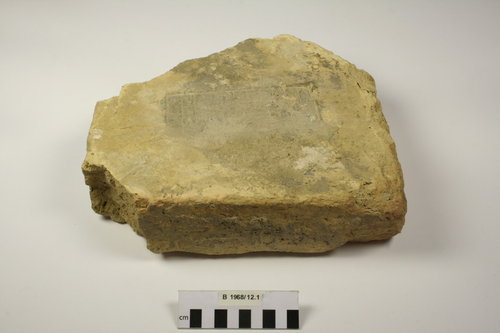 Artifact
Primary source
Baked Brick Naming King Ashurbanipal
7th century BCE
 Sculpture
Primary source
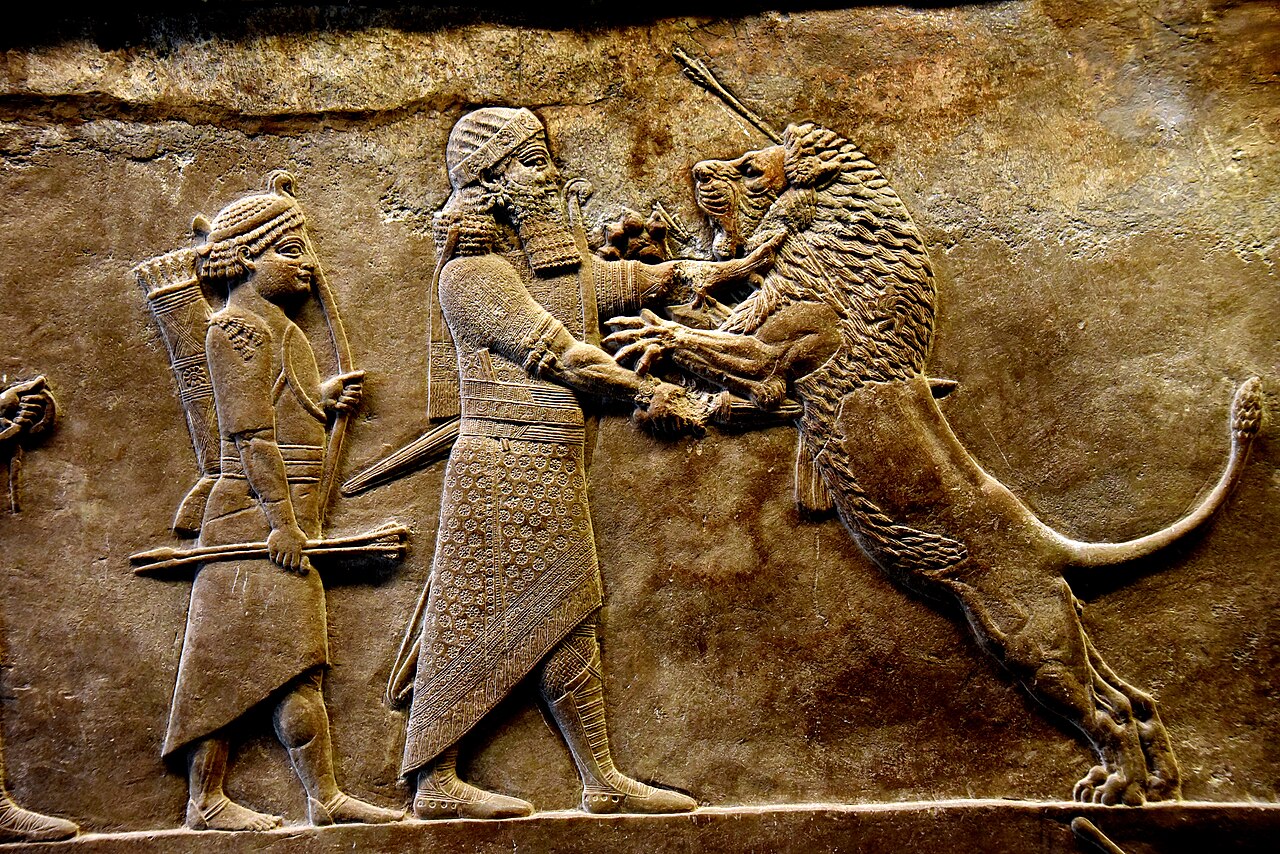
Lion Hunt of Ashurbanipal
Assyrian royal sculptors · c. 645–635 BCE
 Document
Primary source
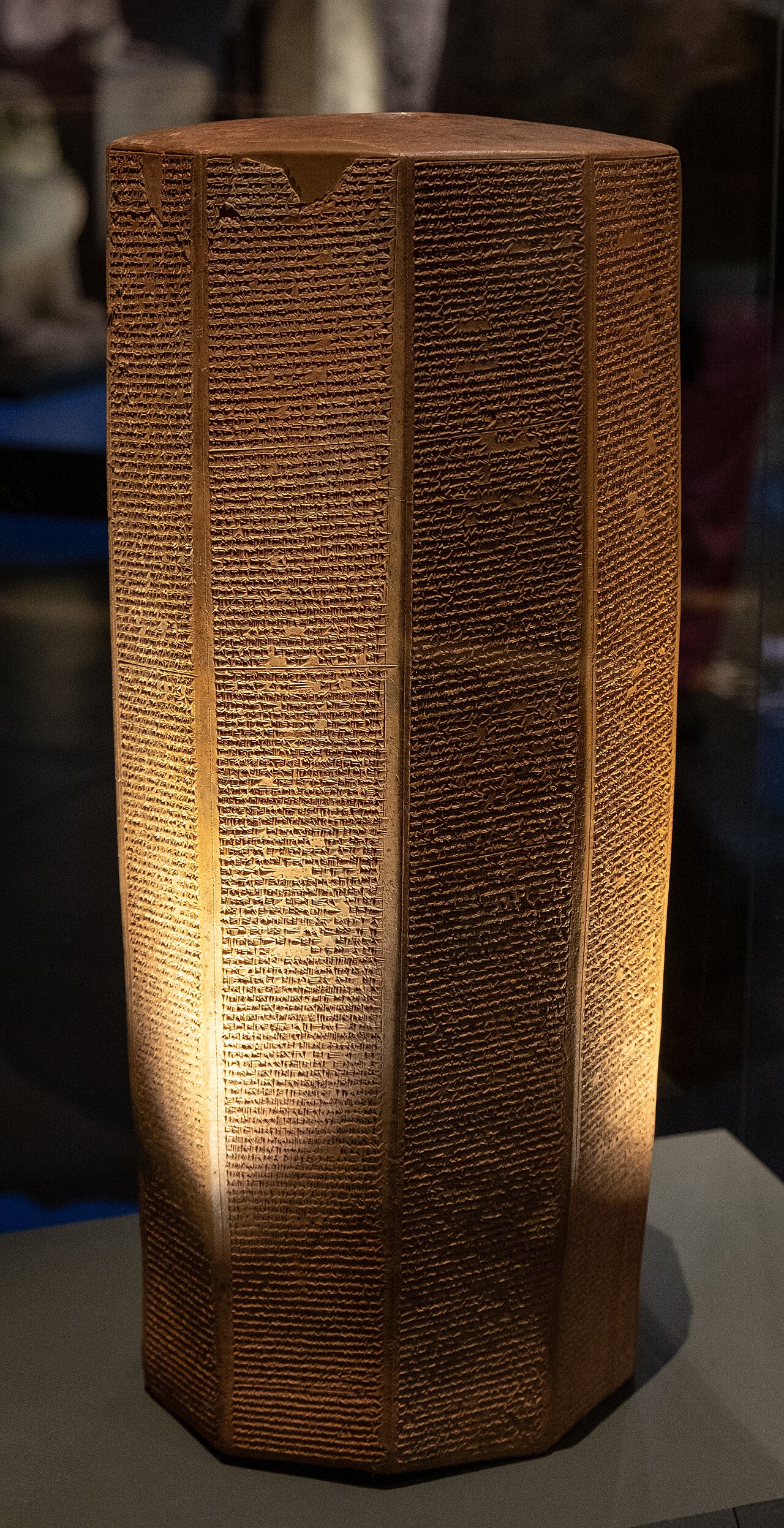
Rassam Prism of Ashurbanipal
643 BCE
 Painting
Secondary source
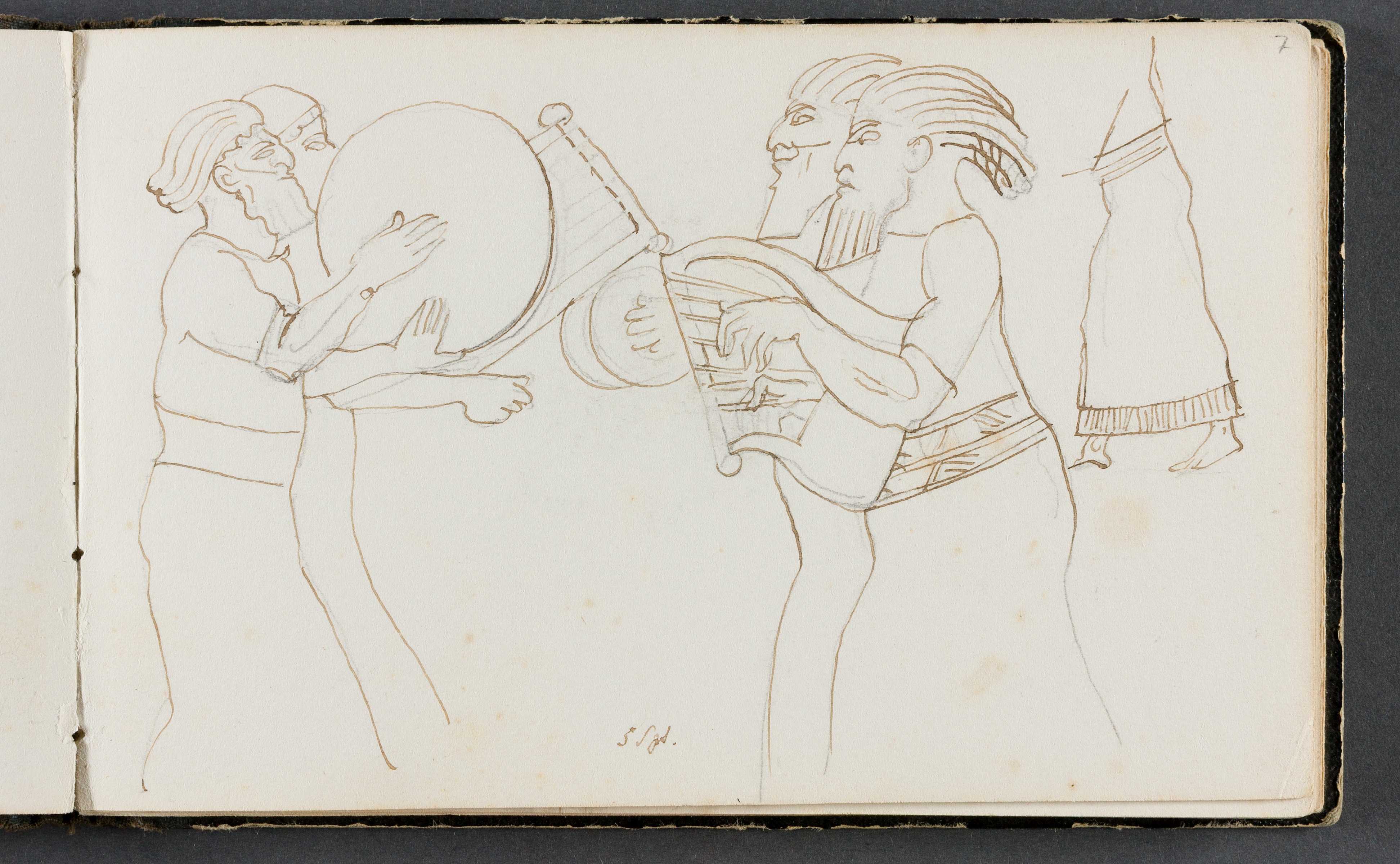
Relief with Musicians from the Palace of Ashurbanipal in Nineveh
Free account
Read every Ashurbanipal source
Sign up free →
Ready when you are
Start chatting with Ashurbanipal now.
20 messages free · No credit card · Available in 50+ languages.