


Primary sourceArtifact
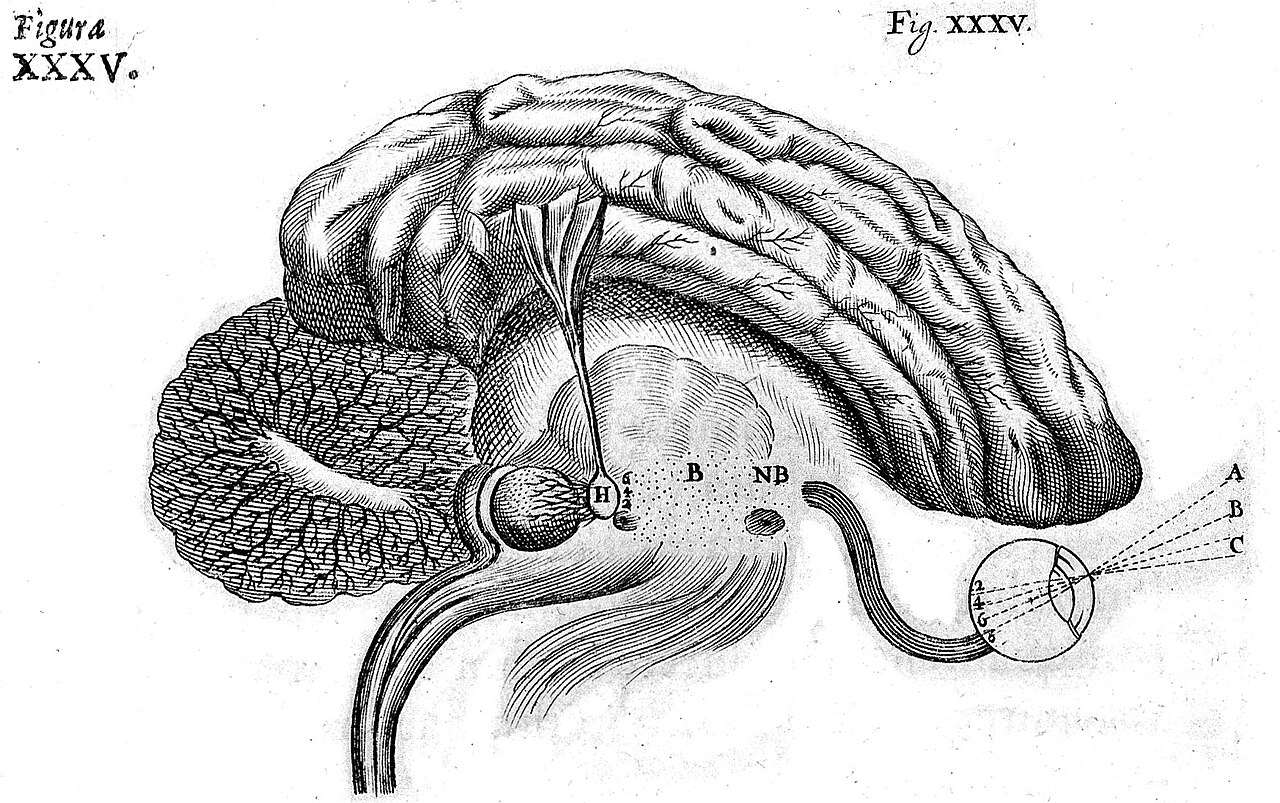
Descartes's diagram of the nervous system and brain
René Descartes
An engraved anatomical diagram from Descartes's physiology showing a side view of the brain and a small eye with rays.
A diagram from Descartes's own physiology showing his theory of the nervous system, one of the ideas he developed about the body.
About this source
What it is
This is an engraved diagram, labeled Figura XXXV, from René Descartes's writings on physiology. It shows a side view of the brain, with the cerebrum, cerebellum and brainstem, and a small eye with rays marked A, B and C. Letters H, B and NB label the central structures. The image is held by a rare books collection and is shared on Wikimedia Commons.
Why it matters
Descartes tried to explain the body as a machine, and his theory of the nerves and brain was an important part of that effort. Diagrams like this one show how seventeenth-century thinkers combined anatomy, mathematics and philosophy. The drawing connects Descartes to anatomists and readers of his time who studied the nervous system through such images.
Look closer
- What parts of the brain and eye can you identify, and what do the letter labels seem to point to?
- Why might Descartes have used a drawing like this to explain how the body works?
- What does the diagram leave out that a modern anatomy drawing would show?
This artifact is part of the curated material that grounds the AI version of Rene Descartes on Humy.ai — when students ask about related events, the AI can quote it and cite it.
More Rene Descartes sources
Meet the AI Rene Descartes →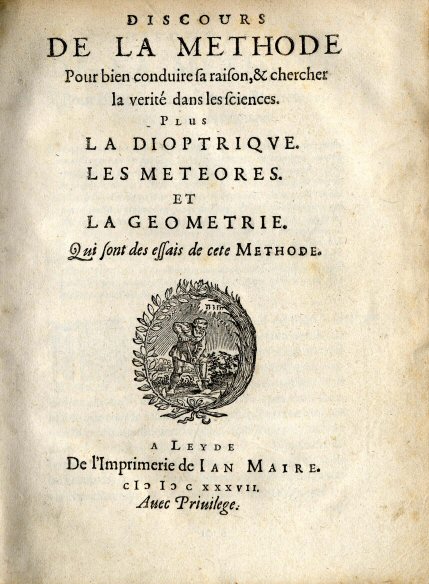 Book
Primary source
Discourse on the Method
René Descartes · 1637
 Book
Primary source
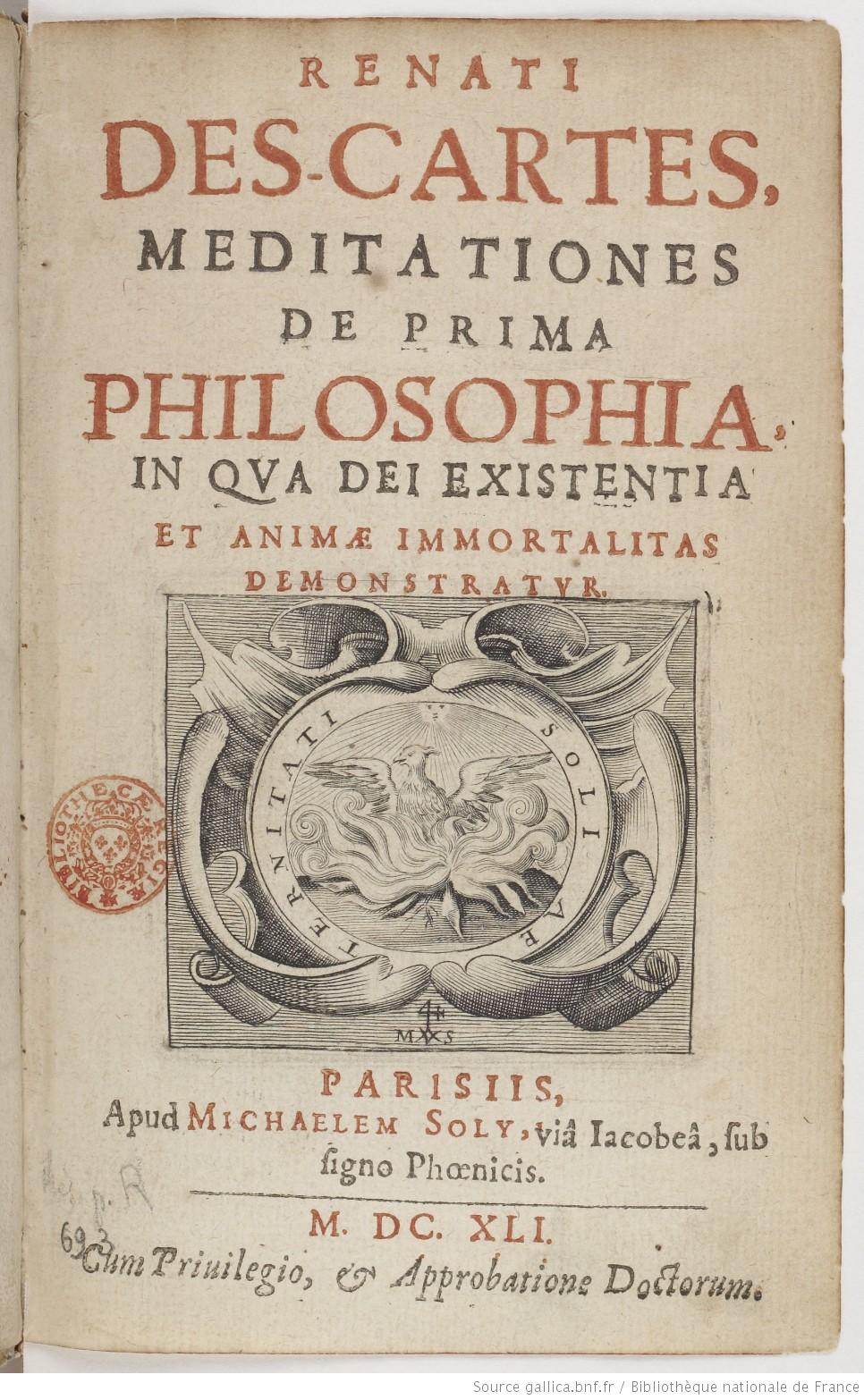
Meditations on First Philosophy
René Descartes · 1641
 Document
Primary source
La Géométrie
René Descartes · 1637
 Painting
Primary source
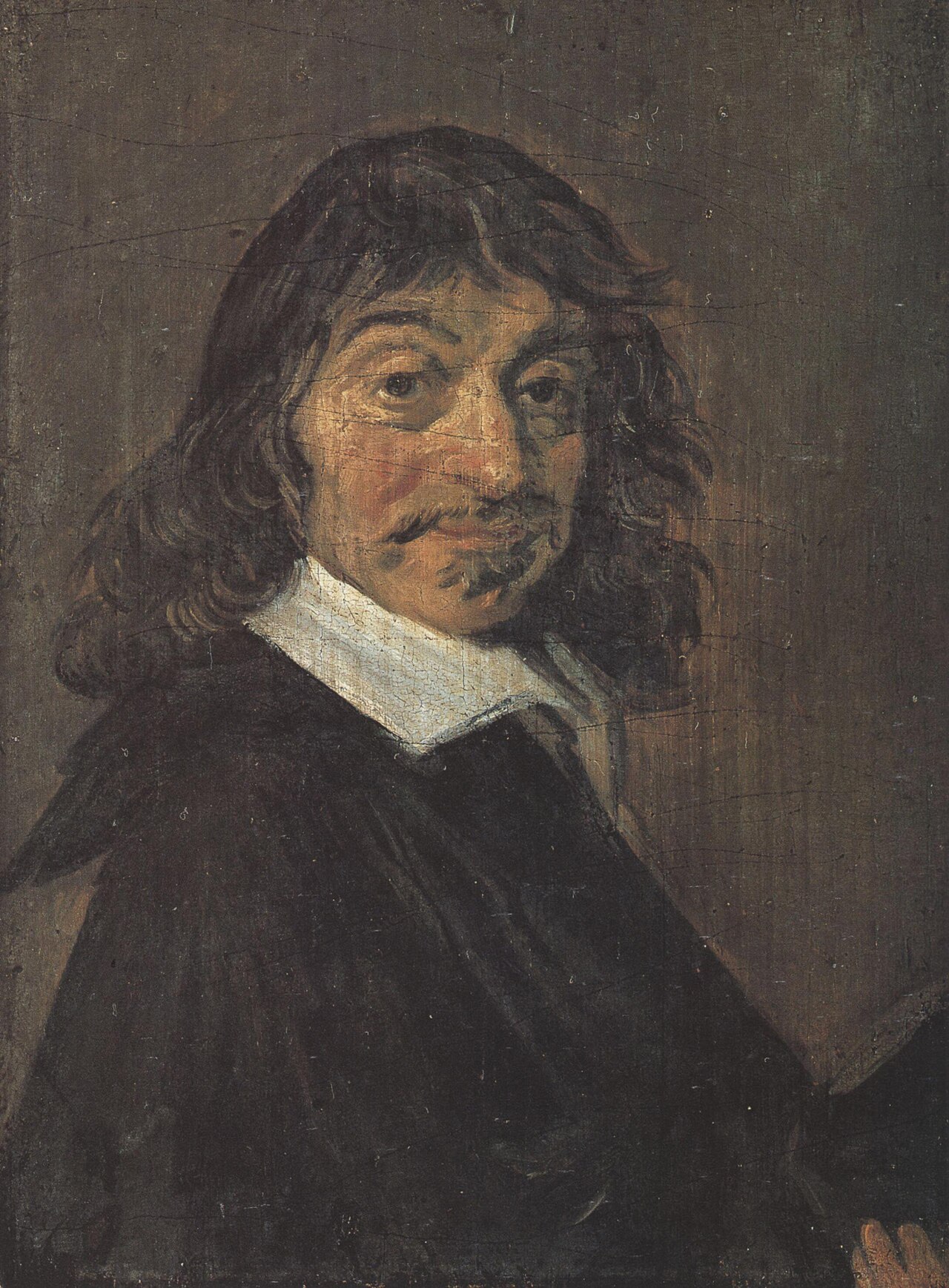
Portrait of René Descartes
Frans Hals · 1649
 Book
Primary source
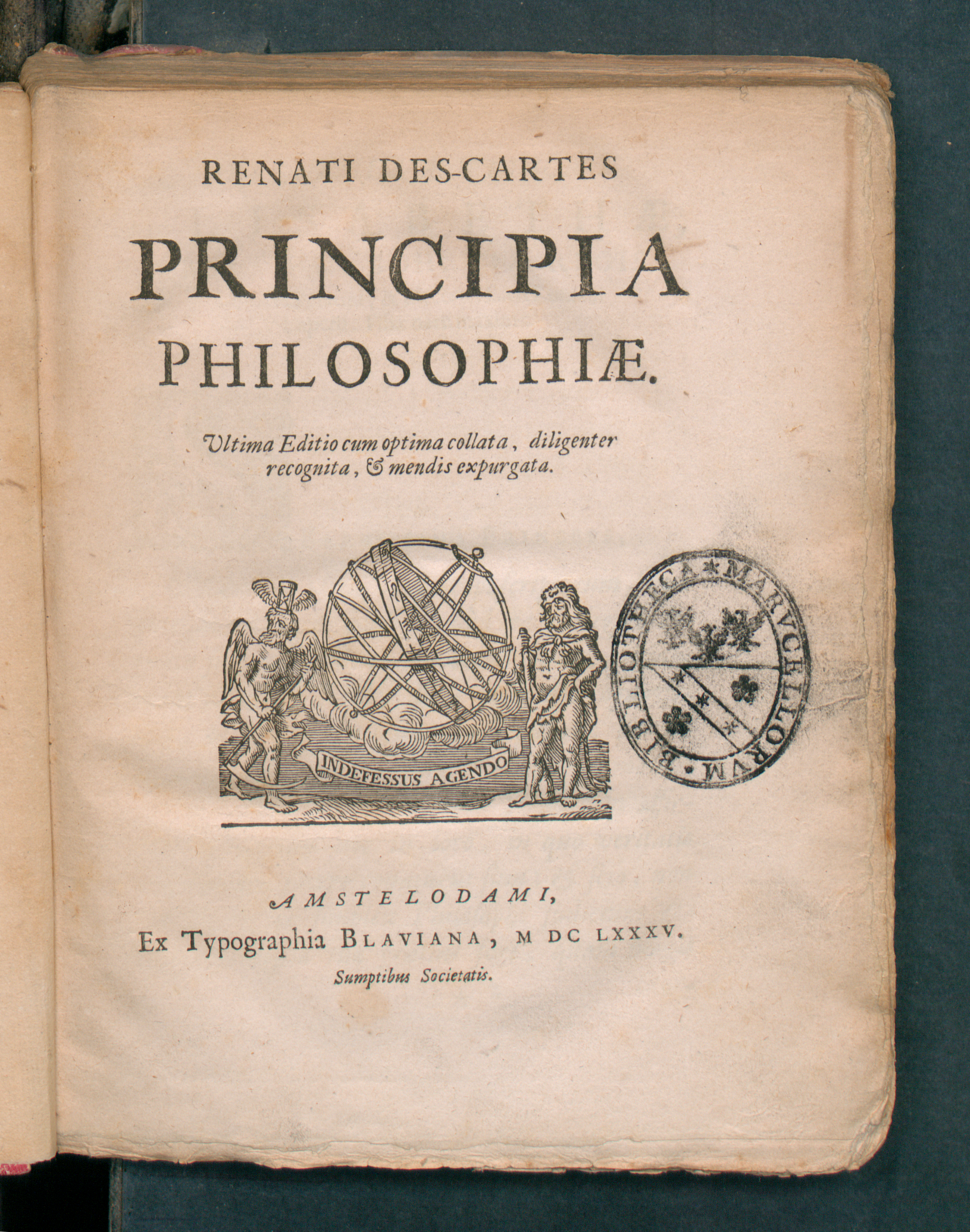
Principles of Philosophy
René Descartes · 1644
Ready when you are
Start chatting with Rene Descartes now.
20 messages free · No credit card · Available in 50+ languages.