


Secondary sourceBookc. 3rd century BCE compilation
Dhammapada
Attributed to the Buddha · c. 3rd century BCE compilation
A collection of 423 verses attributed to the Buddha, the most widely read summary of his ethical teaching.
This is the most widely read collection of verses attributed to the Buddha, summarising his ethical teaching.
About this source
What it is
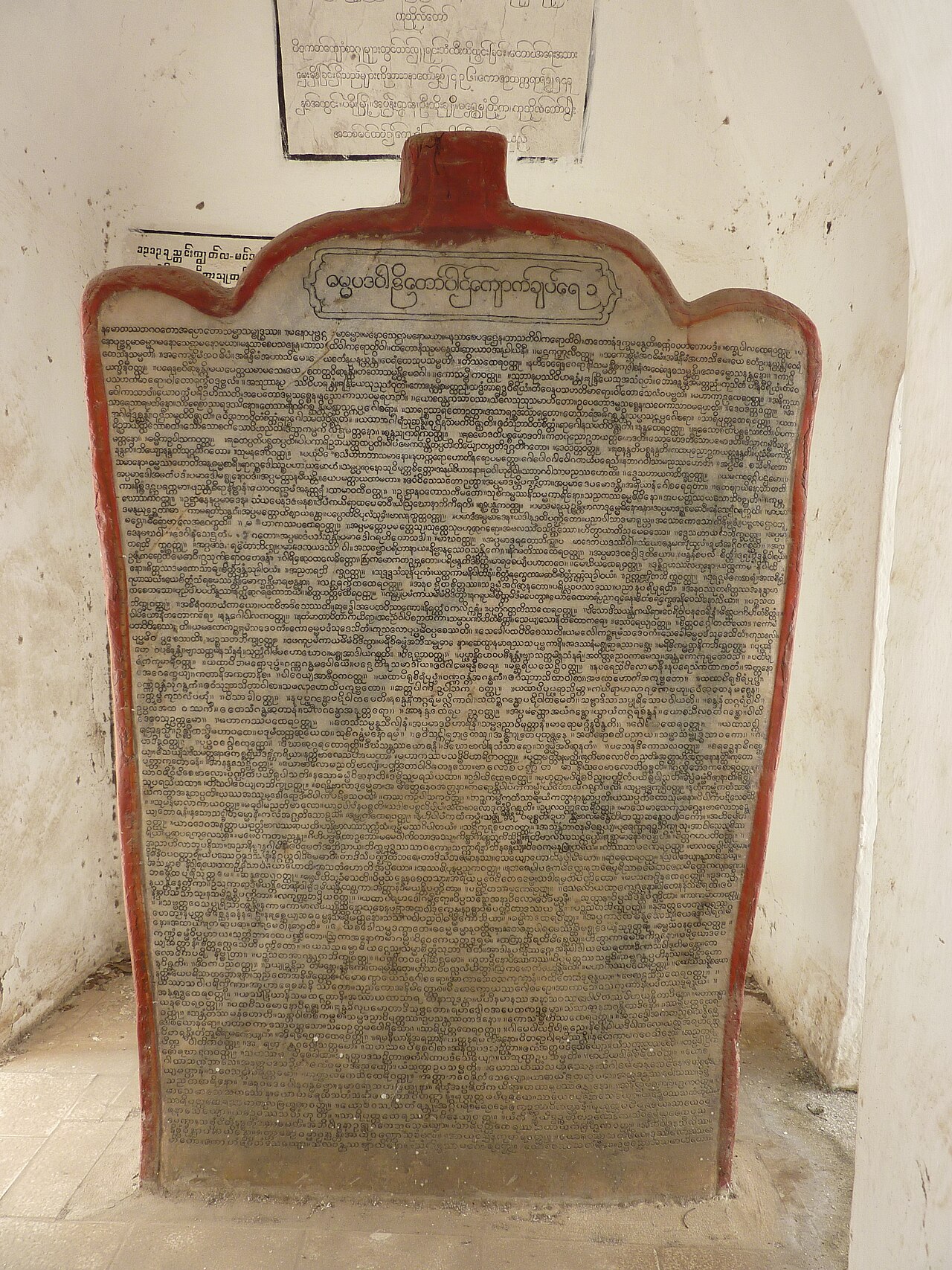
The Dhammapada is a collection of 423 verses attributed to the Buddha, part of the Khuddaka Nikaya. It was compiled around the 3rd century BCE. The photograph shows one page of the text carved into a marble slab at the Kuthodaw in Mandalay, where the whole Buddhist canon was inscribed on stone tablets.
Why it matters
The Dhammapada is considered the clearest, most quoted distillation of the Buddha's moral teaching. Its survival and repeated copying, including being carved permanently into stone centuries later in Burma, shows how important these verses became to Buddhist communities across Asia, long after the Buddha's lifetime.
Look closer
- Why might a community choose to carve teachings into stone rather than only on paper?
- What does the care taken in carving these verses tell you about how people valued them?
- These verses were written down centuries after the Buddha lived. What does that mean for how we judge their accuracy?
This book is part of the curated material that grounds the AI version of Buddha on Humy.ai — when students ask about related events, the AI can quote it and cite it.
More Buddha sources
Meet the AI Buddha →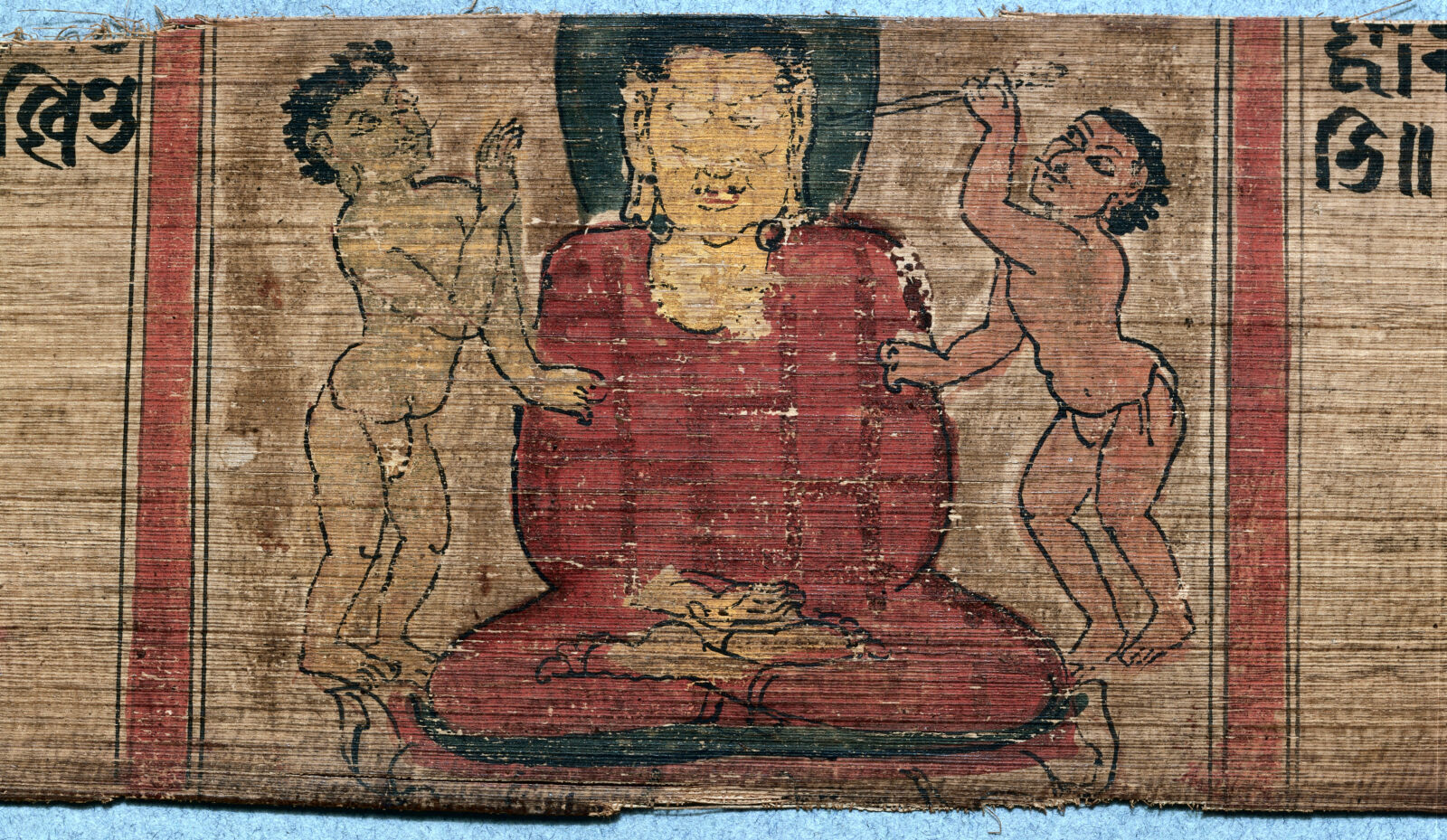 Painting
Secondary source
Buddha in Dhyana, Perfection of Wisdom Sutra Manuscript
1074
 Sculpture
Secondary source
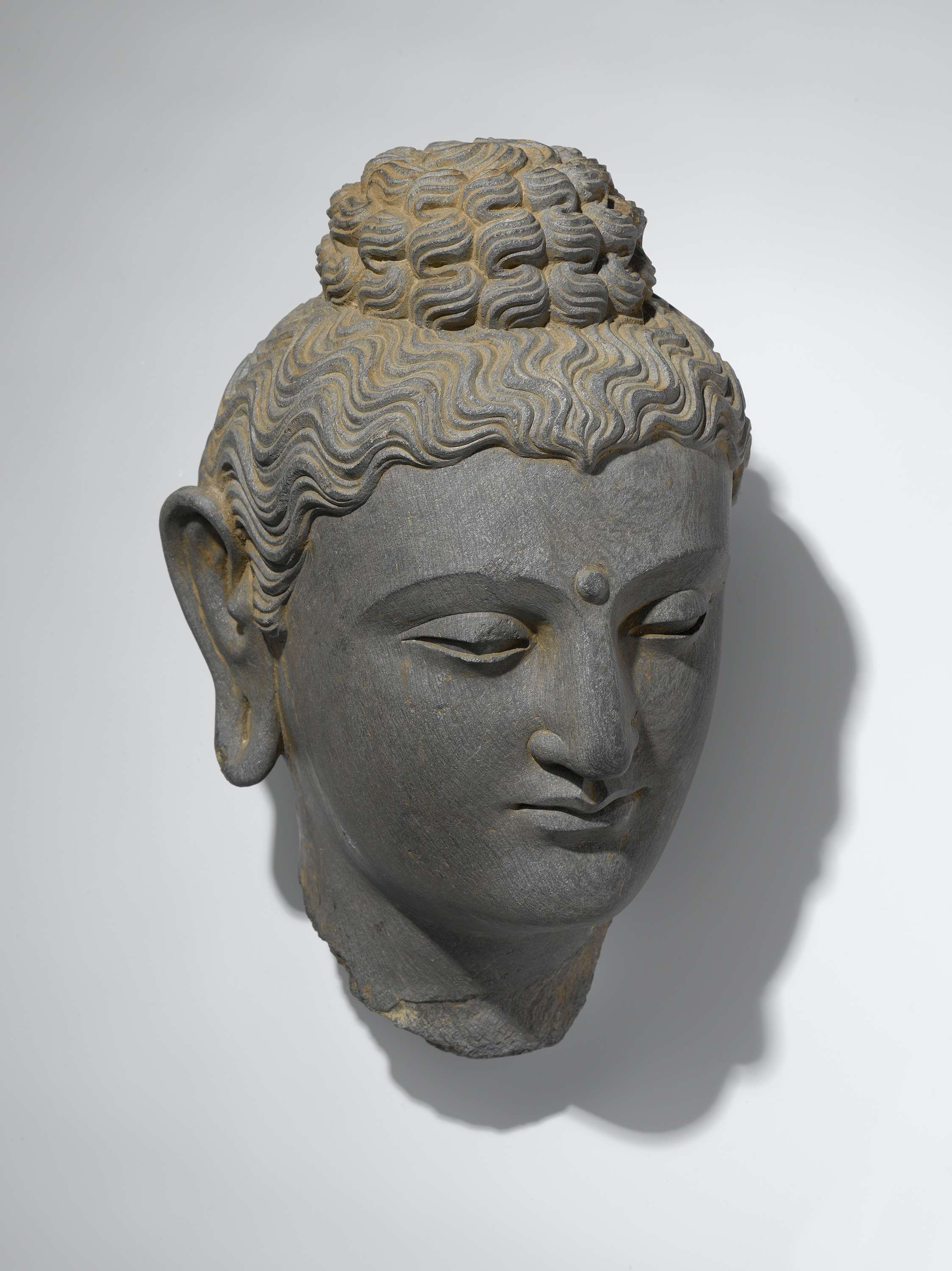
Head of the Buddha, Gandhara style
 Book
Secondary source
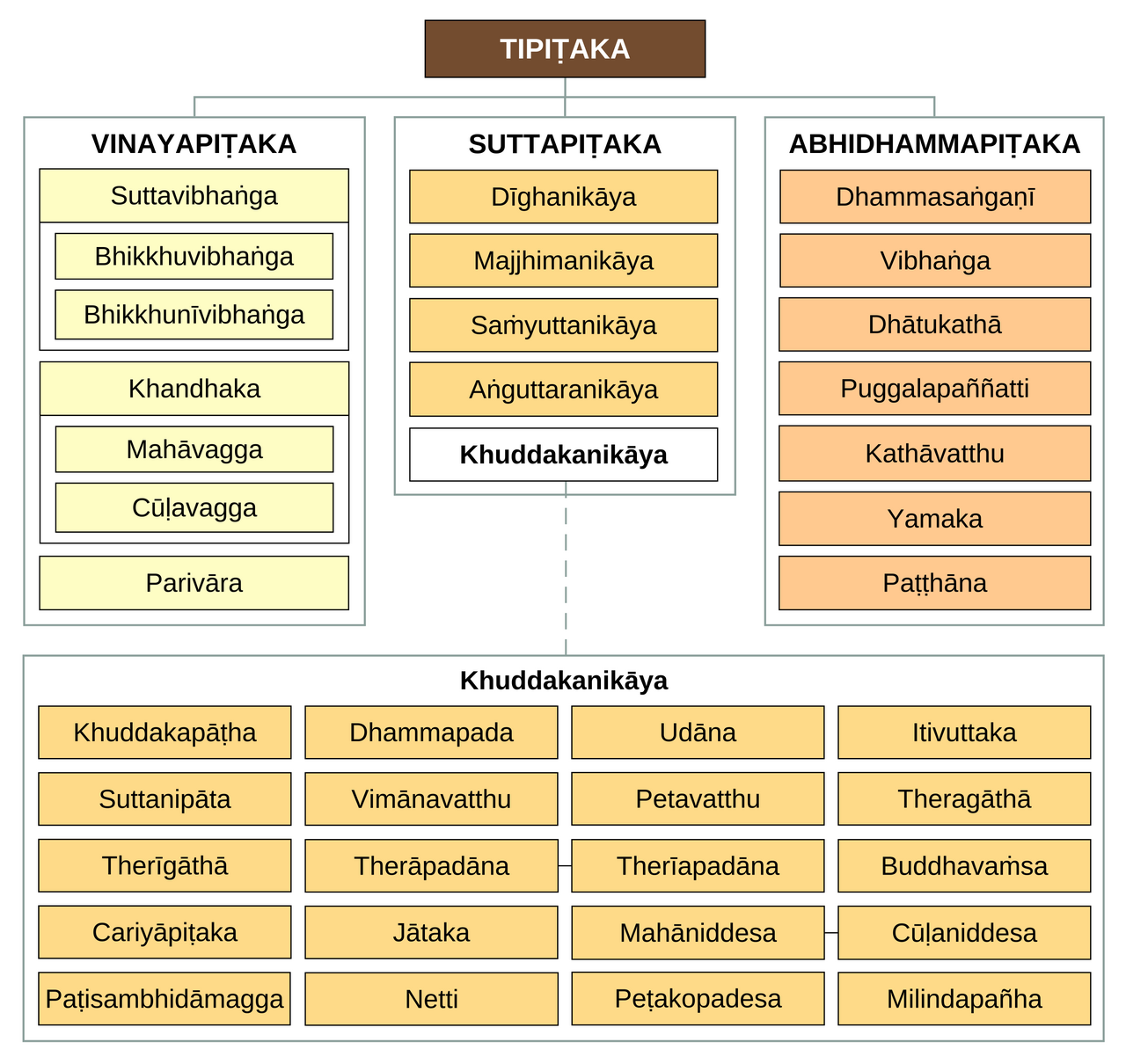
Pali Canon (Tipitaka)
Early Buddhist sangha · oral from 5th century BCE; written c. 29 BCE
 Document
Secondary source
Life of the Buddha
19th century
 Painting
Secondary source
The Life of the Buddha Shakyamuni
Unknown Tibetan painter
Ready when you are
Start chatting with Buddha now.
20 messages free · No credit card · Available in 50+ languages.