


Secondary sourceDocument19th century
Life of the Buddha
19th century
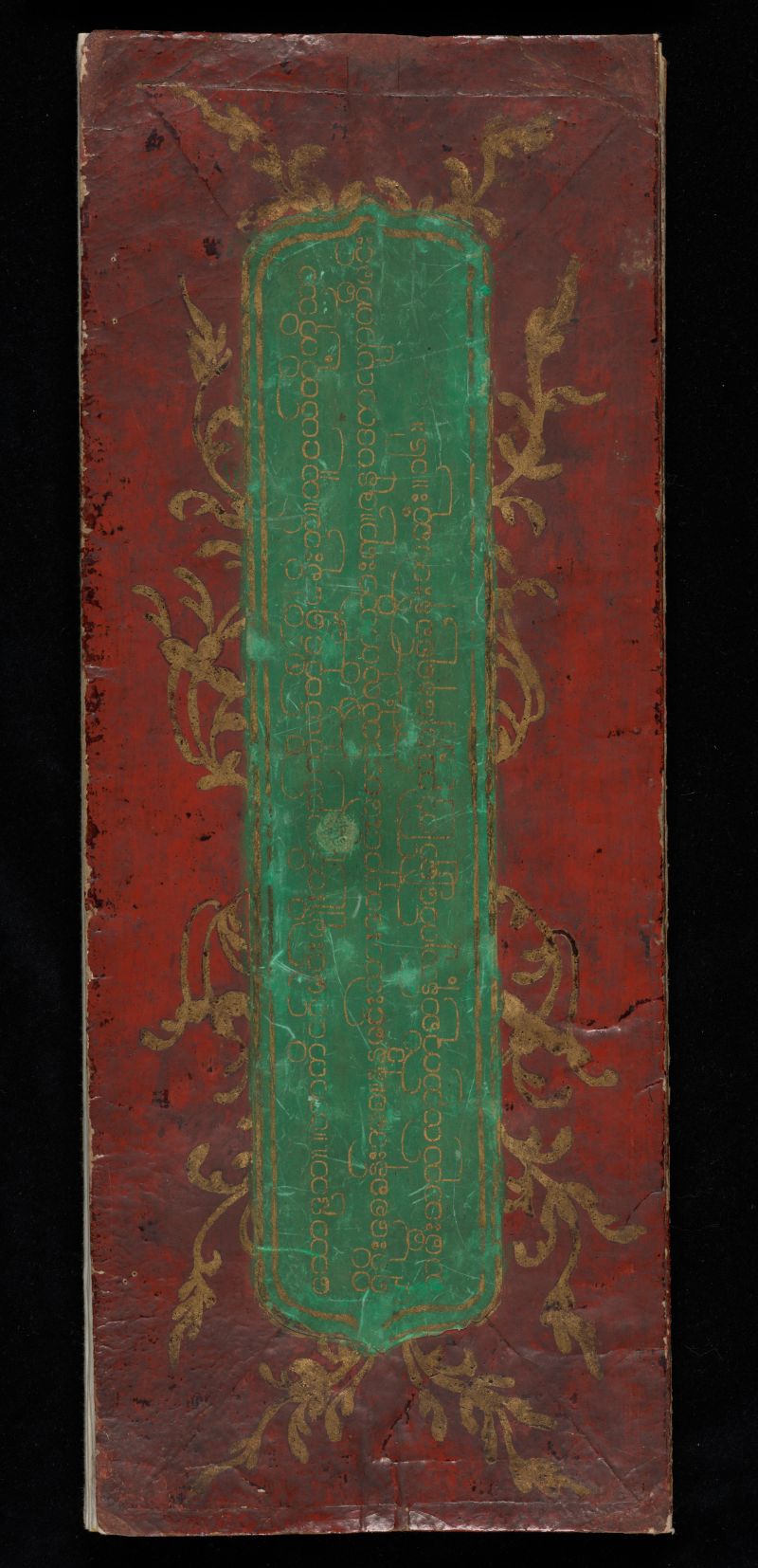
A 19th-century Burmese illustrated folding book telling scenes from the Buddha's life, from the conversion of the Sakyas to the story of Prince Nanda.
An illustrated retelling of the Buddha's life story, made many centuries after he lived, in Burmese Buddhist tradition.
About this source
What it is
This is a folding book, known as a parabaik, made in 19th-century Myanmar (Burma) by an unknown maker. It is painted in ink, colours and gold on paper and has twelve openings showing scenes from the life of the Buddha, including the conversion of the Sakyas and the story of Prince Nanda and his bride. It is held by the Chester Beatty library in Ireland.
Why it matters
This object shows how, long after the Buddha's lifetime, Buddhist communities in Southeast Asia continued to retell and illustrate his life story using local art forms. The richly decorated cover, with lacquer and gold scrollwork and Burmese script, reflects the importance placed on preserving and honouring these stories through craftsmanship.
Look closer
- Why might artists choose to tell the Buddha's life through a sequence of pictures rather than only text?
- What does the decoration of the cover suggest about how this book was valued?
- What might be left out or simplified when a whole life is told in just twelve scenes?
This document is part of the curated material that grounds the AI version of Buddha on Humy.ai — when students ask about related events, the AI can quote it and cite it.
More Buddha sources
Meet the AI Buddha →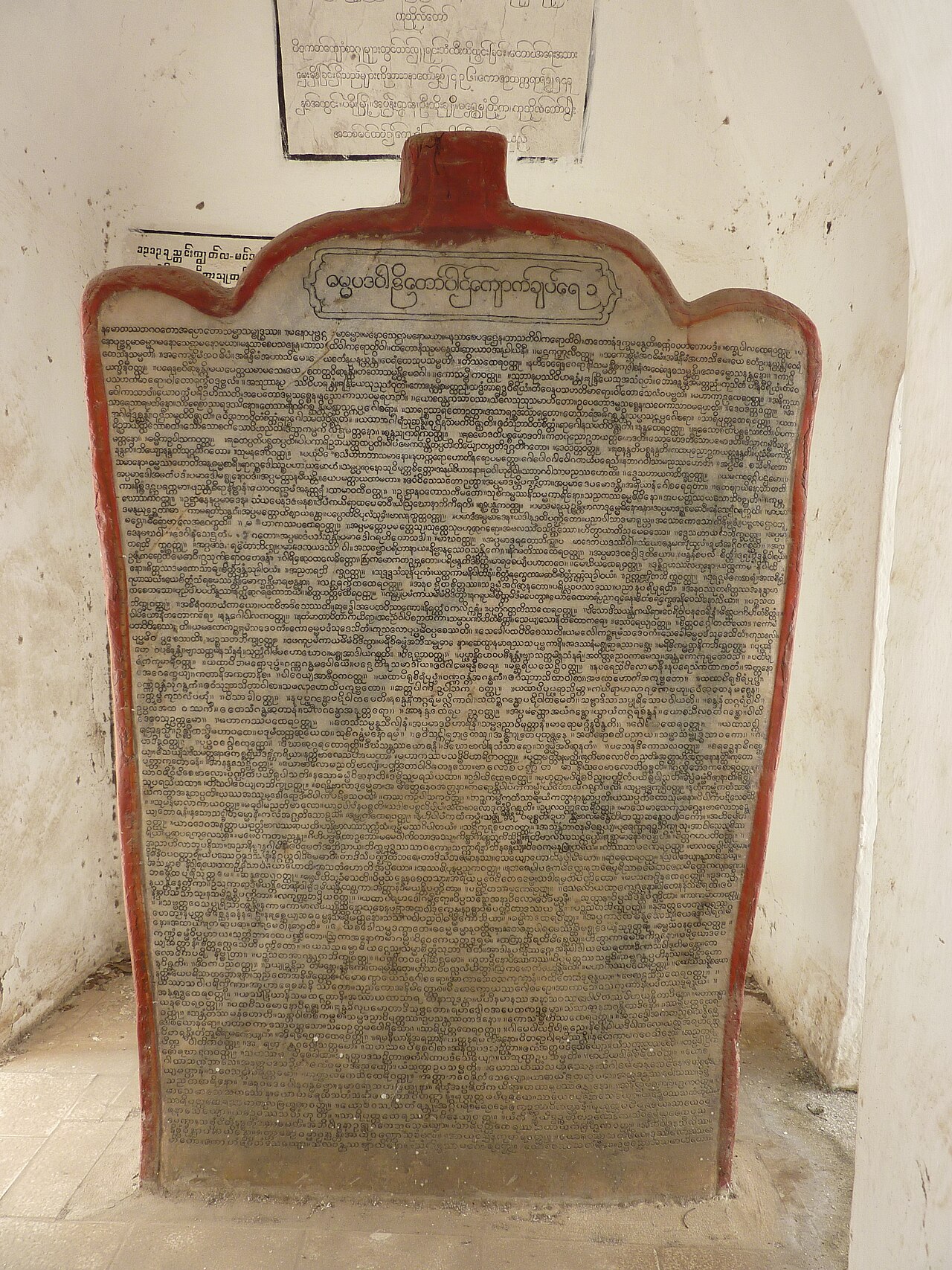 Book
Secondary source
Dhammapada
Attributed to the Buddha · c. 3rd century BCE compilation
 Painting
Secondary source
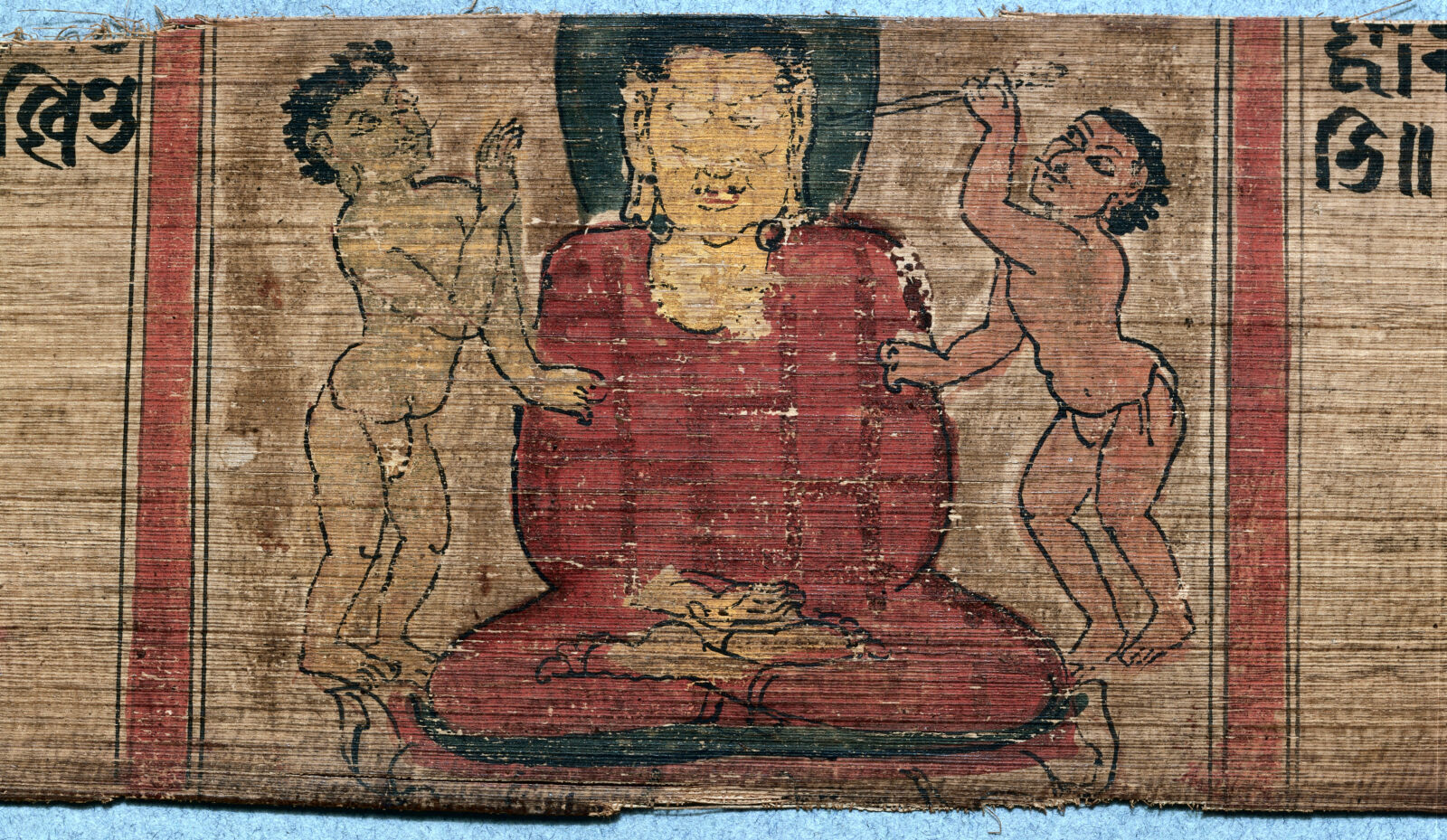
Buddha in Dhyana, Perfection of Wisdom Sutra Manuscript
1074
 Sculpture
Secondary source
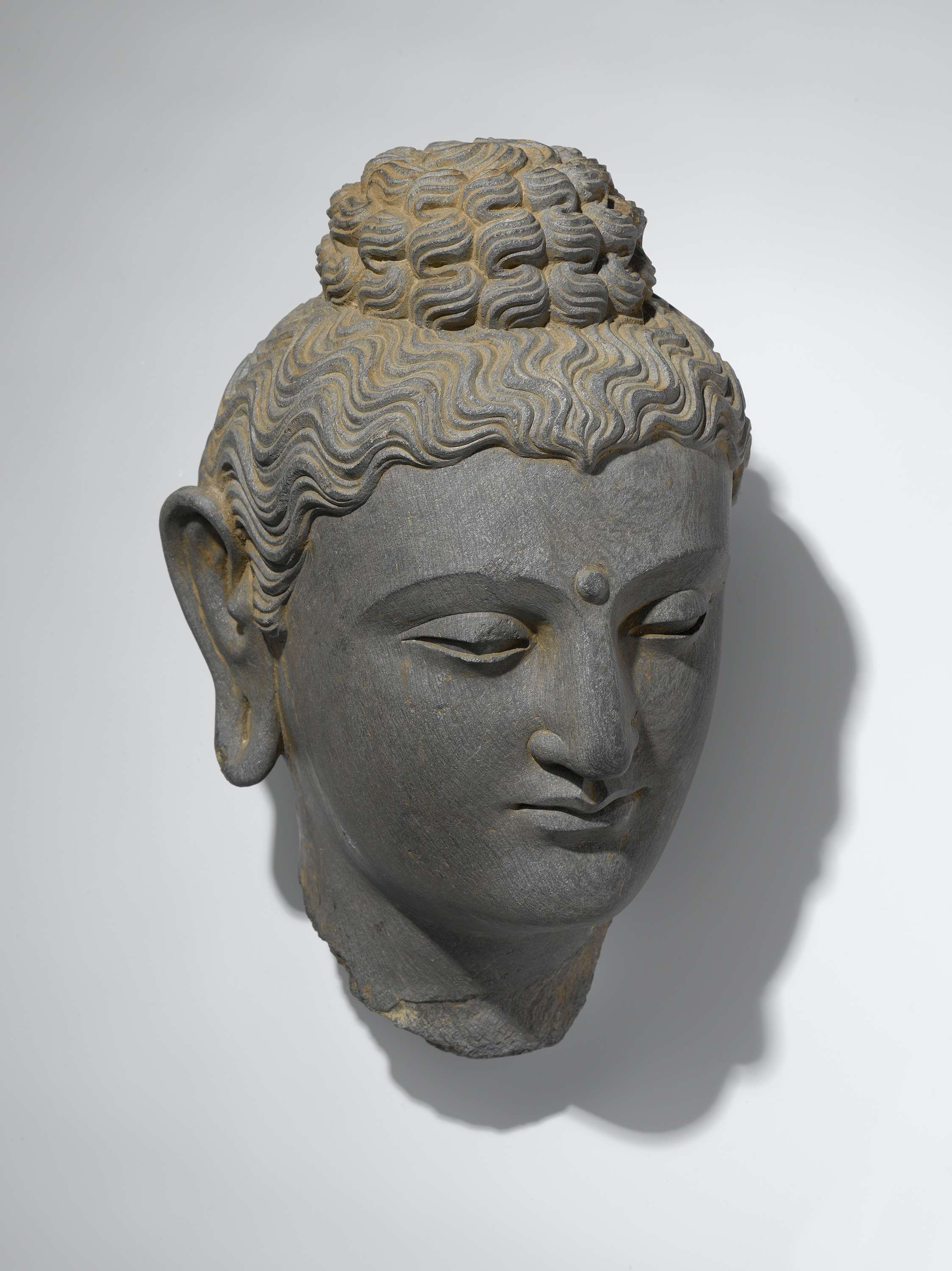
Head of the Buddha, Gandhara style
 Book
Secondary source
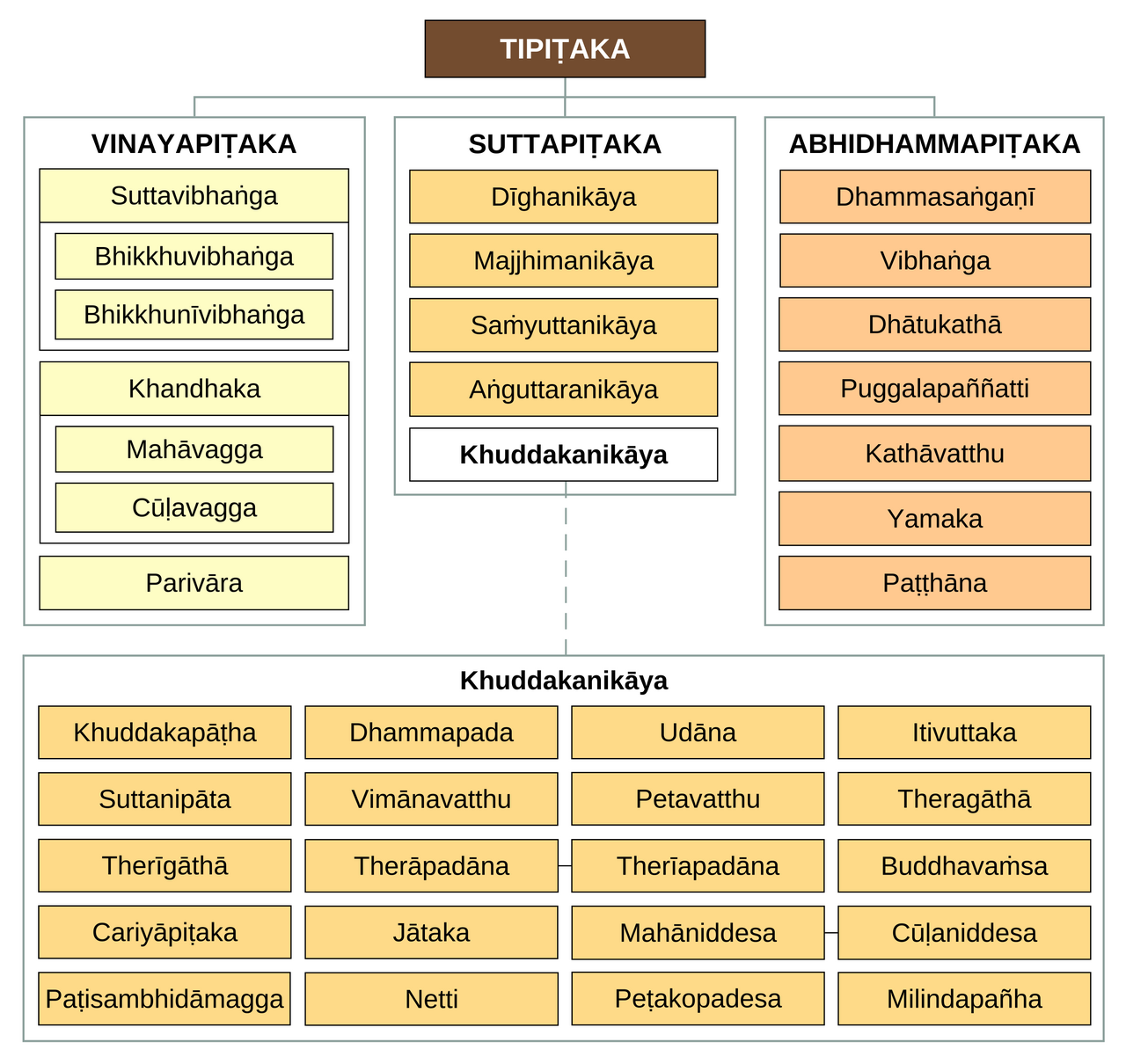
Pali Canon (Tipitaka)
Early Buddhist sangha · oral from 5th century BCE; written c. 29 BCE
 Painting
Secondary source
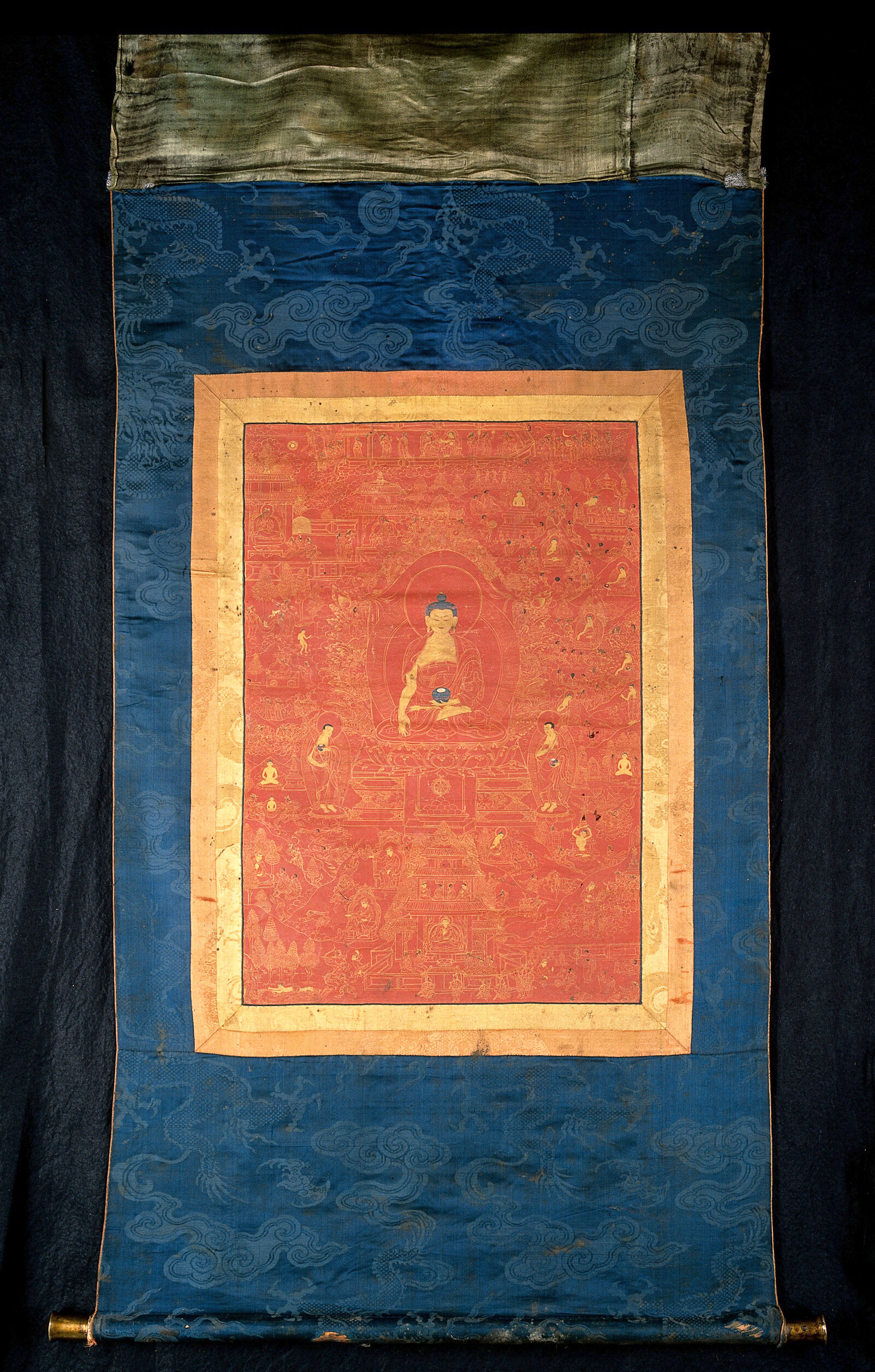
The Life of the Buddha Shakyamuni
Unknown Tibetan painter
Ready when you are
Start chatting with Buddha now.
20 messages free · No credit card · Available in 50+ languages.