


Secondary sourceSculpture
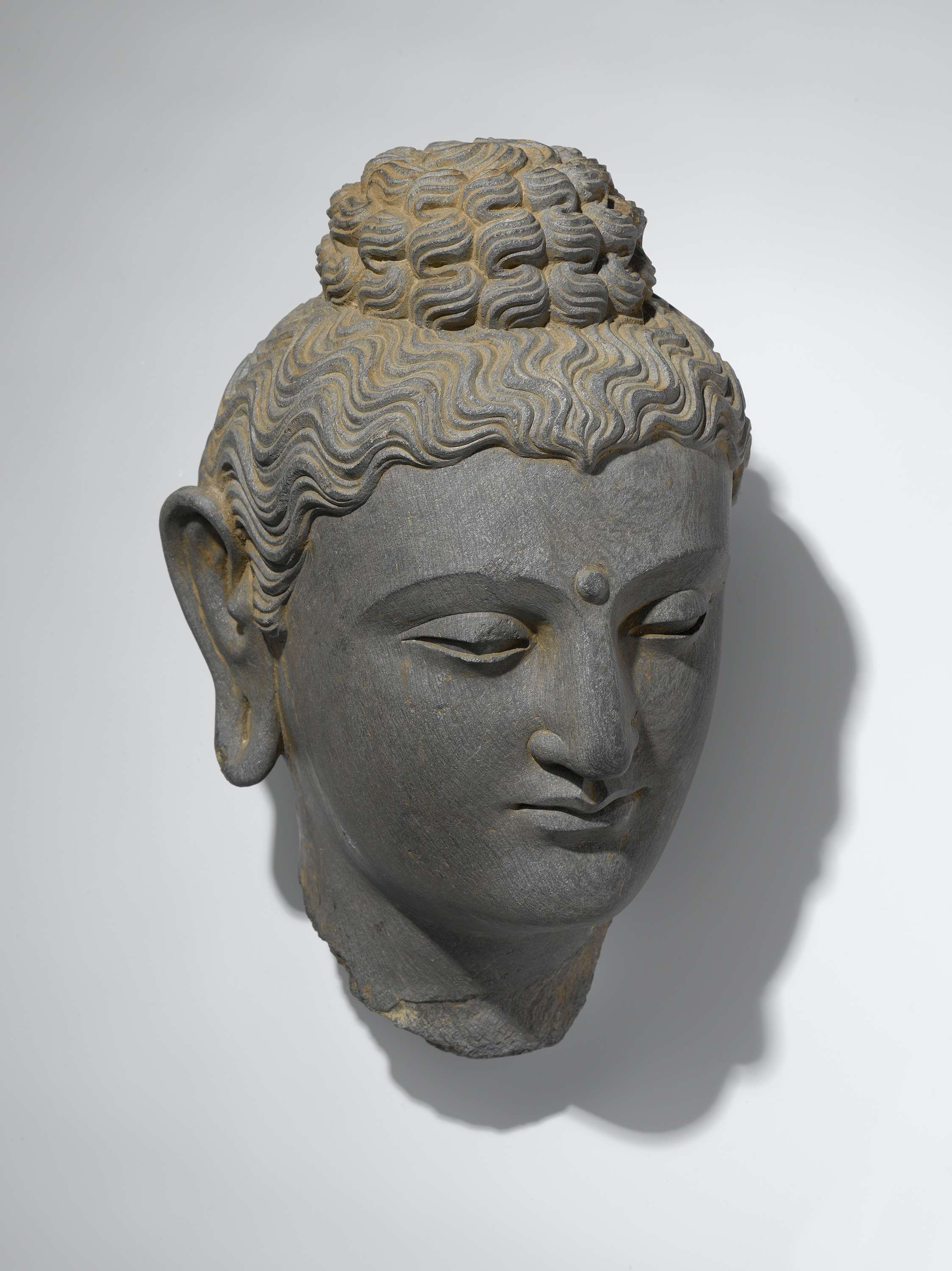
Head of the Buddha, Gandhara style
A stone head of the Buddha carved in the Gandharan style, showing the topknot and forehead mark that are standard features of his image.
A stone portrait head created centuries after the Buddha's life, showing how later artists imagined and symbolized him.
About this source
What it is
This is a carved grey stone head of the Buddha, made in the Gandhara region, and now held by the Rijksmuseum. It shows the Buddha's topknot (ushnisha) and the raised mark on his forehead (urna), along with wavy hair combed back, a style typical of Gandharan sculpture.
Why it matters
According to the museum, the earliest images of the Buddha only began to appear around the start of the 1st century AD, centuries after his lifetime. This head shows how artists far from his own time and place developed a standard visual language for him, mixing symbolic features like the ushnisha and urna with local artistic styles influenced by contact between Gandhara and Greek and Roman art traditions.
Look closer
- What details on the head are meant to show that this is not an ordinary person?
- Why might it have taken centuries before artists started making images of the Buddha?
- What is missing from this fragment that might tell us more about the original sculpture?
This sculpture is part of the curated material that grounds the AI version of Buddha on Humy.ai — when students ask about related events, the AI can quote it and cite it.
More Buddha sources
Meet the AI Buddha →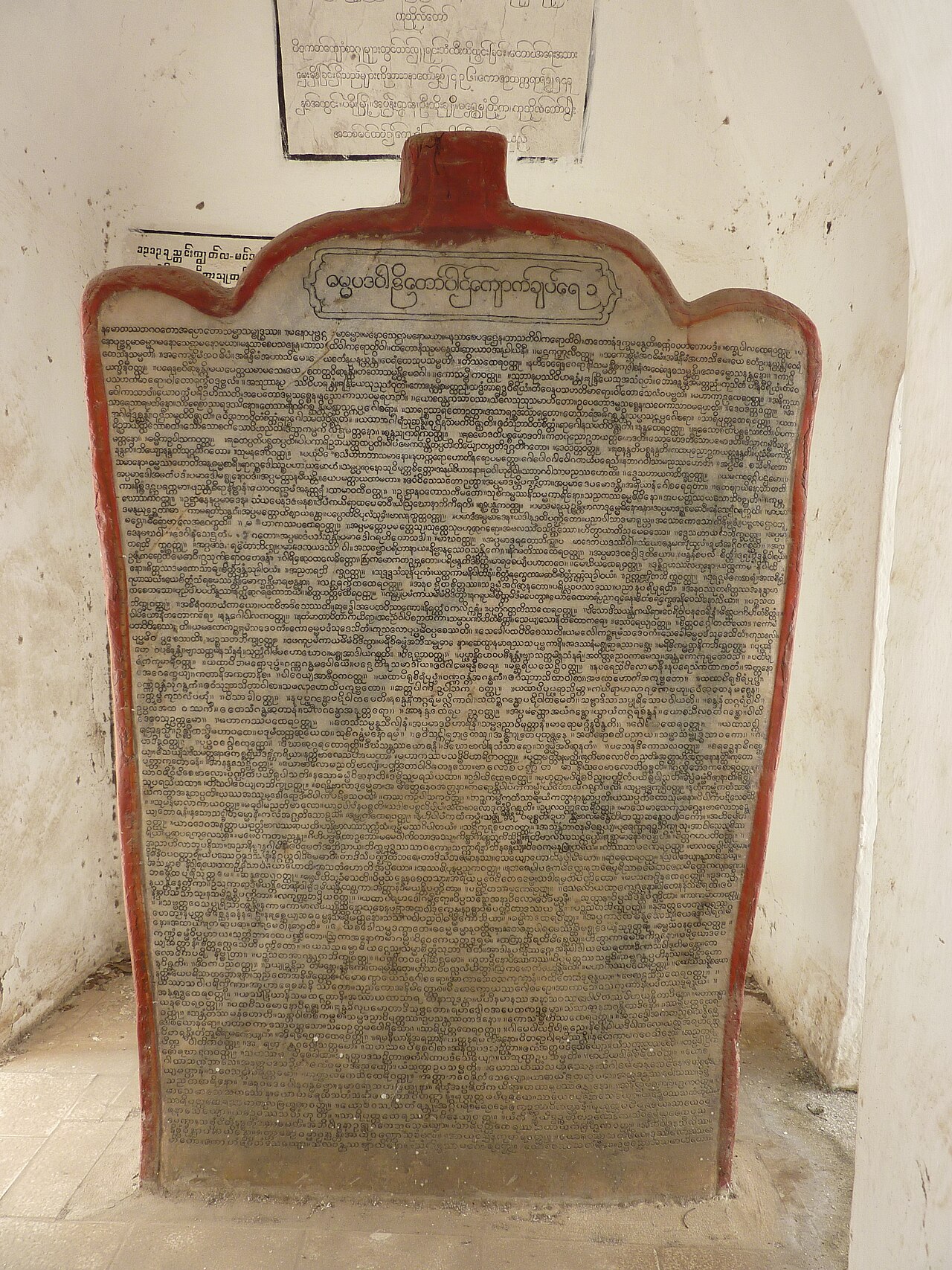 Book
Secondary source
Dhammapada
Attributed to the Buddha · c. 3rd century BCE compilation
 Painting
Secondary source
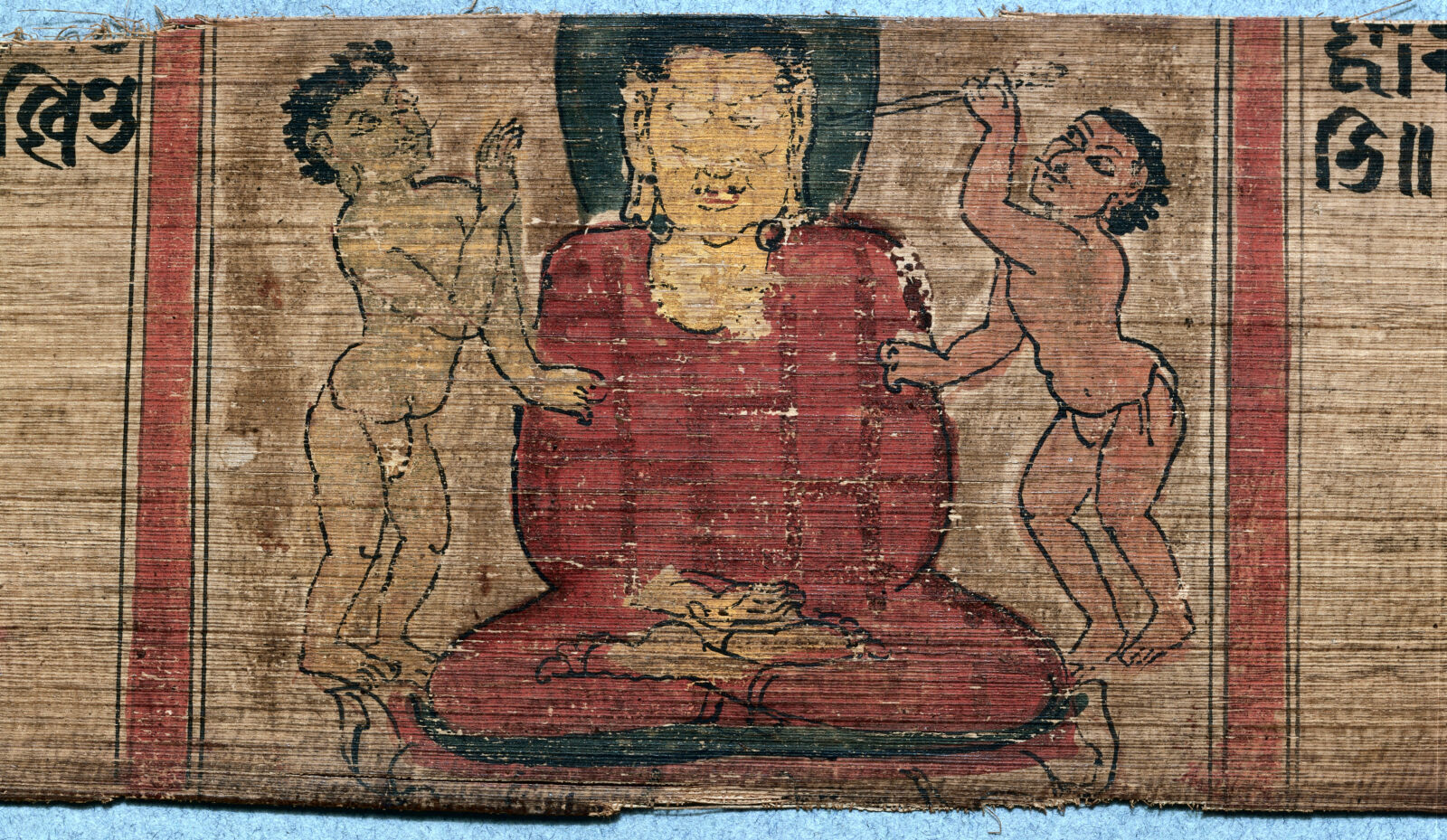
Buddha in Dhyana, Perfection of Wisdom Sutra Manuscript
1074
 Book
Secondary source
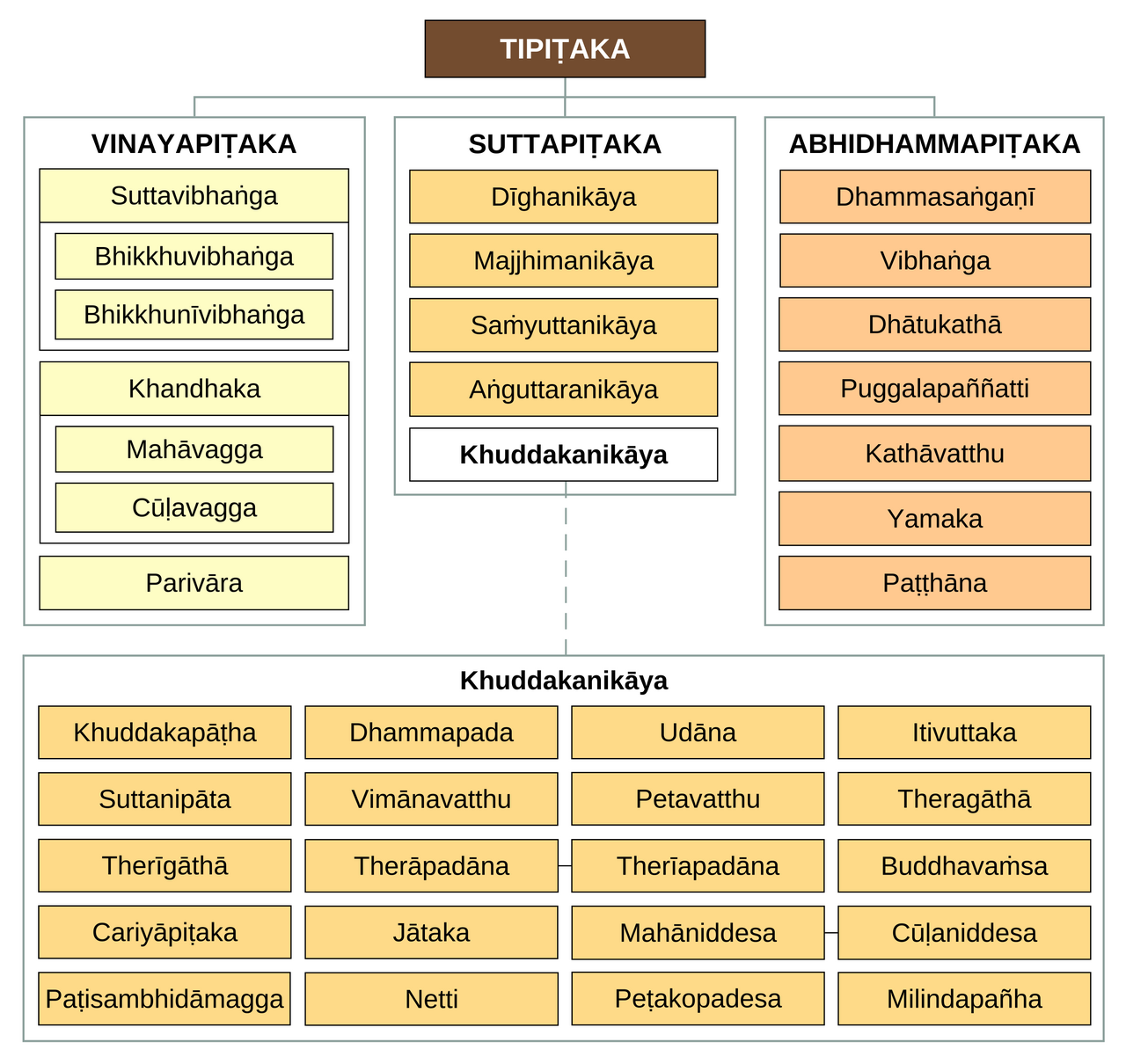
Pali Canon (Tipitaka)
Early Buddhist sangha · oral from 5th century BCE; written c. 29 BCE
 Document
Secondary source
Life of the Buddha
19th century
 Painting
Secondary source
The Life of the Buddha Shakyamuni
Unknown Tibetan painter
Ready when you are
Start chatting with Buddha now.
20 messages free · No credit card · Available in 50+ languages.