


Primary sourcePainting1810
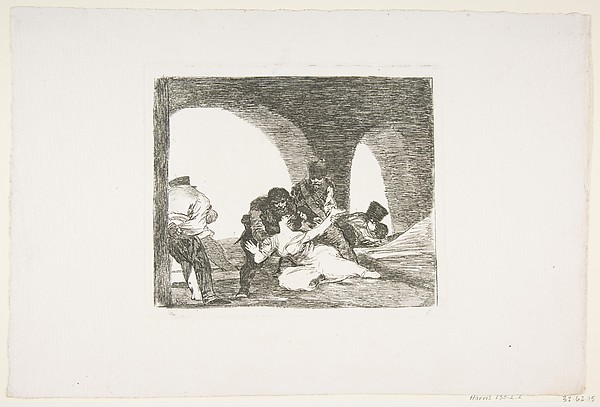
Disasters of War, Plate 13: Bitter to be Present
Francisco de Goya y Lucientes · 1810
An etching by Goya from his Disasters of War series, showing a collapsed woman amid wartime violence during the Peninsular War.
Goya created this print as an eyewitness response to the violence of the Peninsular War he lived through.
About this source
What it is
This etching, made with burin by Francisco Goya in 1810, is Plate 13 from his series The Disasters of War. It is held at The Metropolitan Museum of Art.
Why it matters
Goya based the Disasters of War on what he witnessed during the brutal Peninsular War. This print shows a woman who appears to be dying or dead, supported by a man, while others stand by. The series is one of the most powerful eyewitness records of war's cruelty and is still widely used to teach its human cost.
Look closer
- What does the composition - who is active, who is collapsed - tell you about the scene?
- Why might Goya have chosen to depict this moment rather than a battle itself?
- What title did Goya give this print, and how does it change how you read the image?
This painting is part of the curated material that grounds the AI version of Francisco Goya on Humy.ai — when students ask about related events, the AI can quote it and cite it.
More Francisco Goya sources
Meet the AI Francisco Goya →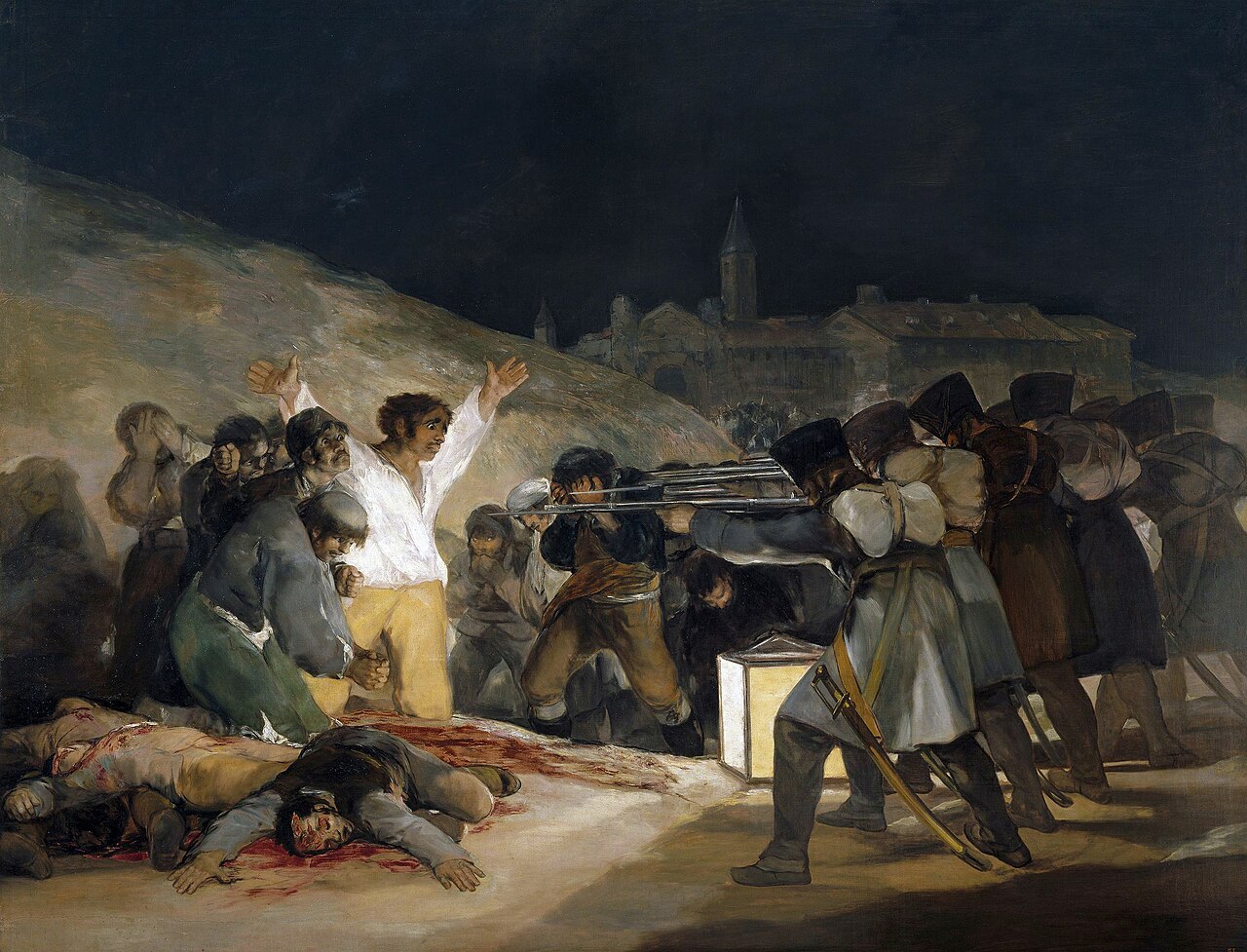 Painting
Secondary source
The Third of May 1808
Francisco Goya · 1814
 Painting
Primary source
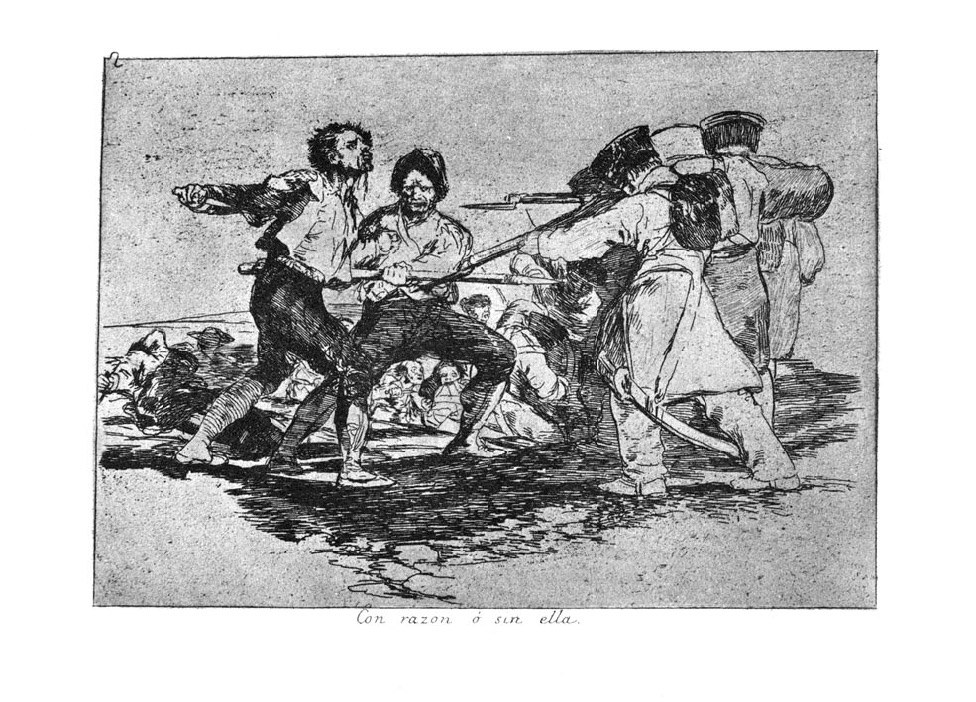
The Disasters of War
Francisco Goya · 1810-1820
 Painting
Primary source
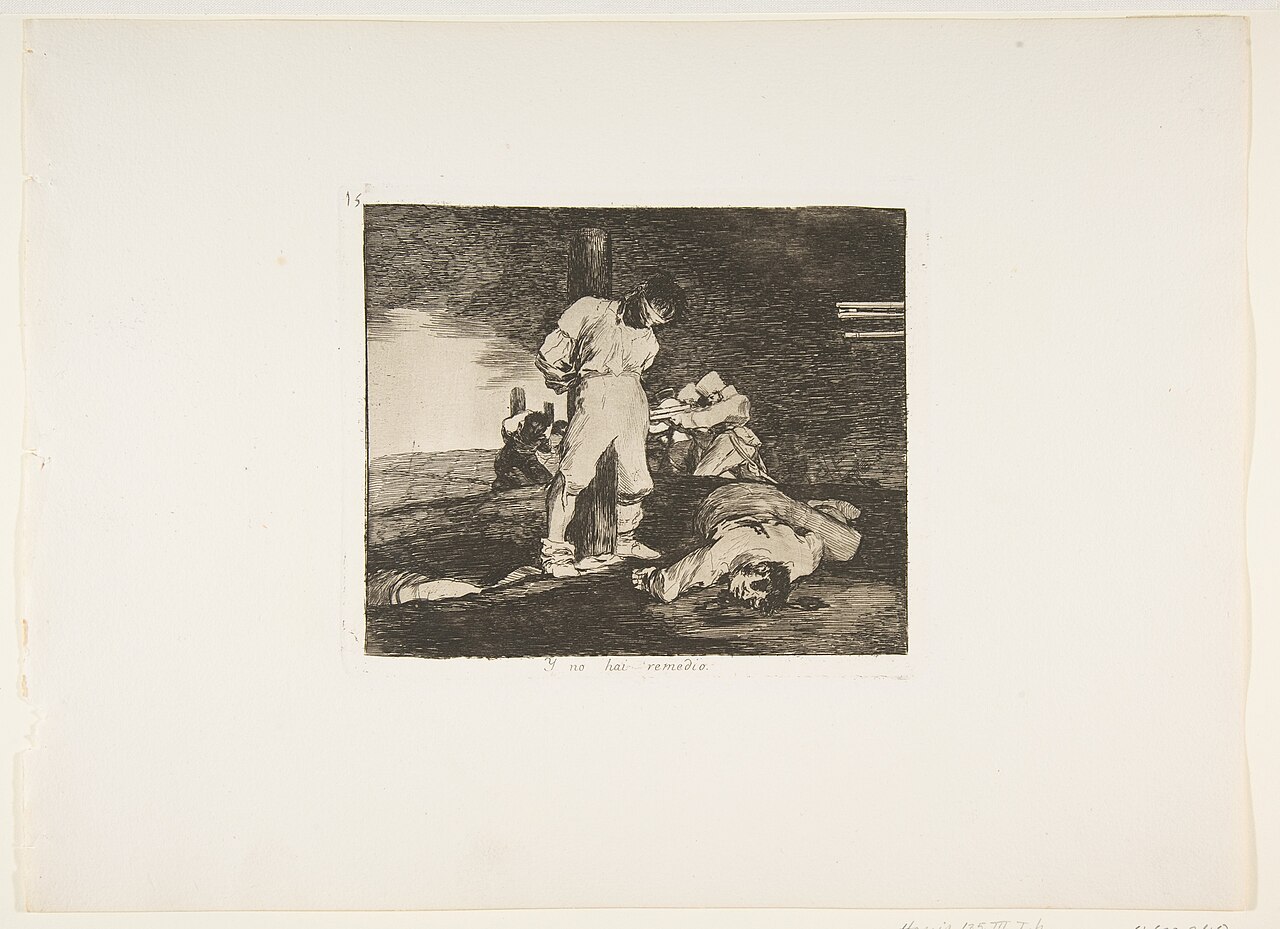
Y no hai remedio
Francisco de Goya · c. 1810-1814 (published 1863)
 Painting
Primary source
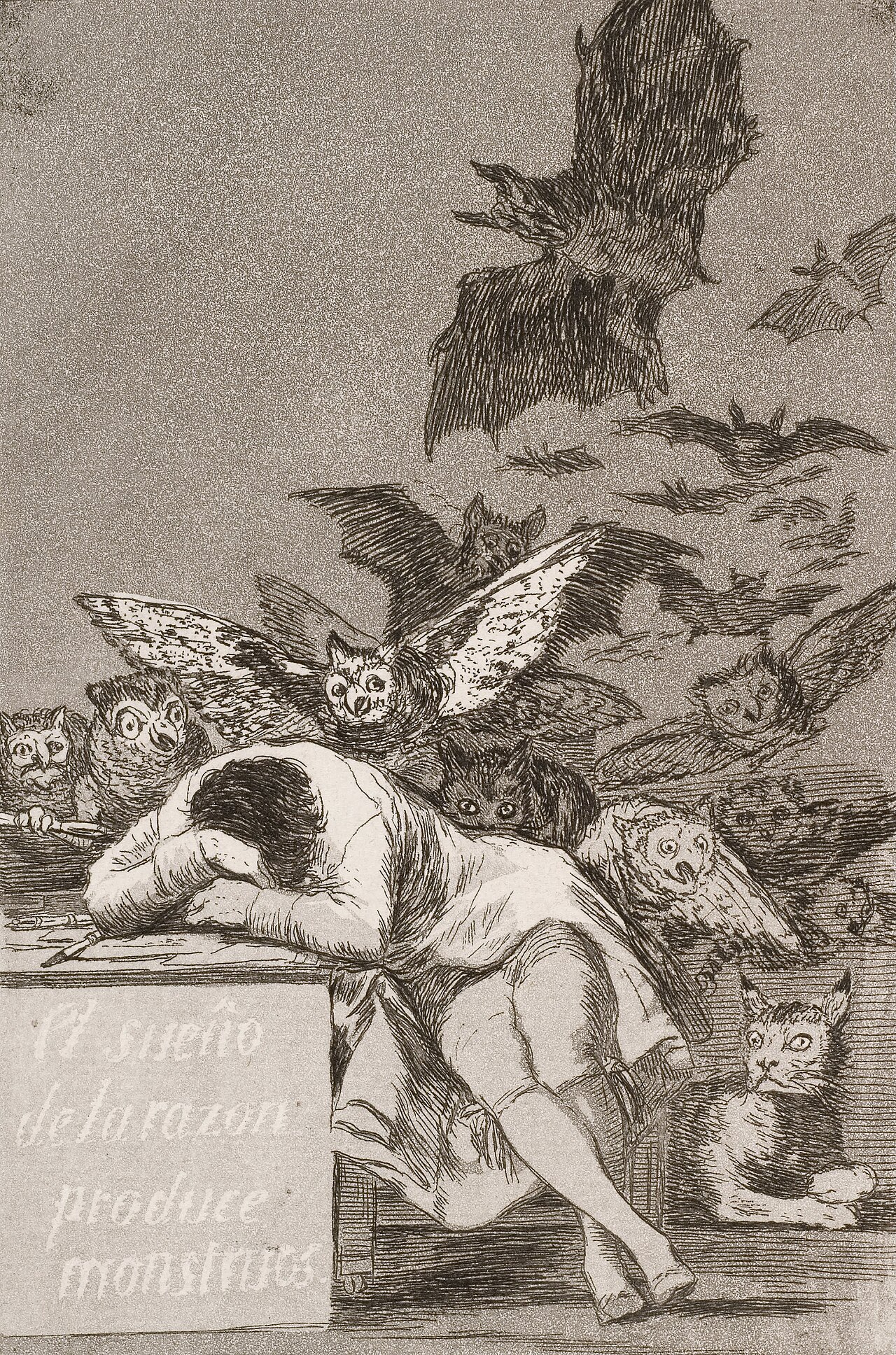
Caprichos
Francisco Goya · 1799 (created 1797-1798)
 Painting
Primary source
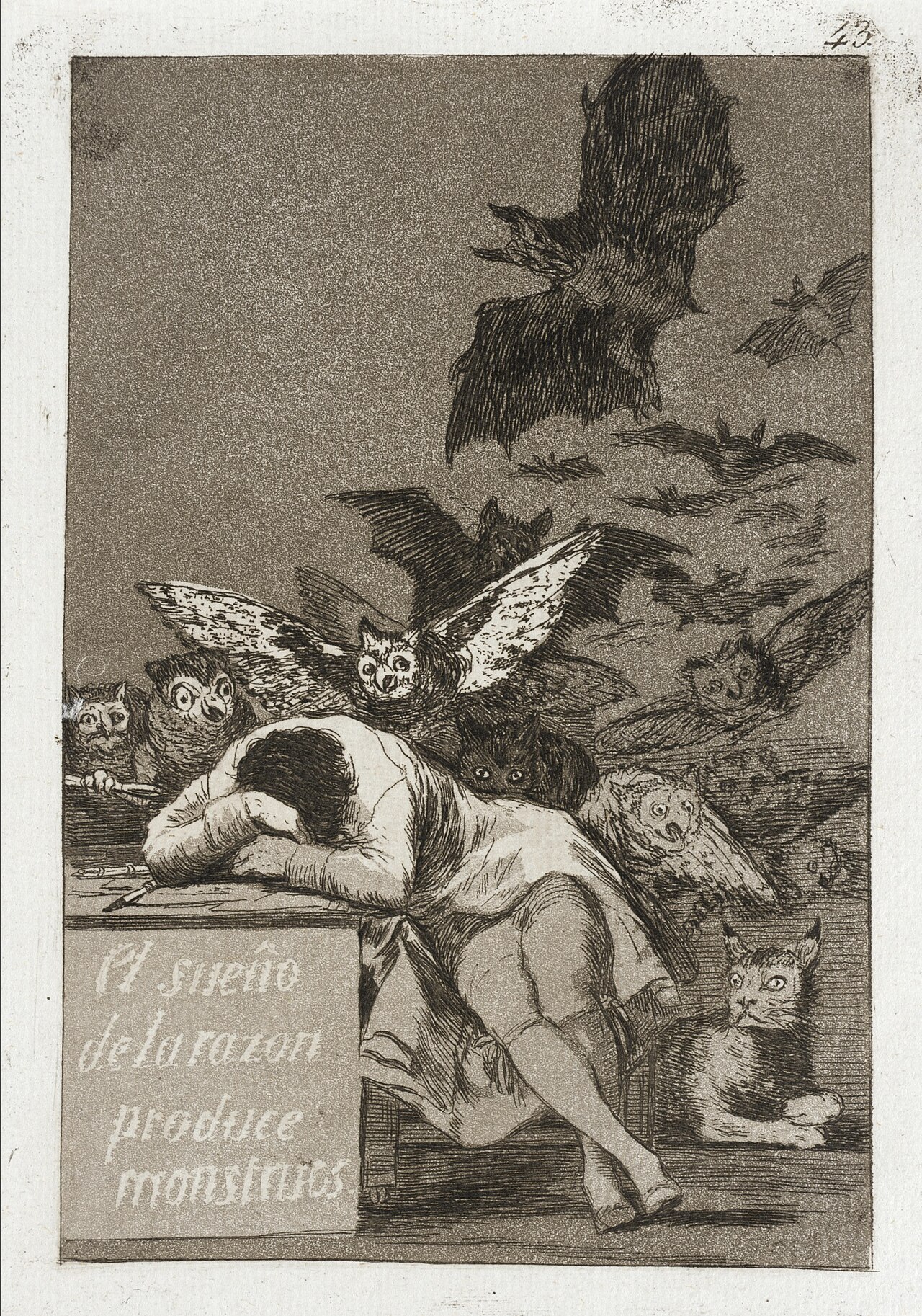
The Sleep of Reason Produces Monsters
Francisco Goya · 1797-1799
Ready when you are
Start chatting with Francisco Goya now.
20 messages free · No credit card · Available in 50+ languages.