


Primary sourcePainting1811-12 (published 1863)
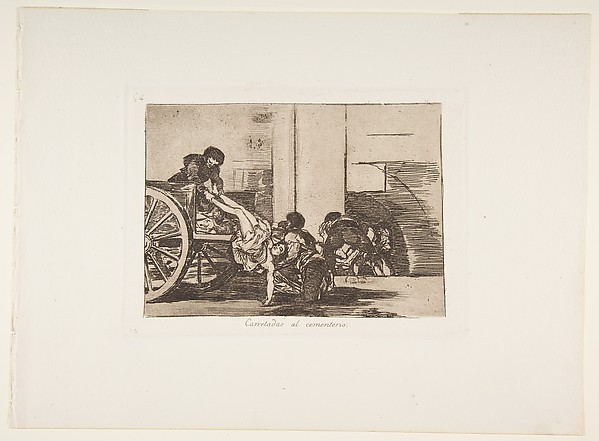
Disasters of War, Plate 64: Cartloads to the Cemetery
Francisco de Goya y Lucientes · 1811-12 (published 1863)
An etching by Goya from Disasters of War showing corpses being carted away, illustrating the human cost of the Peninsular War.
Goya created this print as a direct, eyewitness-based record of the mass death caused by the Peninsular War.
About this source
What it is
This print by Francisco Goya, made with etching, drypoint, and burnished aquatint around 1811-12, is Plate 64 from The Disasters of War. It was published later, in 1863, and is held at The Metropolitan Museum of Art.
Why it matters
This image shows bodies being loaded onto a horse-drawn cart for burial, a direct response to the mass death caused by the Peninsular War. Goya's series is a rare and unflinching artistic record of war's devastation, made by someone who lived through the period rather than someone looking back from a distance.
Look closer
- What does the caption 'Carretadas al cementerio' add to your understanding of the scene?
- Why do you think Goya chose to show the aftermath rather than the fighting itself?
- What does the long delay before publication suggest about the risks of showing such images?
This painting is part of the curated material that grounds the AI version of Francisco Goya on Humy.ai — when students ask about related events, the AI can quote it and cite it.
More Francisco Goya sources
Meet the AI Francisco Goya →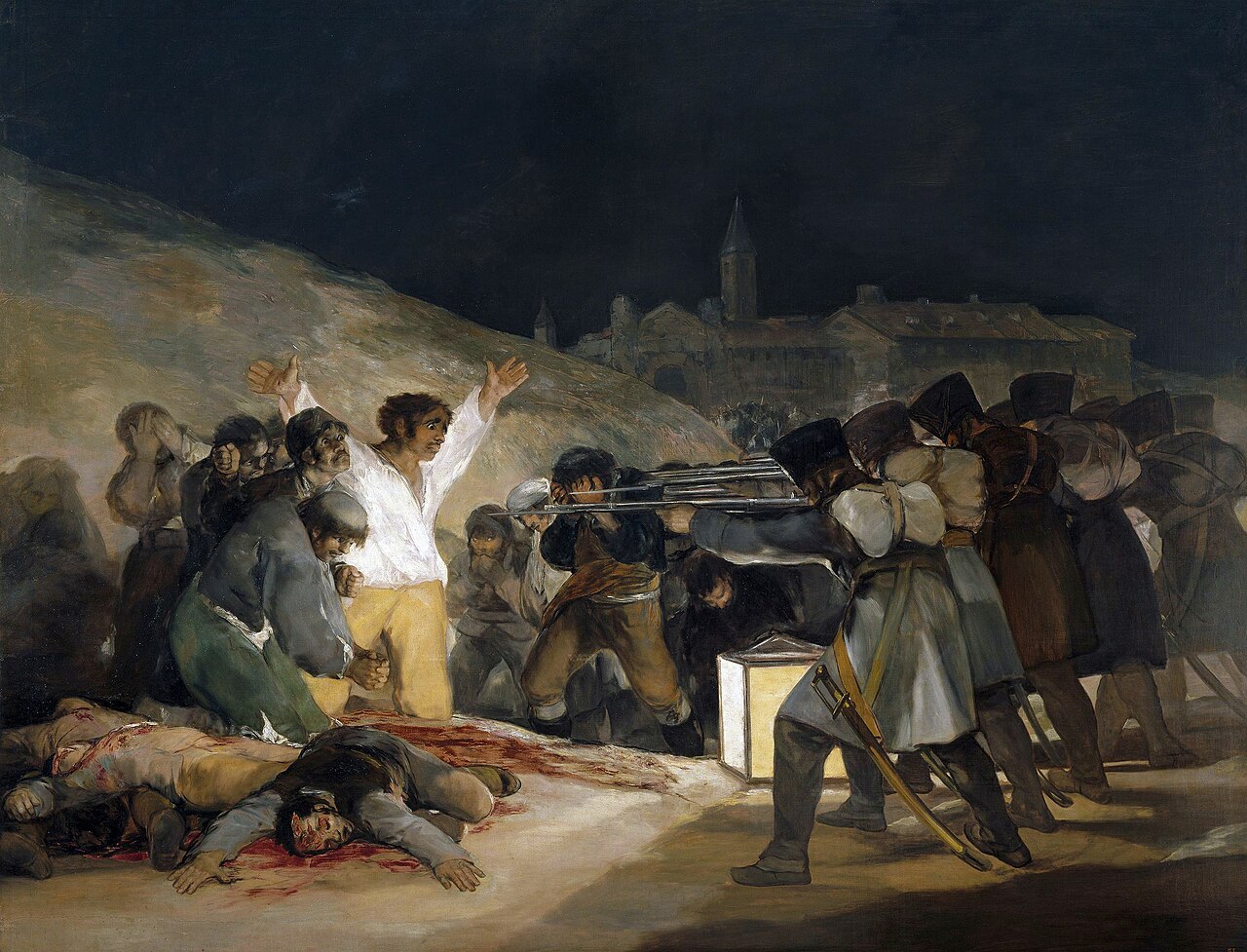 Painting
Secondary source
The Third of May 1808
Francisco Goya · 1814
 Painting
Primary source
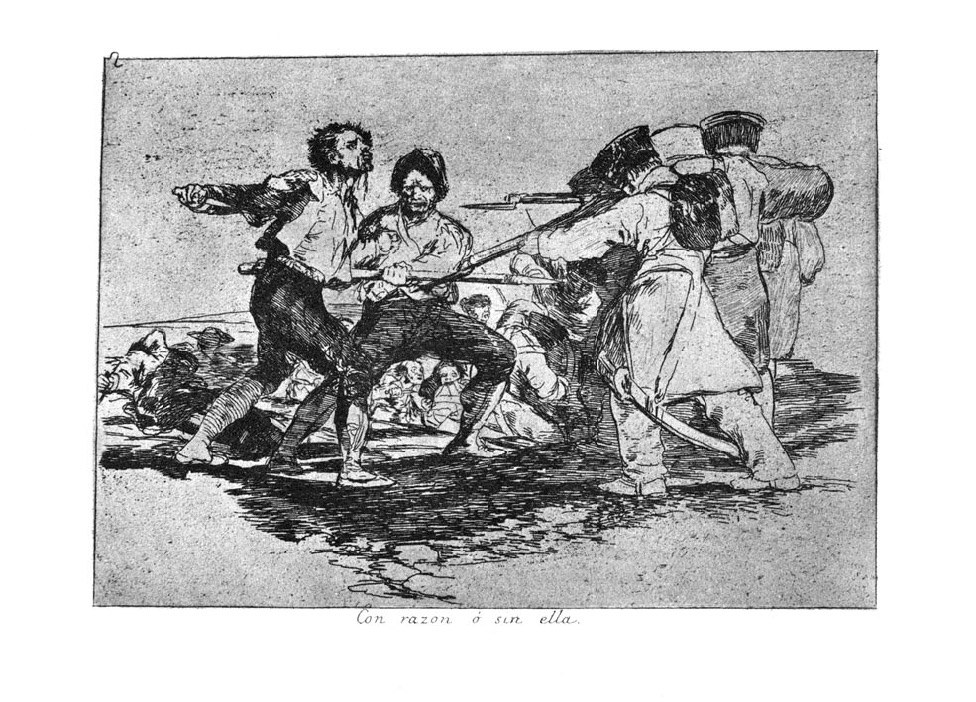
The Disasters of War
Francisco Goya · 1810-1820
 Painting
Primary source
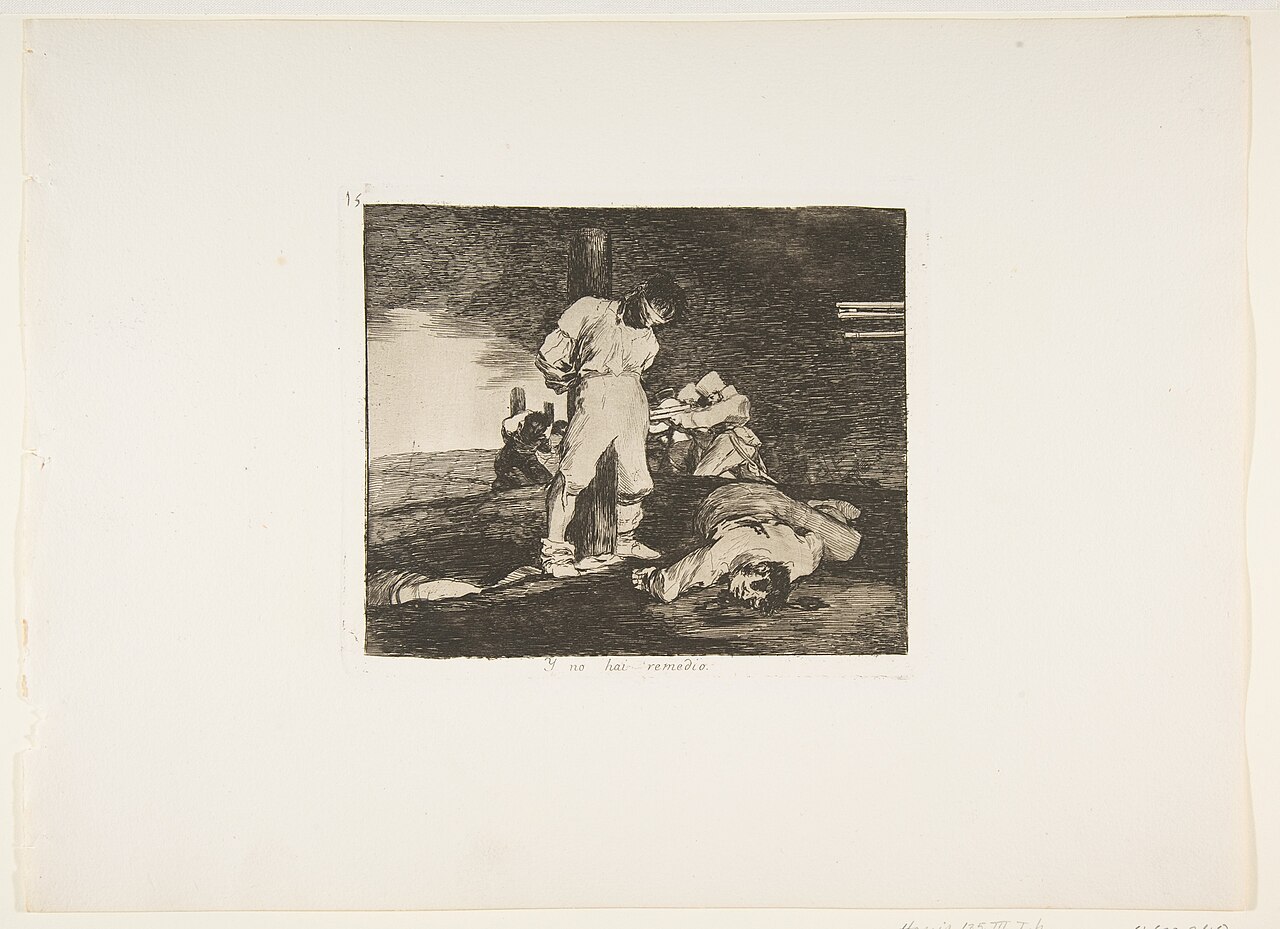
Y no hai remedio
Francisco de Goya · c. 1810-1814 (published 1863)
 Painting
Primary source
Caprichos
Francisco Goya · 1799 (created 1797-1798)
 Painting
Primary source
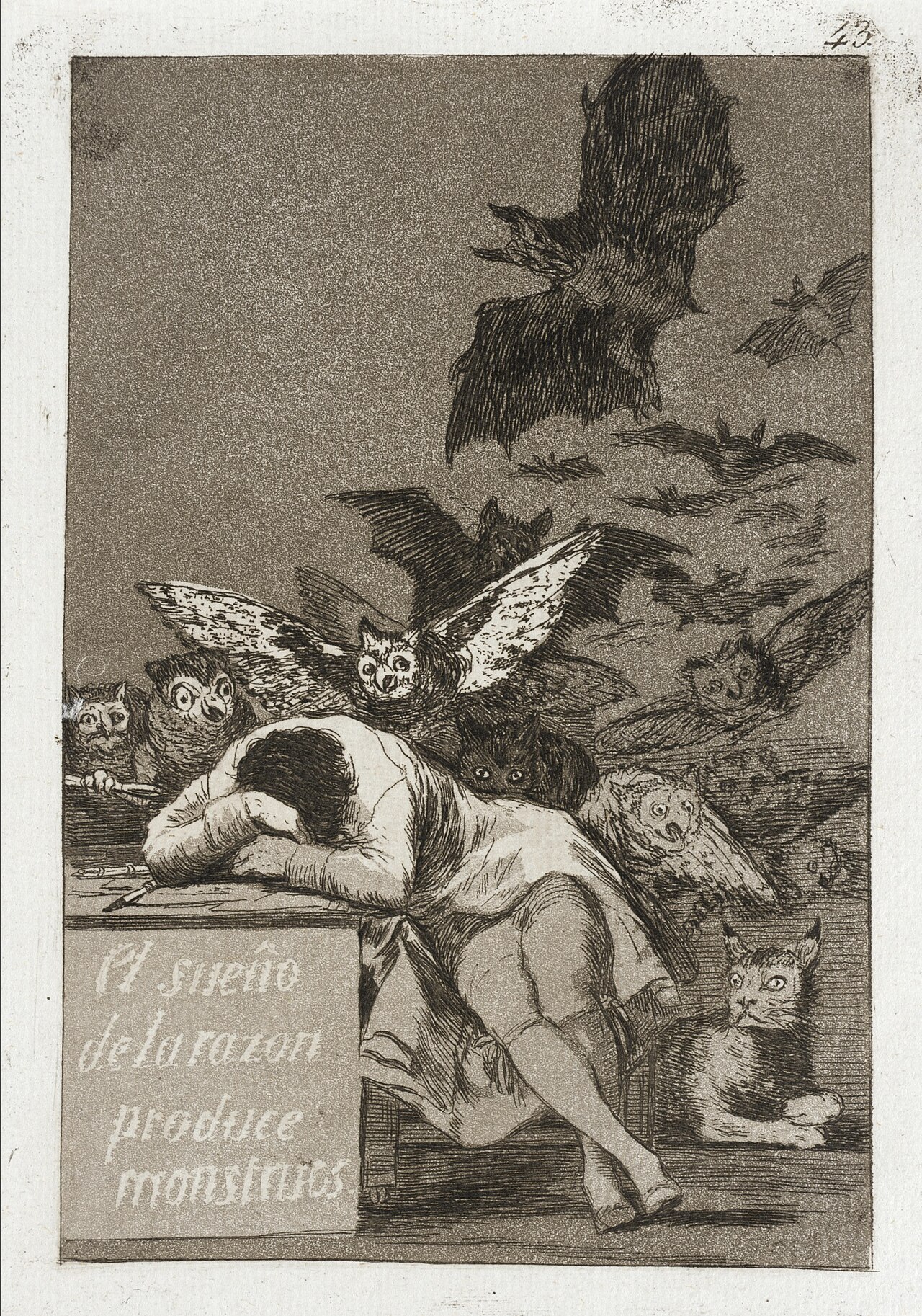
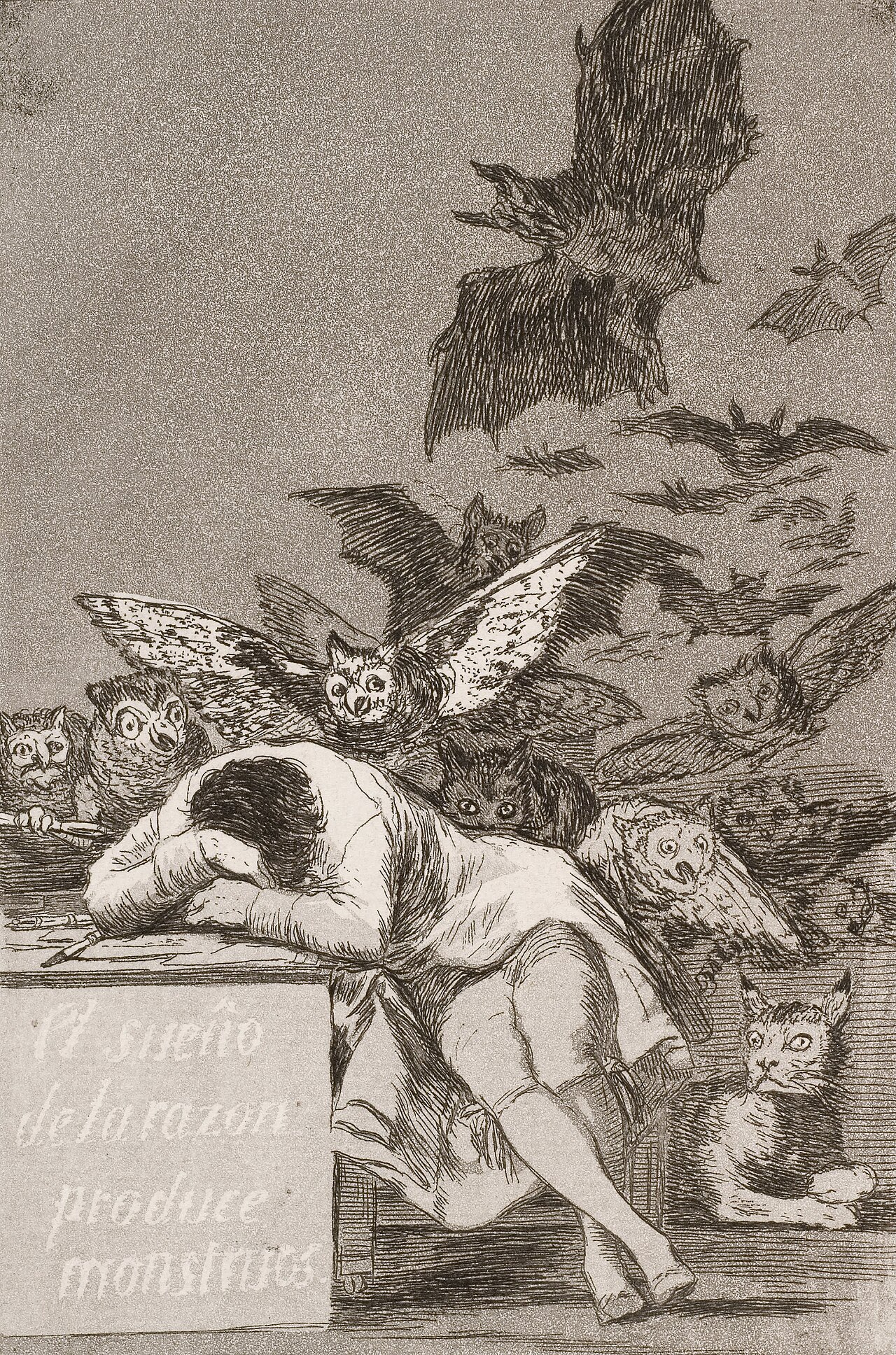
The Sleep of Reason Produces Monsters
Francisco Goya · 1797-1799
Ready when you are
Start chatting with Francisco Goya now.
20 messages free · No credit card · Available in 50+ languages.