


Primary sourceBook1853
Discourse on the Method, Prefatory Note by the Author
René Descartes · 1853
Descartes's own short prefatory note to his Discourse on the Method, in John Veitch's 1853 English translation. It outlines the six parts of the work.
Descartes's own guide to the structure of his Discourse on the Method, one of his most important published works.
About this source
What it is
This is a short prefatory note written by René Descartes for his Discourse on the Method, shown here in John Veitch's English translation of 1853. The note says the Discourse may be divided into six parts. The first covers considerations about the sciences; the second, the principal rules of his method; the third, rules of morals drawn from it; the fourth, his reasons for establishing the existence of God and the human soul; the fifth, the order of physical questions, including the motion of the heart; and the sixth, what he thinks is needed to advance the study of Nature.
Why it matters
The Discourse on the Method is one of the most influential works of early modern philosophy. Its note gives readers a map of the whole book, and it shows that Descartes thought his method could guide questions in medicine and physics as well as metaphysics. Veitch's translation made his ideas available to English readers in the nineteenth century.
Look closer
- Which of the six parts seems most closely linked to the others, and why might Descartes have ordered them this way?
- Why might an author add a note like this to help readers before they begin?
- What does the note leave out about the arguments themselves, and where would you look to find them?
This book is part of the curated material that grounds the AI version of Rene Descartes on Humy.ai — when students ask about related events, the AI can quote it and cite it.
More Rene Descartes sources
Meet the AI Rene Descartes →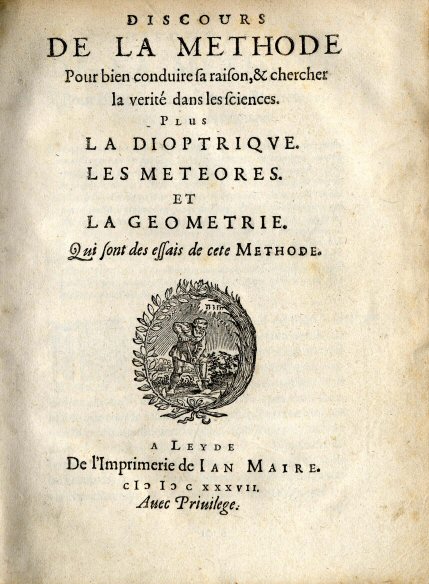 Book
Primary source
Discourse on the Method
René Descartes · 1637
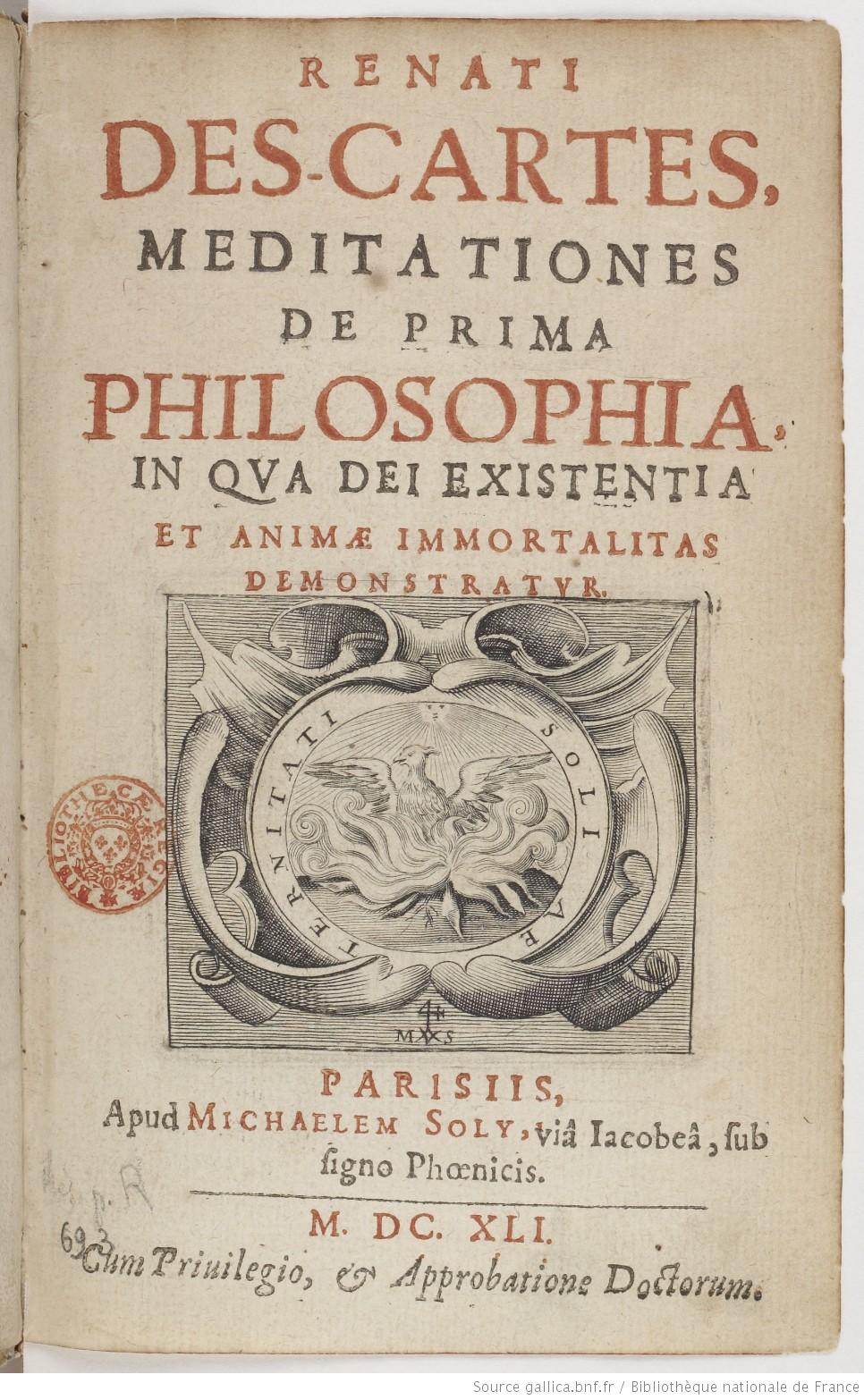 Book
Primary source
Meditations on First Philosophy
René Descartes · 1641
 Document
Primary source
La Géométrie
René Descartes · 1637
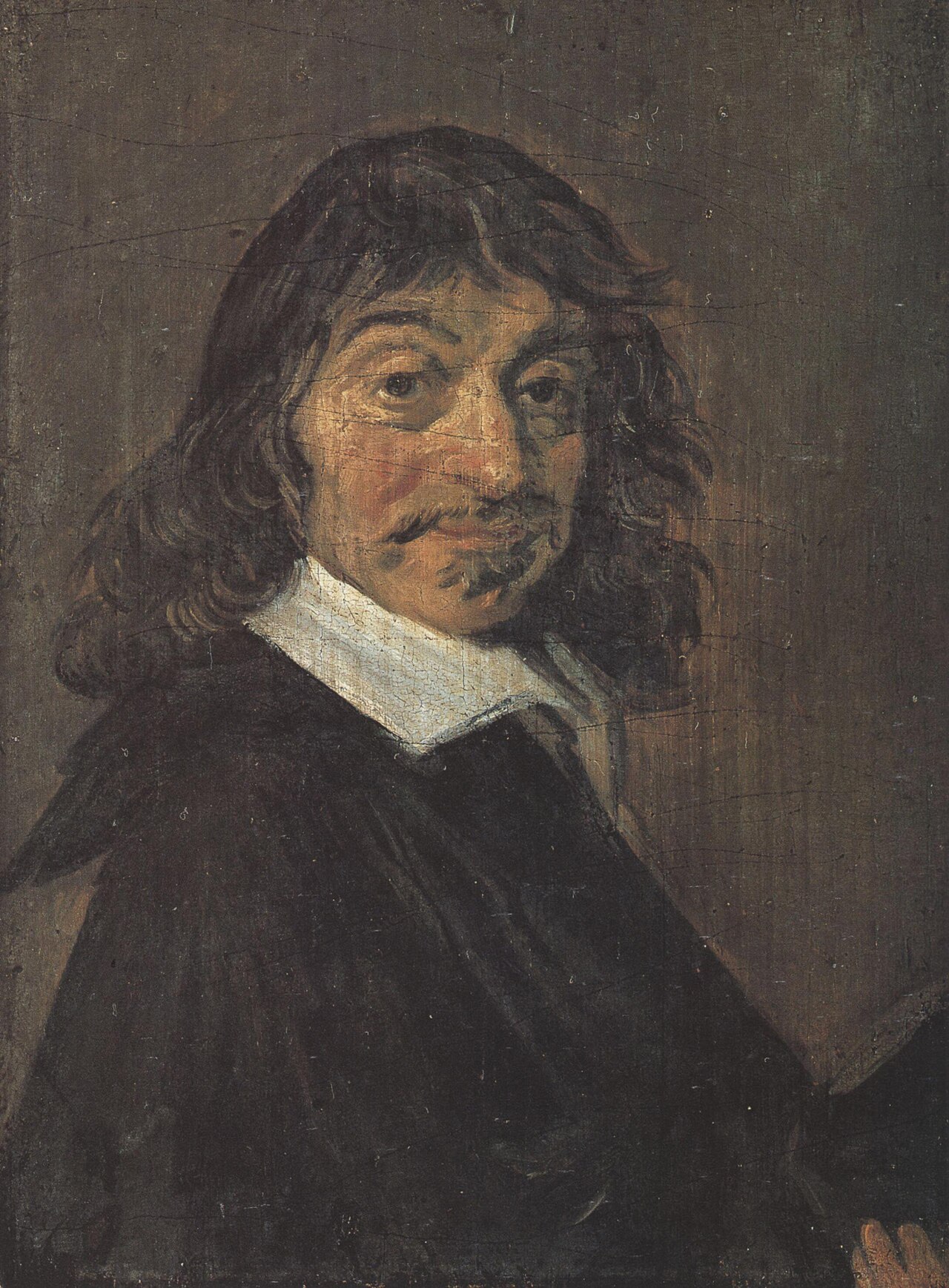 Painting
Primary source
Portrait of René Descartes
Frans Hals · 1649
 Book
Primary source
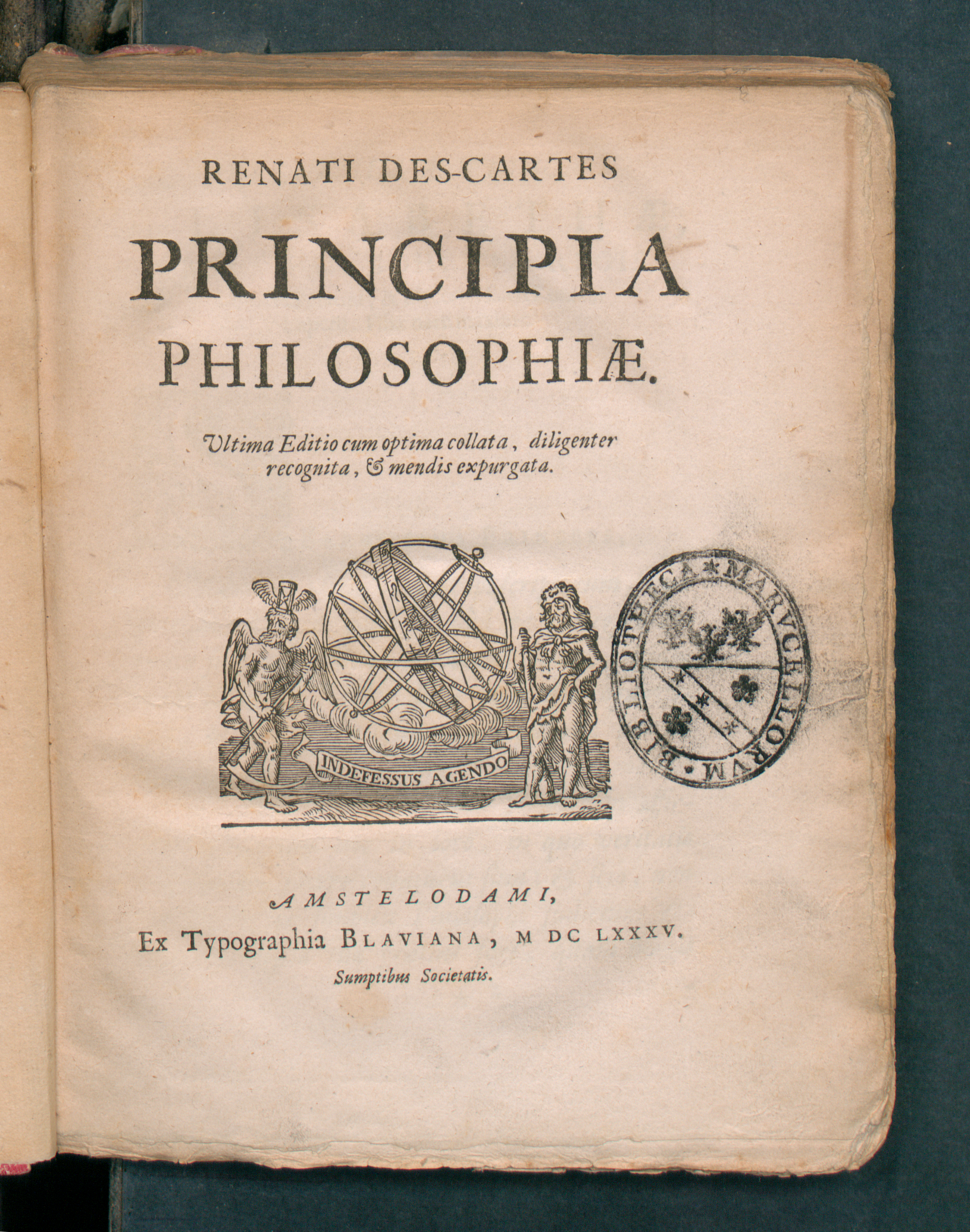
Principles of Philosophy
René Descartes · 1644
Ready when you are
Start chatting with Rene Descartes now.
20 messages free · No credit card · Available in 50+ languages.