


Secondary sourceBook
Discourses of Epictetus
Epictetus
George Long's English translation of the Discourses, the main written record of Epictetus's spoken teaching as recorded by his student Arrian.
This translation preserves Epictetus's recorded spoken teachings, our primary access to his philosophy.
About this source
What it is
This is a printed English translation, by George Long, of a selection from the Discourses of Epictetus along with the Encheiridion (Manual). The original material was spoken teaching that Epictetus's student Arrian wrote down.
Why it matters
Epictetus left no writings of his own; everything we know of his words comes through Arrian's notes, later copied, translated, and reprinted across centuries. This edition opens with a biographical note admitting how little is actually known about Epictetus's life, including his time as an enslaved person in Rome under Epaphroditus, a freedman of Nero.
Look closer
- Why is it significant that Epictetus's own words only survive because someone else wrote them down?
- What does the biographical note's uncertainty tell you about how much we can really know about ancient figures?
- How might being enslaved have shaped the ideas Epictetus taught?
This book is part of the curated material that grounds the AI version of Epictetus on Humy.ai — when students ask about related events, the AI can quote it and cite it.
More Epictetus sources
Meet the AI Epictetus →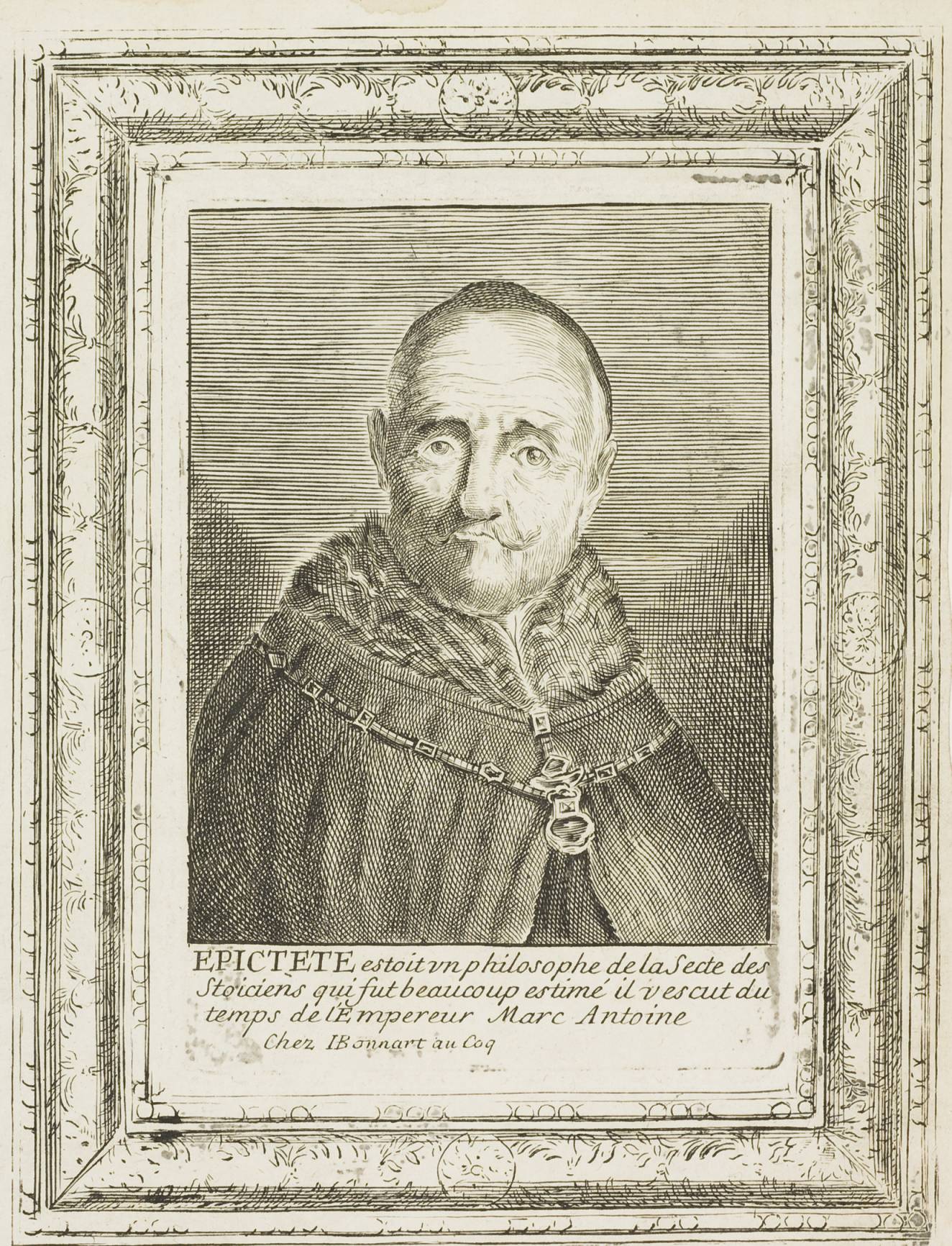 Painting
Secondary source
Epictete
Henri Bonnart · 17th century
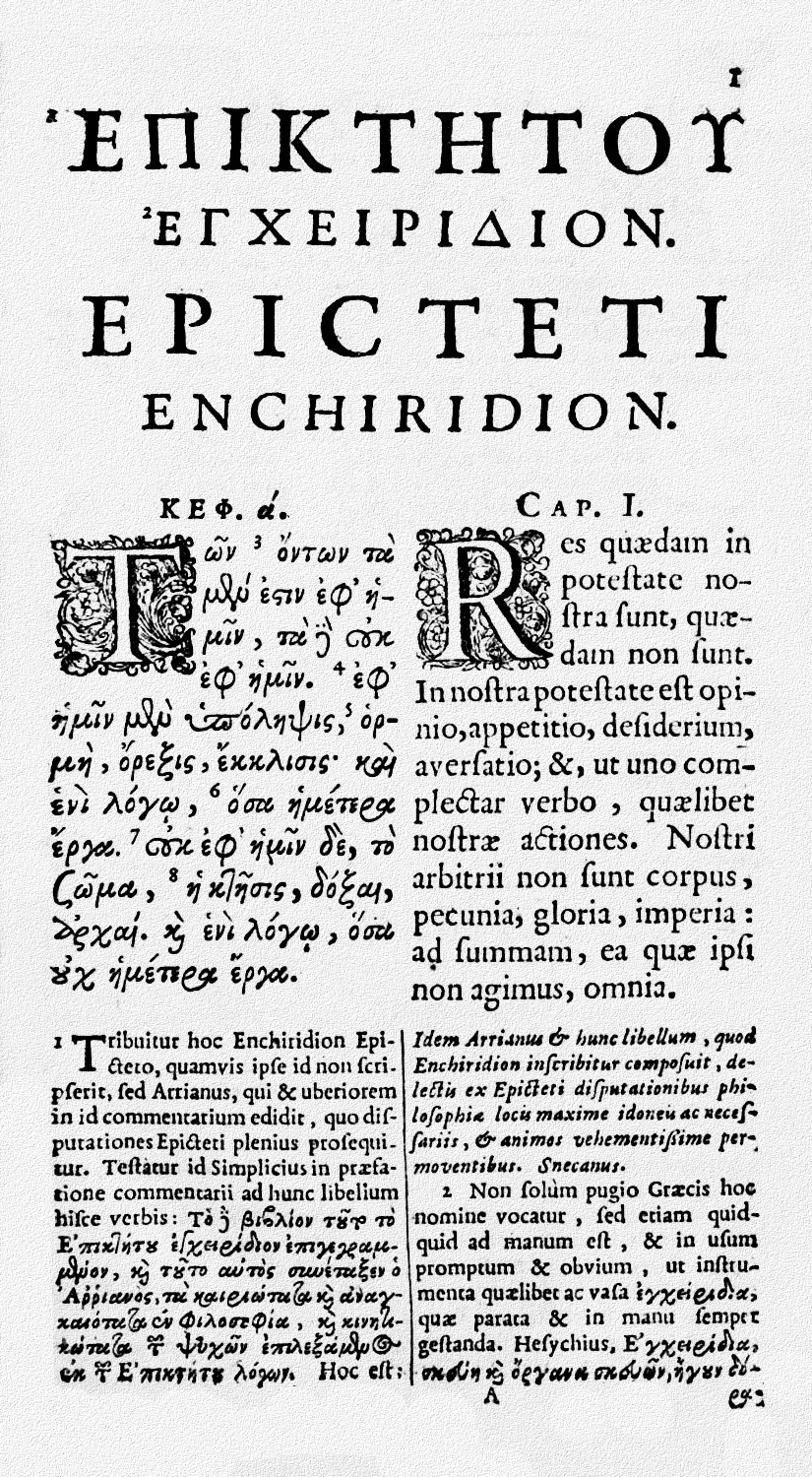 Book
Secondary source
Enchiridion of Epictetus
Arrian · early 2nd century AD (this edition 1683)
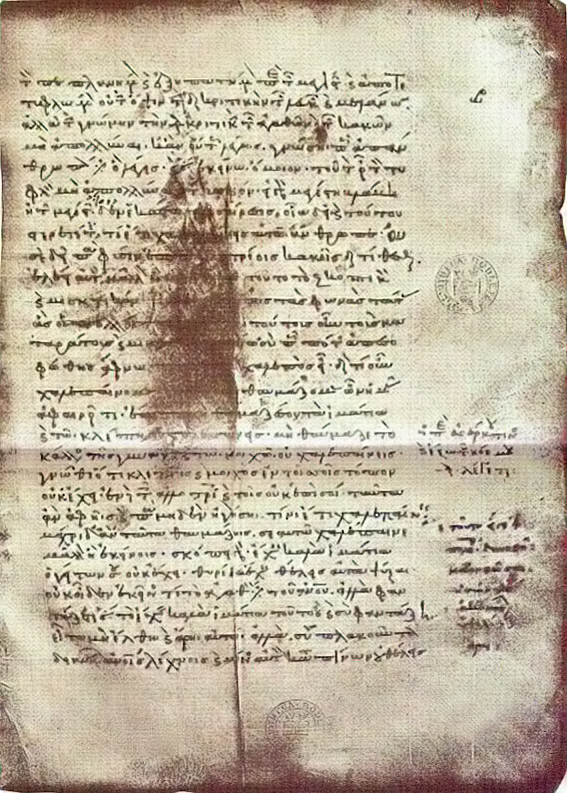 Book
Secondary source
Discourses of Epictetus
Arrian · c. 108 AD
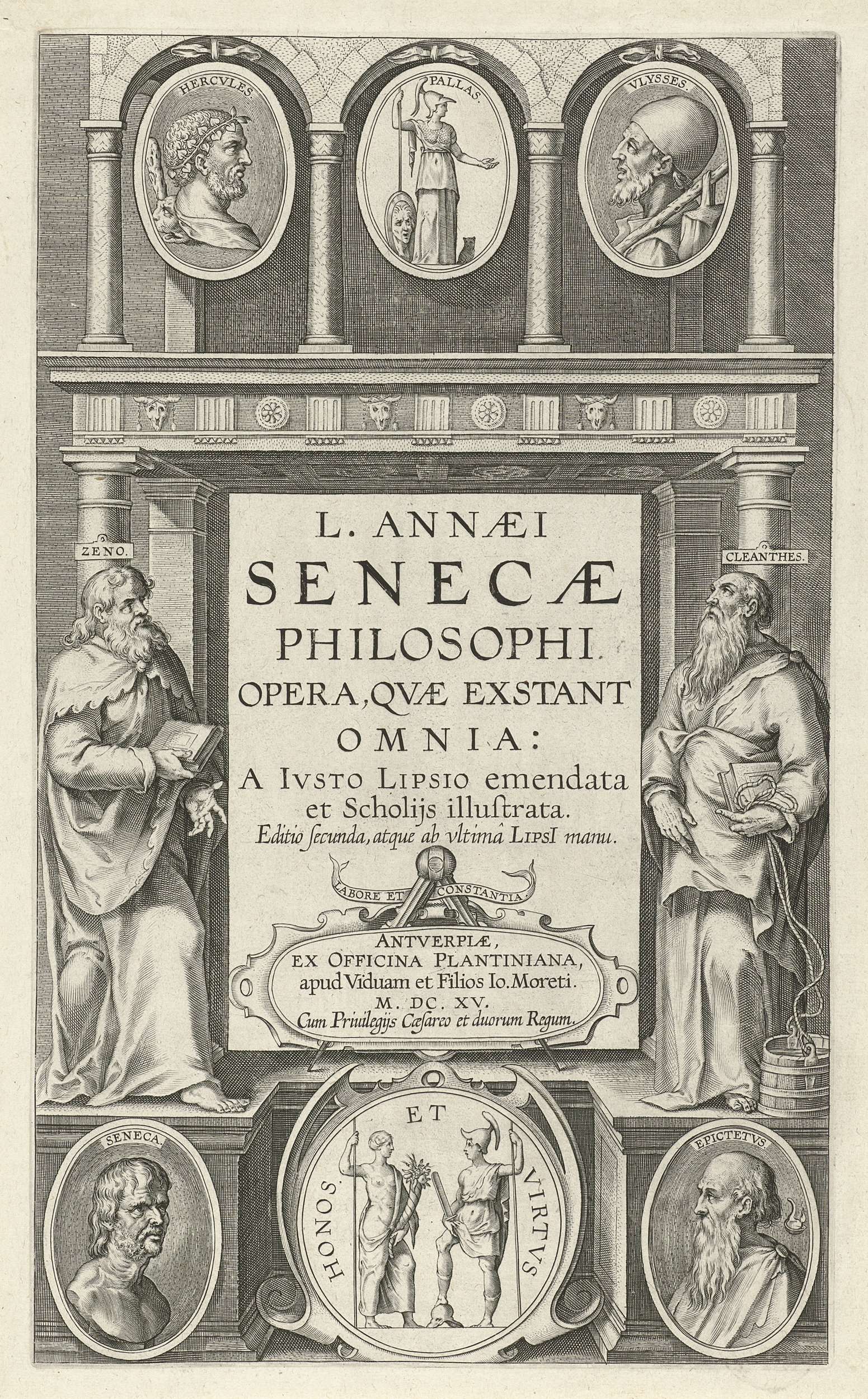 Painting
Secondary source
Title Page of L. Annaei Senecae Philosophi Opera
1615
DocumentSecondary source
Codex Bodleianus
c. 11th-12th century
Ready when you are
Start chatting with Epictetus now.
20 messages free · No credit card · Available in 50+ languages.