


Primary sourceBook
Discourses of Epictetus, selection
Epictetus
An English translation of a selection from Epictetus's Discourses and the Enchiridion, originally transcribed by his pupil Arrian.
This is Epictetus's own teachings, as transcribed by his pupil Arrian, here presented in English translation.
About this source
What it is
This is a selection from the Discourses of Epictetus and the Encheiridion (Manual), translated into English by George Long. The original teachings were spoken by Epictetus and written down by his student Arrian, since Epictetus himself left no writings.
Why it matters
This text is the closest record we have to Epictetus's own voice. It records his Stoic teachings on duty, self-control, and what is and is not within a person's control, ideas that shaped later thinkers for centuries. Because it survives only through Arrian's transcription, it also raises questions about how faithfully spoken words can be preserved in writing.
Look closer
- Why do you think Epictetus never wrote his teachings down himself?
- What might be lost or changed when a pupil like Arrian transcribes a teacher's spoken words?
- How does reading a translation, rather than the original Greek, change your experience of the text?
This book is part of the curated material that grounds the AI version of Epictetus on Humy.ai — when students ask about related events, the AI can quote it and cite it.
More Epictetus sources
Meet the AI Epictetus →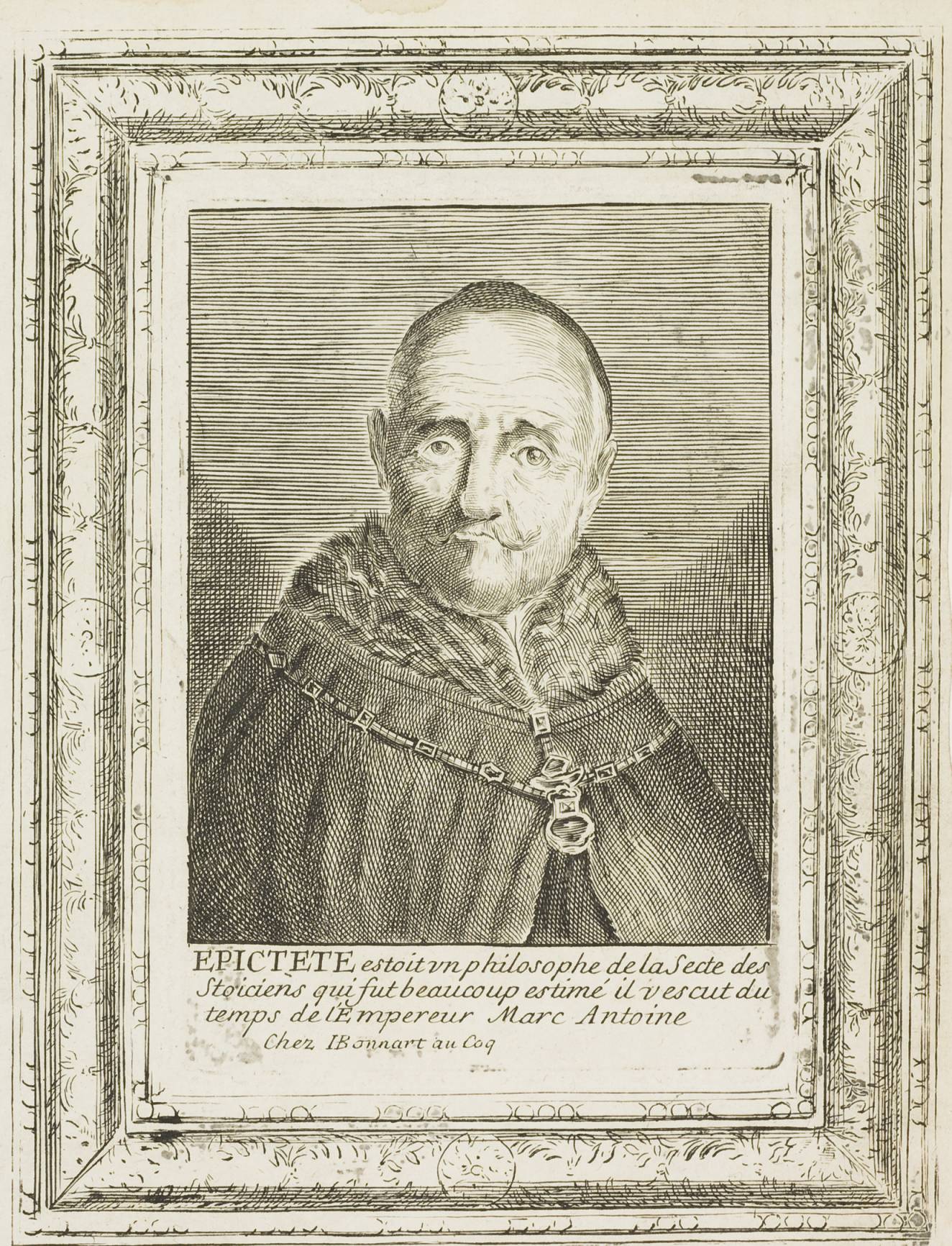 Painting
Secondary source
Epictete
Henri Bonnart · 17th century
 Book
Secondary source
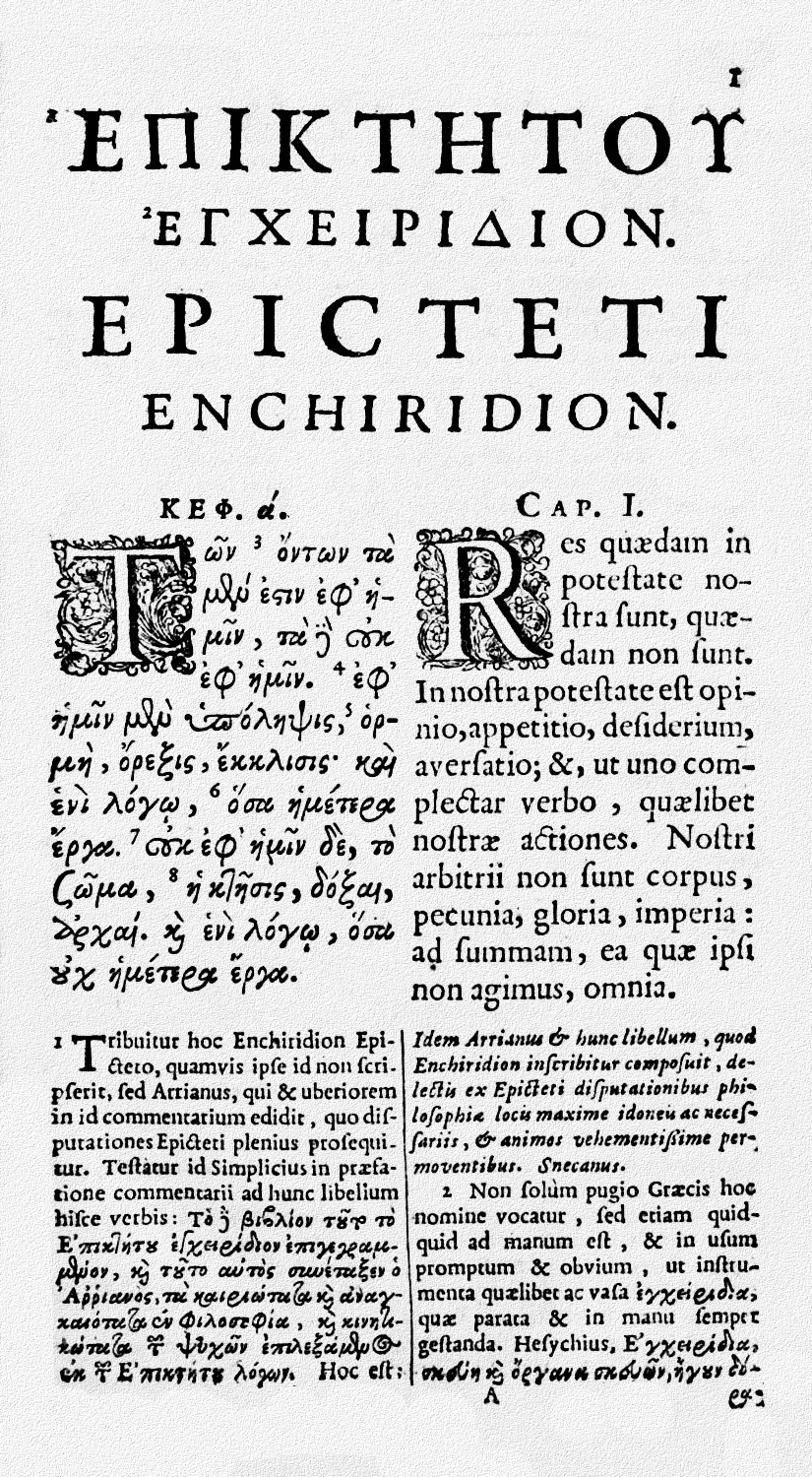
Enchiridion of Epictetus
Arrian · early 2nd century AD (this edition 1683)
 Book
Secondary source
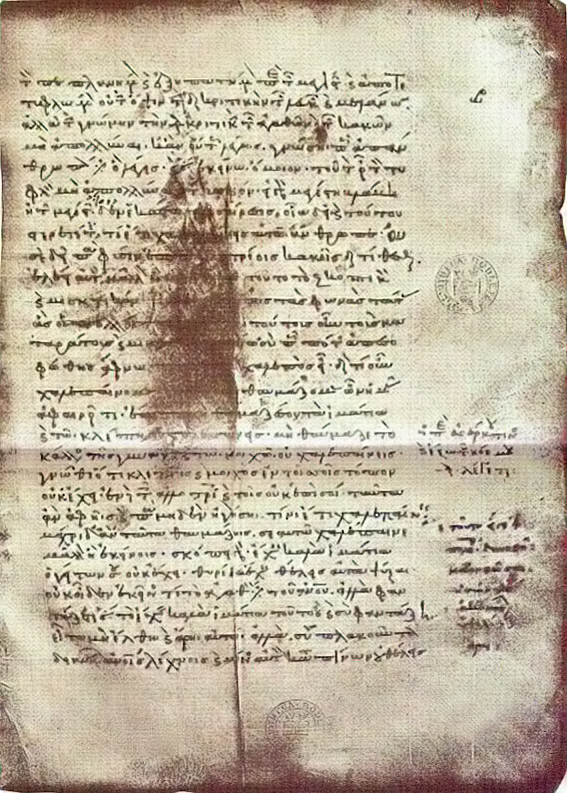
Discourses of Epictetus
Arrian · c. 108 AD
 Painting
Secondary source
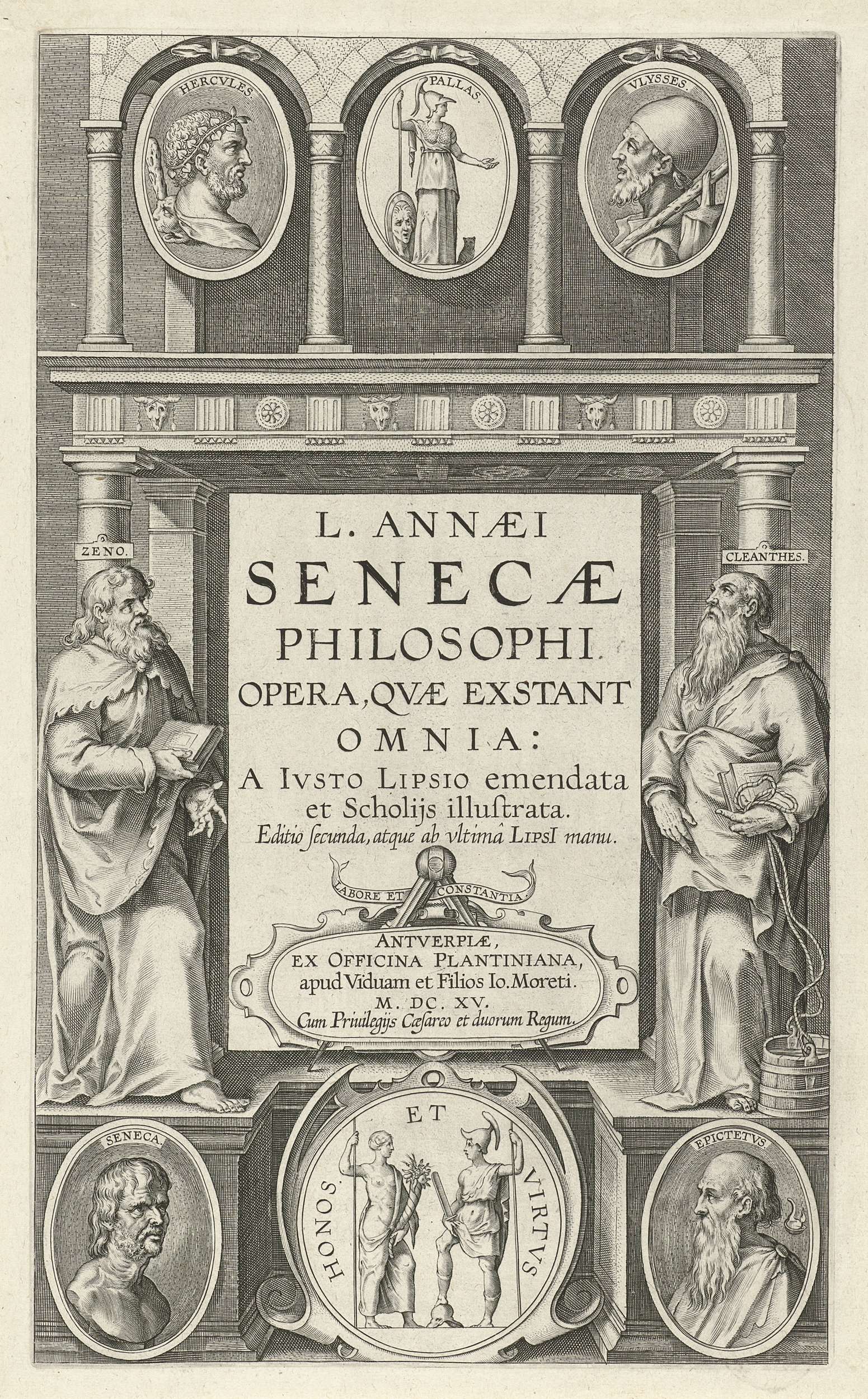
Title Page of L. Annaei Senecae Philosophi Opera
1615
DocumentSecondary source
Codex Bodleianus
c. 11th-12th century
Ready when you are
Start chatting with Epictetus now.
20 messages free · No credit card · Available in 50+ languages.