


Secondary sourceArtifact1327 (traditional date)
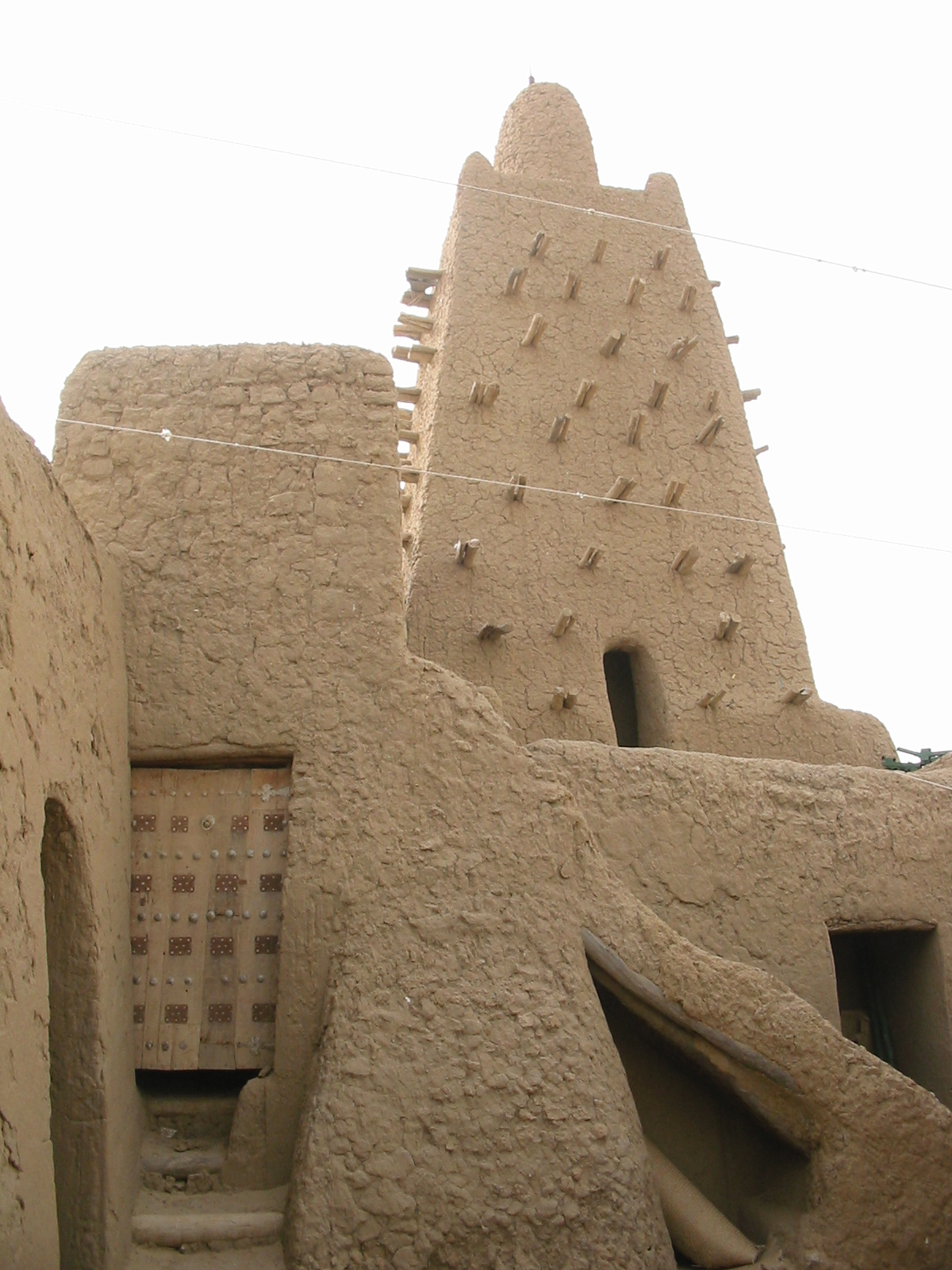
Djinguereber Mosque
1327 (traditional date)
An earthen mosque in Timbuktu traditionally said to have been built on Mansa Musa's orders after his return from pilgrimage.
The main surviving monument traditionally linked to Mansa Musa's patronage of Islamic learning.
About this source
What it is
The Djinguereber Mosque is a mud-brick mosque in Timbuktu, Mali, traditionally dated to 1327. It is one of the buildings linked to the city's historic community of Islamic scholars, sometimes called the 'University of Timbuktu'.
Why it matters
The mosque is traditionally credited to Mansa Musa, built soon after his famous hajj to Mecca in 1324. Whatever the exact details of its construction, it stands as the main surviving monument connected to Musa's support for Islam and learning in Timbuktu, and shows how his reign shaped the city for centuries afterward.
Look closer
- What materials was the mosque built from, and what does that tell you about the local environment?
- Why might later threats like weather and conflict make a building like this hard to preserve?
- What does this building tell us that a written source cannot?
This artifact is part of the curated material that grounds the AI version of Mansa Musa, Ibn Battuta and Sunni Ali on Humy.ai — when students ask about related events, the AI can quote it and cite it.
More Mansa Musa sources
Meet the AI Mansa Musa →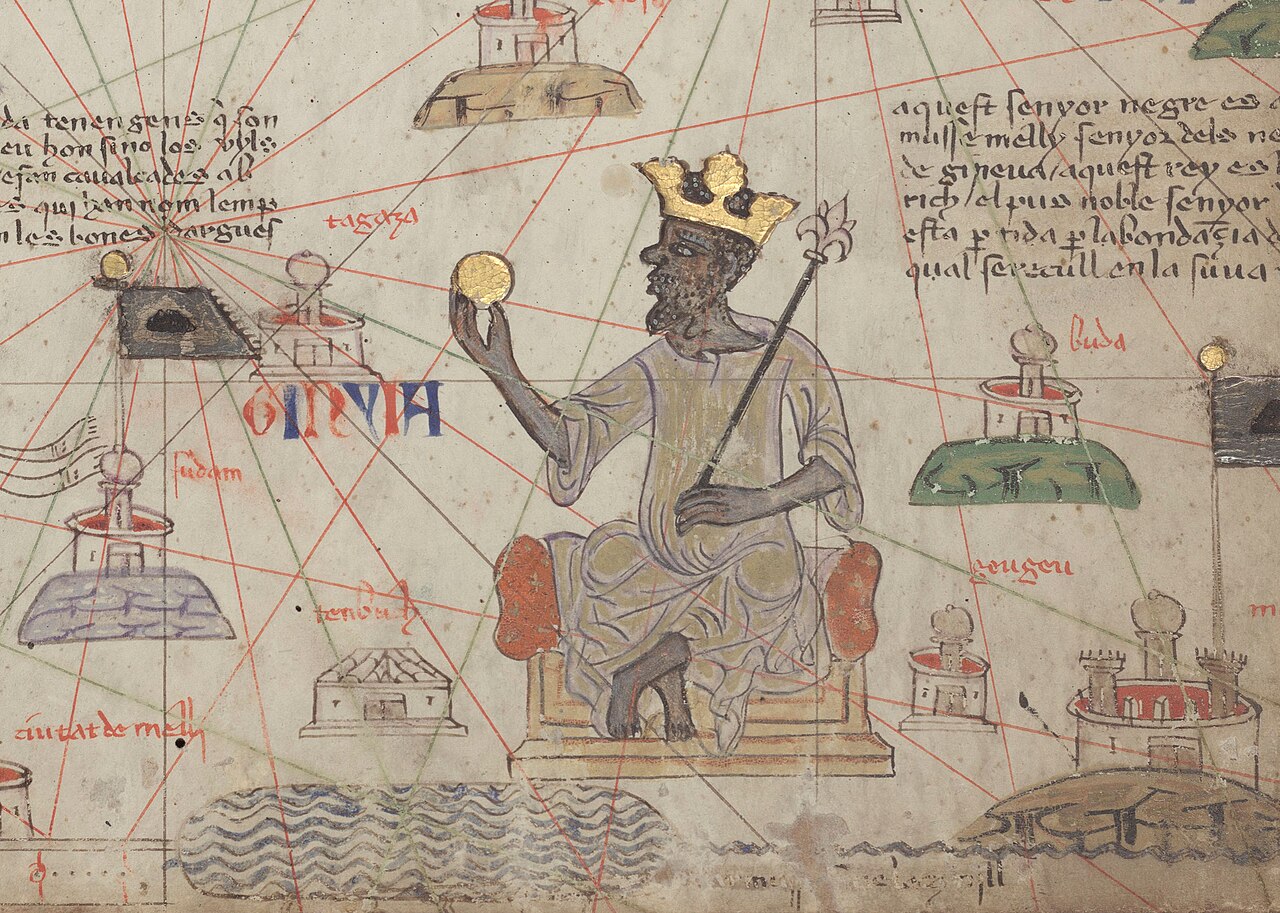 Painting
Secondary source
Catalan Atlas: Mansa Musa Enthroned
Abraham Cresques (attributed) · 1375
 Book
Secondary source
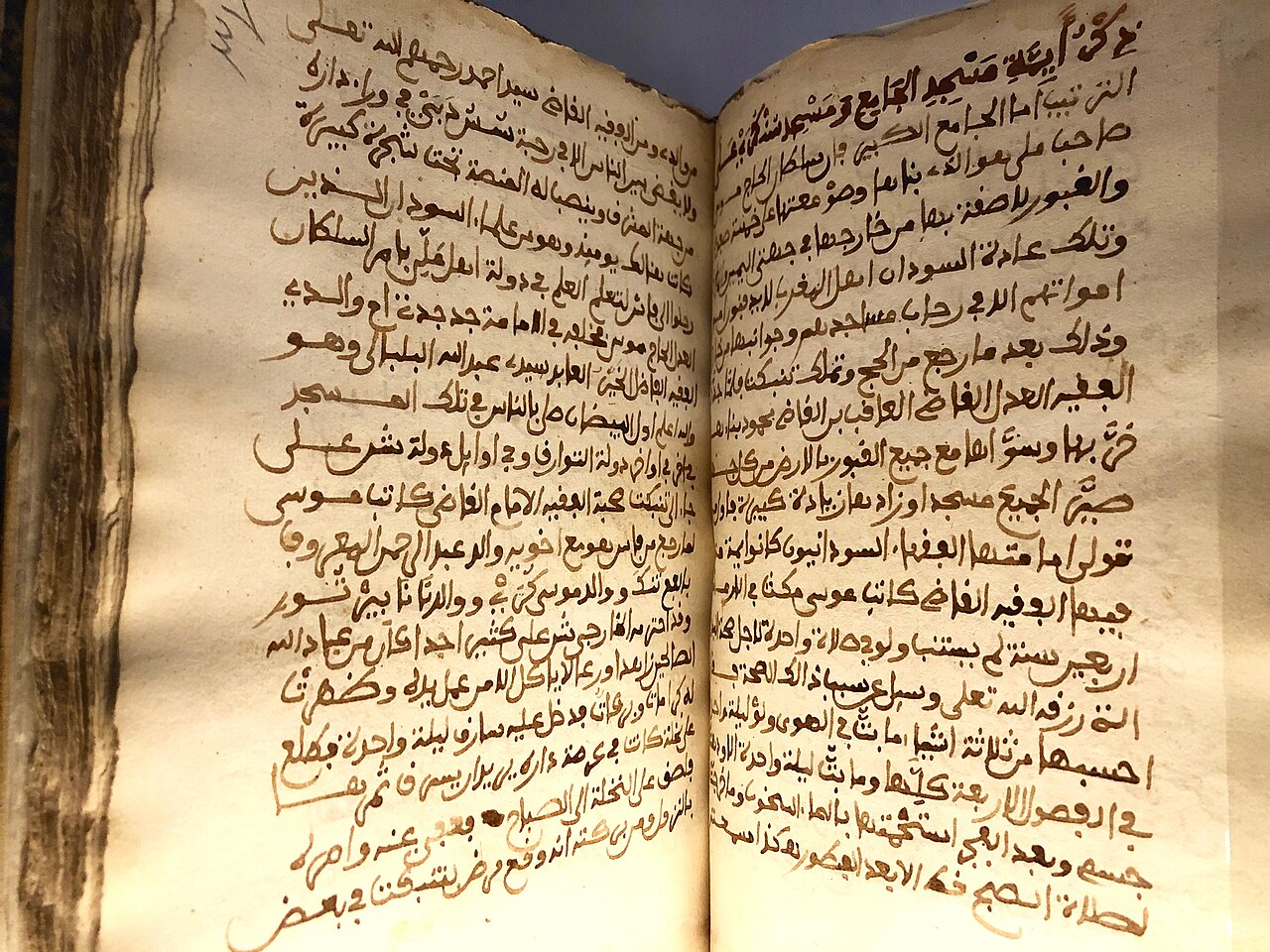
Tarikh al-Sudan
Abderrahmane Es Saâdi · c. 1655
 Artifact
Secondary source
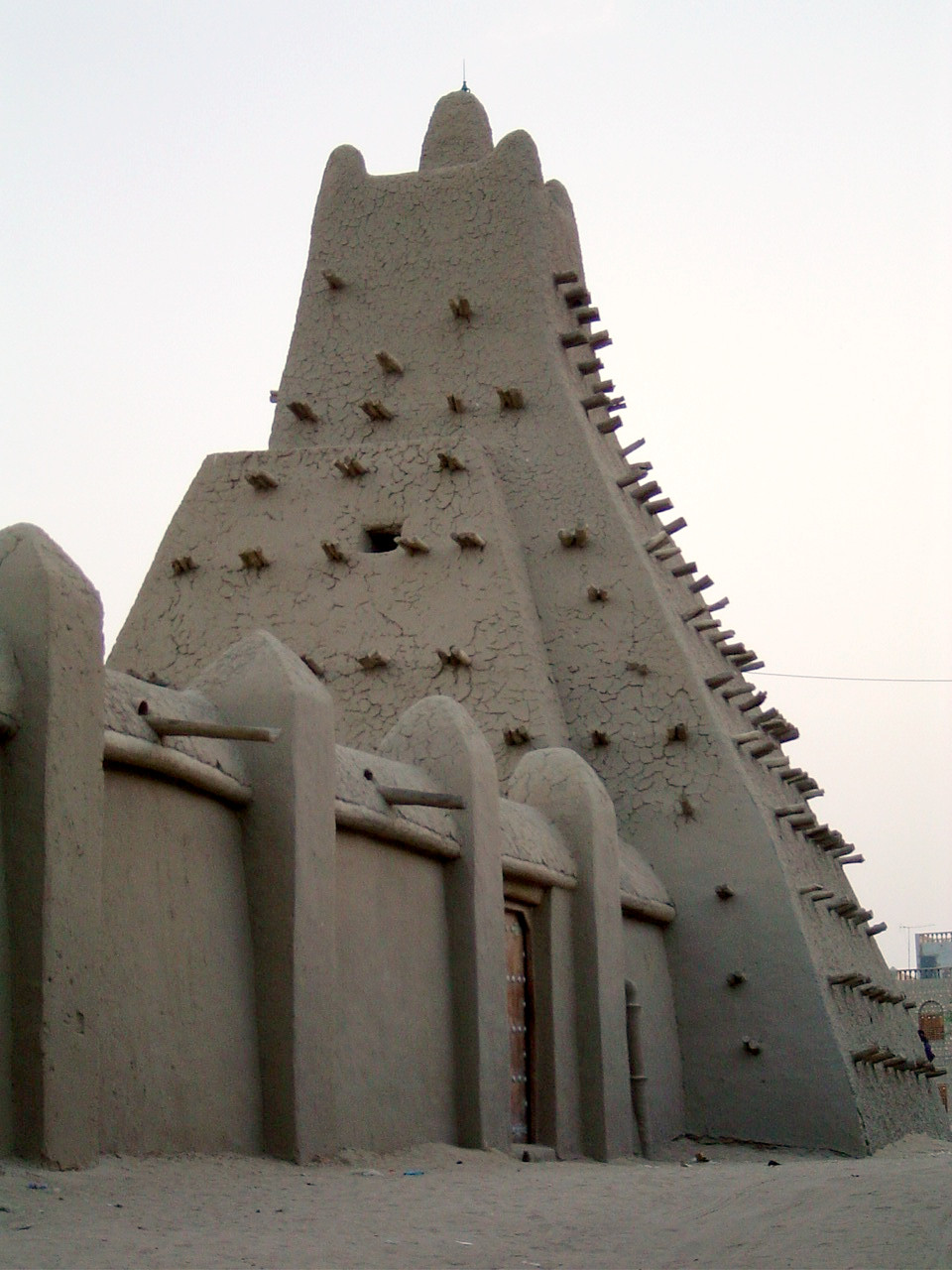
Sankoré Madrasa
14th-15th century
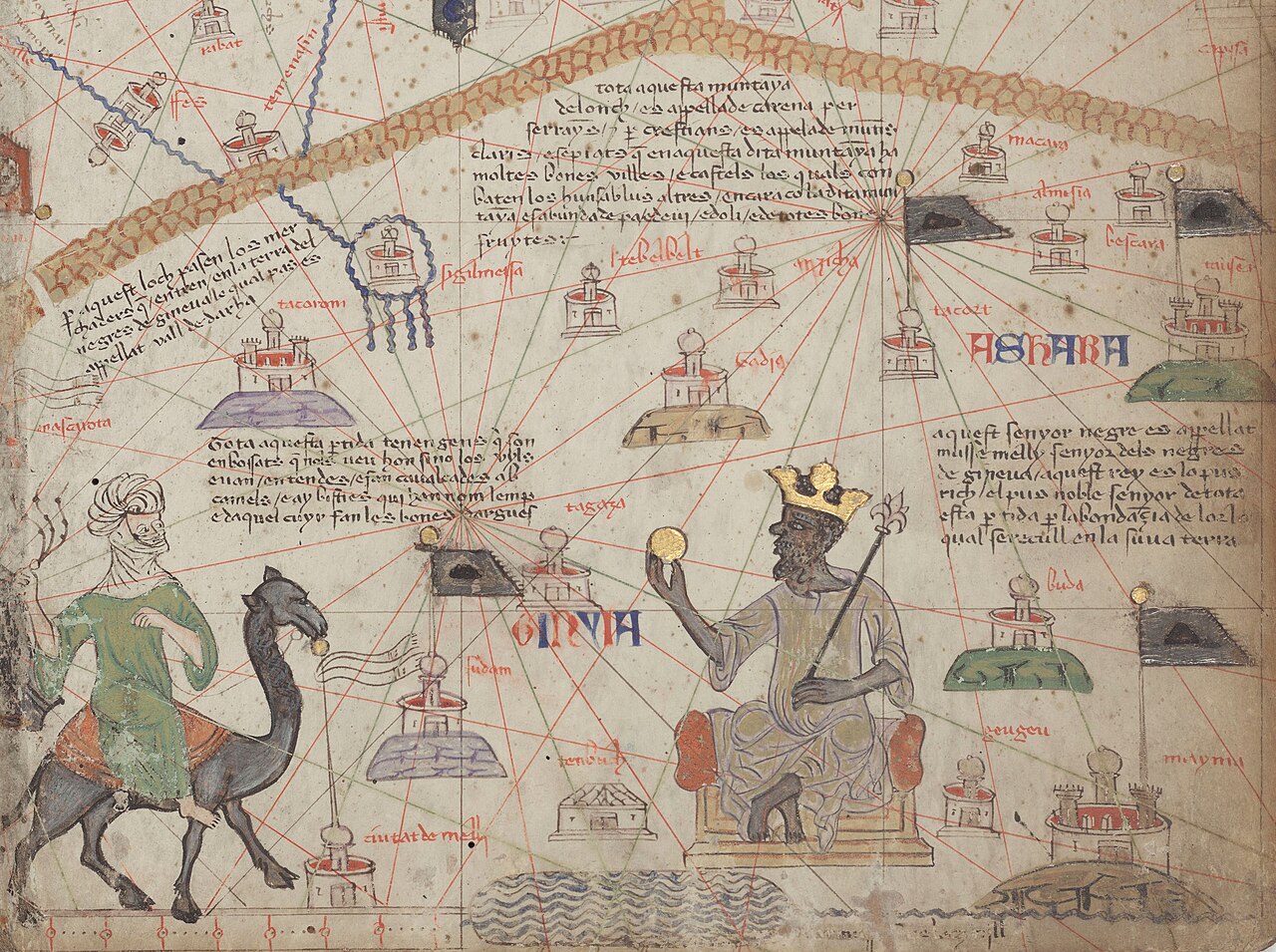 Painting
Primary source
Catalan Atlas, Sheet 6: Western Sahara
Abraham Cresques · 1375
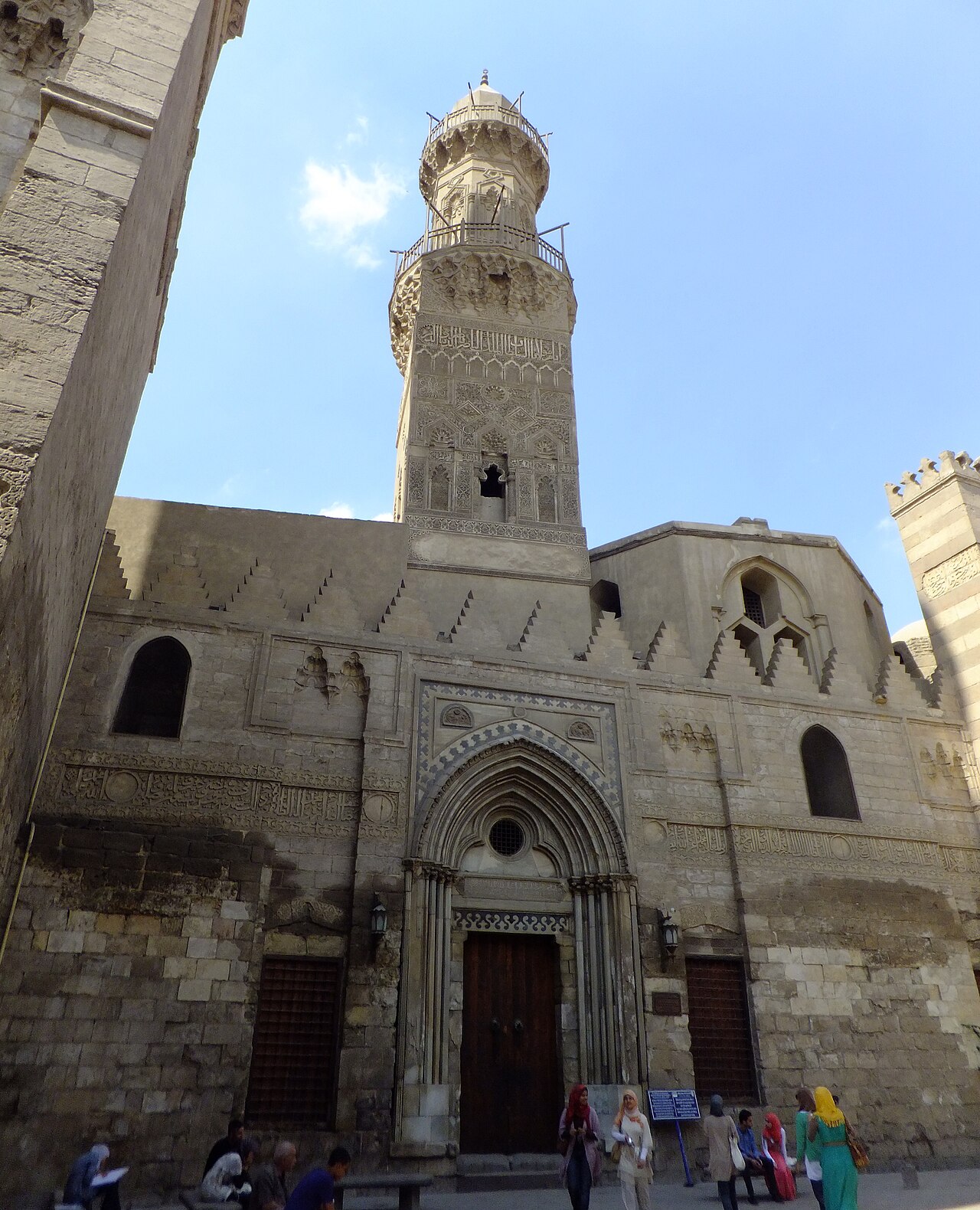 Artifact
Secondary source
Madrasa of Al-Nasir Muhammad
1303
Ready when you are
Start chatting with Mansa Musa now.
20 messages free · No credit card · Available in 50+ languages.