


Primary sourcePainting1644
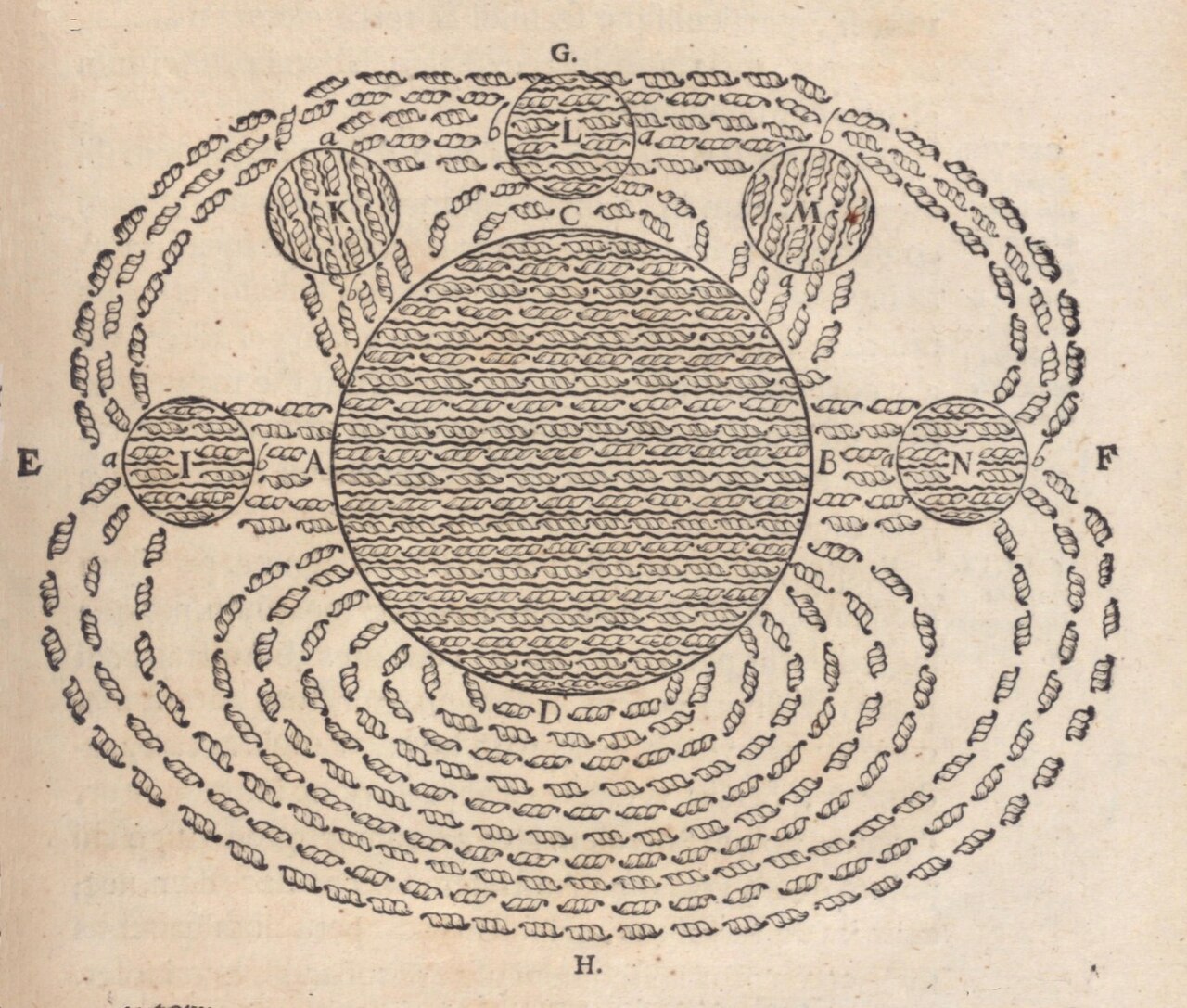
Drawing of a Magnetic Field from Principia Philosophiae
René Descartes · 1644
Descartes's own diagram of the Earth's magnetic field and lodestones, from his 1644 book Principia Philosophiae, one of the earliest such drawings.
This diagram is Descartes's own attempt to explain magnetism, showing his scientific as well as philosophical work.
About this source
What it is
This diagram was drawn by René Descartes and published in his book Principia Philosophiae in 1644. It shows the Earth (labelled D) attracting several round lodestones, and illustrates Descartes's theory that magnetism was caused by tiny helical particles circulating through magnets and the space around them.
Why it matters
This is considered one of the earliest drawings of the concept of a magnetic field. It shows how Descartes tried to explain natural forces through mechanical causes — tiny moving particles — rather than invisible mysterious powers, a key part of his scientific approach.
Look closer
- What do the curved lines and circles in the diagram seem to represent?
- Why might Descartes have used a mechanical explanation (particles and pores) instead of just describing magnetism as a force?
- How does this image compare to how magnetic fields are drawn today?
This painting is part of the curated material that grounds the AI version of Rene Descartes on Humy.ai — when students ask about related events, the AI can quote it and cite it.
More Rene Descartes sources
Meet the AI Rene Descartes →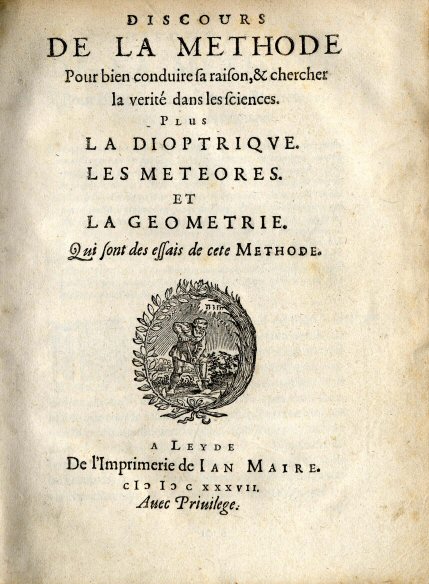 Book
Primary source
Discourse on the Method
René Descartes · 1637
 Book
Primary source
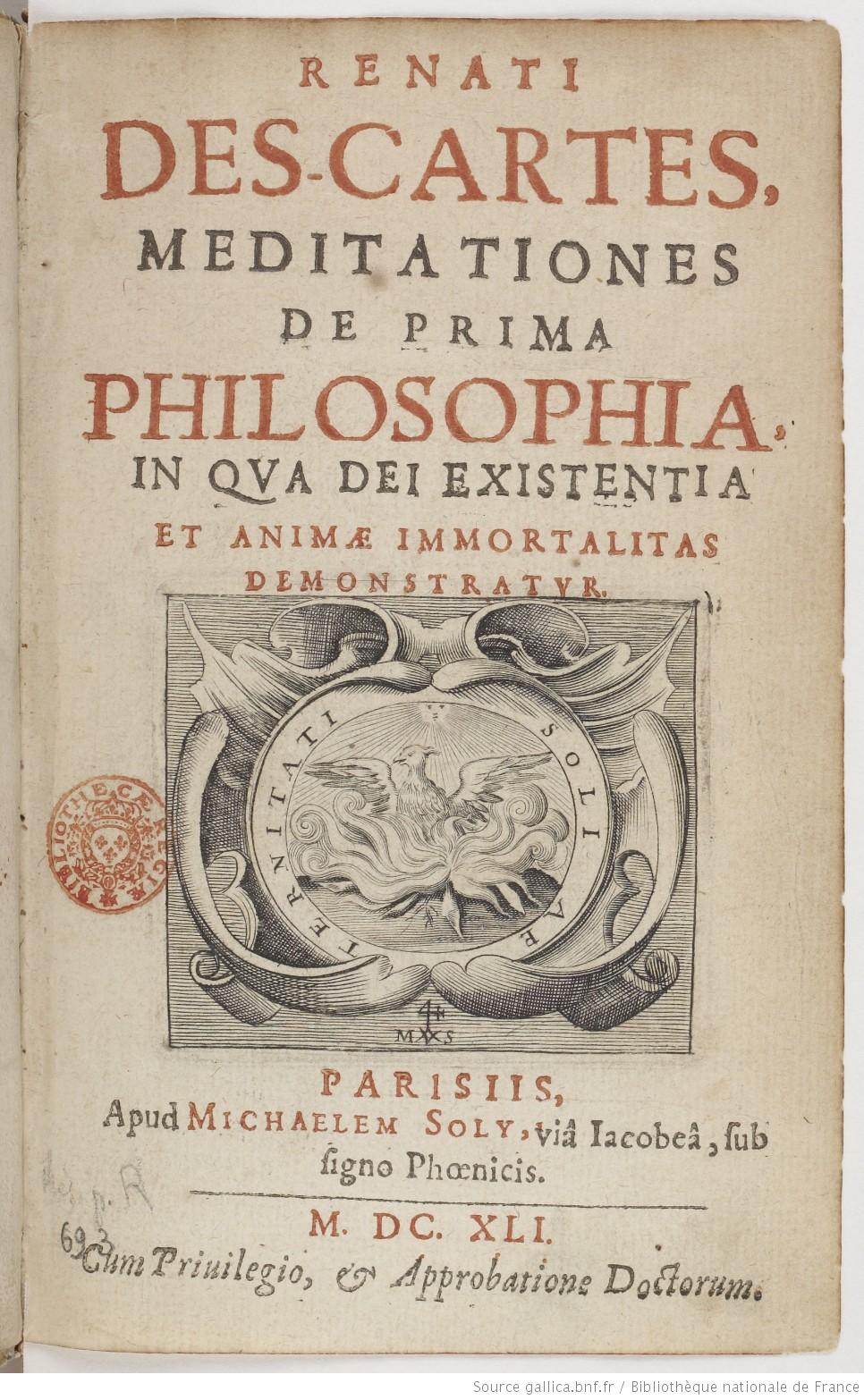
Meditations on First Philosophy
René Descartes · 1641
 Document
Primary source
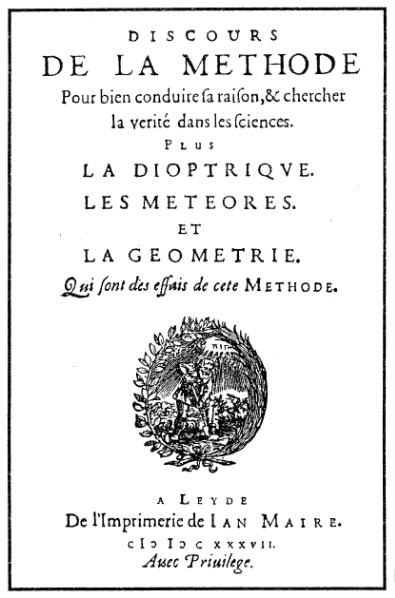
La Géométrie
René Descartes · 1637
 Painting
Primary source
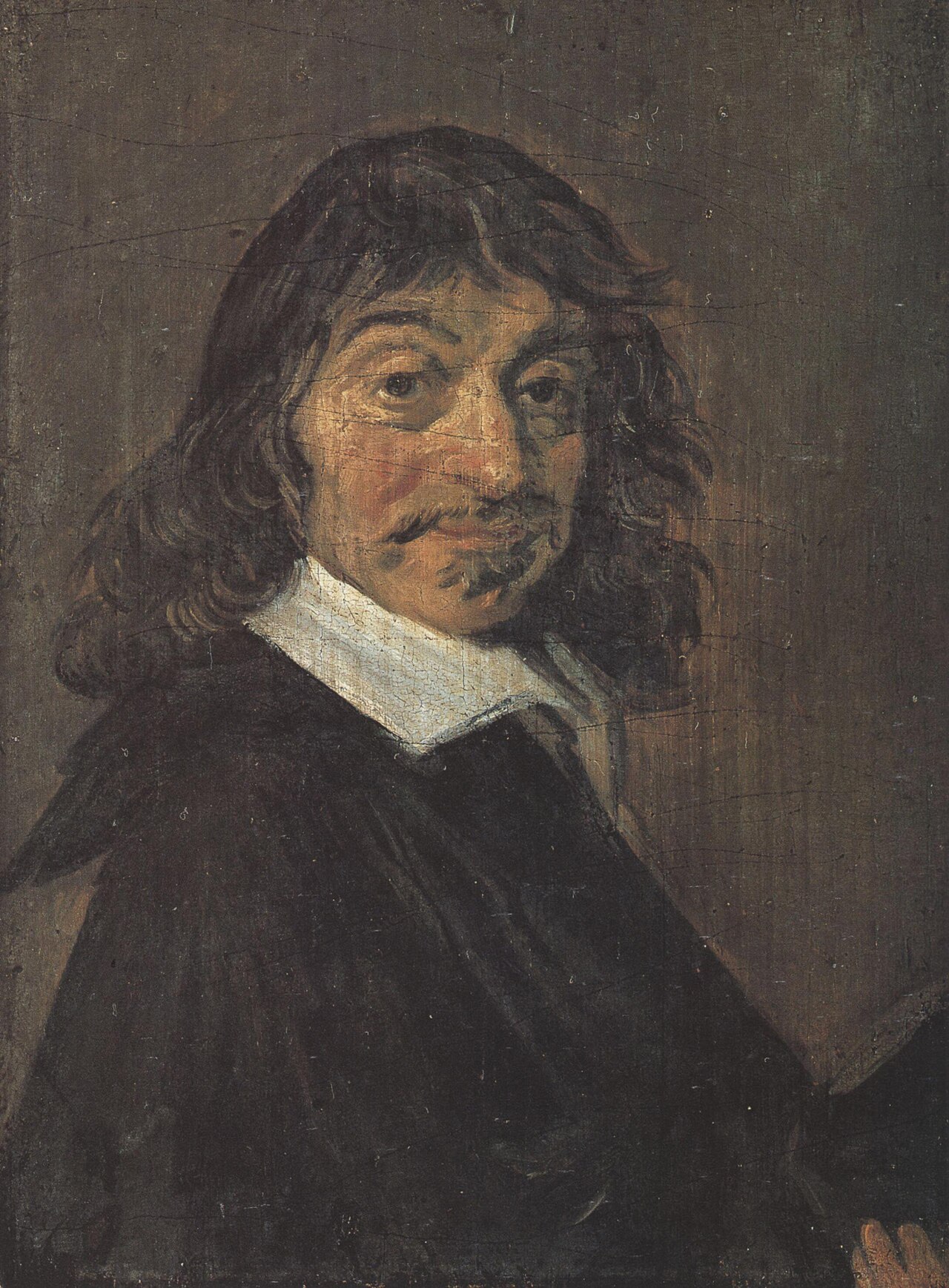
Portrait of René Descartes
Frans Hals · 1649
 Book
Primary source
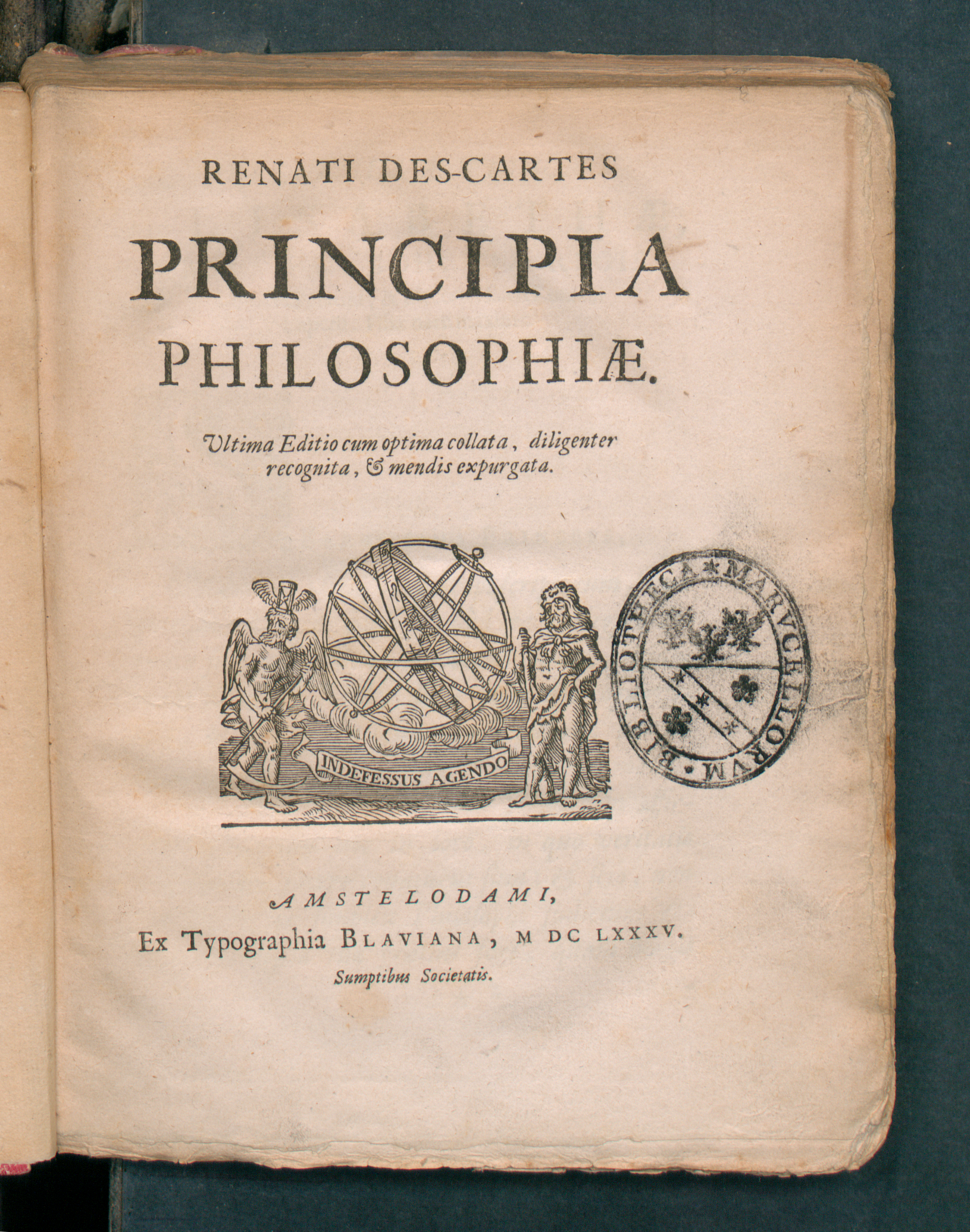
Principles of Philosophy
René Descartes · 1644
Ready when you are
Start chatting with Rene Descartes now.
20 messages free · No credit card · Available in 50+ languages.