


Primary sourceBookc. 41 BC
Eclogue 4
Virgil · c. 41 BC
A short Latin pastoral poem by Virgil predicting the birth of a boy who will bring a new golden age, later reinterpreted by Christians as a prophecy of Christ.
This is one of Virgil's own poems, later used to build his reputation as a near-prophet in the Christian Middle Ages.
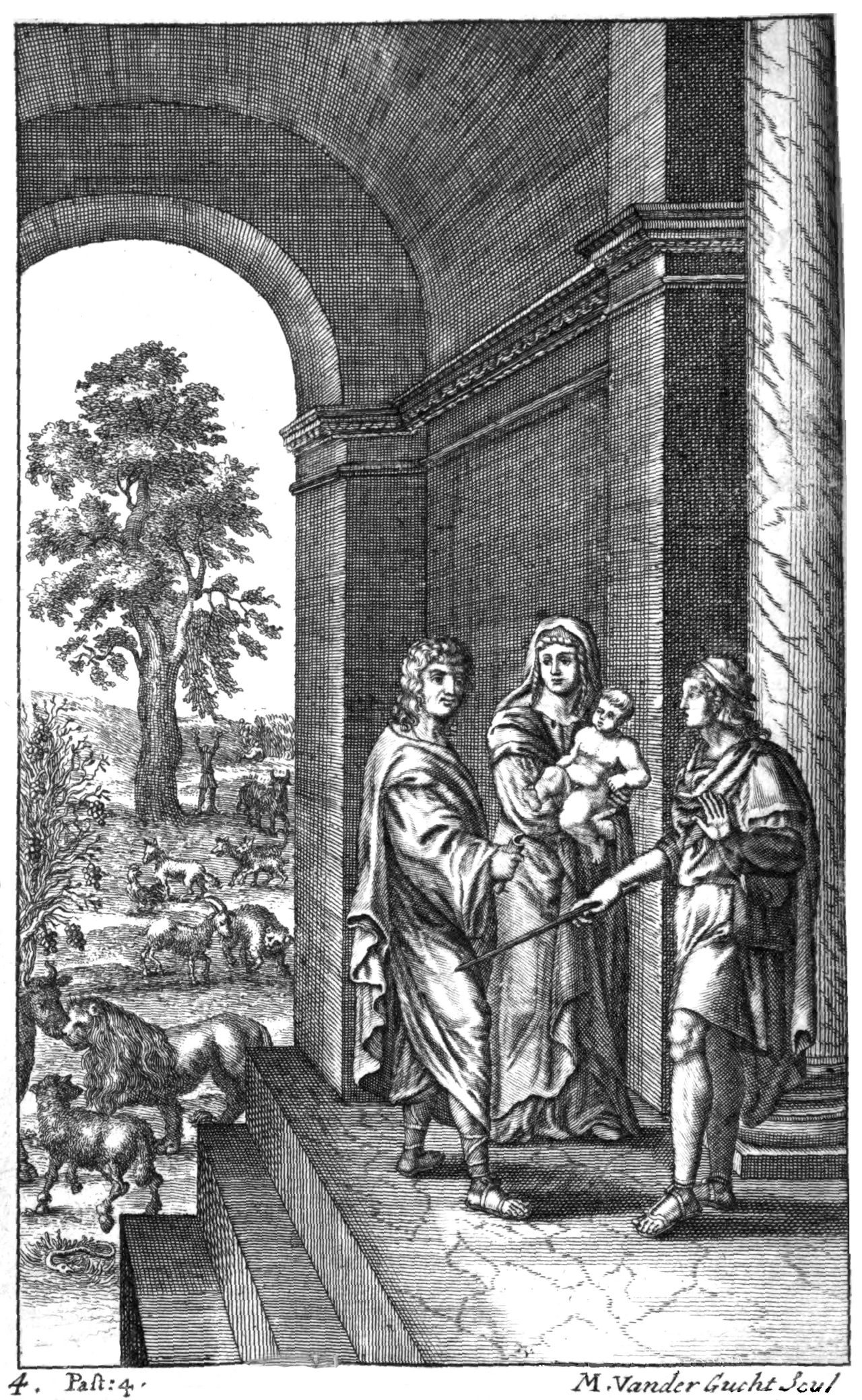
About this source
What it is
Eclogue 4 is a Latin poem written by Virgil around 41 BC, part of his collection of ten pastoral poems called the Eclogues. It is the shortest of the set and departs from ordinary pastoral themes to describe a coming golden age tied to the birth of a child.
Why it matters
Scholars still debate who the child in the poem was meant to be — perhaps a hoped-for son of a Roman leader, perhaps a symbol of Virgil's own poetry. Centuries later, Christian readers, including St. Augustine and Dante, took the poem as a pagan prophecy of the birth of Christ, which shaped how people in the Middle Ages viewed Virgil as almost a prophet. This shows how a poem's meaning can change completely depending on who is reading it and when.
Look closer
- Why might ancient readers have connected this poem to real political events of their time?
- What does it tell us about later readers that they reinterpreted Virgil's words as a Christian prophecy?
- Why is the identity of the child in the poem still uncertain?
This book is part of the curated material that grounds the AI version of Virgil on Humy.ai — when students ask about related events, the AI can quote it and cite it.
Ready when you are
Start chatting with Virgil now.
20 messages free · No credit card · Available in 50+ languages.