


Secondary sourceBook29-19 BCE
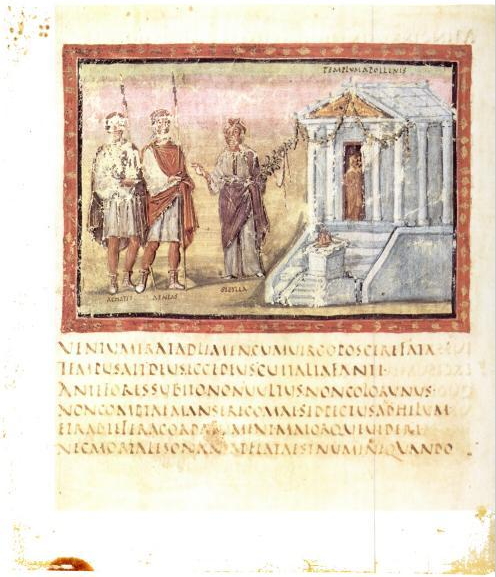
Aeneid
Virgil · 29-19 BCE
Virgil's Roman epic poem, which portrays Cleopatra and her gods as the enemy of Rome in its account of the Battle of Actium.
A foundational piece of Roman propaganda that cast Cleopatra as the enemy of Rome after her defeat.
About this source
What it is
The Aeneid is a Latin epic poem written by the Roman poet Virgil between 29 and 19 BCE. It tells the legendary story of Aeneas, a Trojan hero said to be an ancestor of the Romans, and was designed to glorify Roman virtues and legitimize the ruling dynasty descended from Julius Caesar.
Why it matters
On a shield described in the poem, Virgil depicts the Battle of Actium, showing Cleopatra and her Egyptian gods as enemies of Rome. Written under the rule of Augustus, who had defeated Cleopatra and Mark Antony, this passage is a key example of how Roman propaganda shaped Cleopatra's image for later generations.
Look closer
- Why might Augustus have wanted poets like Virgil to portray Cleopatra as a foreign threat?
- How does showing her alongside 'animal-headed gods' try to make her seem different from Romans?
- What does this poem leave out about Cleopatra's own perspective or actions?
This book is part of the curated material that grounds the AI version of Cleopatra, Virgil and Augustus on Humy.ai — when students ask about related events, the AI can quote it and cite it.
More Cleopatra sources
Meet the AI Cleopatra →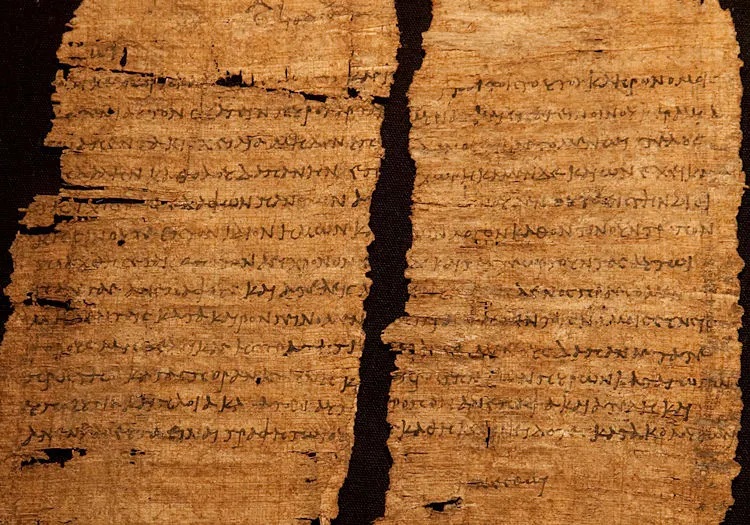 Document
Primary source
Papyrus with Signature of Cleopatra VII
Ptolemaic scribe; possibly countersigned by Cleopatra VII · February 33 BCE
 Painting
Secondary source
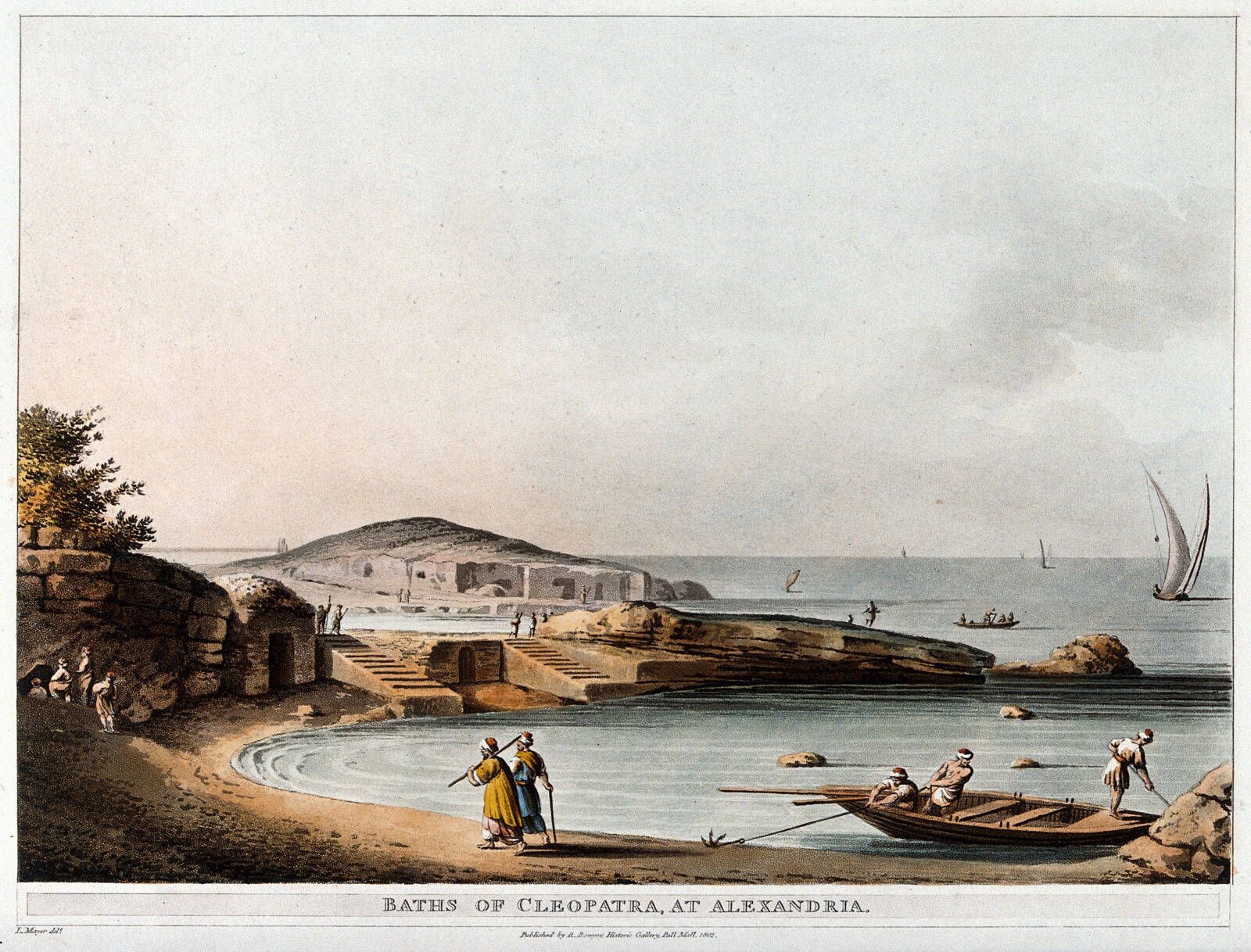
Baths of Cleopatra, at Alexandria
Luigi Mayer · 1802
 Sculpture
Secondary source
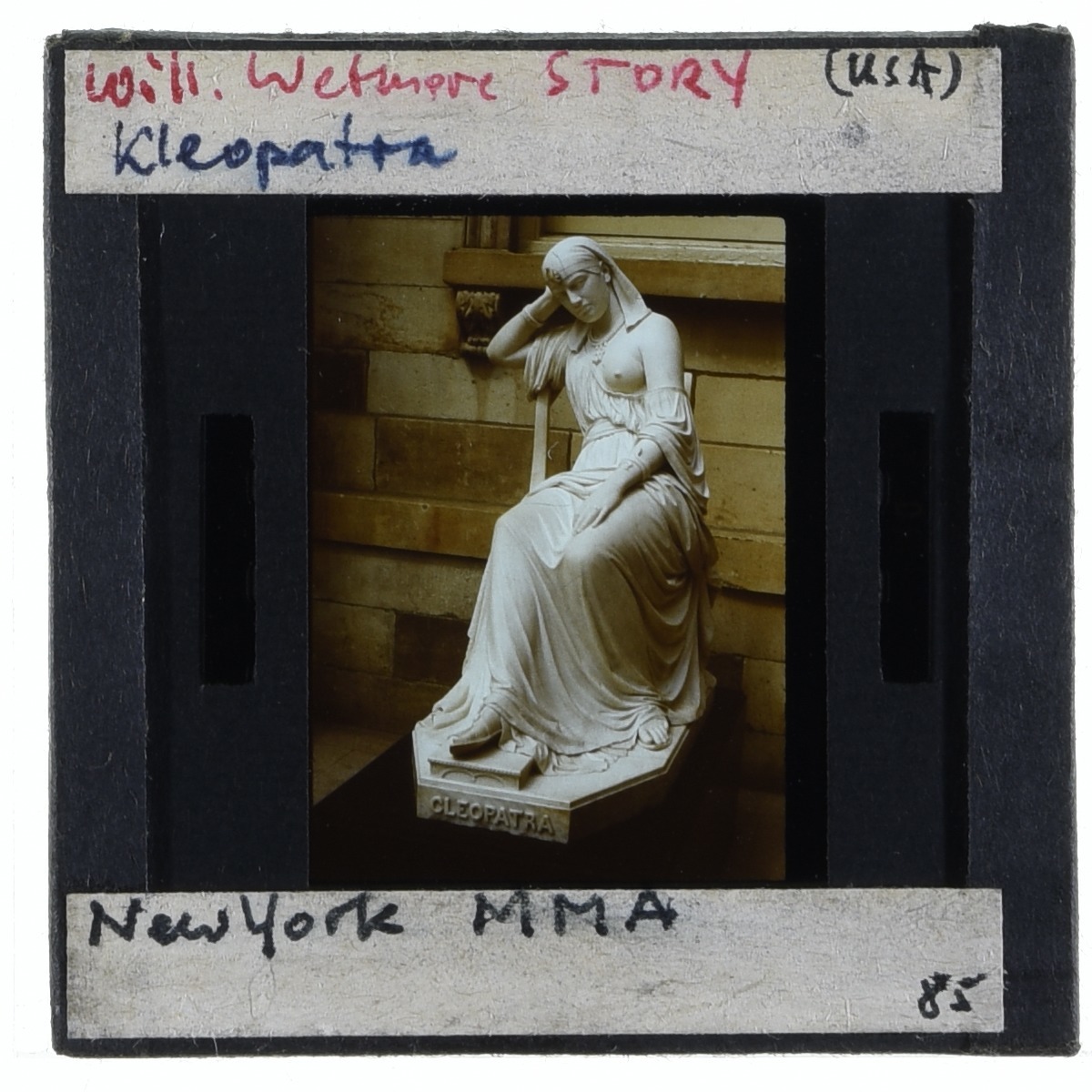
Cleopatra
William Wetmore Story
 Sculpture
Primary source
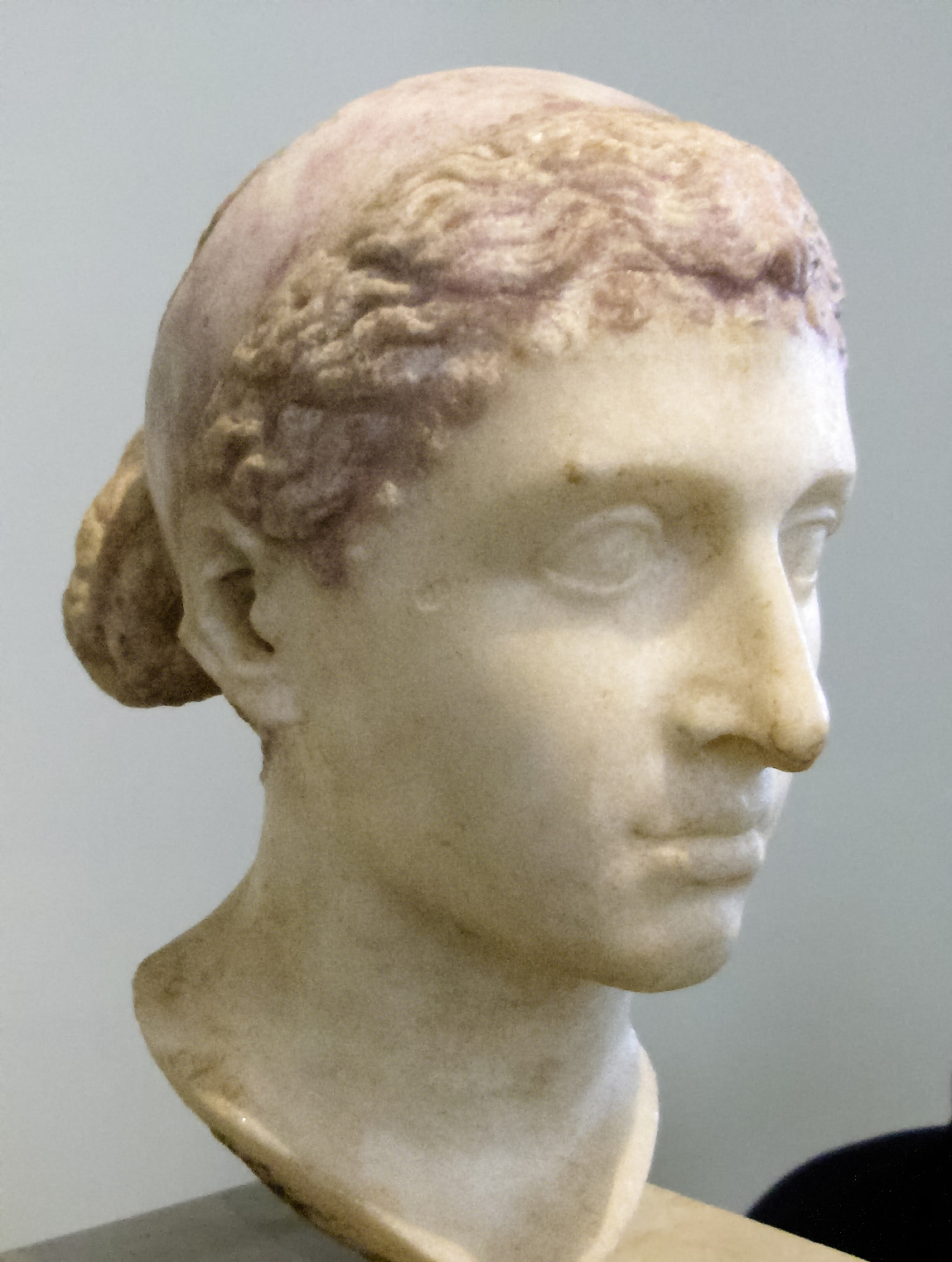
Portrait of Cleopatra (Berlin Bust)
c. 40-30 BCE
 Sculpture
Primary source
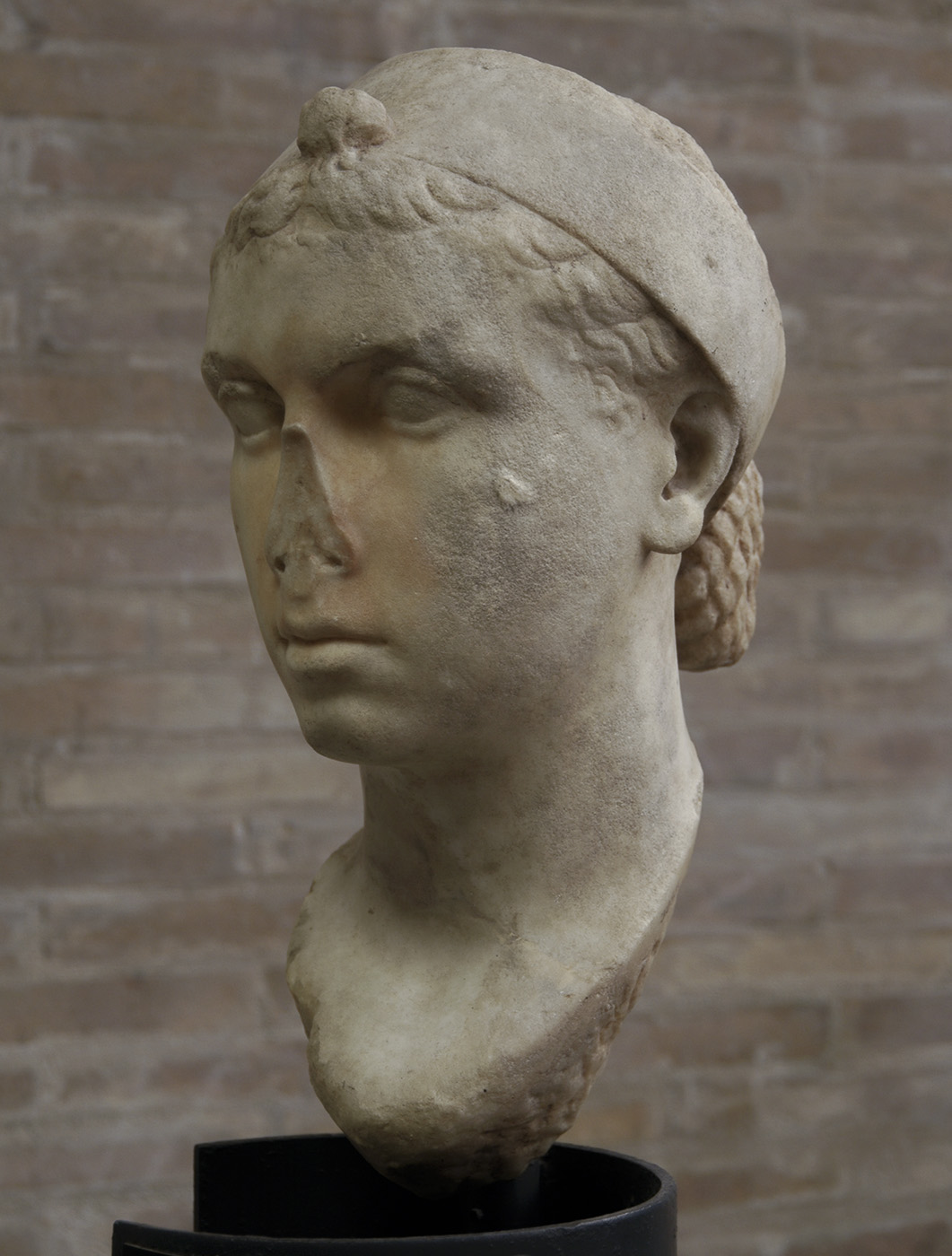
Head-Portrait of Cleopatra VII (Vatican Bust)
c. 40-30 BCE
Ready when you are
Start chatting with Cleopatra now.
20 messages free · No credit card · Available in 50+ languages.