


Primary sourceBookc. 42-38 BCE
Eclogues
Virgil · c. 42-38 BCE
Virgil's first major work, ten pastoral poems about shepherds, love and the land confiscations of his turbulent era.
This is Virgil's first major poetic work, reflecting his own experience of the land confiscations of the time.
About this source
What it is
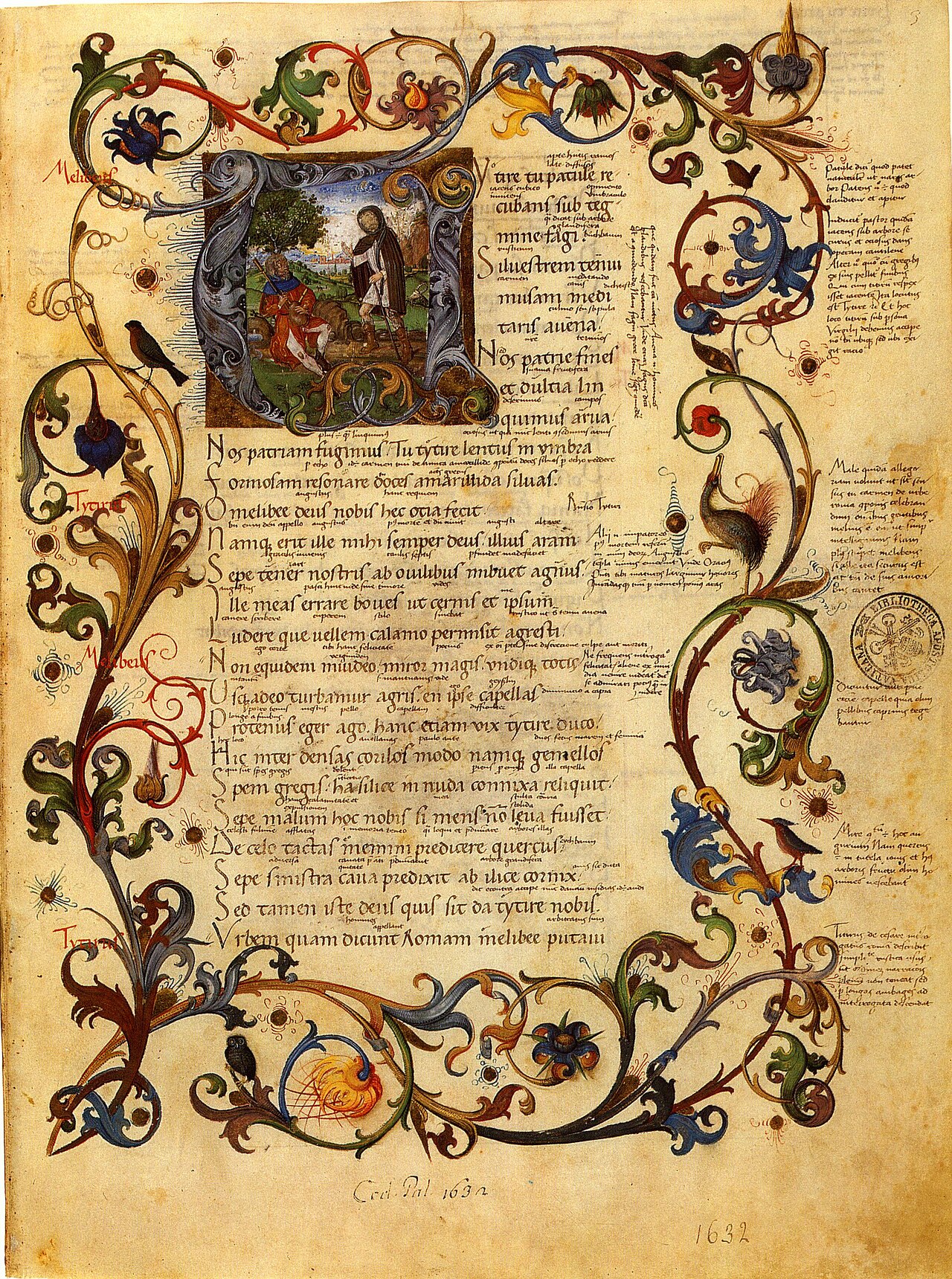
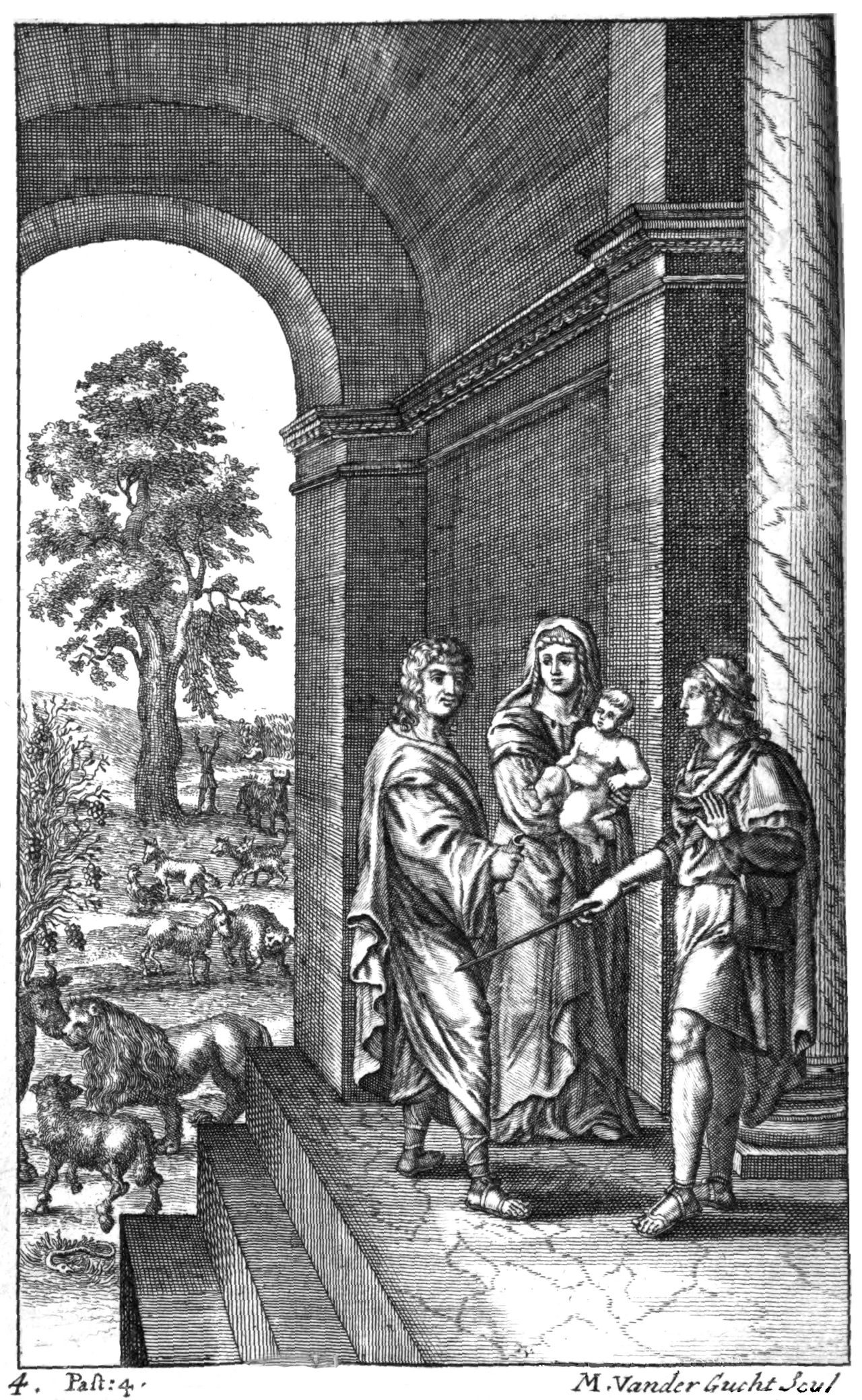
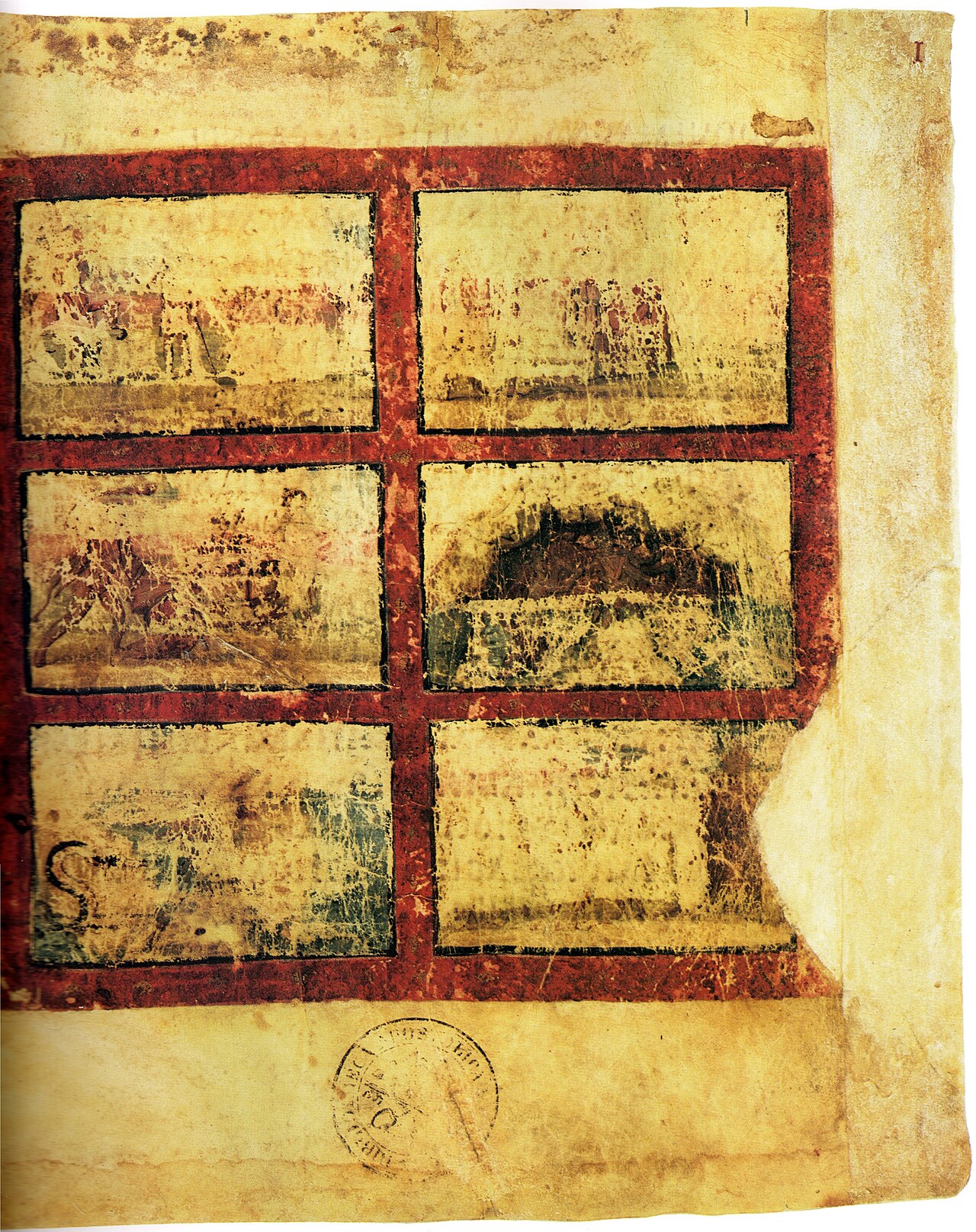
The Eclogues, also called the Bucolics, are ten pastoral poems by Virgil, his first major work, modelled on the Greek poet Theocritus. They are written in dactylic hexameter and feature herdsmen speaking or singing in rural settings.
Why it matters
Unlike Theocritus's gentler scenes, Virgil brought real political turmoil into his pastoral poems, reflecting the land confiscations that followed the civil wars after Julius Caesar's assassination, in which Mark Antony and Octavian's forces defeated Brutus and Cassius. The poems made Virgil famous in his own lifetime and show him experimenting with myth, politics and love poetry before his larger works.
Look closer
- Why might Virgil use shepherds and rural life to talk about politics and land loss?
- What does Eclogue 1's story of a shepherd saved from eviction suggest about Virgil's own experience?
- How does mixing love poetry with political anxiety change the mood of these poems?
This book is part of the curated material that grounds the AI version of Virgil on Humy.ai — when students ask about related events, the AI can quote it and cite it.
Ready when you are
Start chatting with Virgil now.
20 messages free · No credit card · Available in 50+ languages.