


Primary sourceBookc. 29 BC
Georgics
Virgil · c. 29 BC
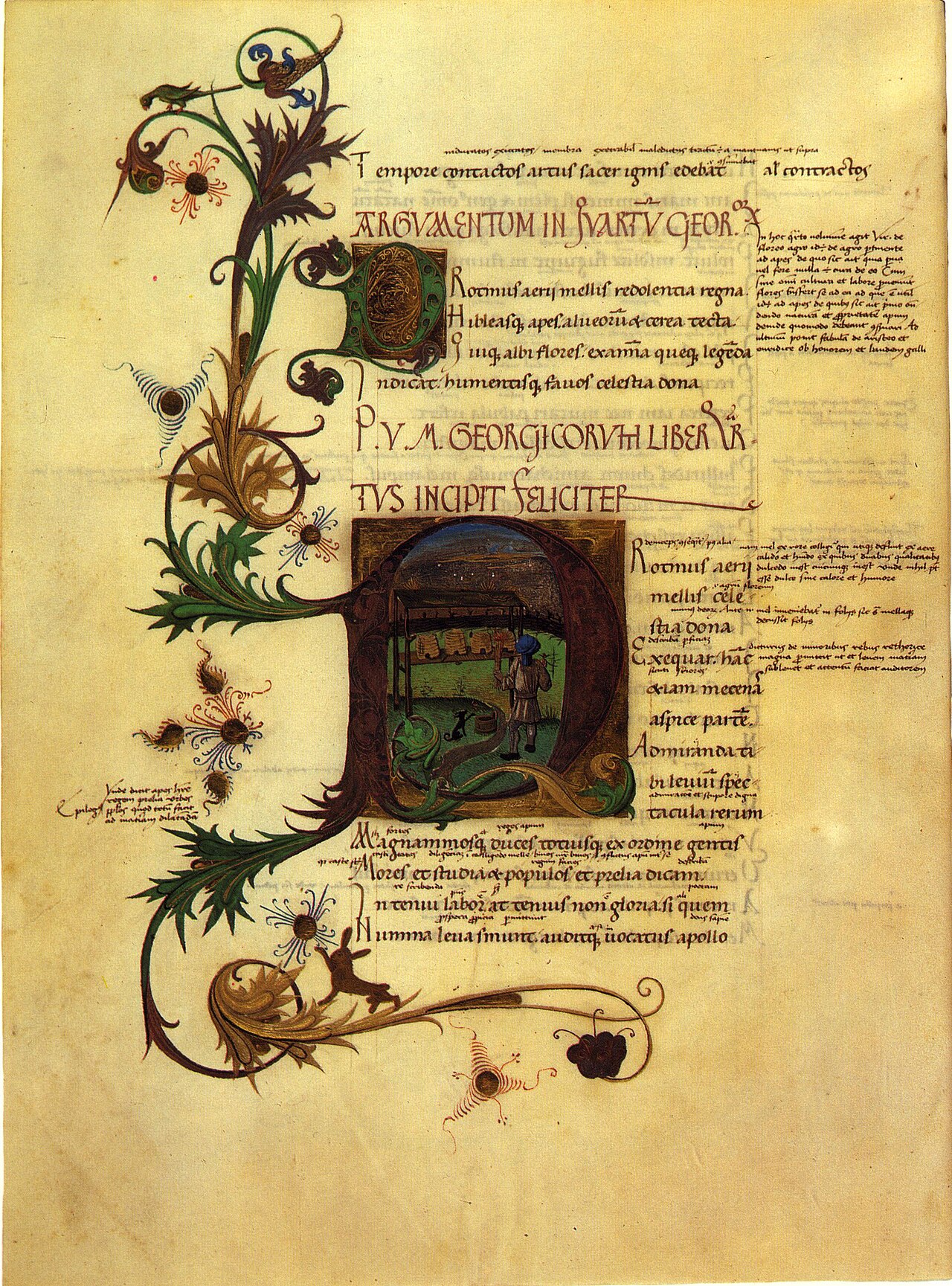
Virgil's poem on agriculture, written during the civil-war years, which praises Octavian (the future Augustus) as Rome's hope for salvation.
Written during the civil wars, praising the young Octavian (later Augustus) as Rome's salvation before his rise to power.
About this source
What it is
The Georgics is a Latin poem by Virgil, likely published around 29 BC, consisting of four books of hexameter verse on agriculture, written during and after Rome's civil wars. It was written following Virgil's earlier Eclogues and before his Aeneid.
Why it matters
Though framed as a poem about farming, the Georgics is deeply political. Its first book ends with a list of omens surrounding Julius Caesar's assassination and declares that only Octavian offers hope of salvation for Rome. The poem's dedication to Maecenas, Augustus's close advisor, and its imagery of Caesar at the centre of a temple in Book 3, show how poets of the time began presenting the young Octavian as an almost divine saviour even before his victory at Actium and his transformation into Augustus.
Look closer
- Why might a poem about farming also talk about politics and civil war?
- What does it mean that Virgil calls Octavian humanity's only hope, years before he became emperor?
- How might Virgil's relationship with Augustus's circle have shaped what he wrote?
This book is part of the curated material that grounds the AI version of Augustus and Virgil on Humy.ai — when students ask about related events, the AI can quote it and cite it.
More Augustus sources
Meet the AI Augustus →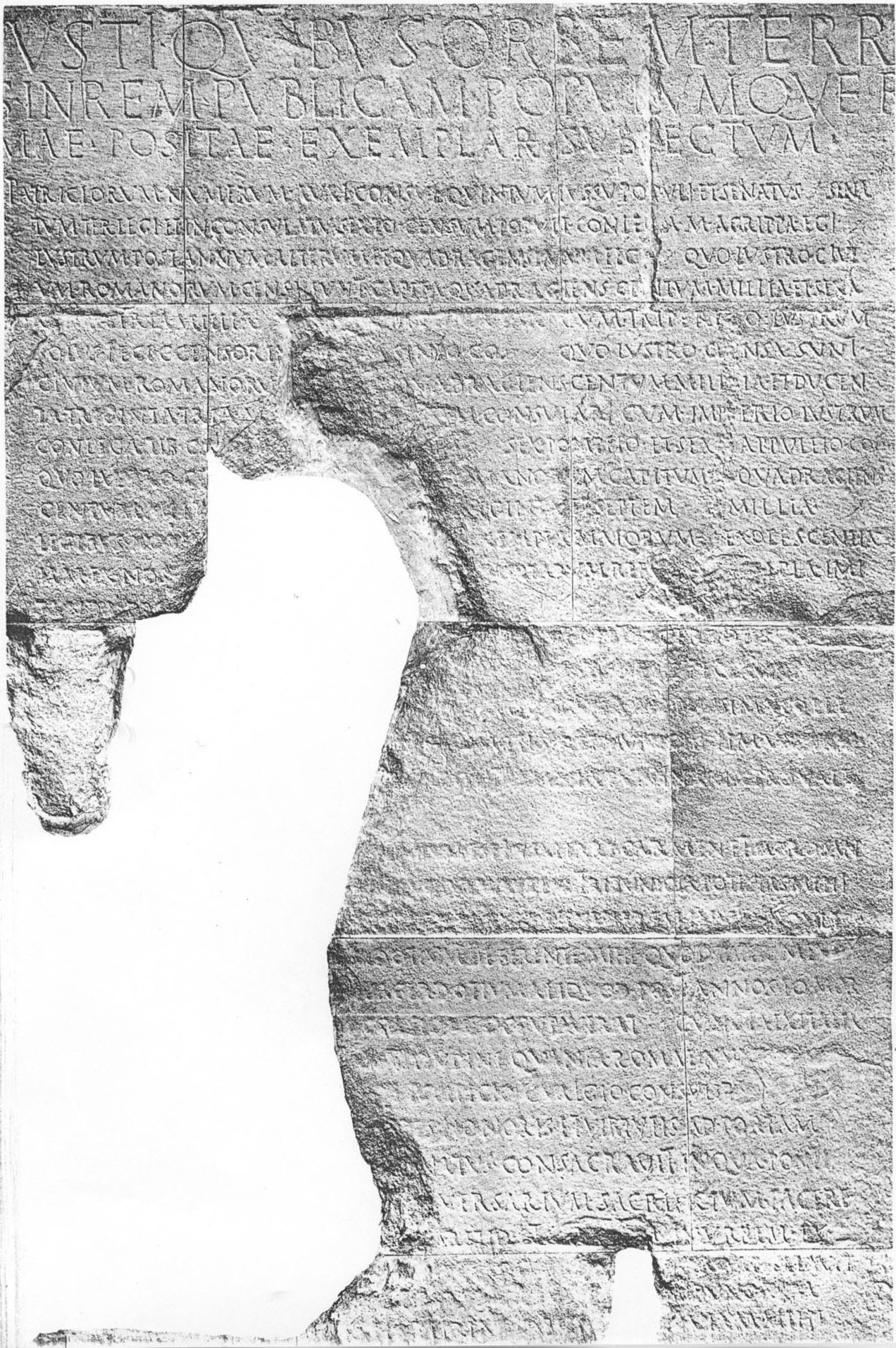 Document
Primary source
Res Gestae Divi Augusti
Augustus · 14 AD
 Painting
Secondary source
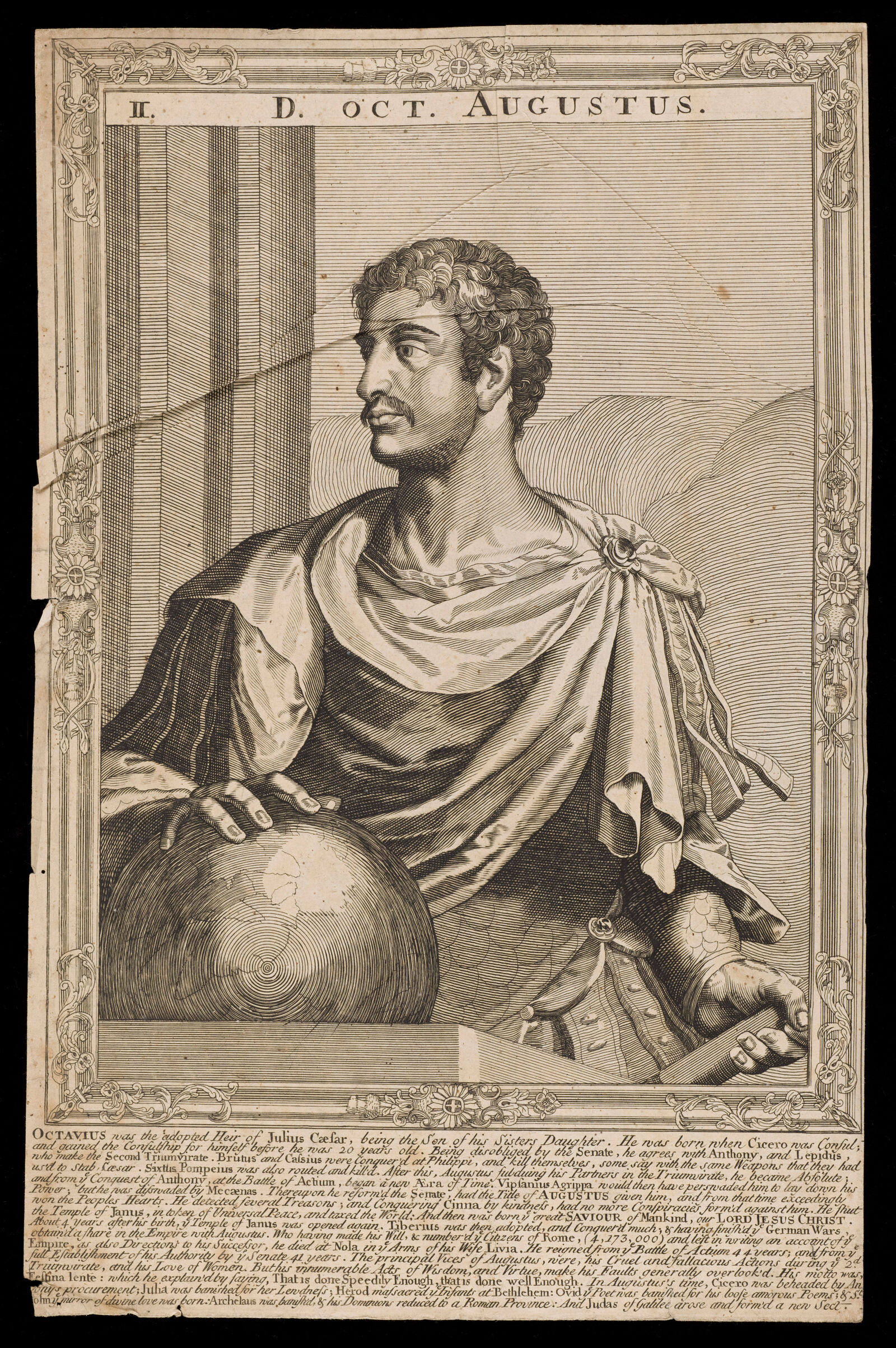
Emperor Augustus with Globe
After Titian (engraving by A. Sadeler, after Titian) · between 1700 and 1799 (possibly 17th century)
 Sculpture
Primary source
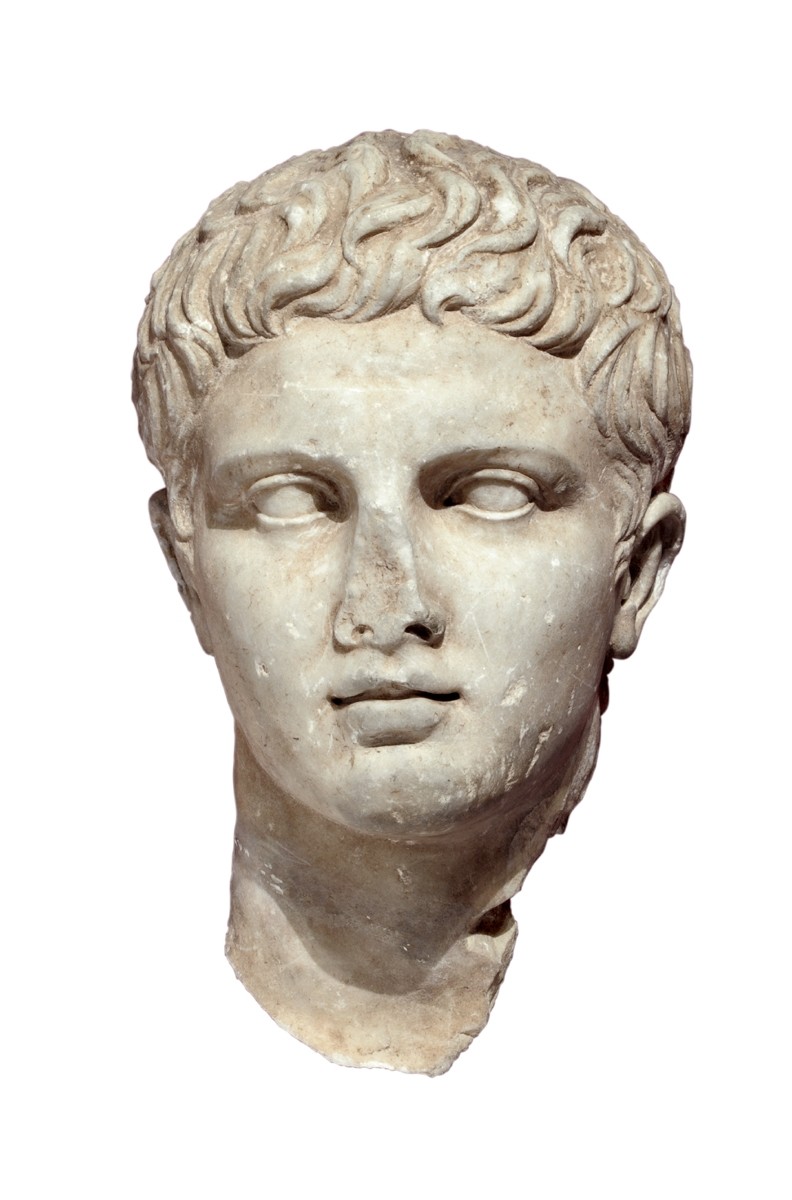
Relief Head of the Young Augustus
 Sculpture
Secondary source
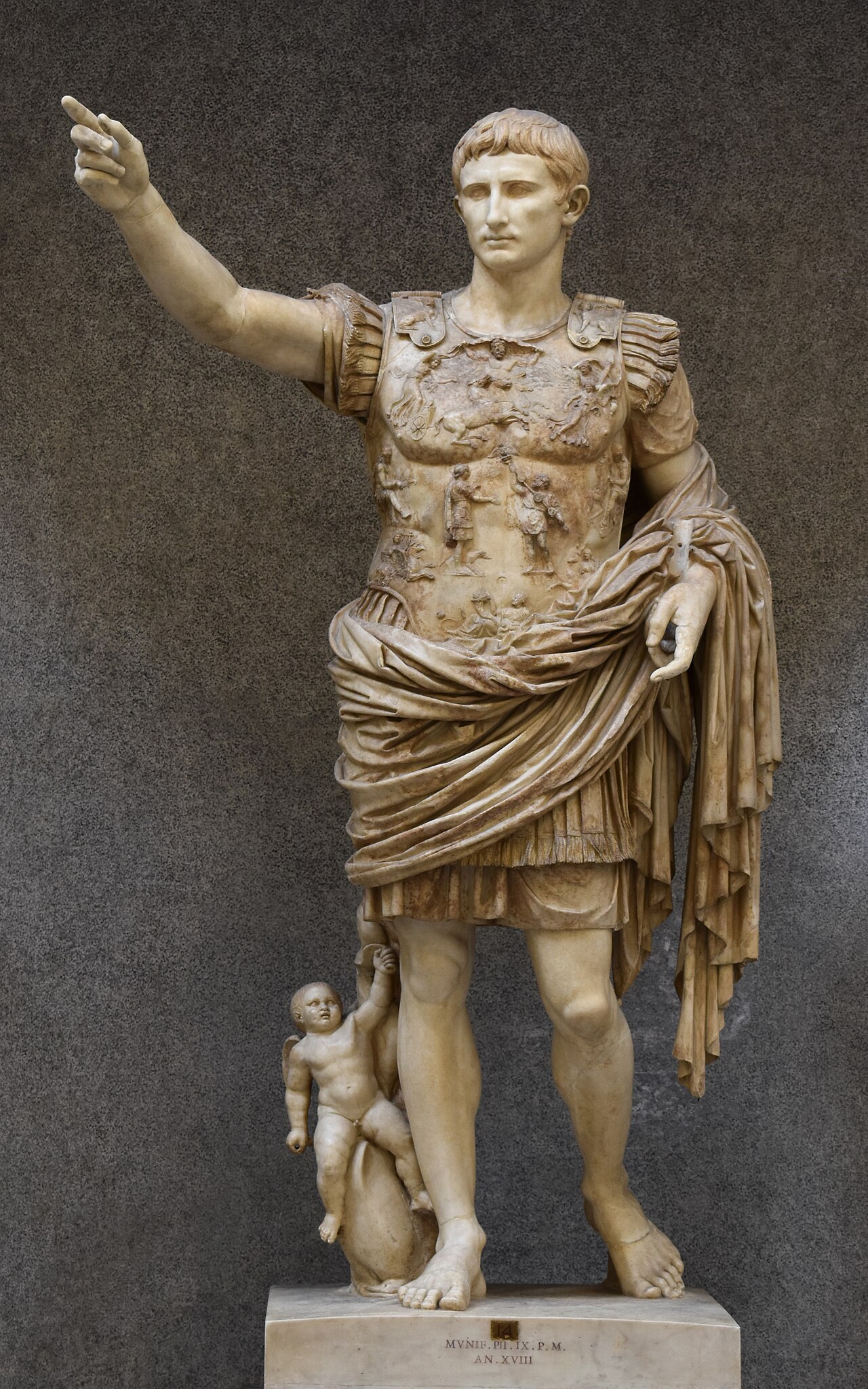
Augustus of Prima Porta
c. 19 BCE or later
 Artifact
Primary source
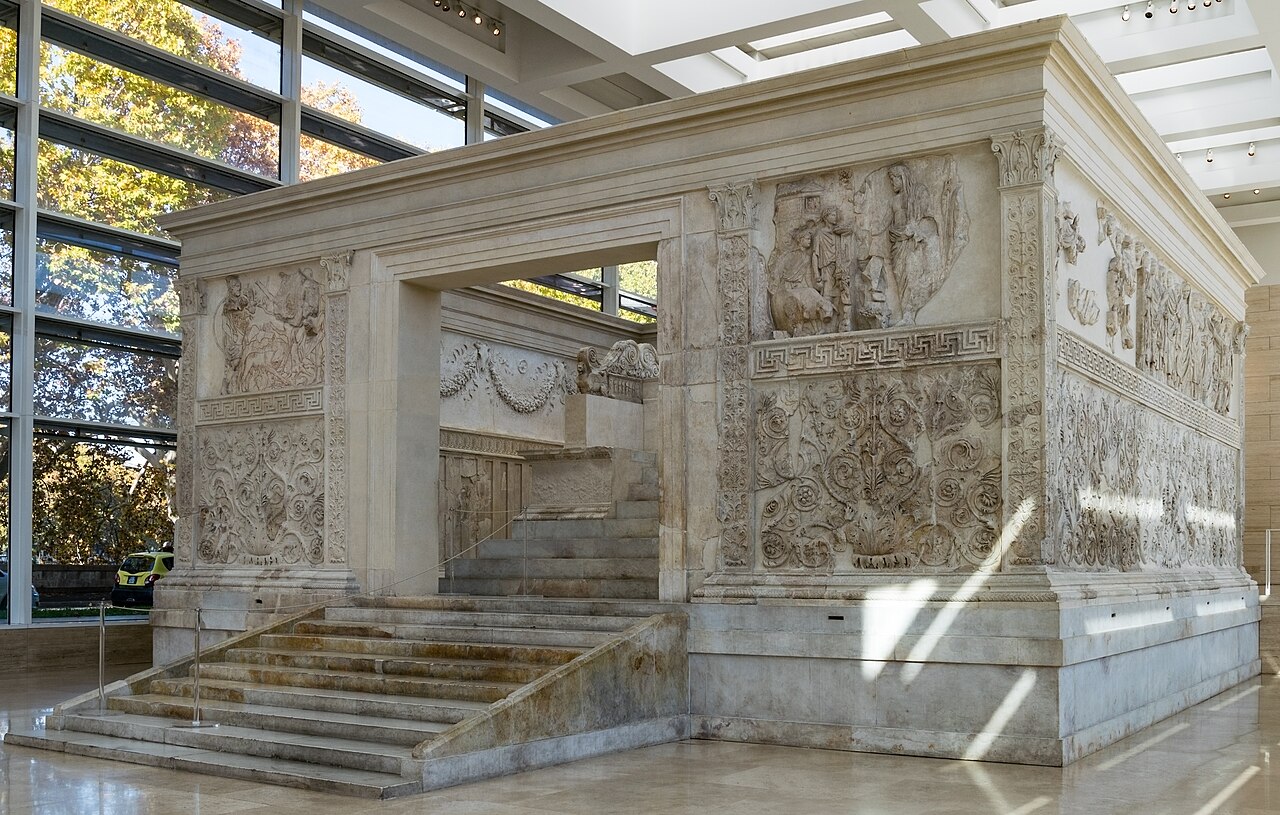
Ara Pacis
13-9 BCE
Ready when you are
Start chatting with Augustus now.
20 messages free · No credit card · Available in 50+ languages.