


Primary sourceArtifact13-9 BCE
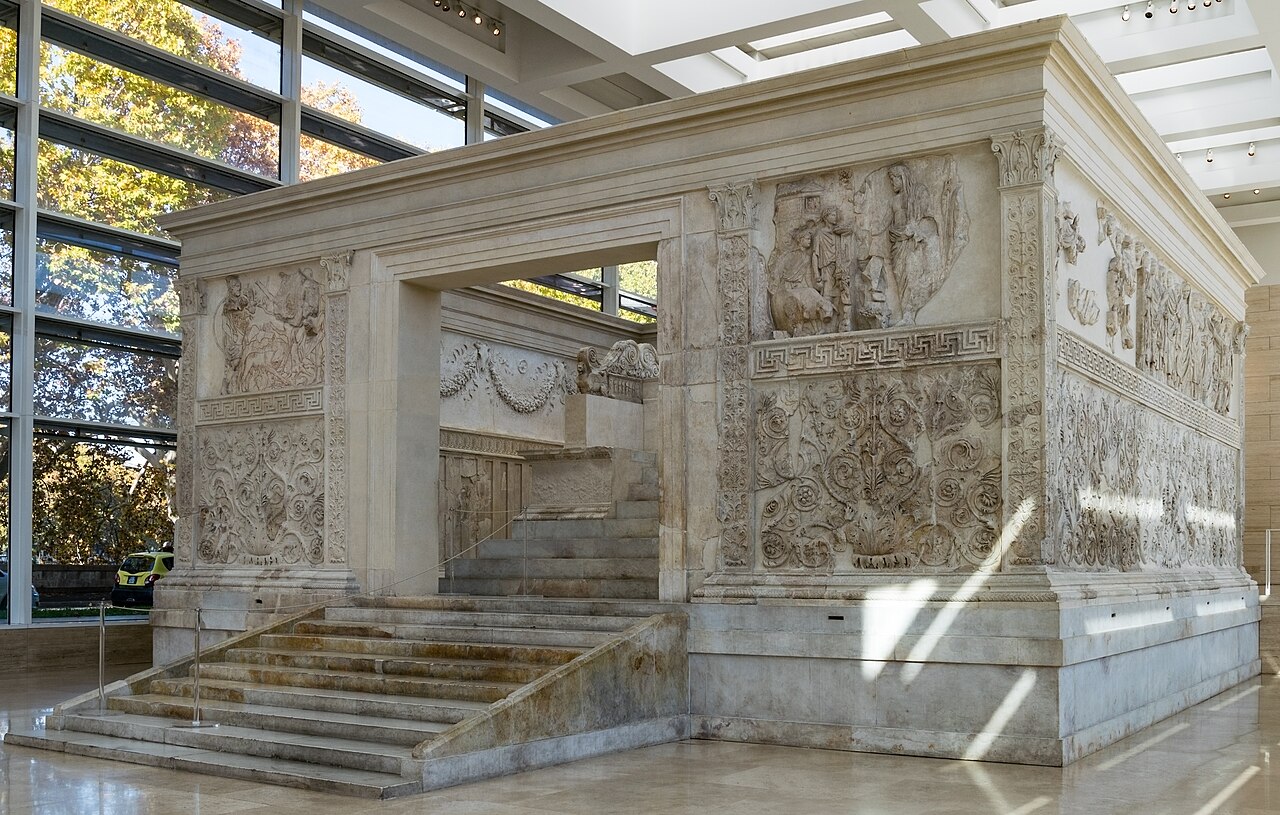
Ara Pacis
13-9 BCE
An altar voted by the Senate to honor Augustus's return to Rome, decorated with processional reliefs of him and his family.
Commissioned to honor Augustus's return to Rome, this altar presents him and his family as guarantors of peace.
About this source
What it is
The Ara Pacis Augustae, the "Altar of Augustan Peace," was commissioned by the Roman Senate to honor Augustus's return from Hispania and Gaul and consecrated in 9 BC. It stood in the Campus Martius and is now reassembled in the Museum of the Ara Pacis in Rome.
Why it matters
The altar is both a religious monument and a piece of political messaging. Its reliefs show the imperial family in procession, presenting Augustus's household as central to Rome's stability, alongside scenes of abundance and mythological figures tied to Rome's founding. It reveals how Augustus used public art to link his rule, his family, and the idea of peace together as one program.
Look closer
- Why include images of Augustus's family alongside scenes of peace and abundance?
- What might the choice of mythological figures (like Aeneas or Roma) suggest about how Rome's past was used to support Augustus's present power?
- What does it mean that the Senate, not Augustus himself, commissioned this monument?
This artifact is part of the curated material that grounds the AI version of Augustus and Virgil on Humy.ai — when students ask about related events, the AI can quote it and cite it.
More Augustus sources
Meet the AI Augustus →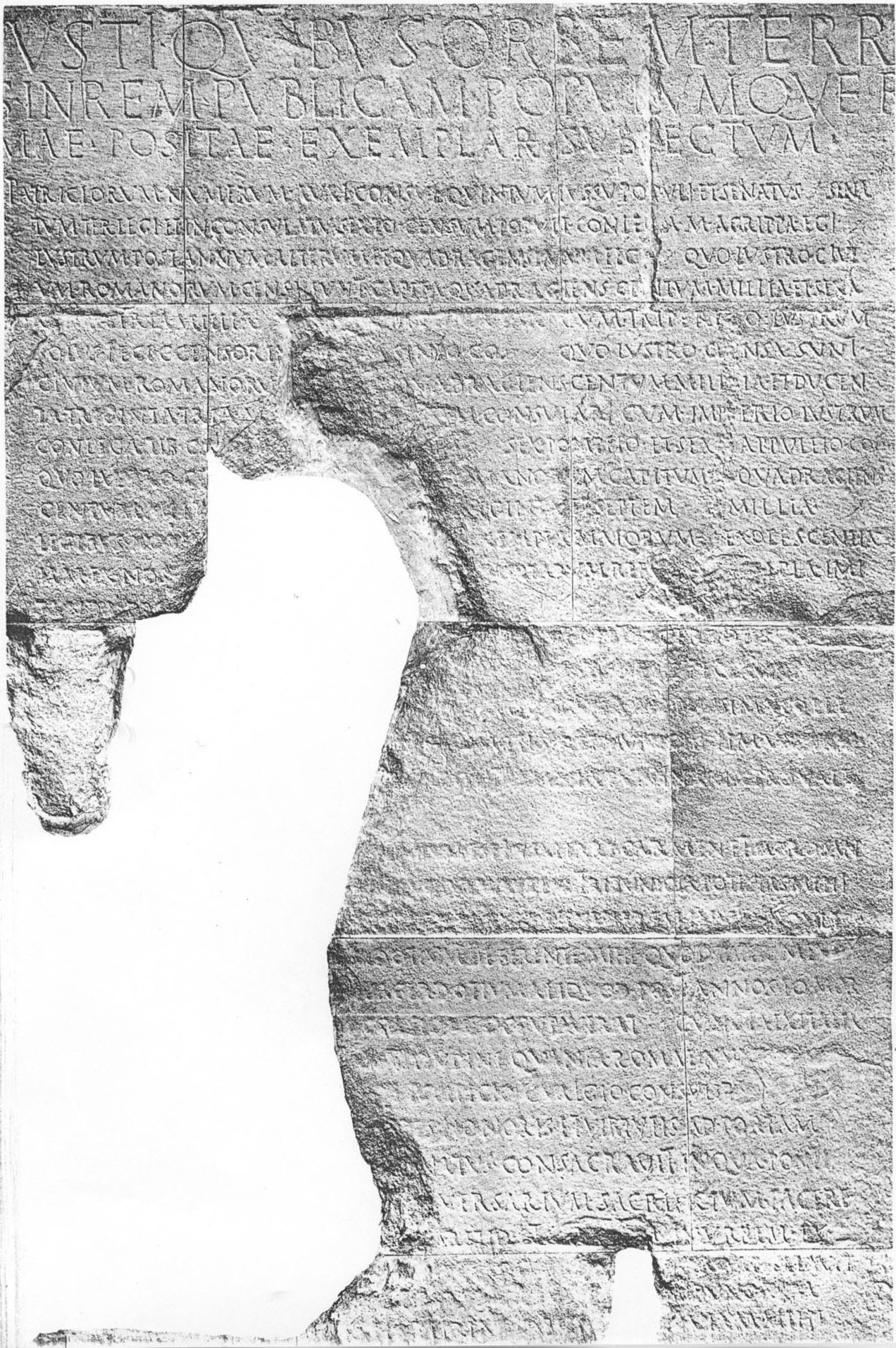 Document
Primary source
Res Gestae Divi Augusti
Augustus · 14 AD
 Painting
Secondary source
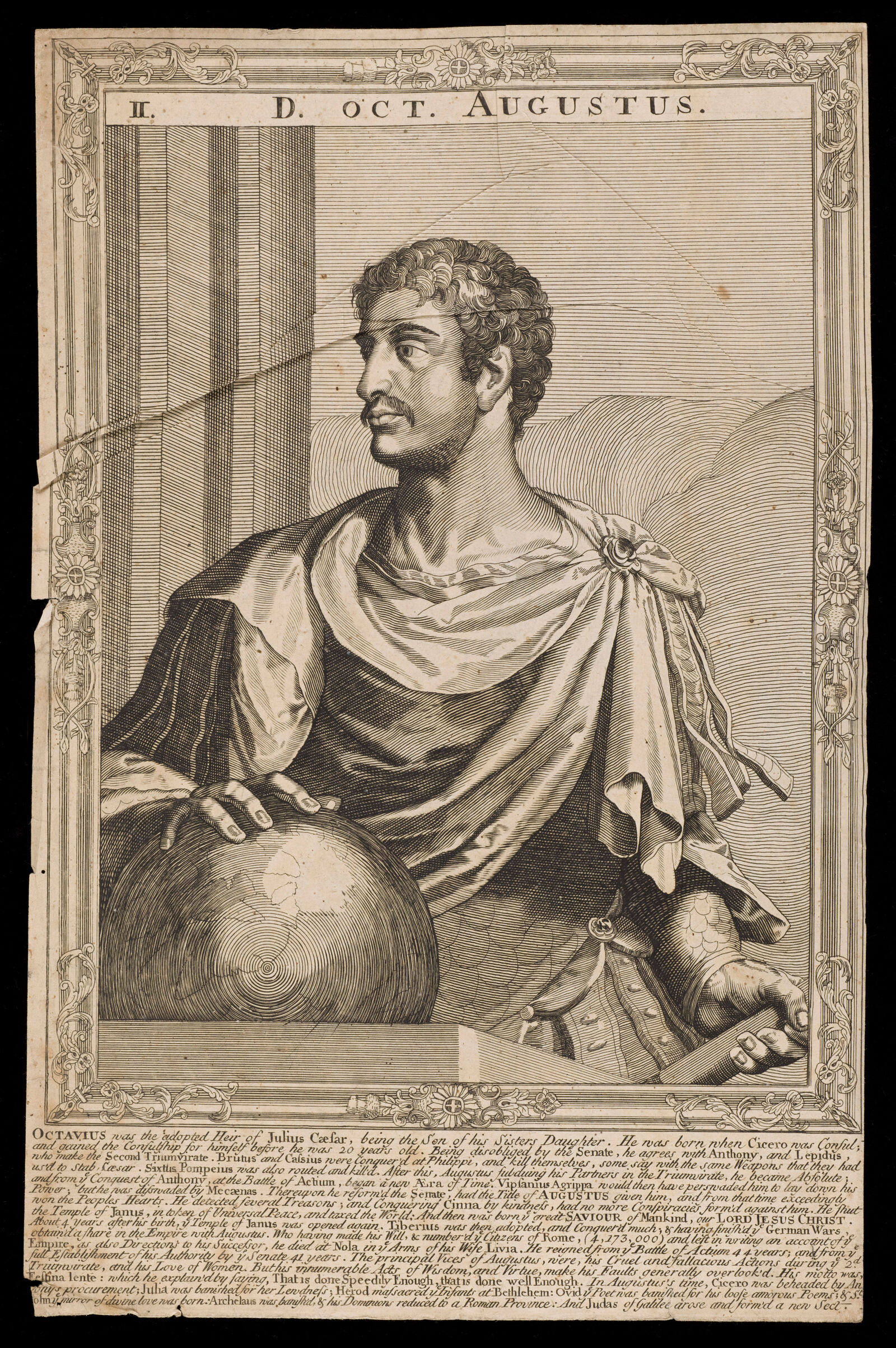
Emperor Augustus with Globe
After Titian (engraving by A. Sadeler, after Titian) · between 1700 and 1799 (possibly 17th century)
 Sculpture
Primary source
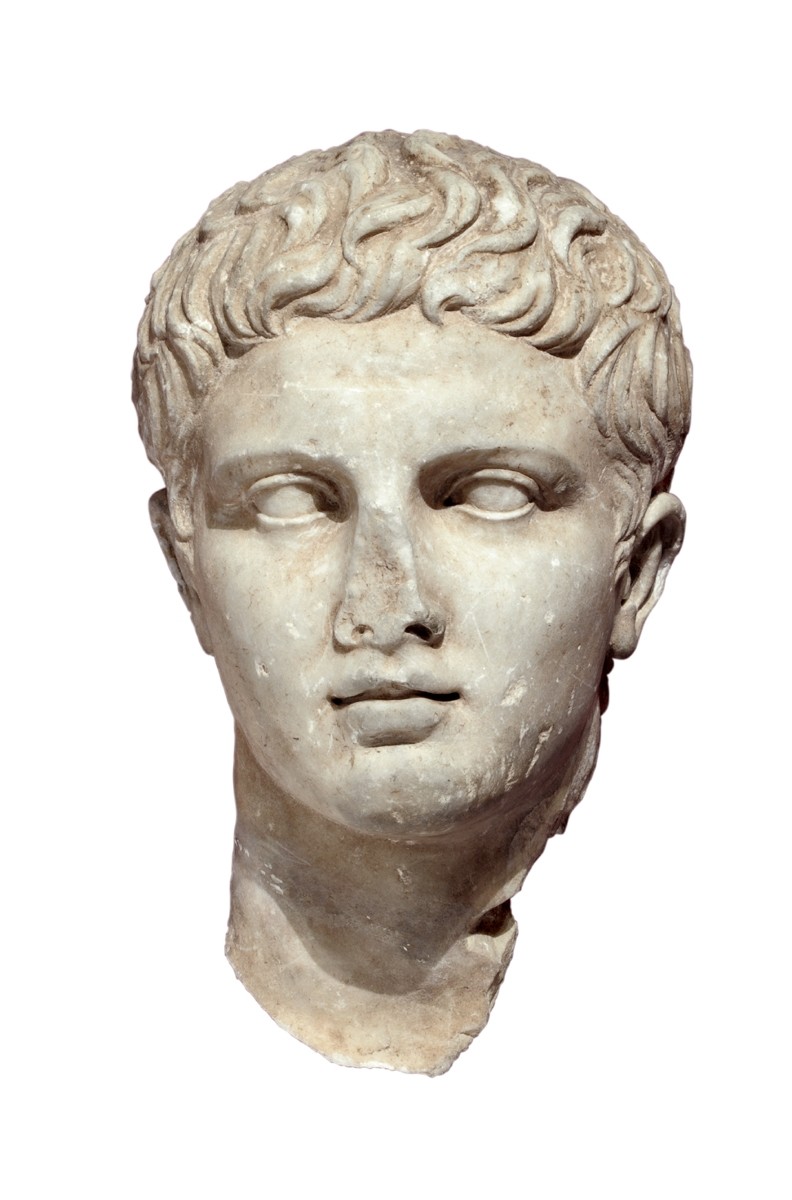
Relief Head of the Young Augustus
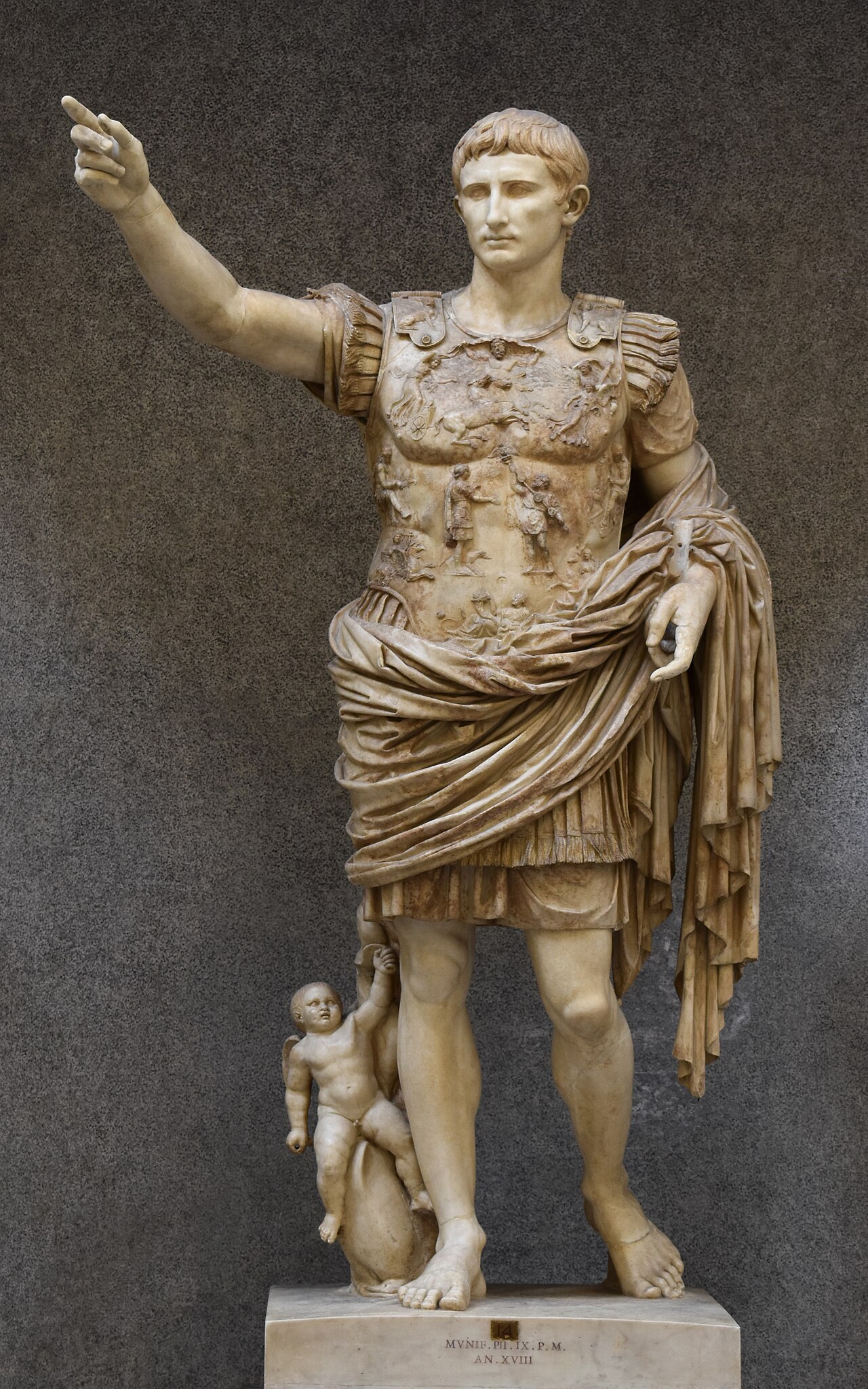 Sculpture
Secondary source
Augustus of Prima Porta
c. 19 BCE or later
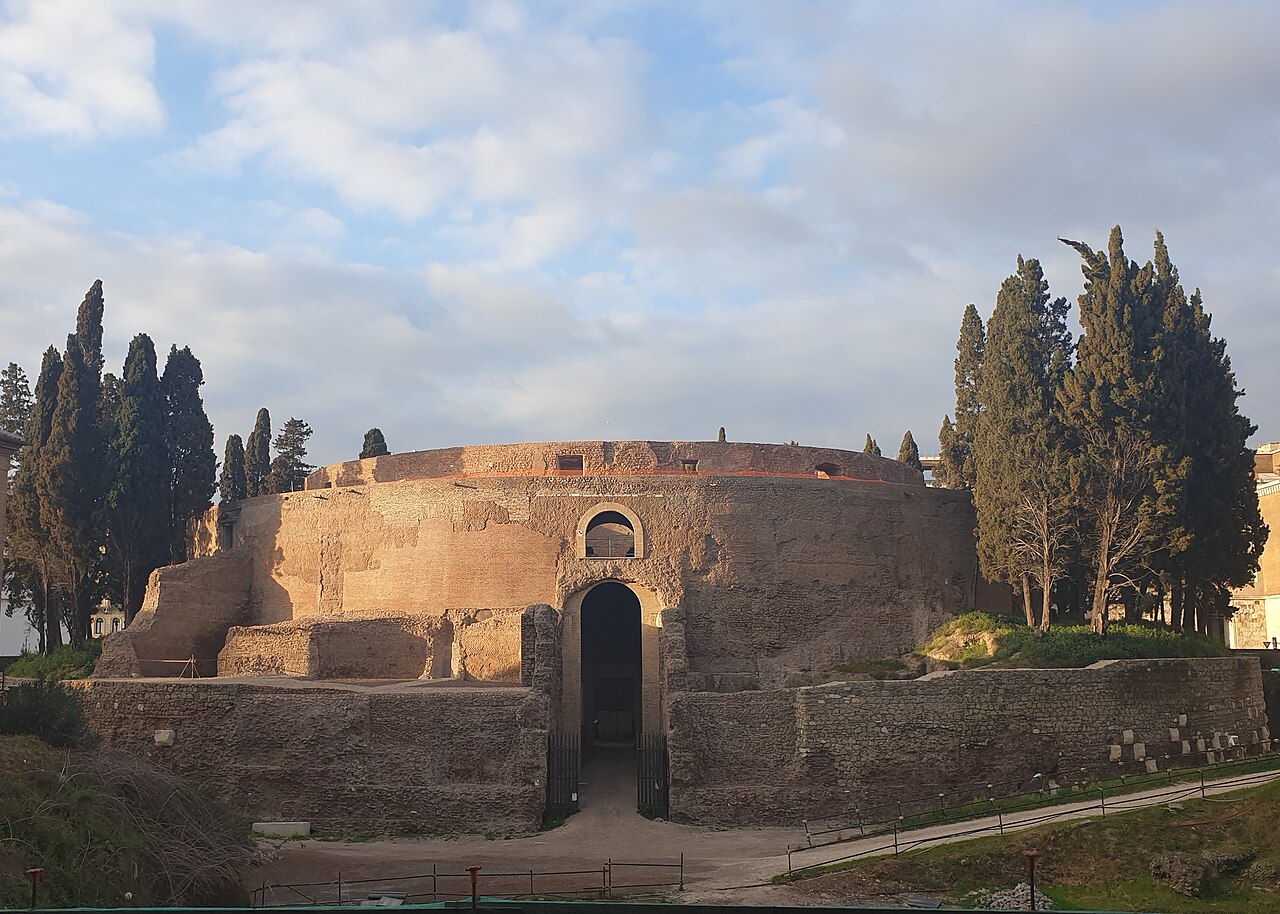 Artifact
Primary source
Mausoleum of Augustus
28 BCE
Ready when you are
Start chatting with Augustus now.
20 messages free · No credit card · Available in 50+ languages.