


Primary sourceSculpture
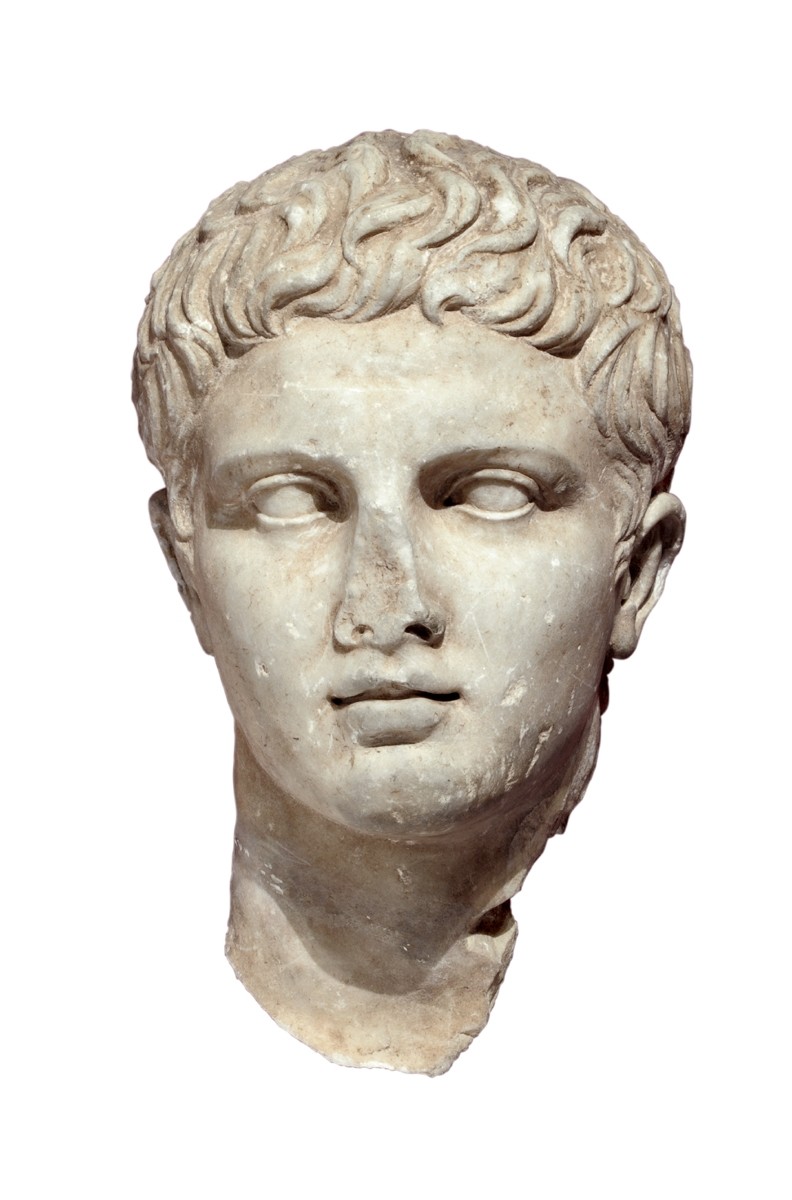
Relief Head of the Young Augustus
A life-size marble relief head showing Augustus as a young man, carved in an idealized Greek-influenced style.
This relief depicts Augustus as a young man, showing how he shaped his own idealized public image.
About this source
What it is
This is a life-size head carved in near-full relief, originally part of a larger scene with several figures. It shows a young man with wavy hair, almond-shaped eyes, and a calm expression. Experts believe it dates from the era of Augustus and is a portrait of him or another member of his family, the Julio-Claudian dynasty. It is now held by the Museum of Arts and Crafts in Hamburg.
Why it matters
At first glance this looks like an idealized Greek-style head rather than a true portrait. That is the point: Augustus broke from the realistic portraits common in the late Roman Republic and instead chose idealized features modeled on Greek classical sculpture. This tells us how Augustus wanted to be seen — youthful, calm, almost godlike — rather than how he may have actually looked.
Look closer
- What does the idealized, youthful style suggest about how Augustus wanted to be remembered?
- Why might a ruler prefer an idealized image over a realistic one?
- What is missing from this fragment that might have told us more about the original relief?
This sculpture is part of the curated material that grounds the AI version of Augustus on Humy.ai — when students ask about related events, the AI can quote it and cite it.
More Augustus sources
Meet the AI Augustus →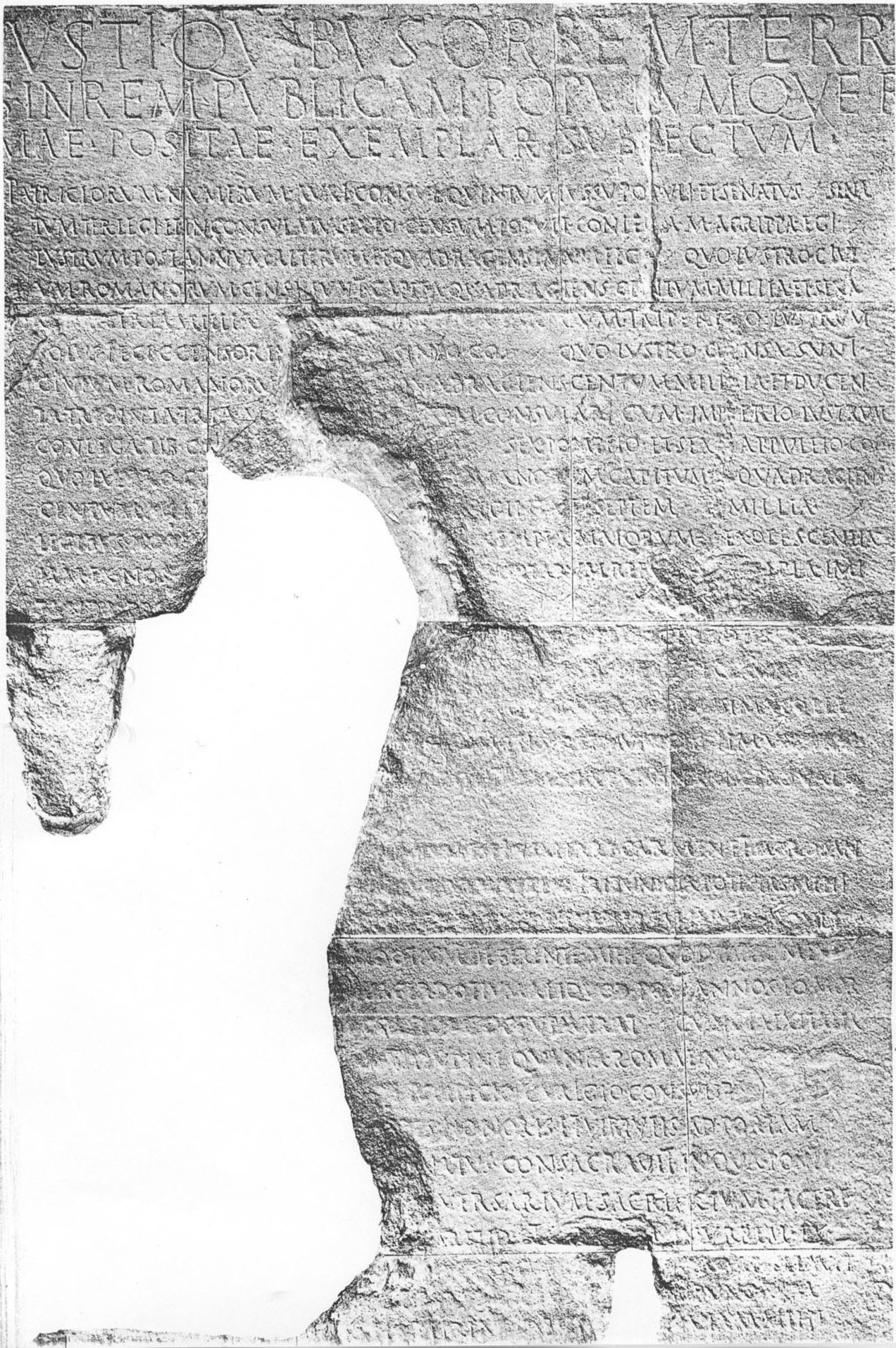 Document
Primary source
Res Gestae Divi Augusti
Augustus · 14 AD
 Painting
Secondary source
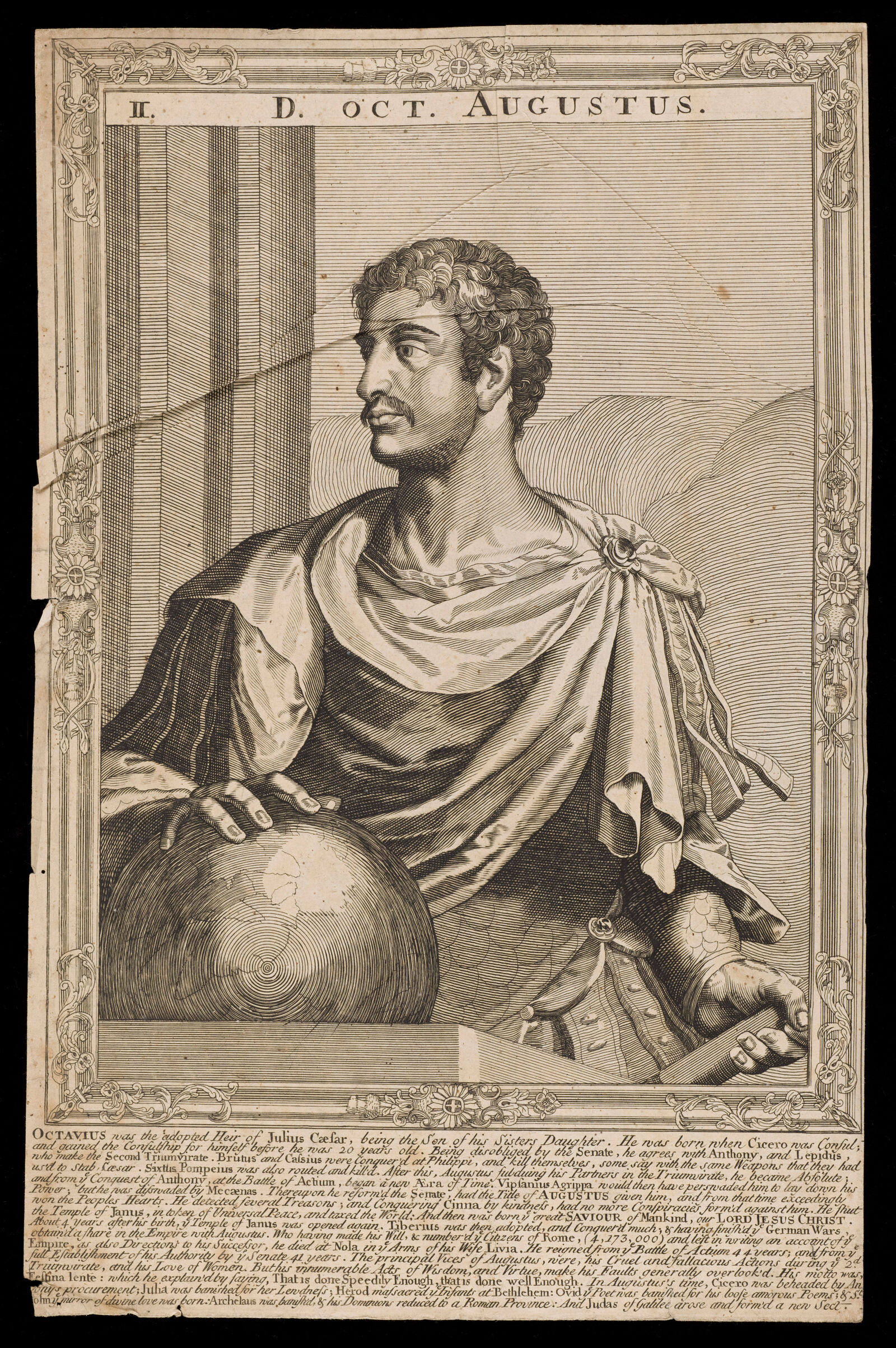
Emperor Augustus with Globe
After Titian (engraving by A. Sadeler, after Titian) · between 1700 and 1799 (possibly 17th century)
 Sculpture
Secondary source
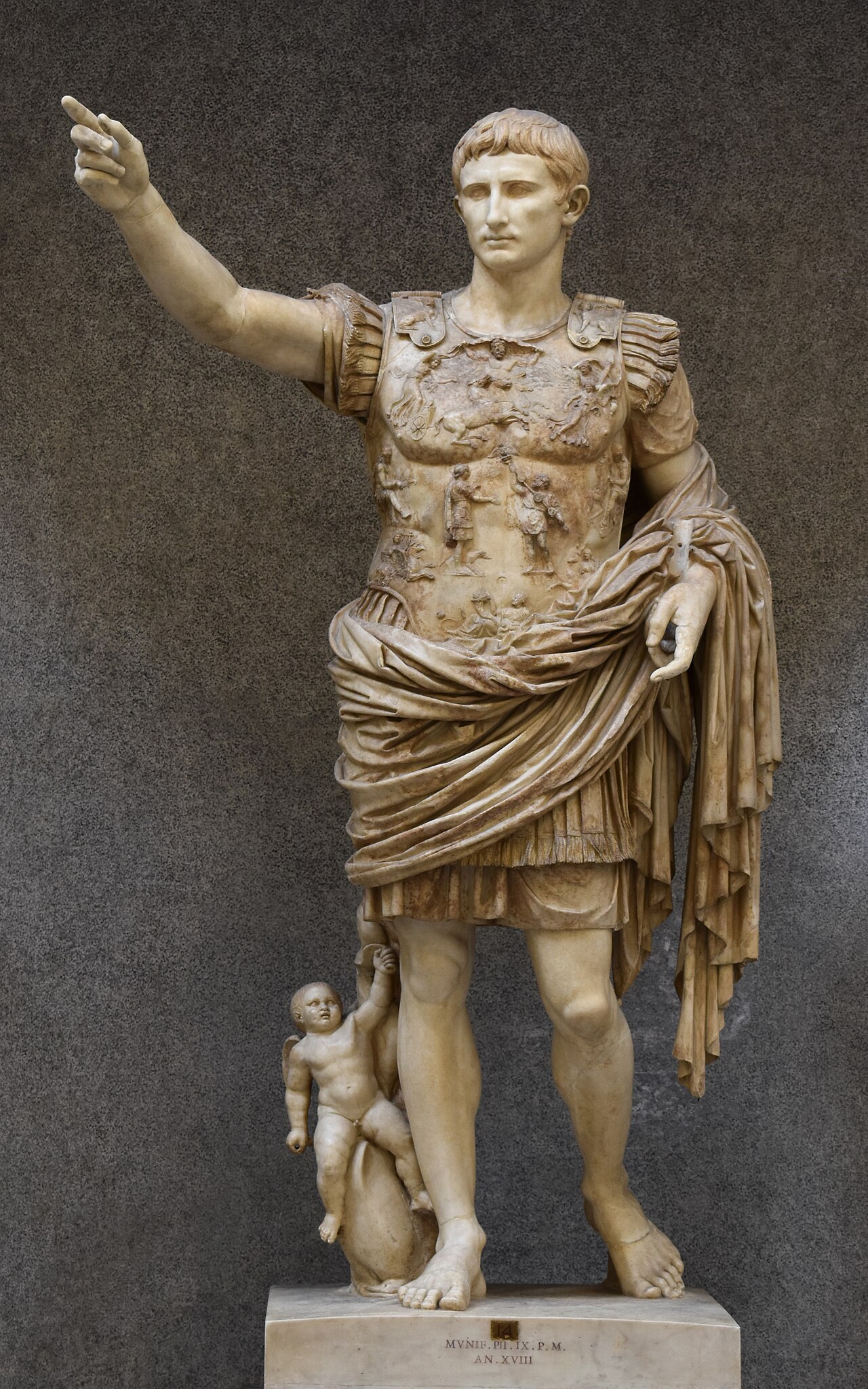
Augustus of Prima Porta
c. 19 BCE or later
 Artifact
Primary source
Ara Pacis
13-9 BCE
 Artifact
Primary source
Mausoleum of Augustus
28 BCE
Ready when you are
Start chatting with Augustus now.
20 messages free · No credit card · Available in 50+ languages.