


Primary sourceArtifact14th century BCE
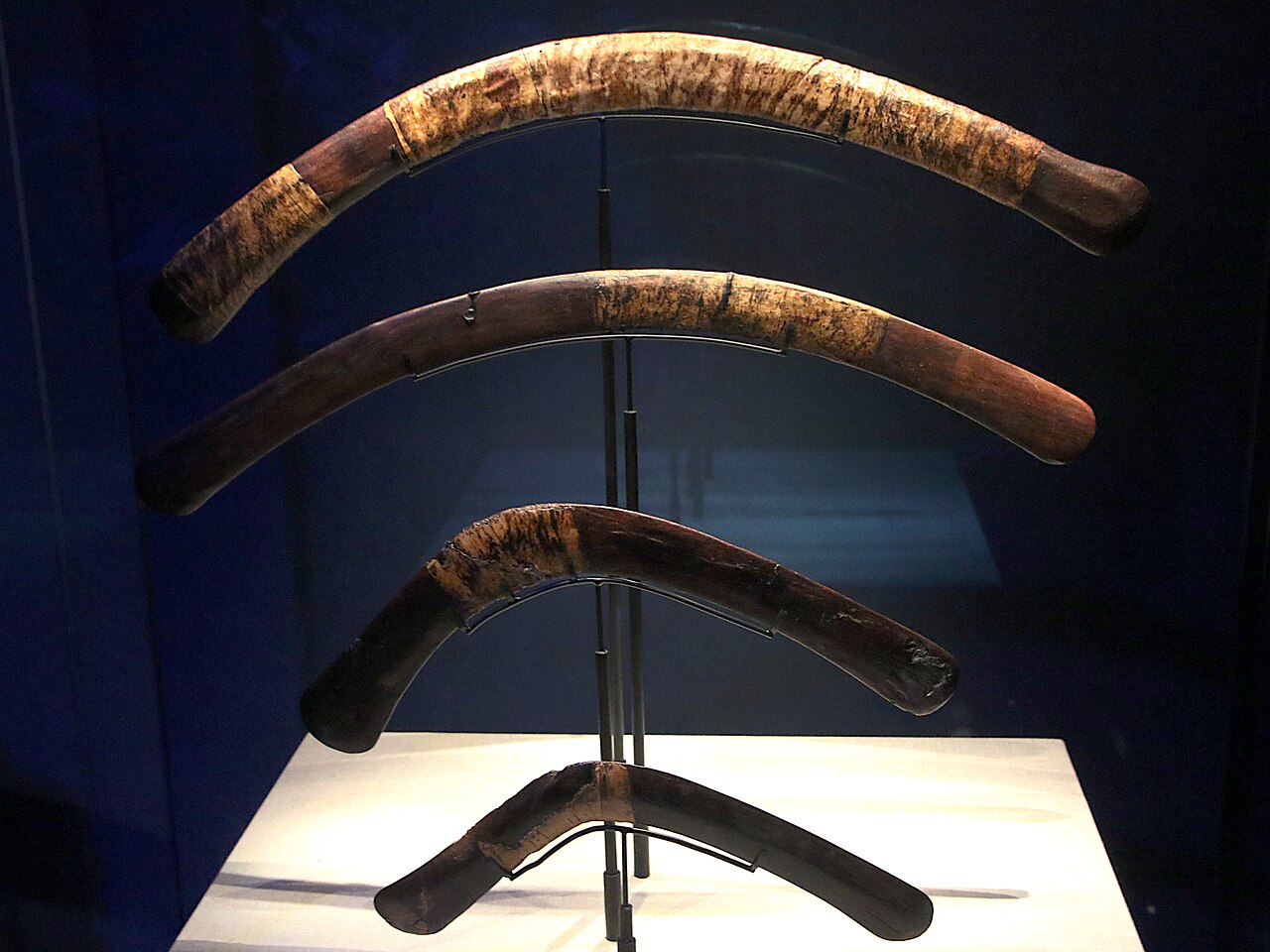
Egyptian Hunting Boomerangs
14th century BCE
A set of hardwood throwing sticks found among Tutankhamun's funerary goods in his tomb, used for hunting rather than returning like modern boomerangs.
These boomerangs were Tutankhamun's own hunting equipment, buried with him as part of his royal grave goods.
About this source
What it is
This is a set of hardwood boomerangs found in the tomb of Tutankhamun (KV62) in the Valley of the Kings. Unlike return boomerangs, their curvature meant they could not fly back to the thrower. The photograph was taken at a 2019 exhibition of Tutankhamun's treasure in Paris.
Why it matters
These objects were part of the pharaoh's personal equipment, buried with him for use in the afterlife. They reflect the importance of hunting as a royal pastime and a symbol of the king's strength and skill, an ideal tied closely to Tutankhamun himself.
Look closer
- Why might a king be buried with hunting tools rather than only ceremonial objects?
- What does the number and variety of boomerangs suggest about how often they were used?
- What does this object leave out about how Tutankhamun actually hunted?
This artifact is part of the curated material that grounds the AI version of Tutankhamun on Humy.ai — when students ask about related events, the AI can quote it and cite it.
More Tutankhamun sources
Meet the AI Tutankhamun →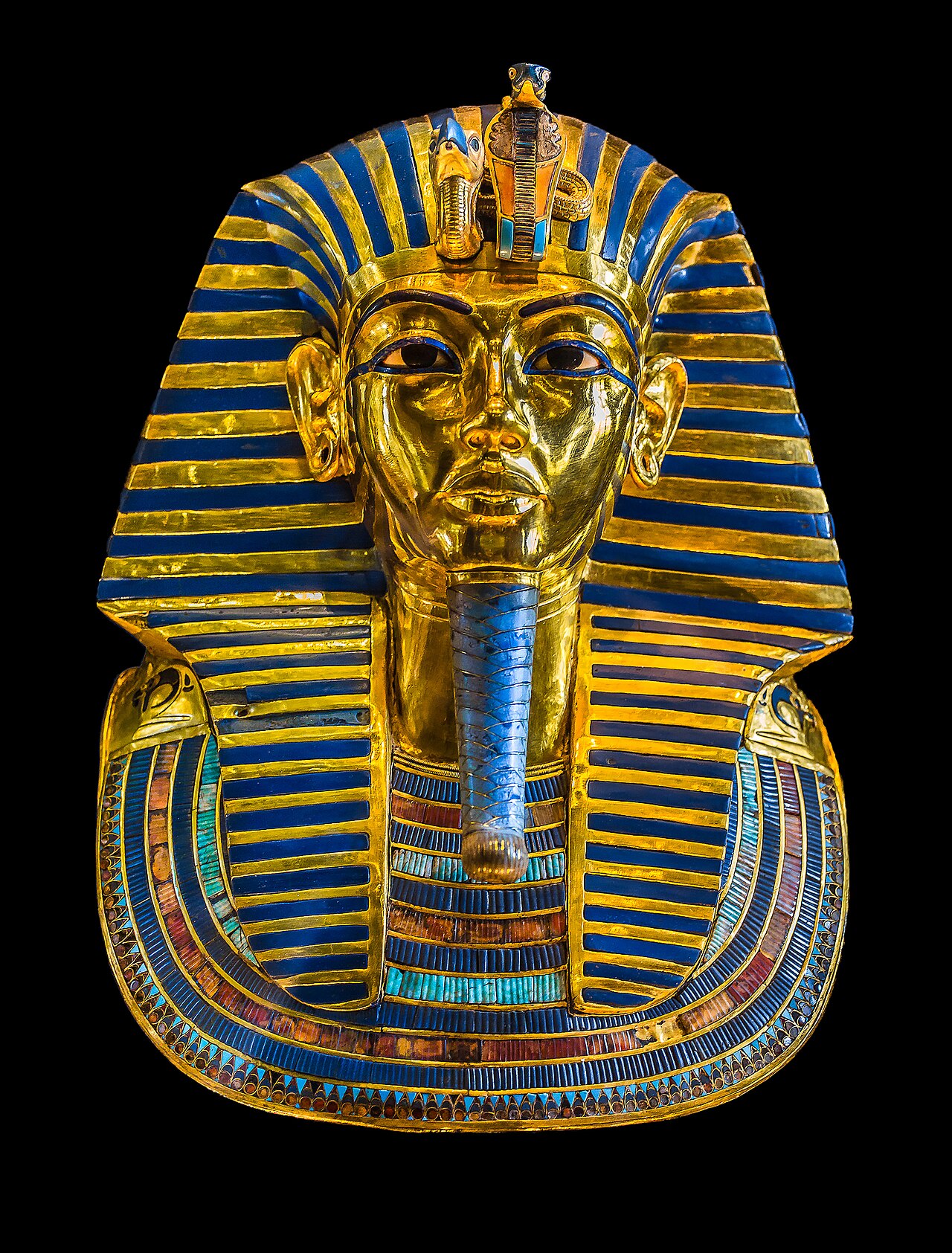 Artifact
Primary source
Mask of Tutankhamun
c. 1333 BCE
 Photograph
Primary source
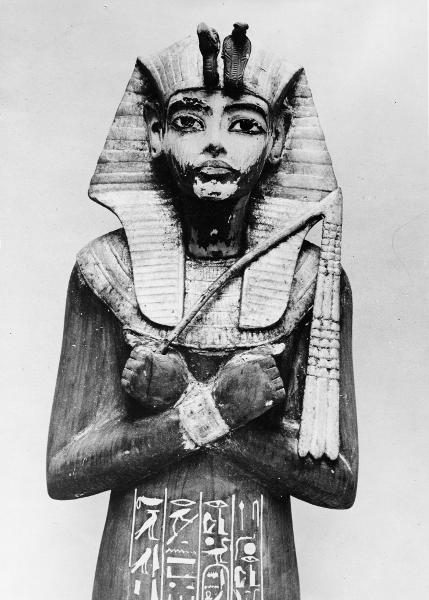
Photograph of Tutankhamun's Shawabti Figure
Harry Burton · 1920s
 Artifact
Primary source
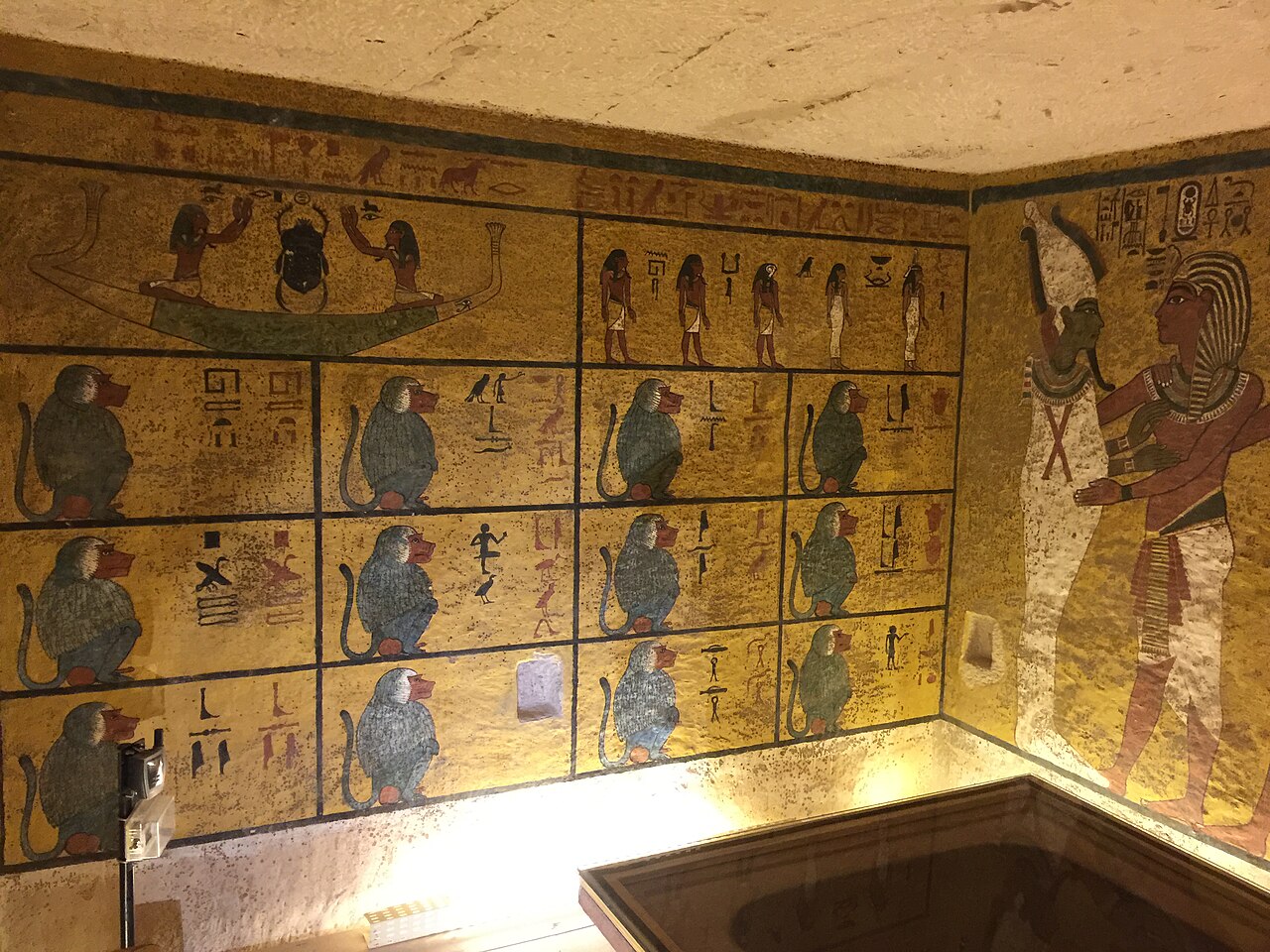
Tomb of Tutankhamun
14th century BCE
 Photograph
Primary source
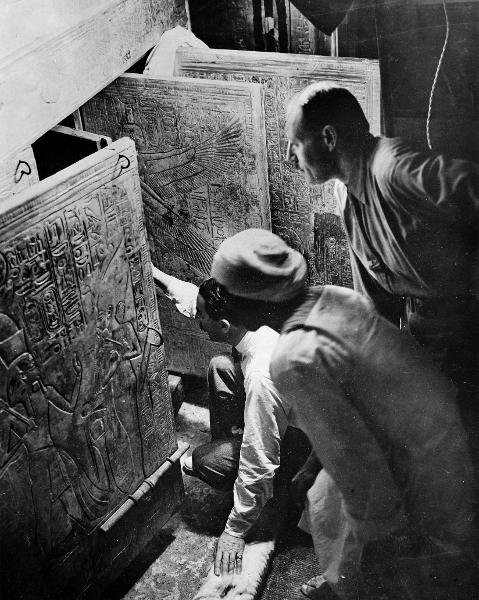
Opening the Doors of the Fourth Shrine in Tutankhamun's Tomb
Harry Burton · 1920s
 Document
Primary source
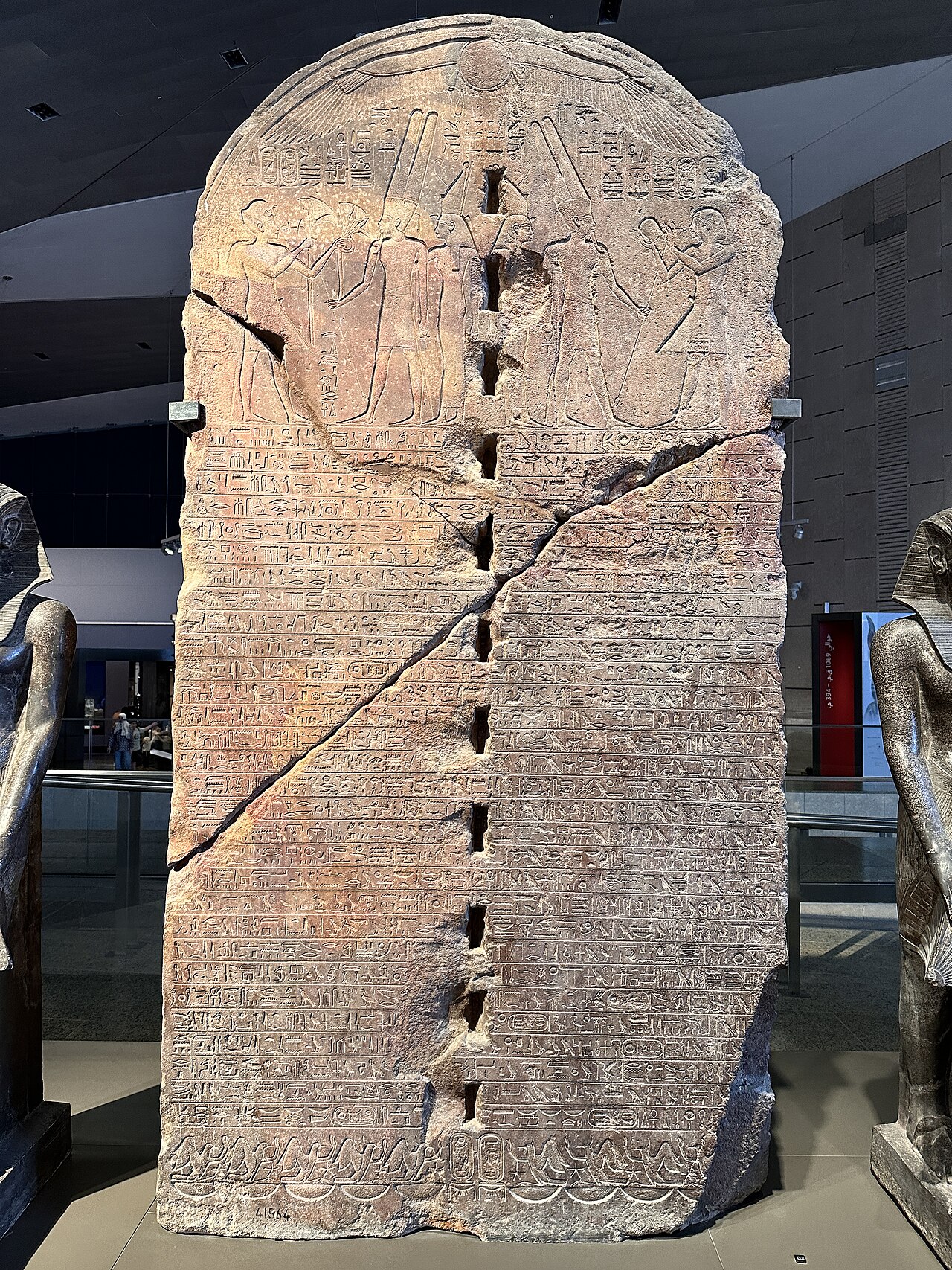
Restoration Stela
Tutankhamun · c. 1326 BCE
Ready when you are
Start chatting with Tutankhamun now.
20 messages free · No credit card · Available in 50+ languages.