


Primary sourceArtifactca. 1347-1330 BCE
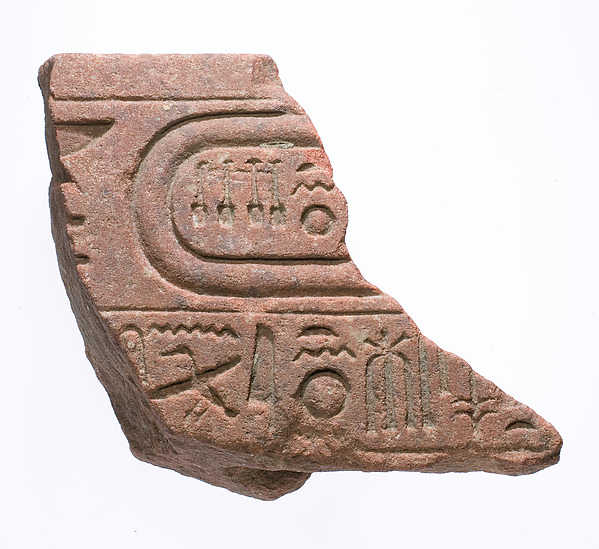
Element with Names of Nefertiti and Ankhesenpaaten
ca. 1347-1330 BCE
A red quartzite fragment inscribed with the names of Nefertiti and her daughter Ankhesenpaaten.
This fragment names Nefertiti alongside her daughter, showing her family's prominence at Amarna.
About this source
What it is
This red quartzite fragment is inscribed with the names of Nefertiti and Ankhesenpaaten, one of her daughters. It dates to the New Kingdom, Amarna Period, during the reign of Akhenaten, and is held at The Metropolitan Museum of Art.
Why it matters
This piece links Nefertiti directly to her family, showing that mother and daughter were both named together on monuments. It is a reminder that the royal women of Amarna were given prominent, public recognition alongside the king.
Look closer
- Why might a mother and daughter be named together on the same object?
- What does the pairing of these two cartouches suggest about the importance of royal women at Amarna?
- What is missing from this fragment that might have told us more about its original location?
This artifact is part of the curated material that grounds the AI version of Queen Nefereti on Humy.ai — when students ask about related events, the AI can quote it and cite it.
More Queen Nefereti sources
Meet the AI Queen Nefereti →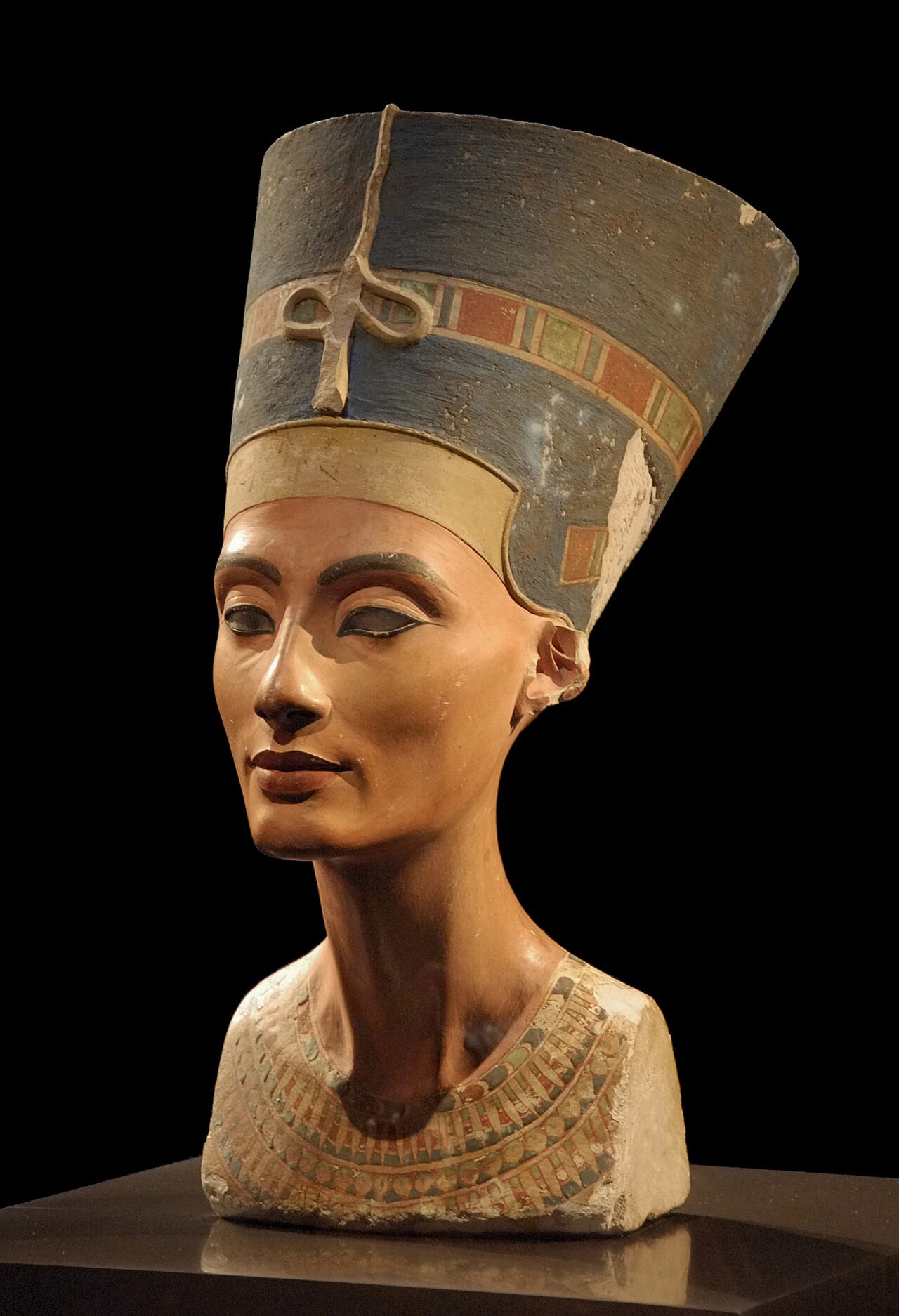 Sculpture
Primary source
Bust of Queen Nefertiti
Thutmose · c. 1345 BC
 Sculpture
Primary source
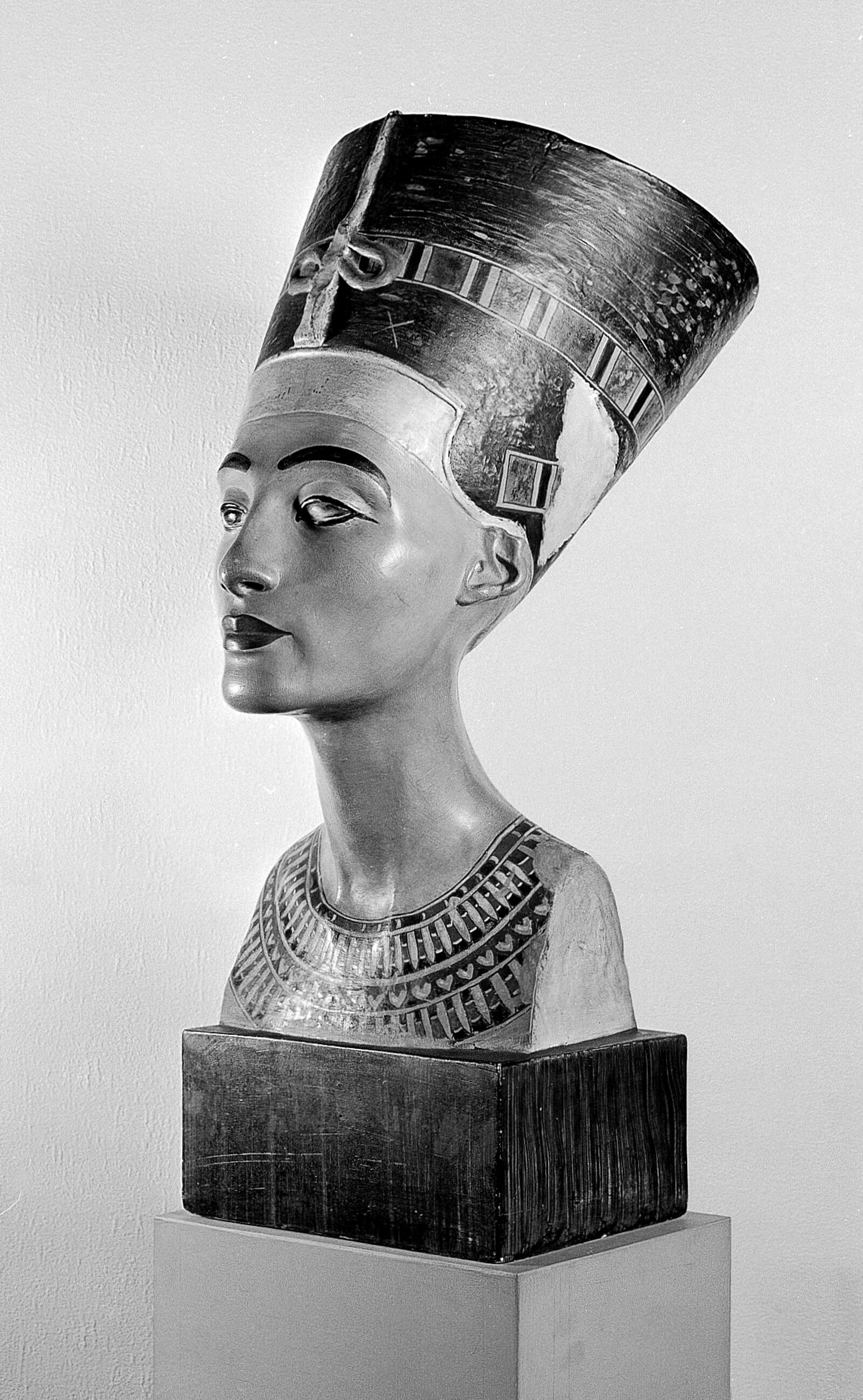
Figure of Nefertiti
 Sculpture
Primary source
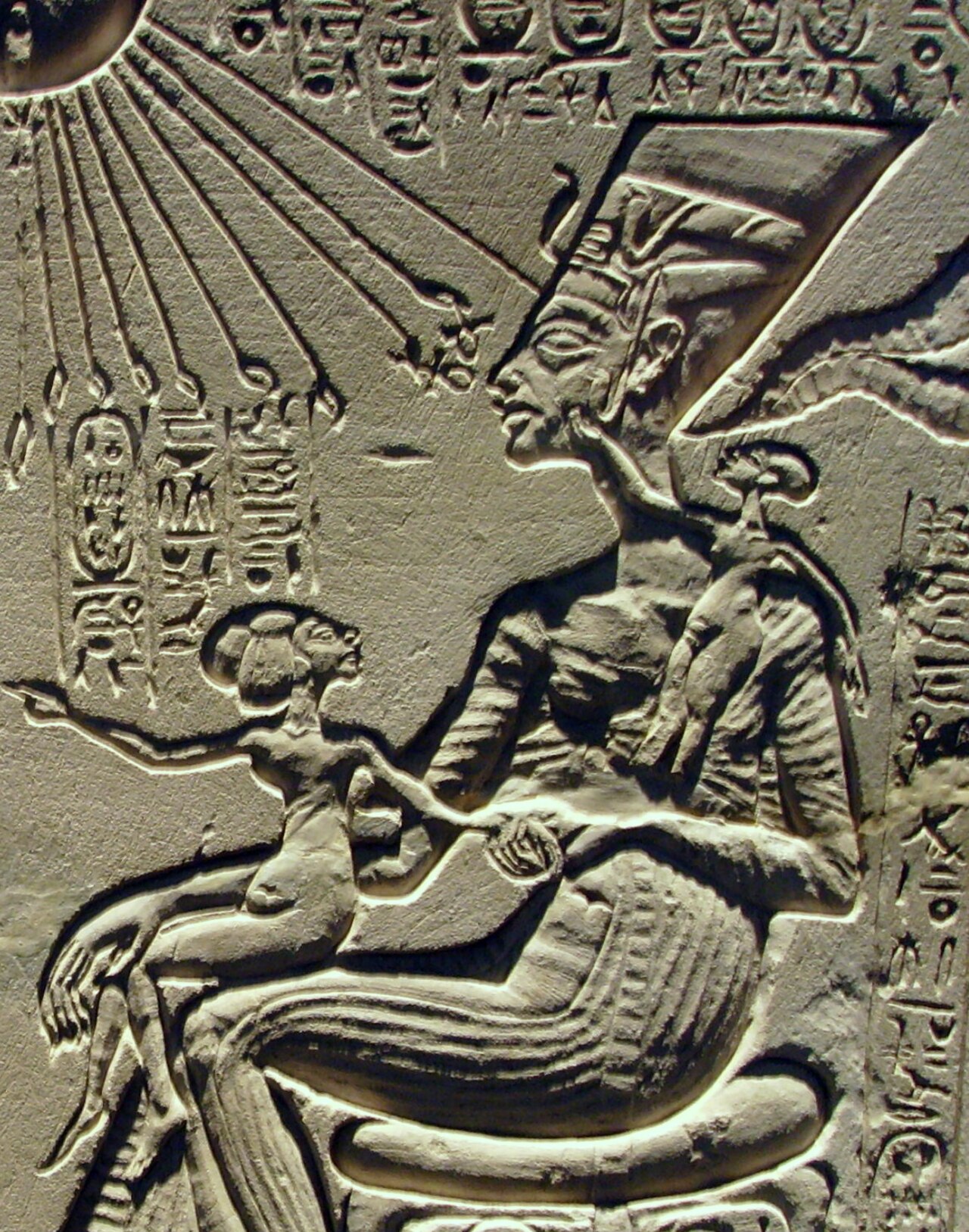
Akhenaten and His Family
c. 1352 BC
 Sculpture
Primary source
Relief Fragment Showing the Blue Crown of Nefertiti
 Document
Primary source
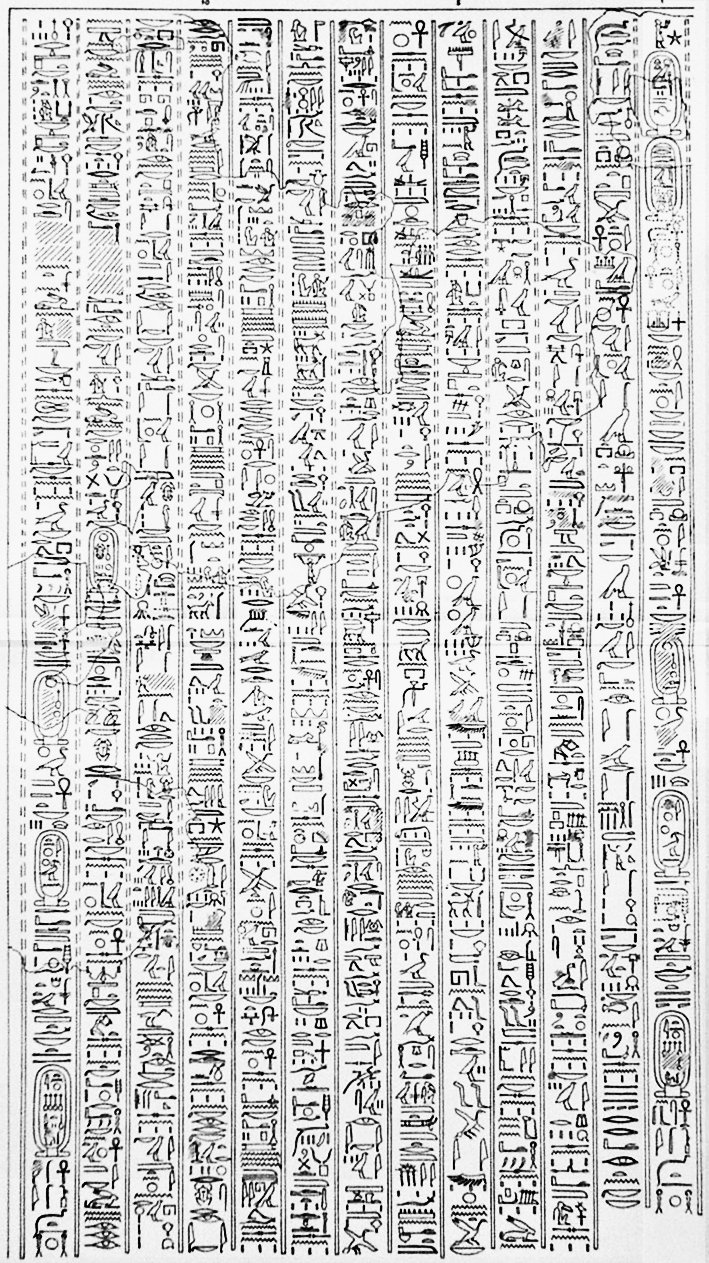
Great Hymn to the Aten
Akhenaten · c. 1350 BC
Ready when you are
Start chatting with Queen Nefereti now.
20 messages free · No credit card · Available in 50+ languages.