


Primary sourceBookpublished 1720 (posthumous)
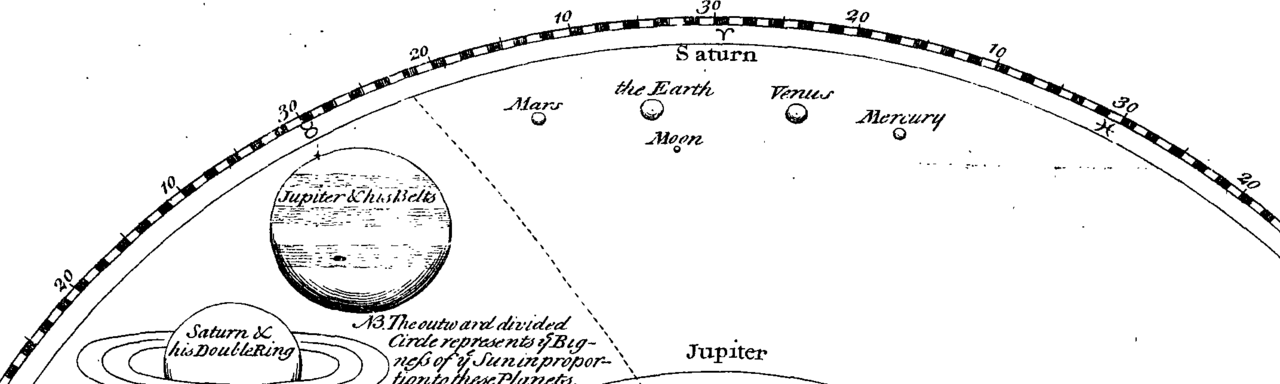
Elements of Natural Philosophy
John Locke · published 1720 (posthumous)
A short science primer by Locke, published after his death, covering matter, motion and astronomy.
This posthumous science primer shows Locke's own writing on natural philosophy and his engagement with contemporary science.
About this source
What it is
This is a posthumously published short book by John Locke, printed in 1720, intended as a simple introduction to natural philosophy (what we would now call physics and science). It is held by the British Library.
Why it matters
The book shows Locke's interest in the new science of his time, including ideas connected to thinkers like Newton and Boyle. It also shows how Locke thought about teaching: breaking complex ideas about matter and motion into simple statements for learners.
Look closer
- Why might a philosopher also want to write a basic science textbook?
- What does the diagram of planets and orbits tell you about what
This book is part of the curated material that grounds the AI version of John Locke on Humy.ai — when students ask about related events, the AI can quote it and cite it.
More John Locke sources
Meet the AI John Locke →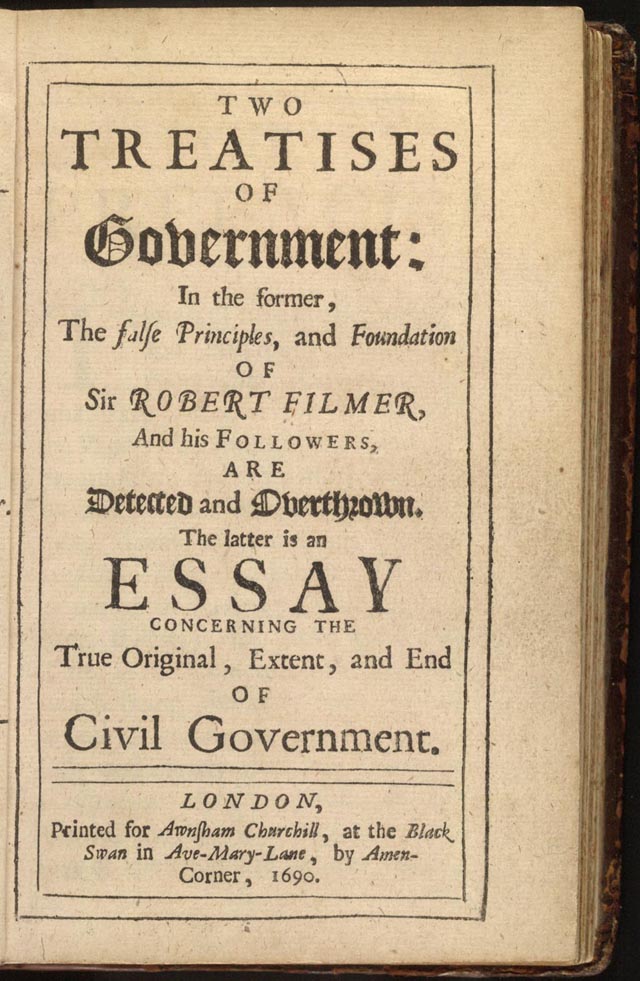 Book
Primary source
Two Treatises of Government
John Locke · 1689 (dated 1690)
 Book
Primary source
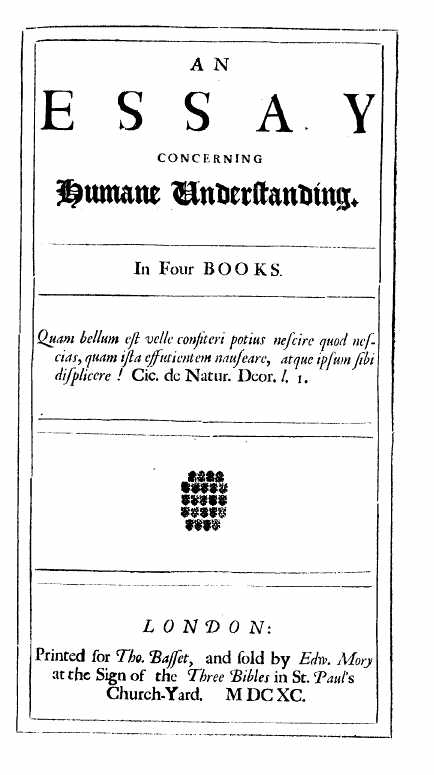
An Essay Concerning Human Understanding
John Locke · 1689 (dated 1690)
 Painting
Secondary source
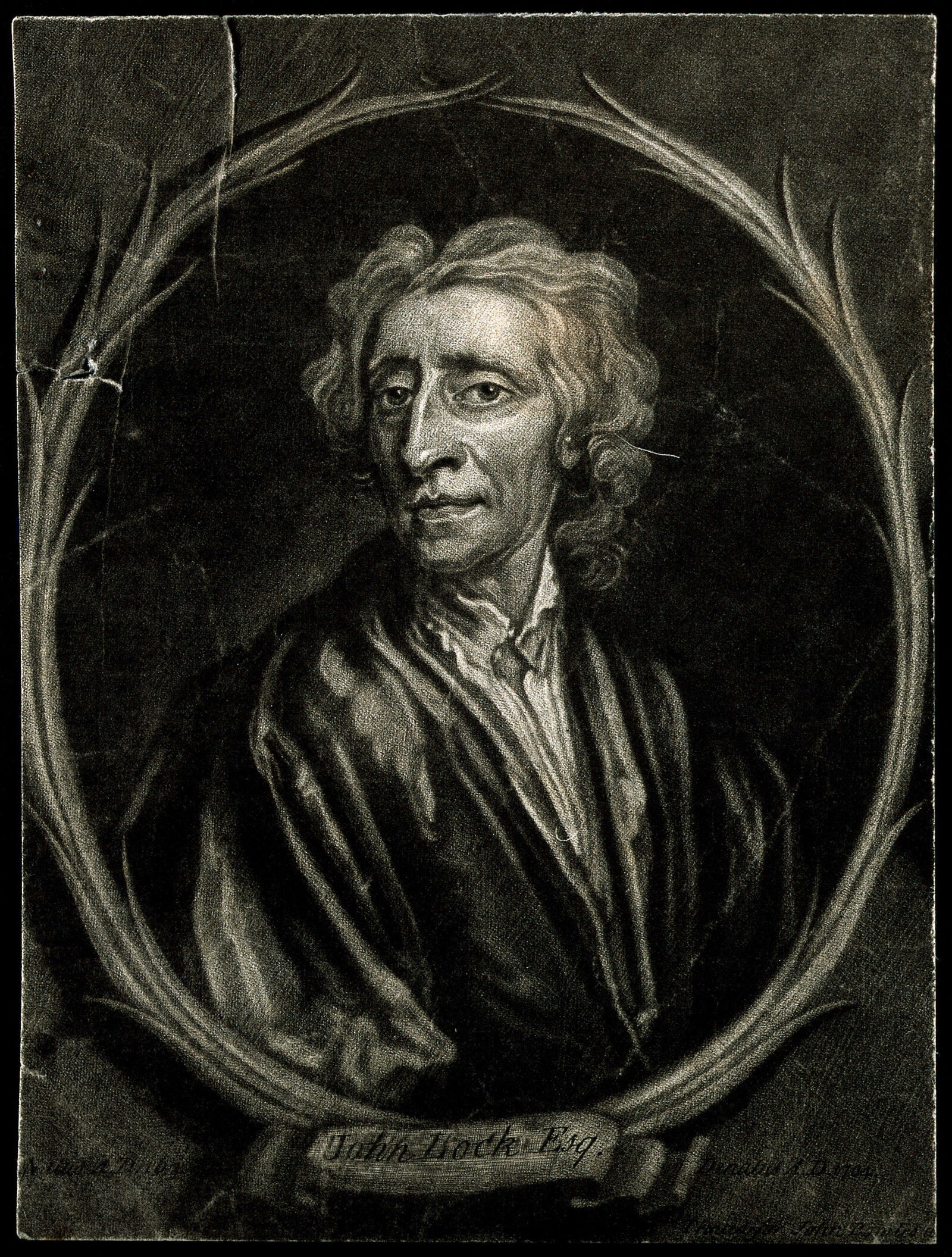
John Locke, Mezzotint after Godfrey Kneller
Godfrey Kneller
 Letter
Primary source
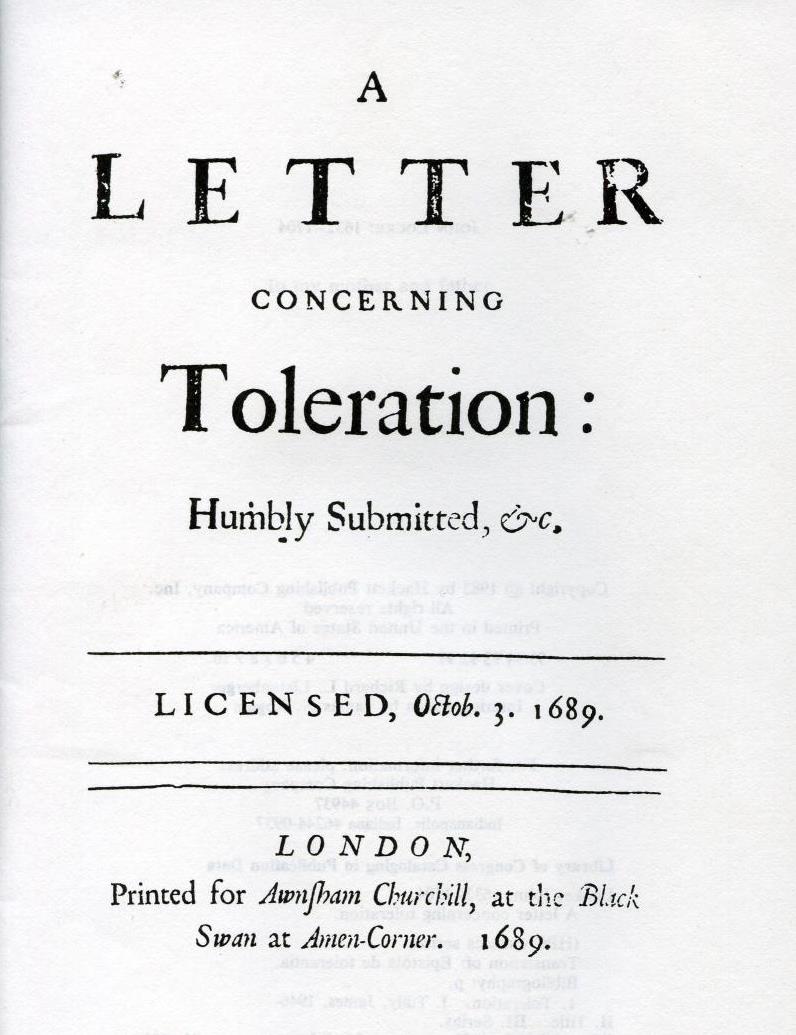
A Letter Concerning Toleration
John Locke · written 1685-1686, published 1689
 Painting
Secondary source
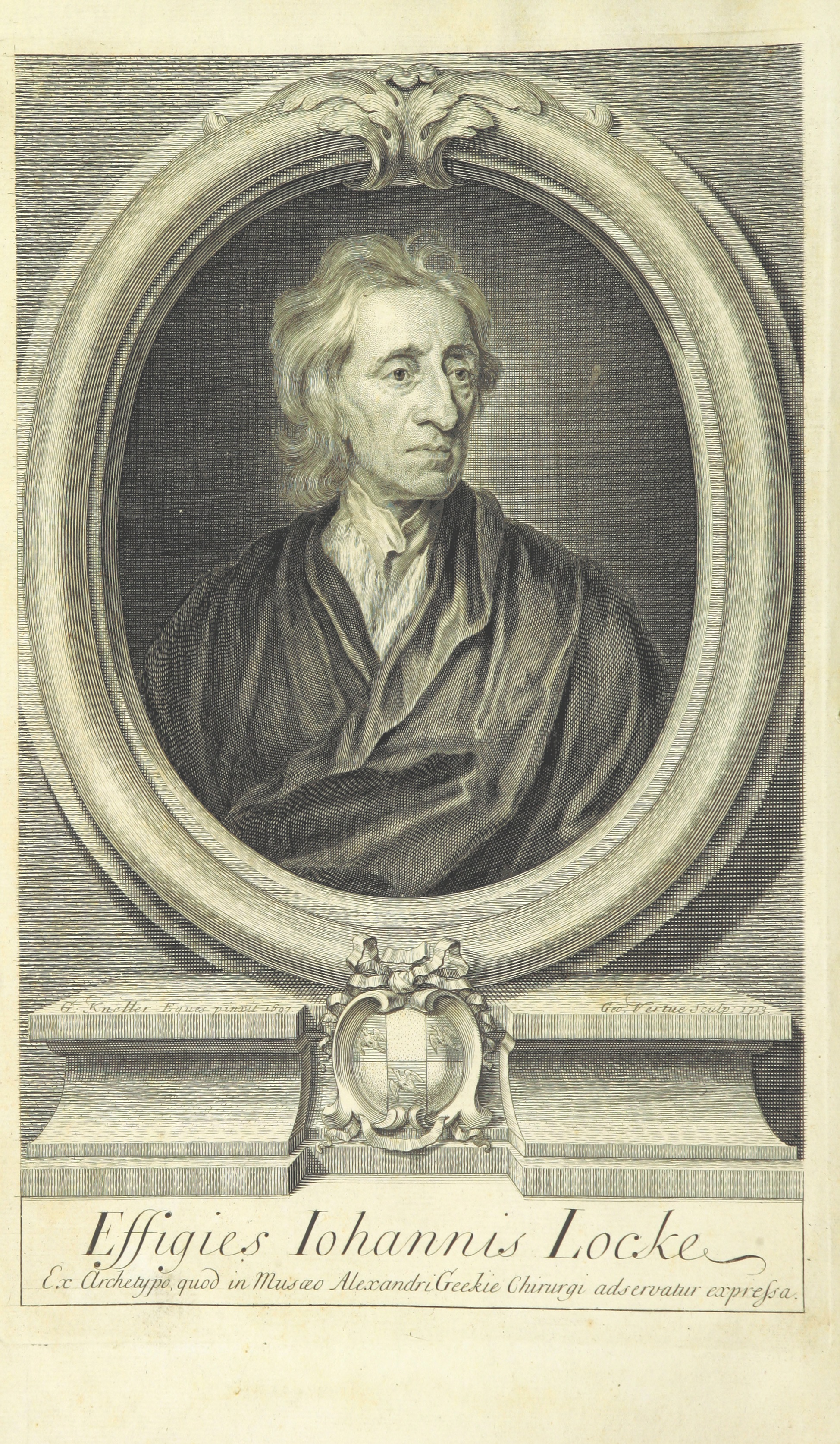
Portrait of John Locke, frontispiece to Works
George Vertue, after Sir Godfrey Kneller · 1722
Ready when you are
Start chatting with John Locke now.
20 messages free · No credit card · Available in 50+ languages.