


Secondary sourcePainting1885
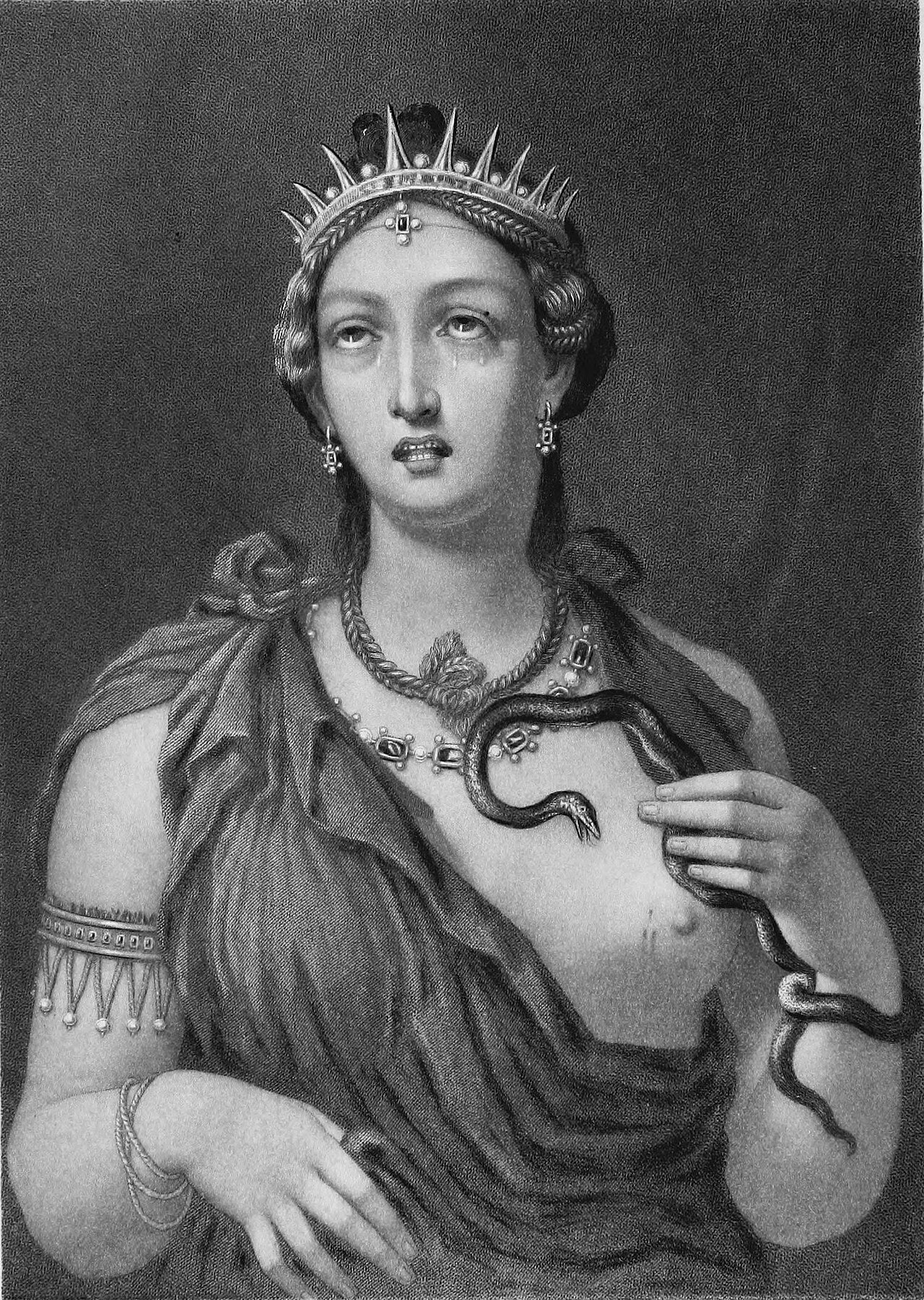
Engraving of the Lost Encaustic Painting of Cleopatra
John Sartain · 1885
An 1885 engraving copying a lost ancient painting of Cleopatra's death, discovered at Hadrian's Villa.
This engraving preserves the image of a now-lost ancient painting showing Cleopatra's death, linked to Plutarch's account of her.
About this source
What it is
A steel engraving made in 1885 by John Sartain, reproducing a now-lost ancient encaustic painting of Cleopatra that was discovered at Emperor Hadrian's Villa in 1818. It shows Cleopatra wearing the radiant crown of the Ptolemaic rulers and the knot of Isis, with a snake biting her breast in a depiction of her suicide.
Why it matters
The original painting itself no longer survives, so this engraving is our only visual link to it. Its details, such as the crown and the knot of Isis, match the description by the ancient writer Plutarch of Cleopatra dressed as the goddess Isis, showing how her death became a lasting symbol in both ancient and later art.
Look closer
- Why might an artist in 1885 choose to copy a painting that no longer exists?
- What details link this image to Plutarch's written description of Cleopatra?
- What does this image suggest about how Cleopatra's death was remembered and retold over centuries?
This painting is part of the curated material that grounds the AI version of Cleopatra on Humy.ai — when students ask about related events, the AI can quote it and cite it.
More Cleopatra sources
Meet the AI Cleopatra →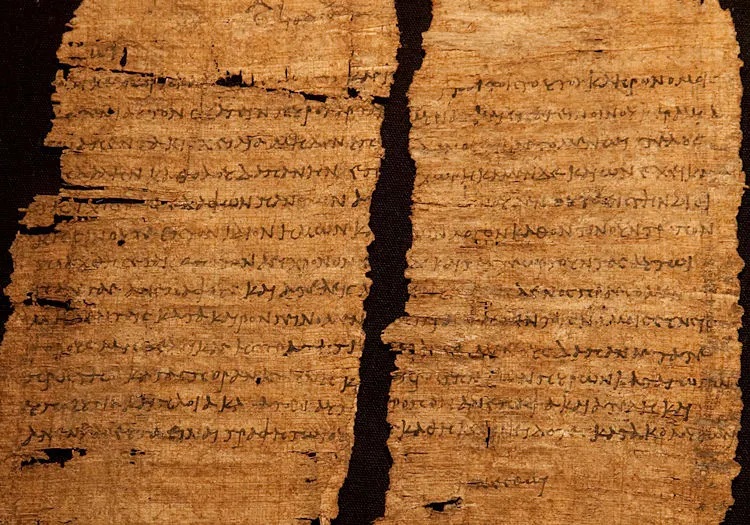 Document
Primary source
Papyrus with Signature of Cleopatra VII
Ptolemaic scribe; possibly countersigned by Cleopatra VII · February 33 BCE
 Painting
Secondary source
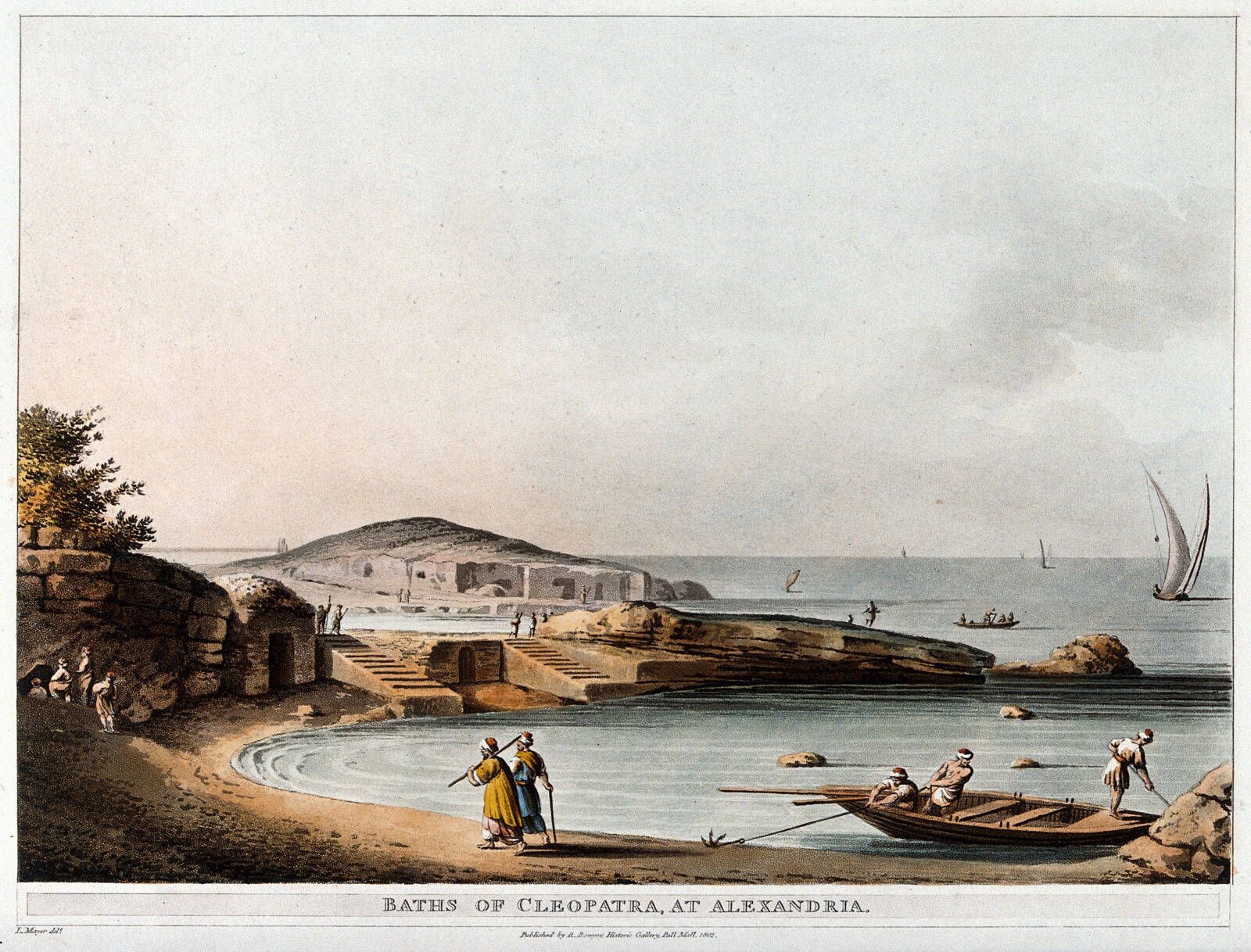
Baths of Cleopatra, at Alexandria
Luigi Mayer · 1802
 Sculpture
Secondary source
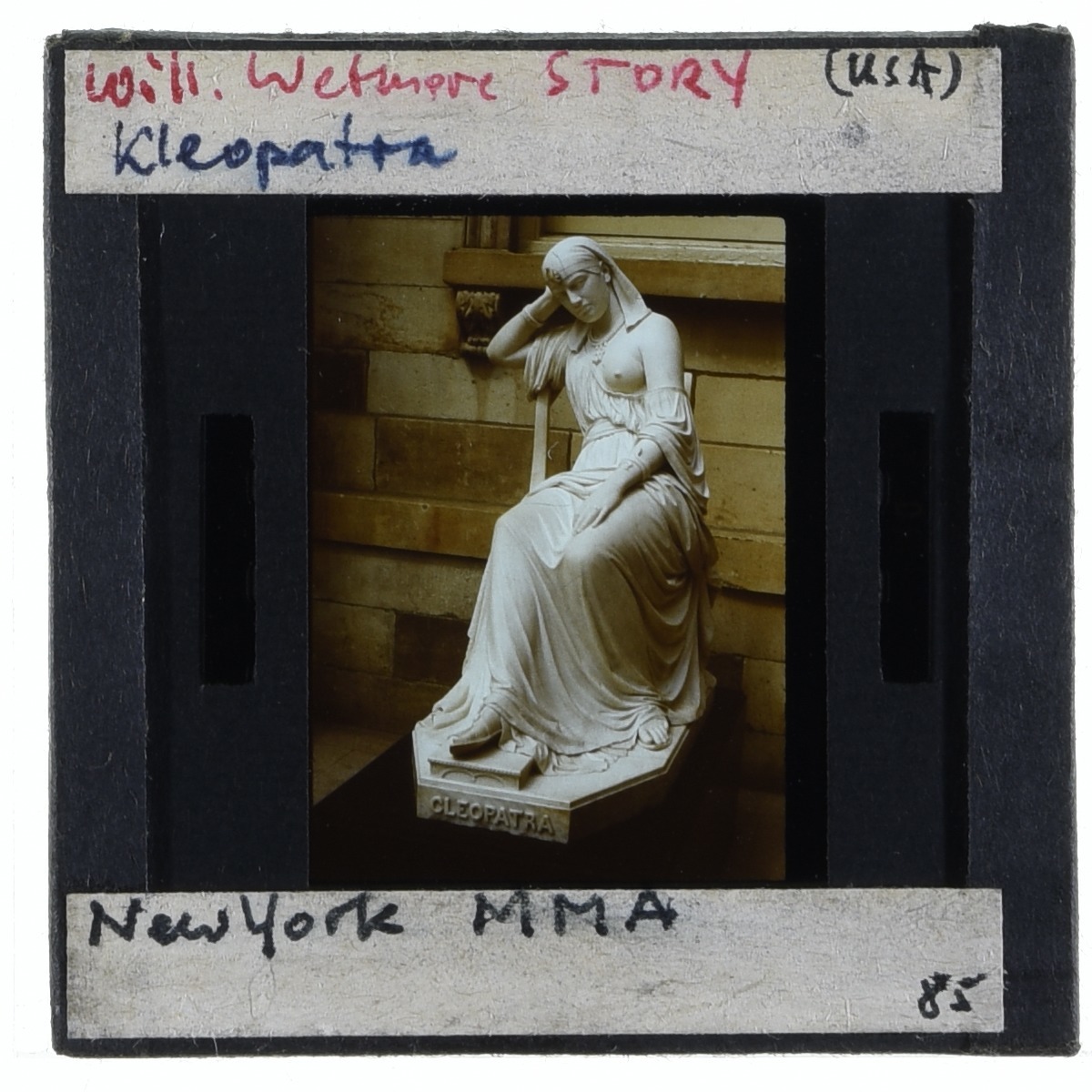
Cleopatra
William Wetmore Story
 Sculpture
Primary source
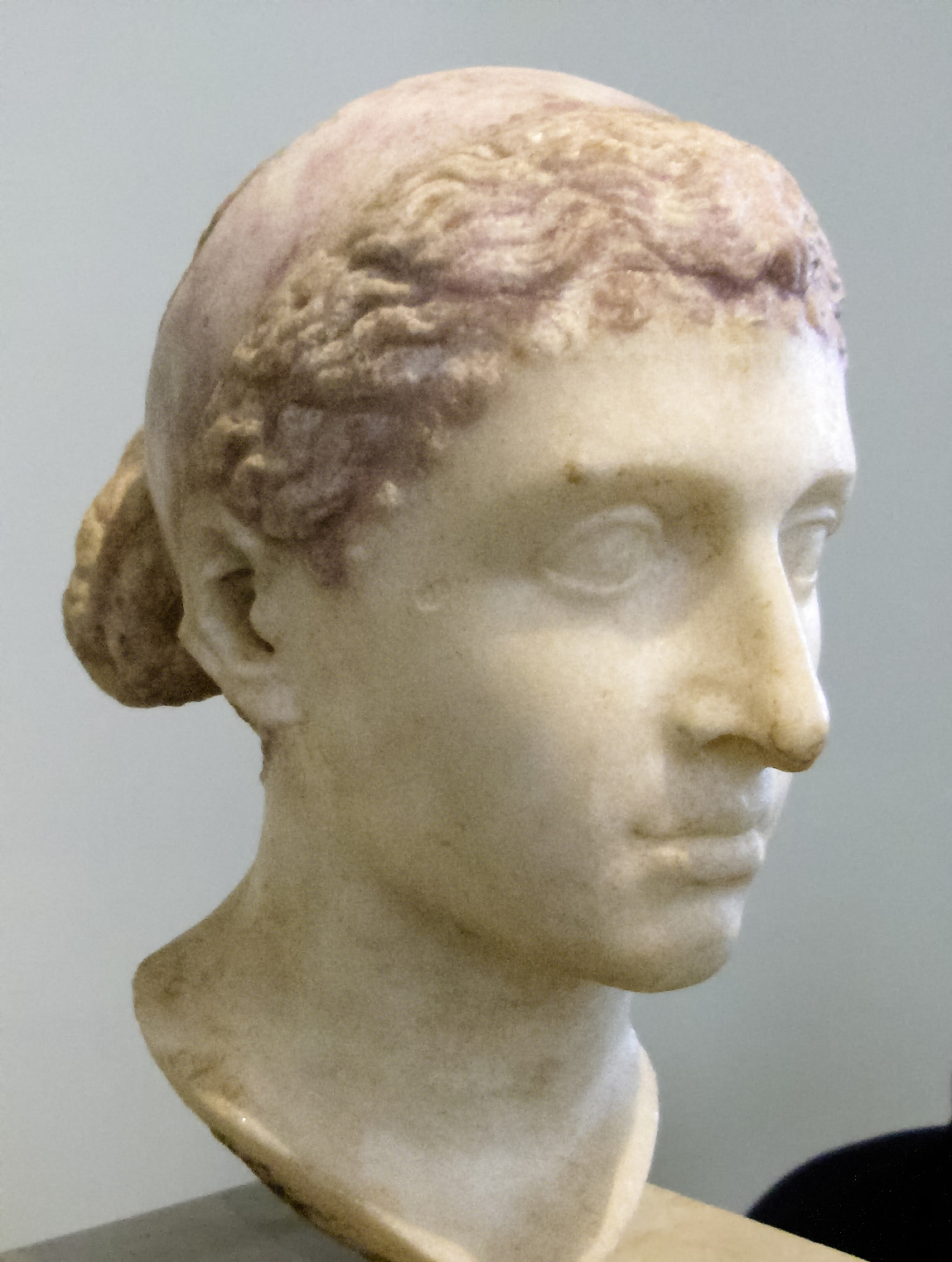
Portrait of Cleopatra (Berlin Bust)
c. 40-30 BCE
 Sculpture
Primary source
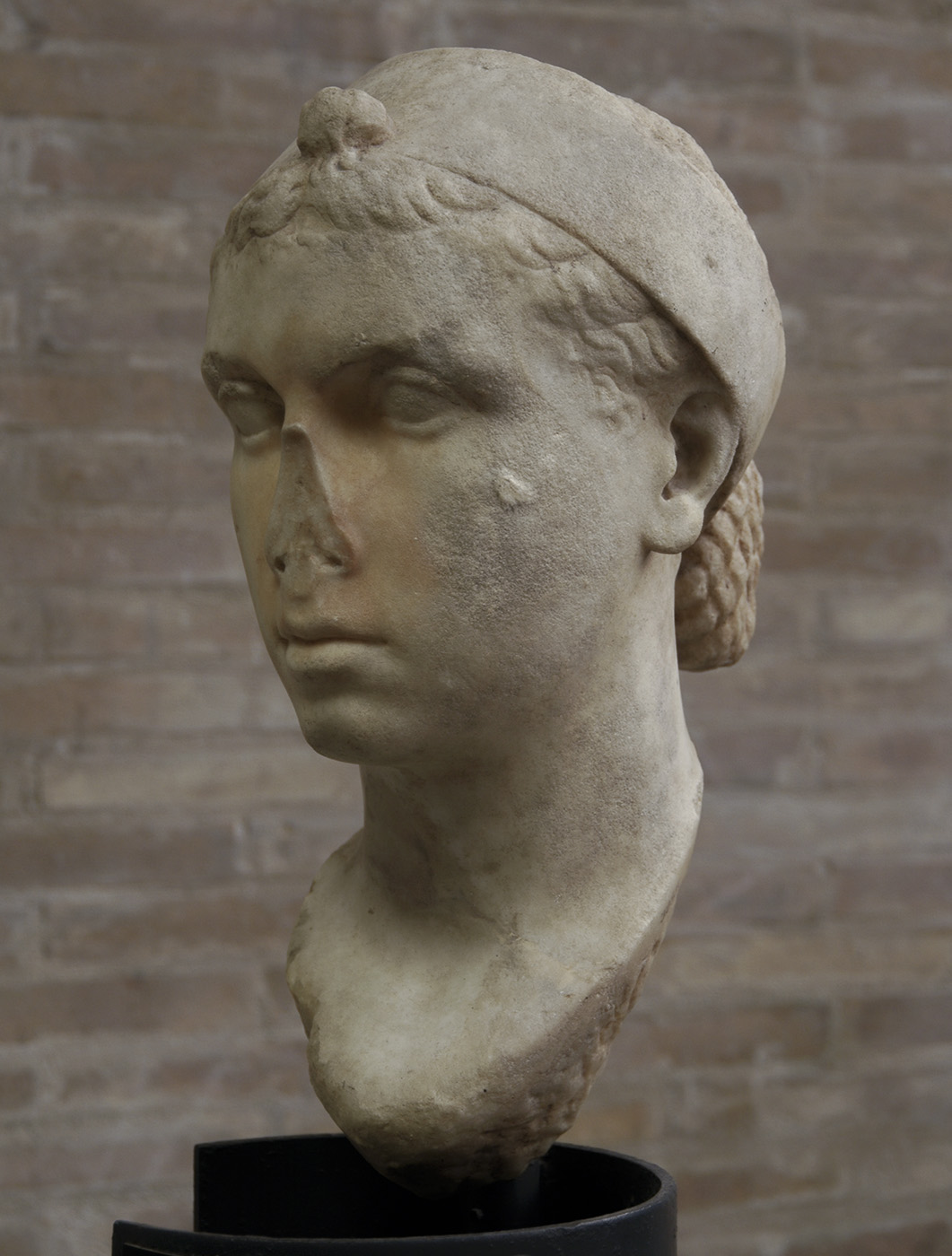
Head-Portrait of Cleopatra VII (Vatican Bust)
c. 40-30 BCE
Ready when you are
Start chatting with Cleopatra now.
20 messages free · No credit card · Available in 50+ languages.