


Secondary sourceBook1554
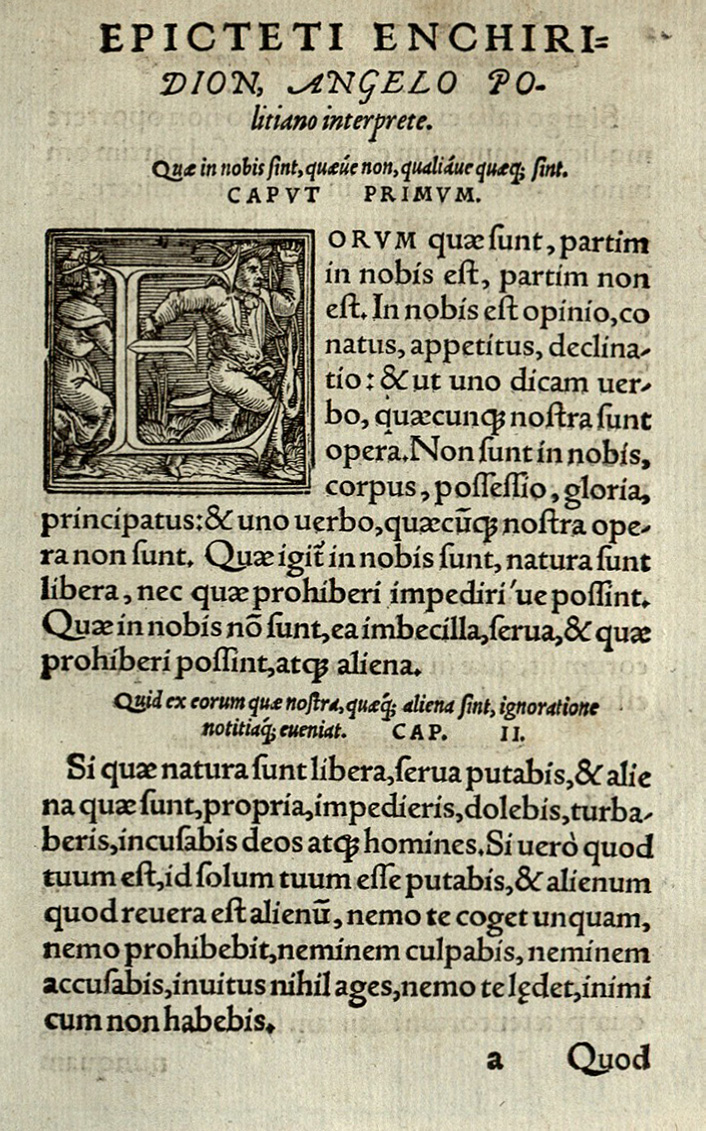
Epicteti Enchiridion, Angelo Politiano interprete
Angelo Poliziano · 1554
A 1554 Basel printing of Angelo Poliziano's Latin translation of Epictetus's Enchiridion, the version through which Renaissance humanists rediscovered his teachings.
This is a Renaissance Latin translation of Epictetus's own teachings, showing how his ideas reached later readers.
About this source
What it is
This is the title page of a 1554 printed edition from Basel containing the Enchiridion (Handbook) of Epictetus, translated into Latin by the Renaissance scholar Angelo Poliziano and printed by Johannes Oporinus (Operin).
Why it matters
Epictetus himself never wrote anything down; his teachings survive because a student, Arrian, recorded them. Centuries later, scholars like Poliziano translated these Greek texts into Latin so educated Europeans could read them. This page shows how Epictetus's ideas were passed down, translated, and reprinted long after his death, keeping Stoic philosophy alive in the Renaissance.
Look closer
- Why would a Latin translation matter more than the Greek original to readers in 1554?
- What does the decorated woodcut initial tell you about how books were made and valued at the time?
- What is lost or changed when a text passes through translation after translation?
This book is part of the curated material that grounds the AI version of Epictetus on Humy.ai — when students ask about related events, the AI can quote it and cite it.
More Epictetus sources
Meet the AI Epictetus →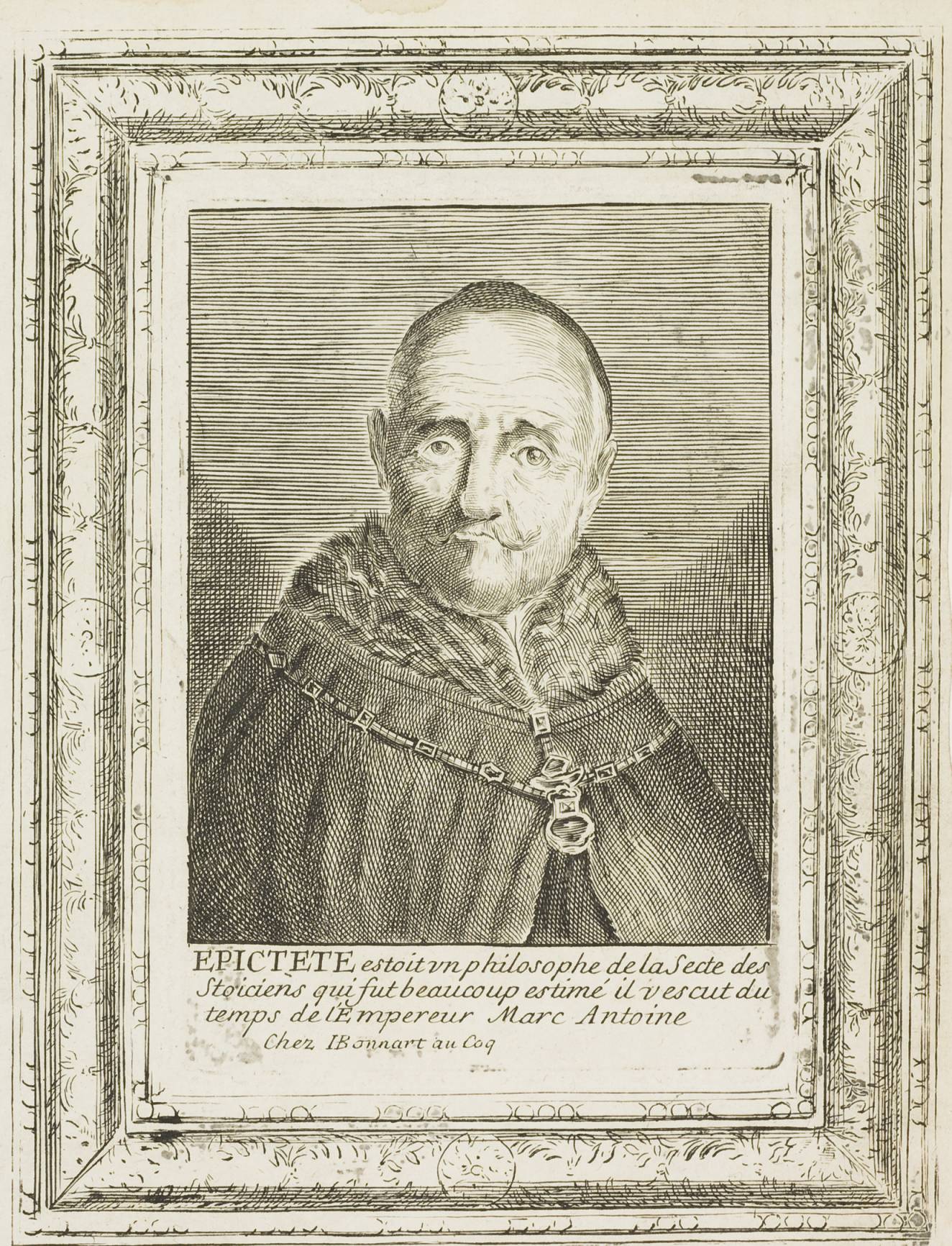 Painting
Secondary source
Epictete
Henri Bonnart · 17th century
 Book
Secondary source
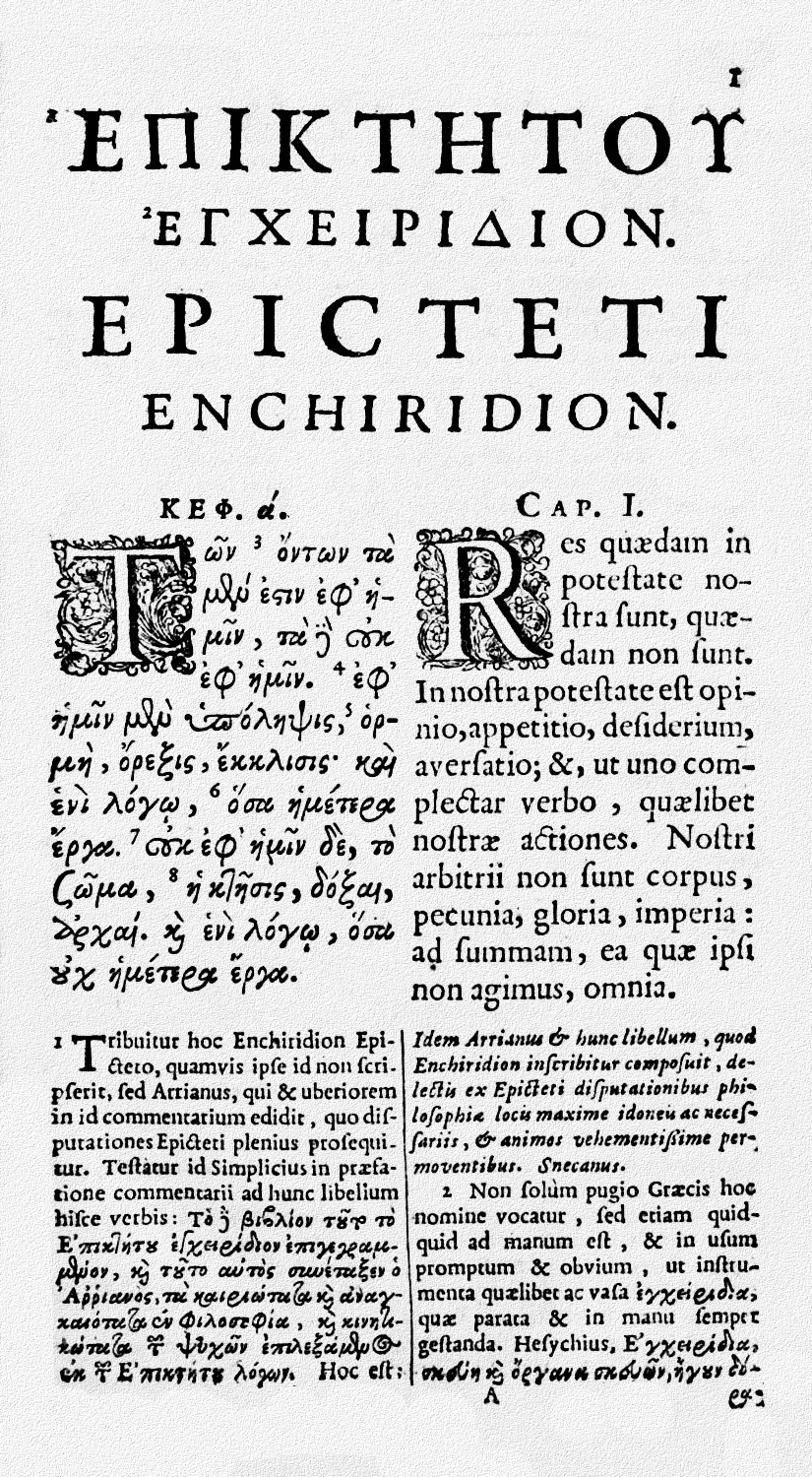
Enchiridion of Epictetus
Arrian · early 2nd century AD (this edition 1683)
 Book
Secondary source
Discourses of Epictetus
Arrian · c. 108 AD
 Painting
Secondary source
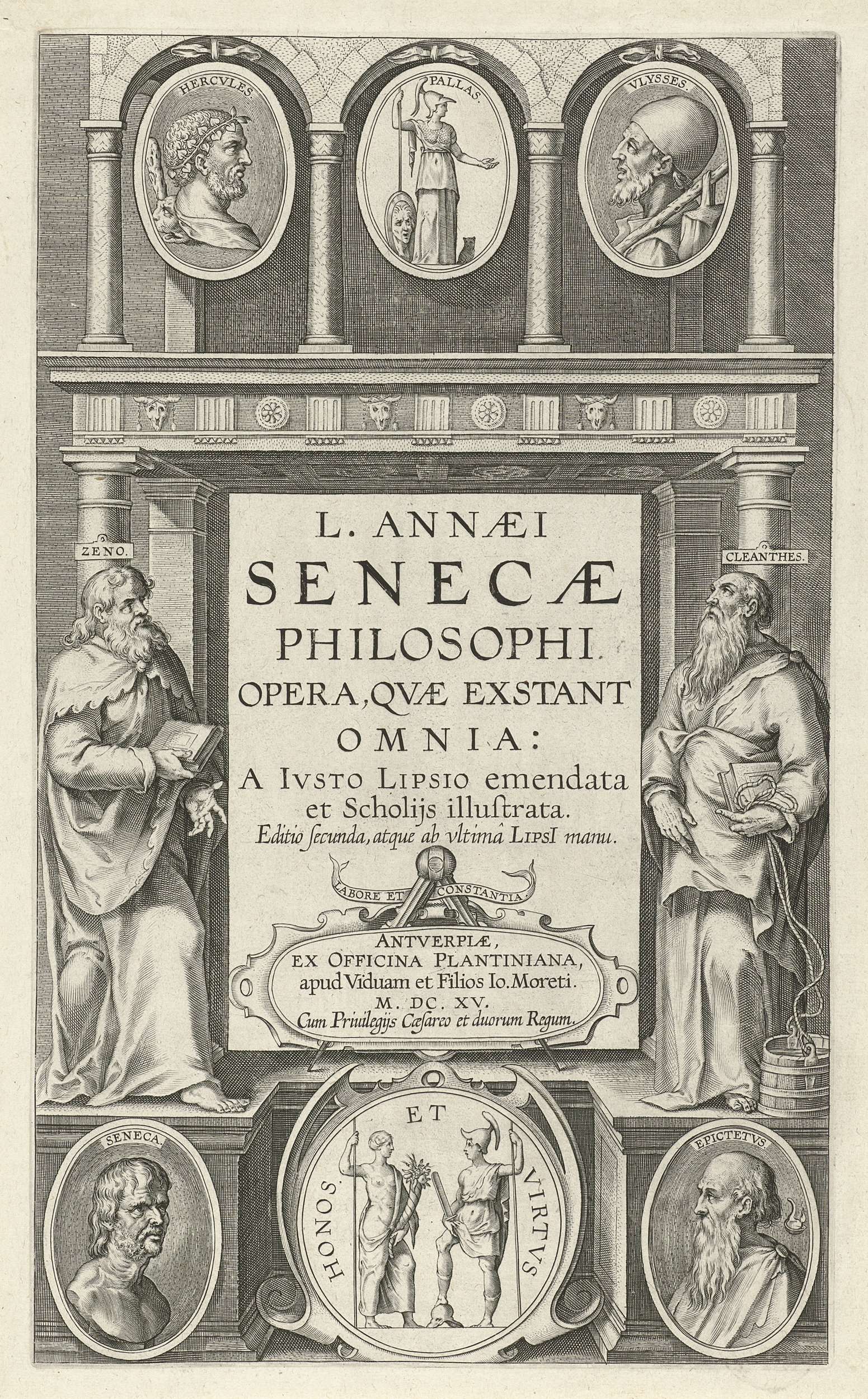
Title Page of L. Annaei Senecae Philosophi Opera
1615
DocumentSecondary source
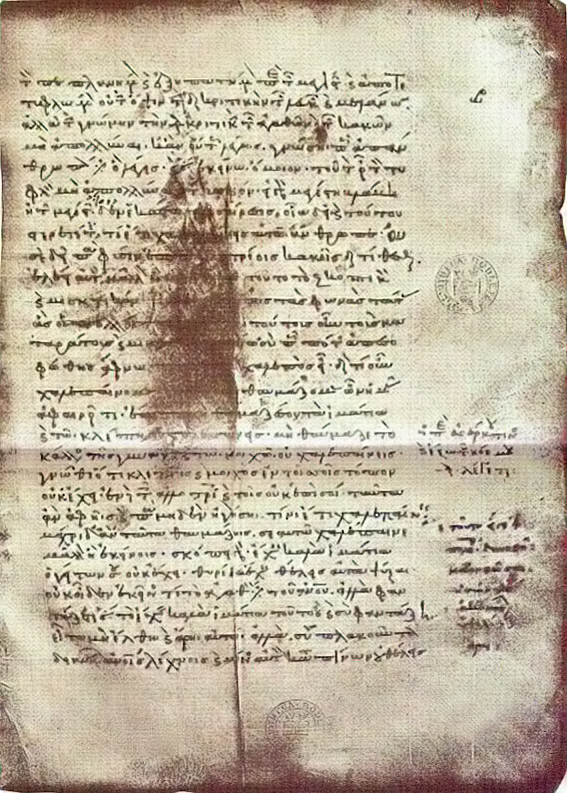
Codex Bodleianus
c. 11th-12th century
Ready when you are
Start chatting with Epictetus now.
20 messages free · No credit card · Available in 50+ languages.