


Secondary sourcePainting
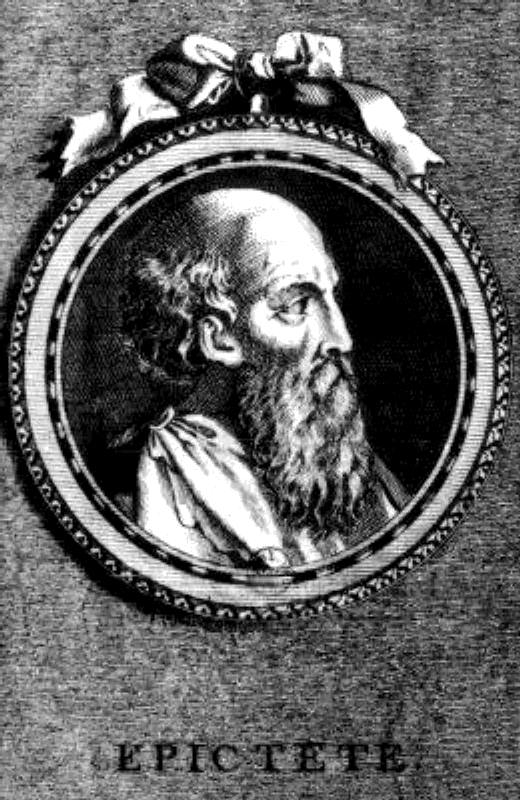
Epictetus (Artist's Impression)
Claude Reydellet (engraving by S. Beyssent)
An engraved portrait medallion imagining Epictetus as a bald, bearded sage, following conventional early modern iconography for philosophers.
An imagined later portrait showing the conventional image Europe gave to Epictetus as a bearded sage.
About this source
What it is
This black-and-white engraving by Claude Reydellet, engraved by S. Beyssent, shows a bald, bearded older man in profile within an oval medallion frame, labeled EPICTETE below. It is described as an artist's impression rather than a historical likeness.
Why it matters
Like other portraits of Epictetus, this image was created long after his lifetime and reflects the conventional way European artists pictured ancient philosophers: bald, bearded, and draped in a cloak, meant to convey wisdom and antiquity rather than an accurate appearance.
Look closer
- What visual clues (clothing, pose, frame) tell you this is meant to look like an ancient philosopher?
- Since this is explicitly labeled an
This painting is part of the curated material that grounds the AI version of Epictetus on Humy.ai — when students ask about related events, the AI can quote it and cite it.
More Epictetus sources
Meet the AI Epictetus →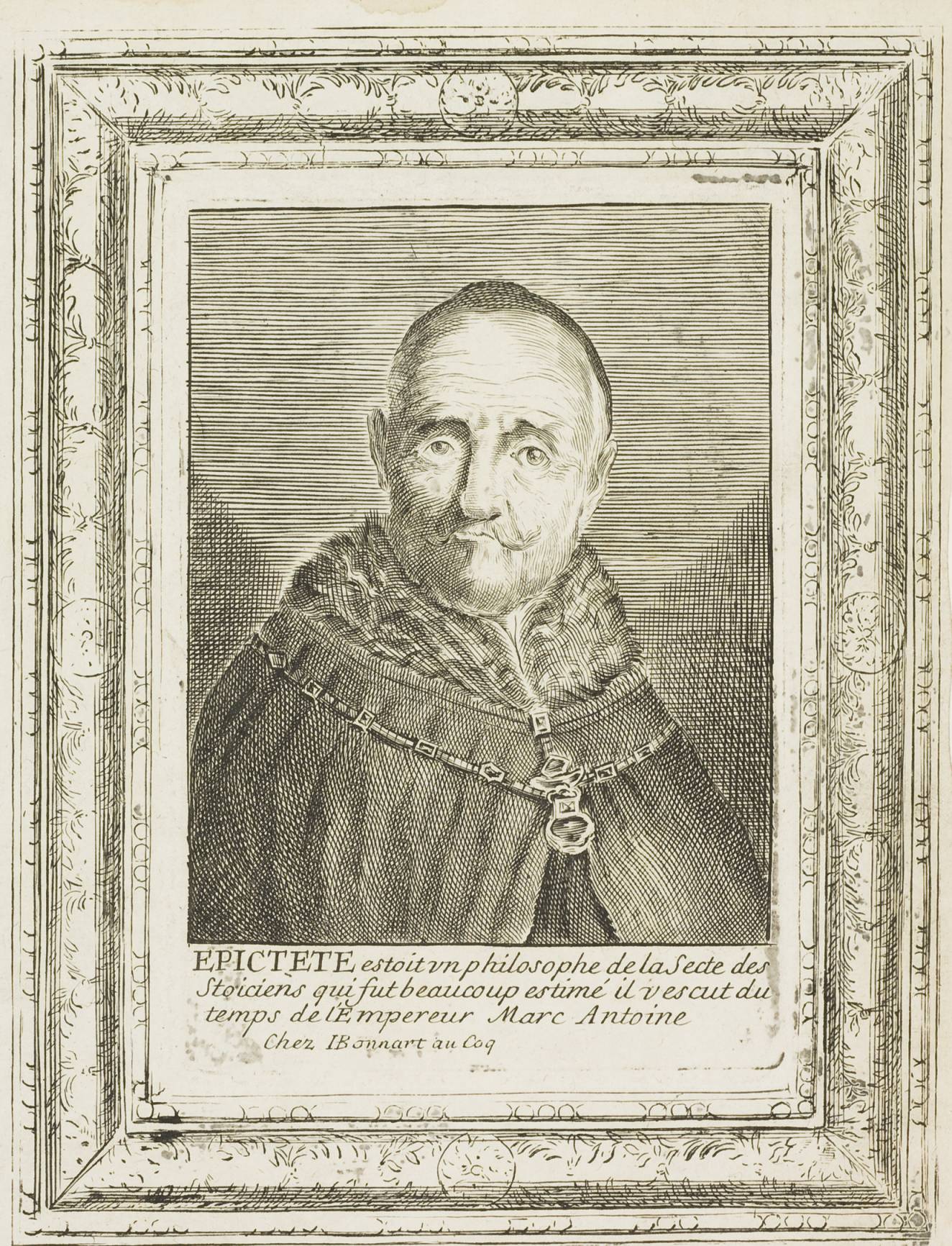 Painting
Secondary source
Epictete
Henri Bonnart · 17th century
 Book
Secondary source
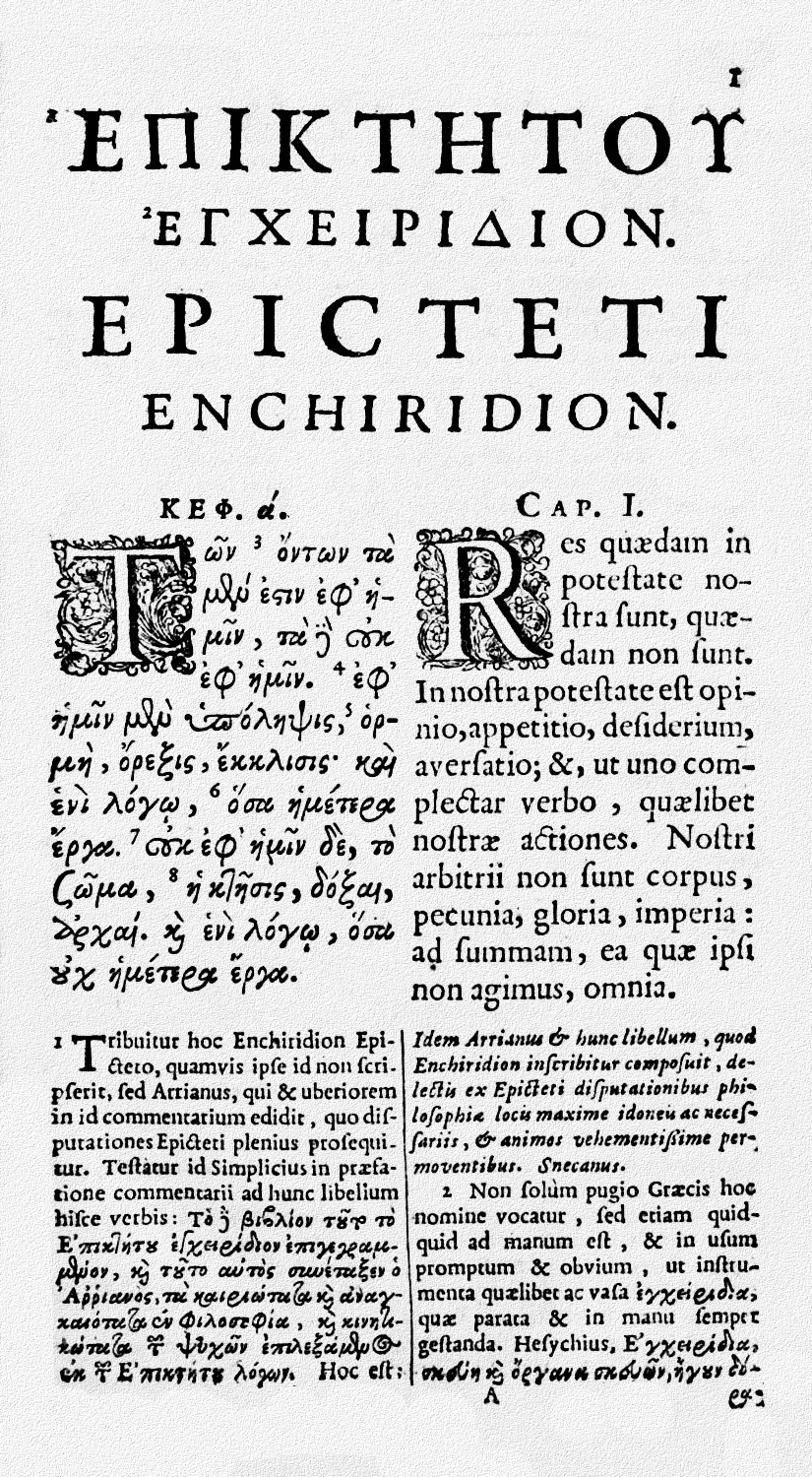
Enchiridion of Epictetus
Arrian · early 2nd century AD (this edition 1683)
 Book
Secondary source
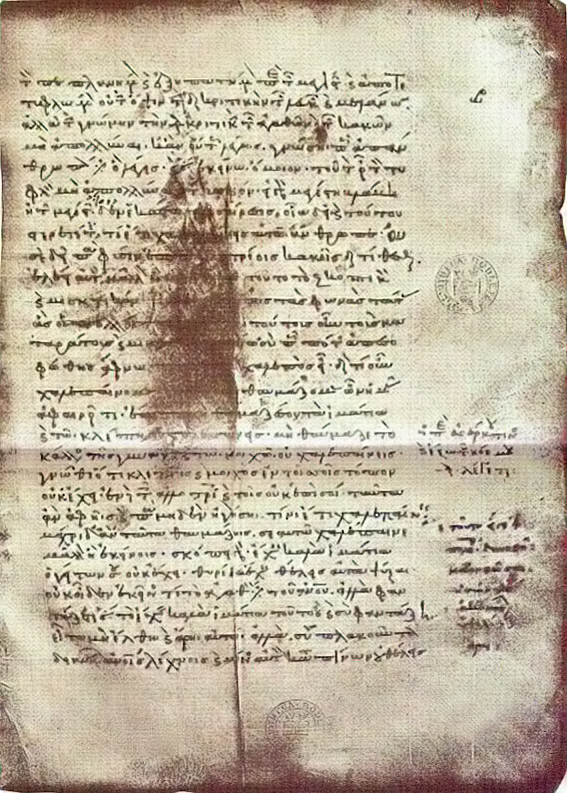
Discourses of Epictetus
Arrian · c. 108 AD
 Painting
Secondary source
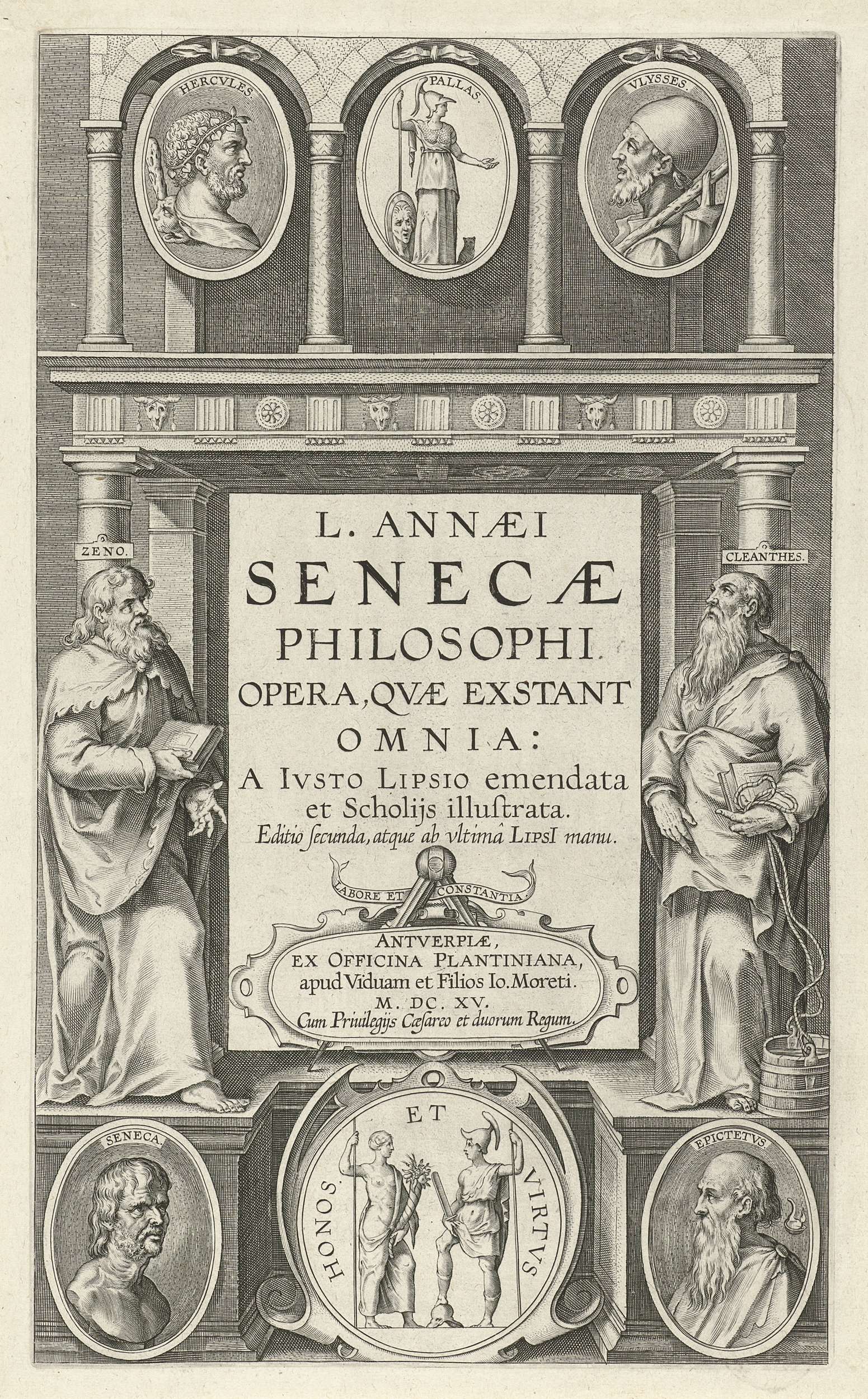
Title Page of L. Annaei Senecae Philosophi Opera
1615
DocumentSecondary source
Codex Bodleianus
c. 11th-12th century
Ready when you are
Start chatting with Epictetus now.
20 messages free · No credit card · Available in 50+ languages.