


Secondary sourceBook1890
Epictetus: the Discourses, Manual and Fragments
Thomas Wentworth Higginson · 1890
An 1890 introduction and selection of Epictetus's teachings by Thomas Wentworth Higginson, for general readers.
A 19th-century introduction to Epictetus's life and philosophy, linking his teachings to his experience as a former slave.
About this source
What it is
This book, written by Thomas Wentworth Higginson in 1890, introduces the life and philosophy of Epictetus and includes selections from his Discourses, Manual and surviving fragments. It opens with an account of Epictetus's background as a slave from Hierapolis in Phrygia.
Why it matters
Higginson's introduction connects Epictetus's philosophy to his personal history as a former slave, arguing that his intense desire for freedom shaped his entire outlook on life. This kind of accessible study helped bring Stoic philosophy to a wider nineteenth-century readership beyond academic specialists.
Look closer
- Why might Higginson emphasize Epictetus's life as a slave when introducing his philosophy?
- How might a writer's own background or era shape the way they interpret an ancient philosopher's ideas?
- What can we learn about Epictetus from a secondary account, compared with reading his actual words?
This book is part of the curated material that grounds the AI version of Epictetus on Humy.ai — when students ask about related events, the AI can quote it and cite it.
More Epictetus sources
Meet the AI Epictetus →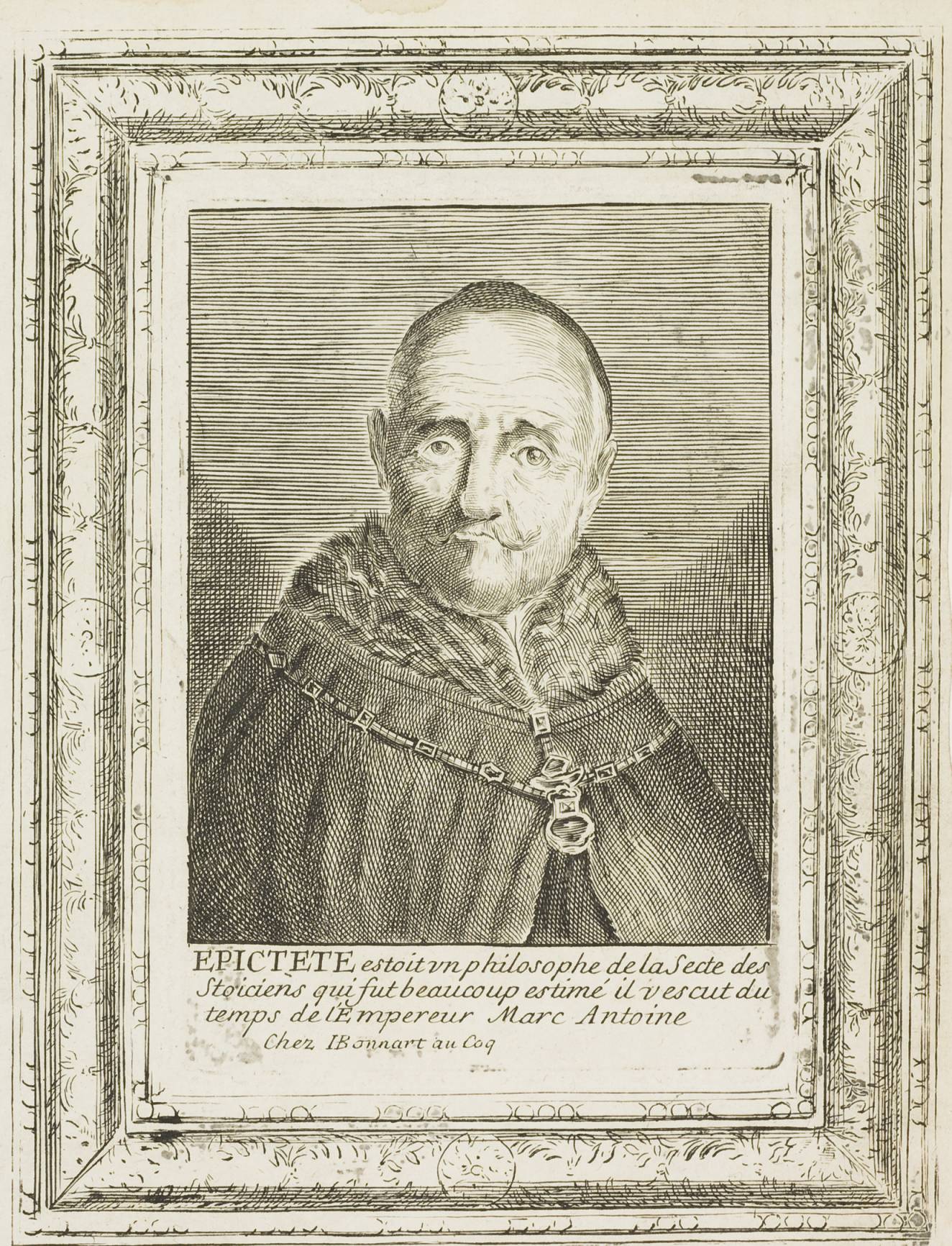 Painting
Secondary source
Epictete
Henri Bonnart · 17th century
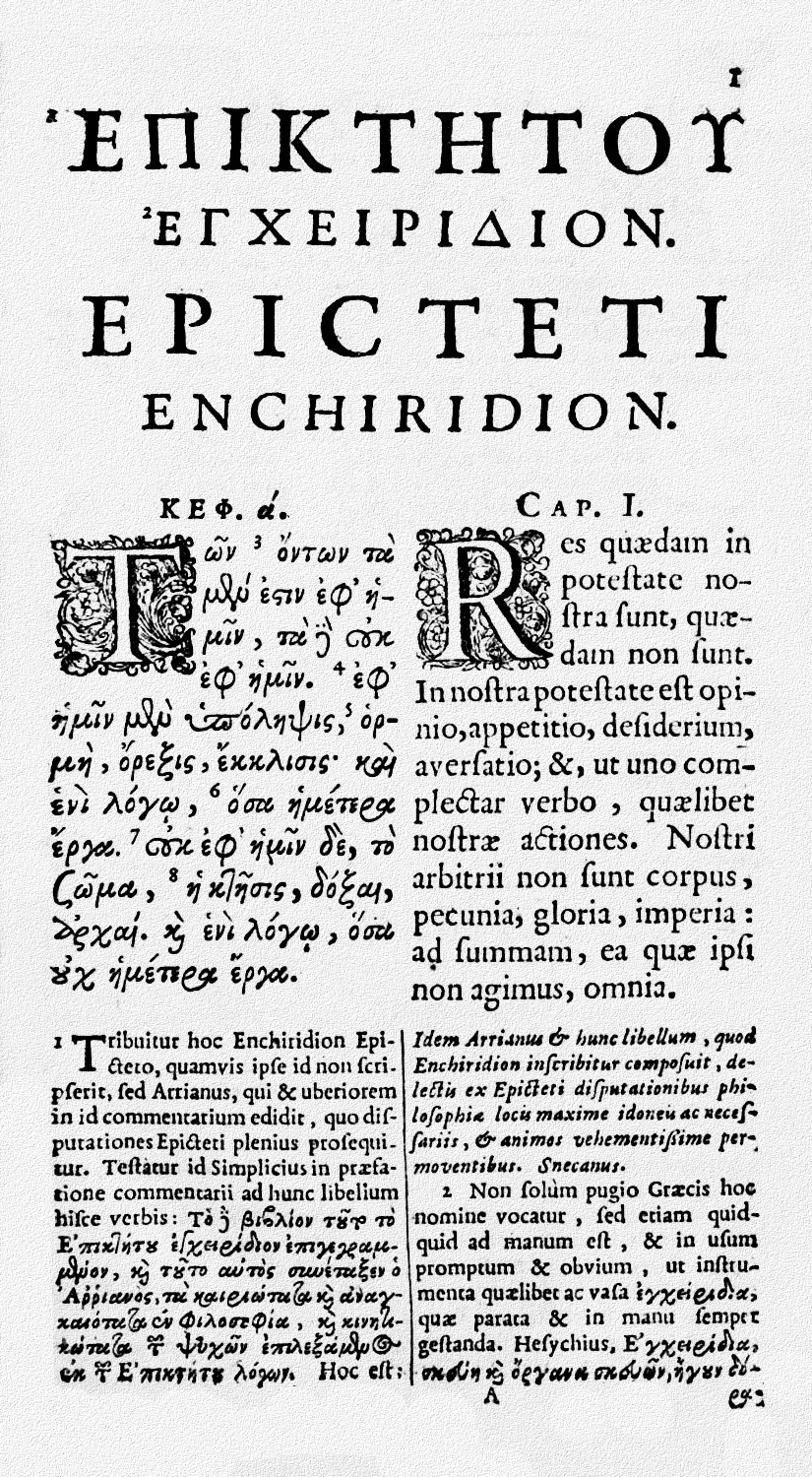 Book
Secondary source
Enchiridion of Epictetus
Arrian · early 2nd century AD (this edition 1683)
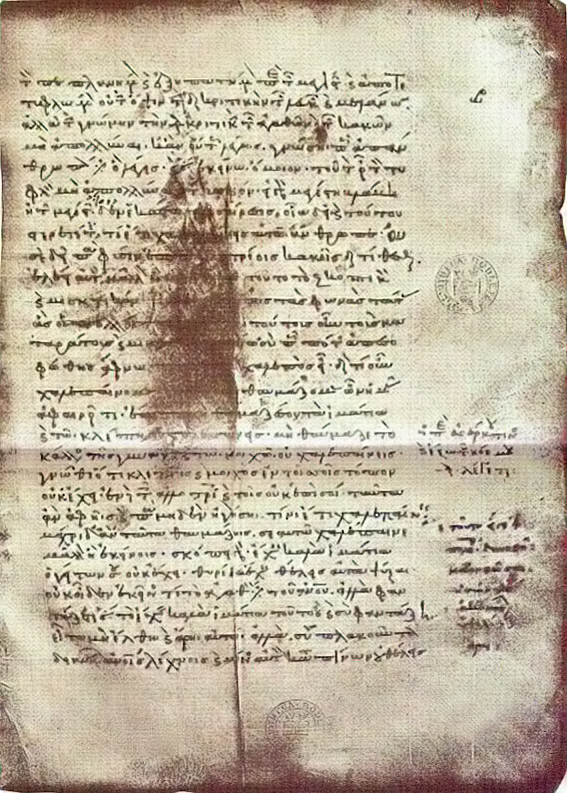 Book
Secondary source
Discourses of Epictetus
Arrian · c. 108 AD
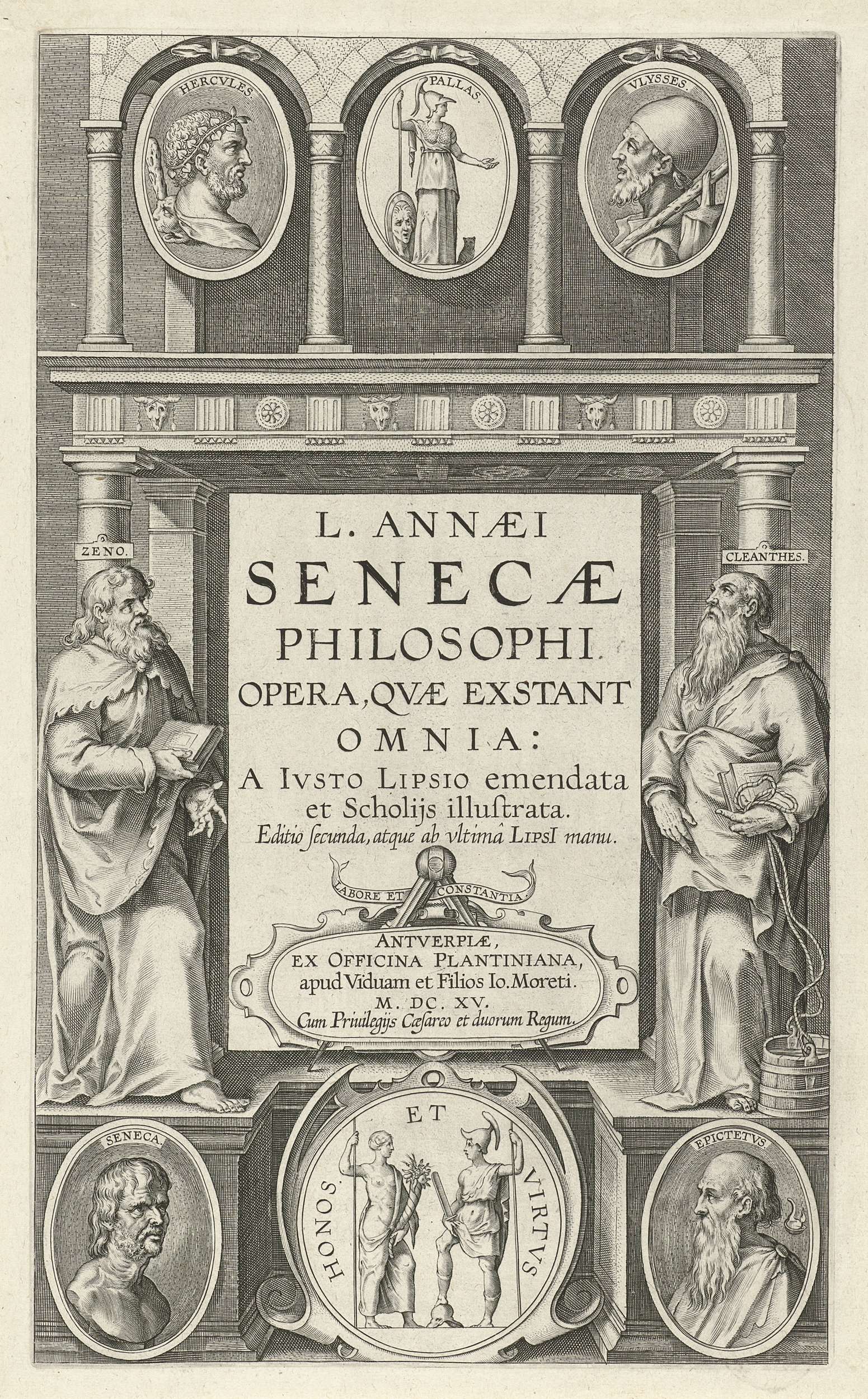 Painting
Secondary source
Title Page of L. Annaei Senecae Philosophi Opera
1615
DocumentSecondary source
Codex Bodleianus
c. 11th-12th century
Ready when you are
Start chatting with Epictetus now.
20 messages free · No credit card · Available in 50+ languages.