


Secondary sourceLetterc. AD 62
Epistle to the Ephesians
c. AD 62
A New Testament letter attributed to Paul, addressed to the church in Ephesus, widely debated among scholars as the work of a later follower.
Written in Paul's name and shaping Church doctrine, though most scholars doubt Paul himself was the author.
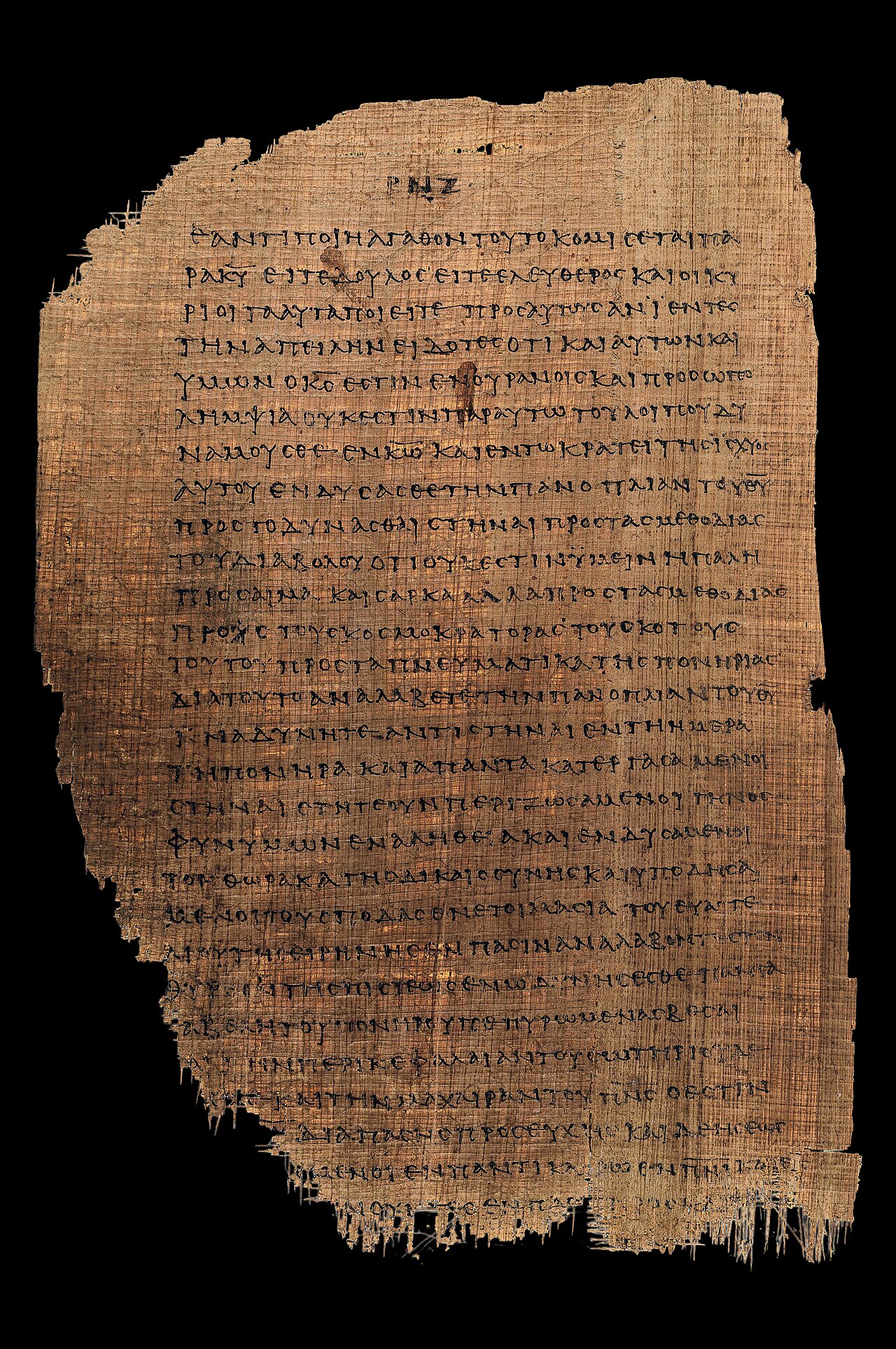
About this source
What it is
This letter identifies itself as written by Paul, traditionally while he was imprisoned in Rome around AD 62, and closely resembles the Epistle to the Colossians. Many modern scholars, however, date it later and attribute it to a follower writing in Paul's name rather than to Paul himself.
Why it matters
The letter sets out a vision of God uniting all creation in Christ and gives practical instructions for holy living, including the well-known image of the "armour of God." Because such a large share of scholars doubt Paul wrote it, Ephesians is a key example of how Paul's reputation and authority were used by later Christians to shape doctrine and church identity even after his death.
Look closer
- What does it mean that the earliest manuscripts of this letter may not even specify Ephesus as the destination?
- Why might later Christians have wanted their teaching to be read as Paul's own words?
- How does the practical advice in the letter reflect concerns of a growing, diverse religious community?
This letter is part of the curated material that grounds the AI version of Saint Paul on Humy.ai — when students ask about related events, the AI can quote it and cite it.
More Saint Paul sources
Meet the AI Saint Paul →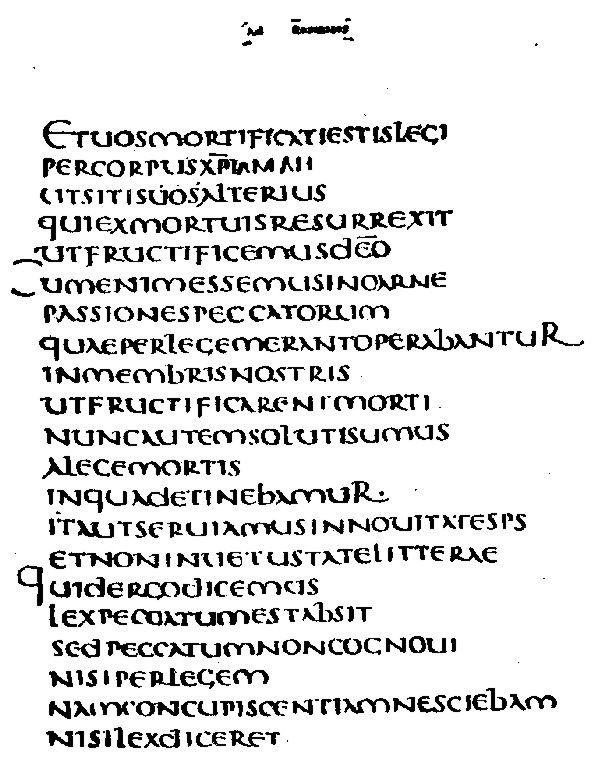 Letter
Primary source
Epistle to the Romans
Paul the Apostle · c. AD 57
 Painting
Secondary source
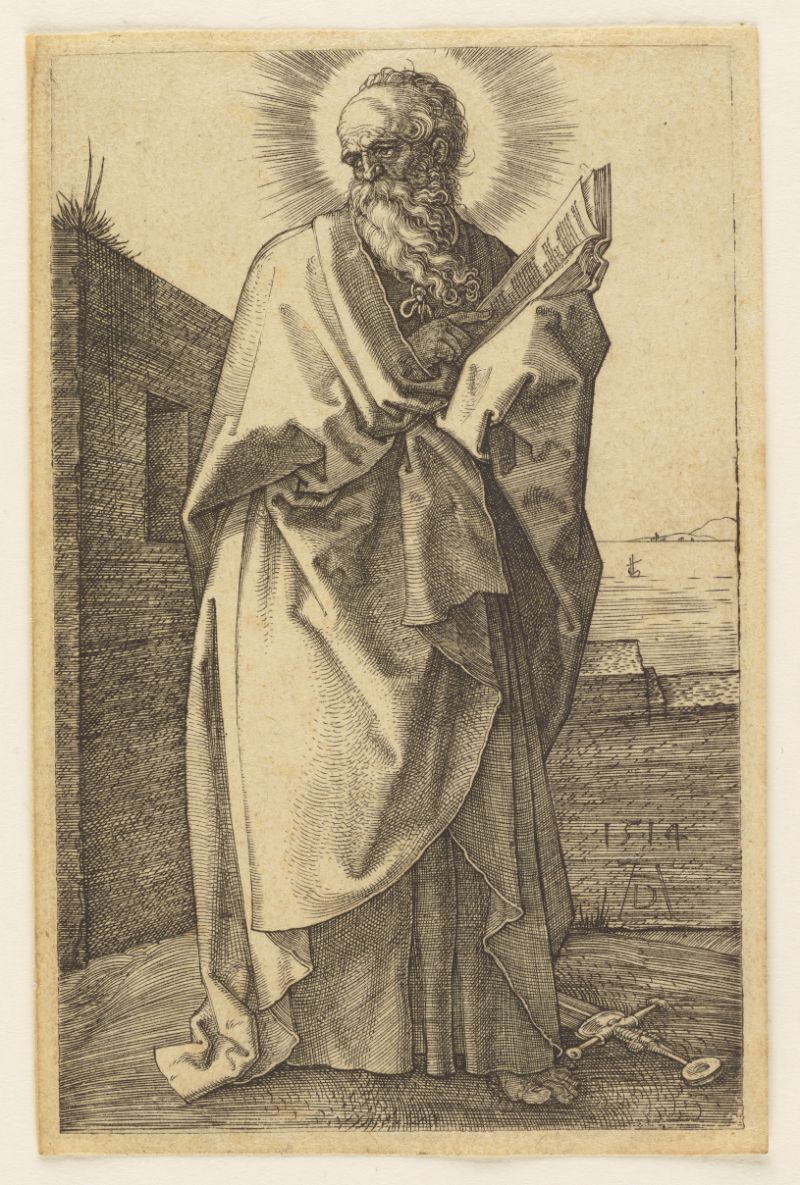
Saint Paul
Albrecht Dürer · 1514
 Letter
Secondary source
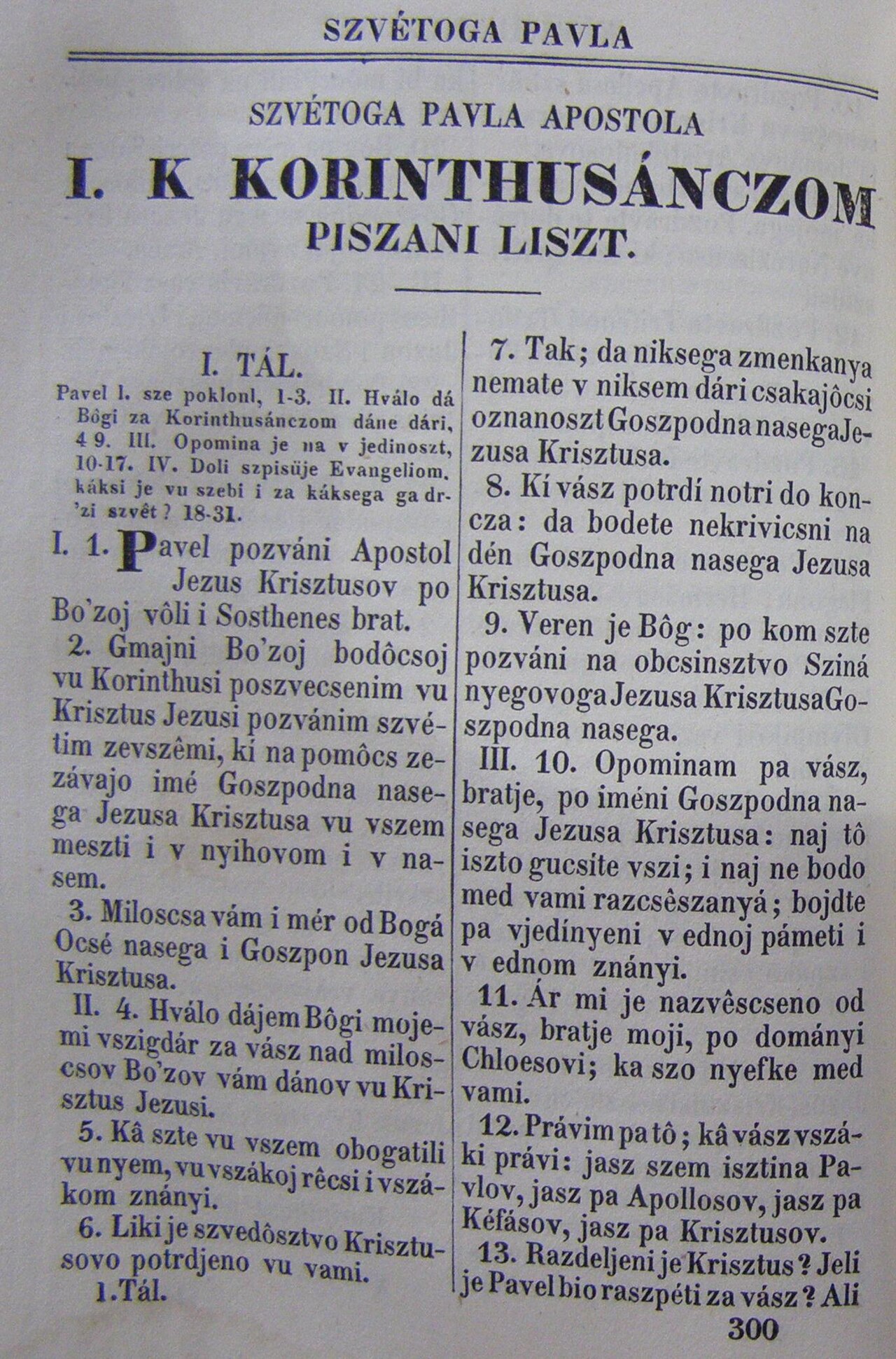
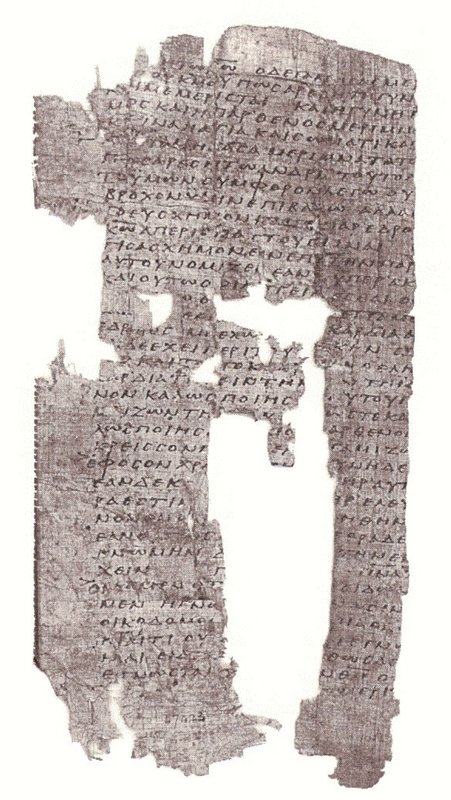
First Epistle to the Corinthians
Paul the Apostle · c. 54 AD
 Book
Primary source
1 Corinthians 13
Paul the Apostle · c. AD 53-57
 Document
Secondary source
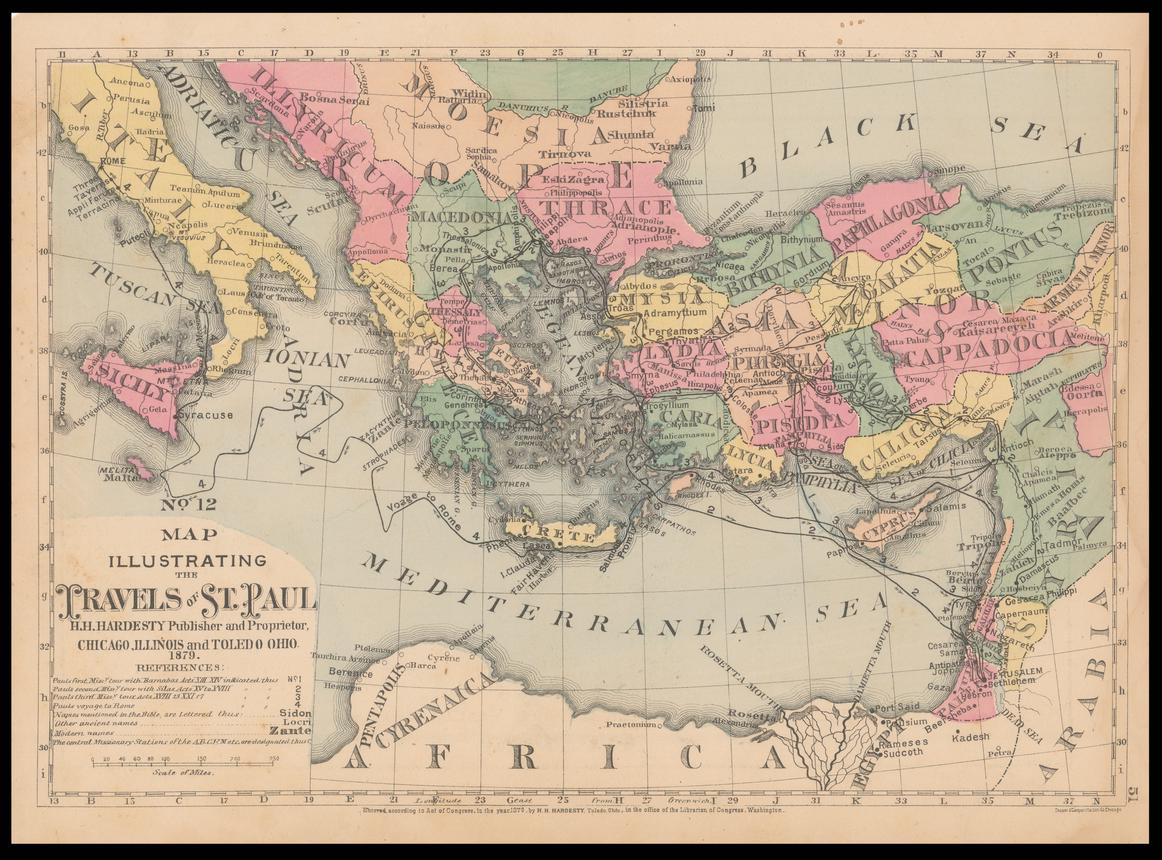
Map Illustrating the Travels of St. Paul
H.H. Hardesty · 1879
Ready when you are
Start chatting with Saint Paul now.
20 messages free · No credit card · Available in 50+ languages.