


Secondary sourceLetterc. 4th century (Latin forgery)
Epistle to the Laodiceans
c. 4th century (Latin forgery)
A letter claiming to be Paul's lost letter to the church at Laodicea, mentioned in Colossians but considered a later forgery.
This forged text claims to be Paul's genuinely lost letter to Laodicea, highlighting how some of his writings were never preserved.
About this source
What it is
Colossians 4:16 refers to a letter Paul supposedly wrote to the church at Laodicea, which does not survive. A Latin text claiming to be this missing letter, compiled mostly from phrases in Philippians, appears in medieval Bibles starting with the Codex Fuldensis, but scholars consider it a forgery made to fill the gap.
Why it matters
This text shows that not everything Paul wrote has survived, and that later Christians were eager enough for a complete record of his letters that some attempted to invent one. The forged letter was accepted in Western Bibles for centuries until reformers and the Catholic Church rejected it.
- Why would someone go to the trouble of forging a 'missing' letter of Paul's?
- What does the reference in Colossians tell us about letters Paul wrote that we no longer have?
- Why did it take so long for this forgery to be rejected from Bibles?
This letter is part of the curated material that grounds the AI version of Saint Paul on Humy.ai — when students ask about related events, the AI can quote it and cite it.
More Saint Paul sources
Meet the AI Saint Paul →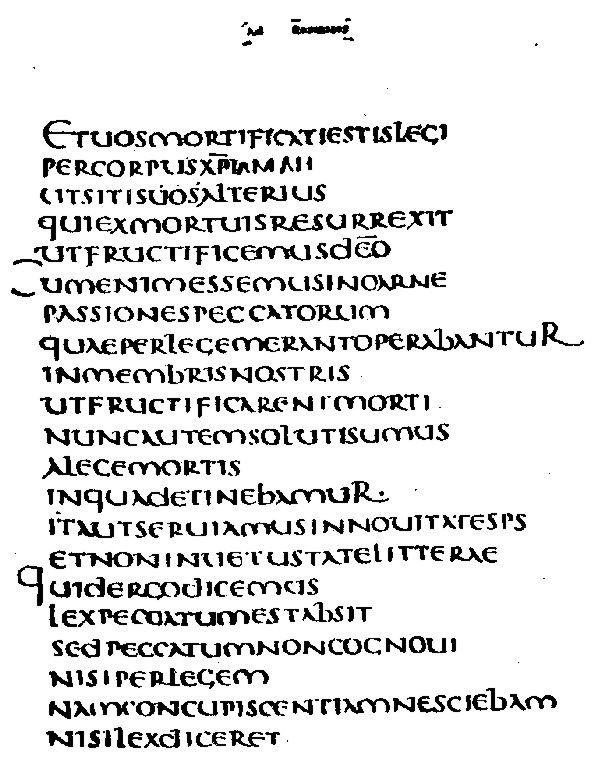 Letter
Primary source
Epistle to the Romans
Paul the Apostle · c. AD 57
 Painting
Secondary source
Saint Paul
Albrecht Dürer · 1514
 Letter
Secondary source
First Epistle to the Corinthians
Paul the Apostle · c. 54 AD
 Book
Primary source
1 Corinthians 13
Paul the Apostle · c. AD 53-57
 Document
Secondary source
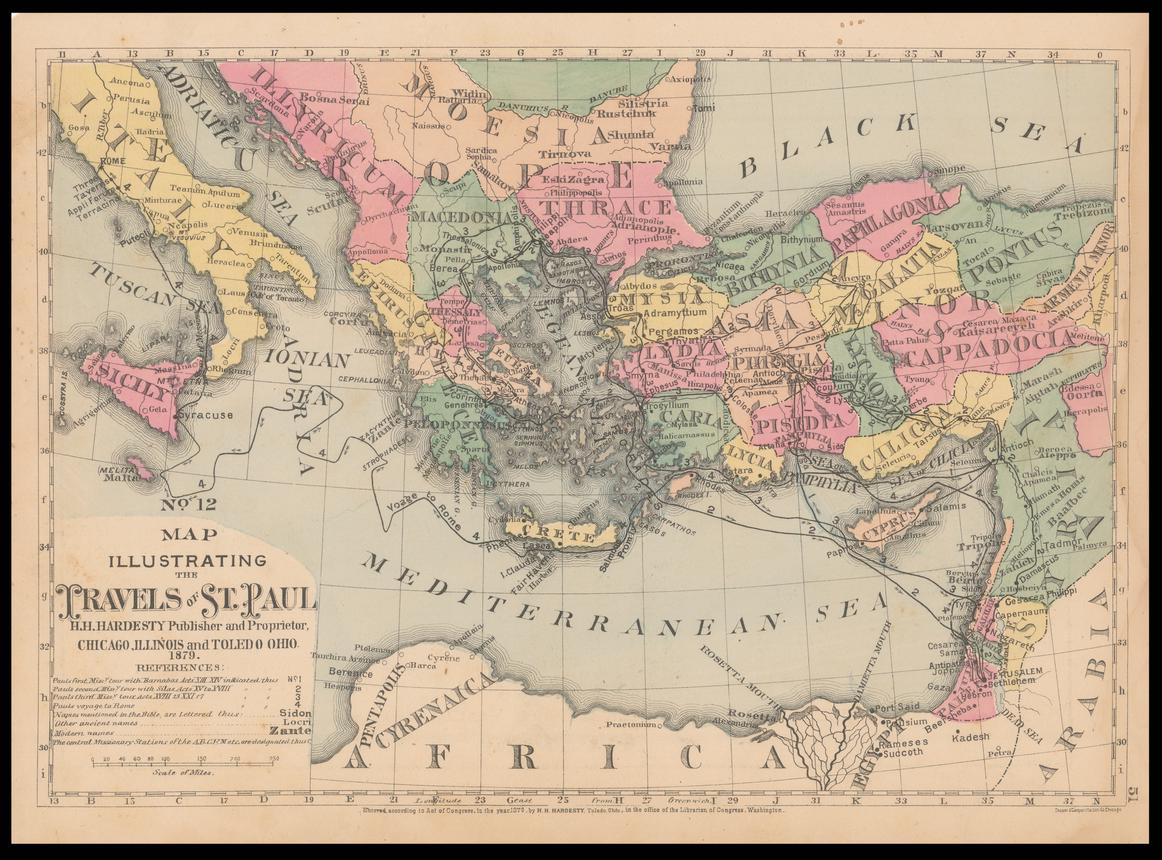
Map Illustrating the Travels of St. Paul
H.H. Hardesty · 1879
Ready when you are
Start chatting with Saint Paul now.
20 messages free · No credit card · Available in 50+ languages.