


Primary sourceLetterc. AD 54-62
Epistle to the Philippians
Paul the Apostle · c. AD 54-62
A letter written by Paul to the Christian church in Philippi while he was in prison, containing the famous 'Christ hymn' and reflections on his own past.
Paul wrote this letter himself from prison, making it a direct primary source for his theology and personal experience.
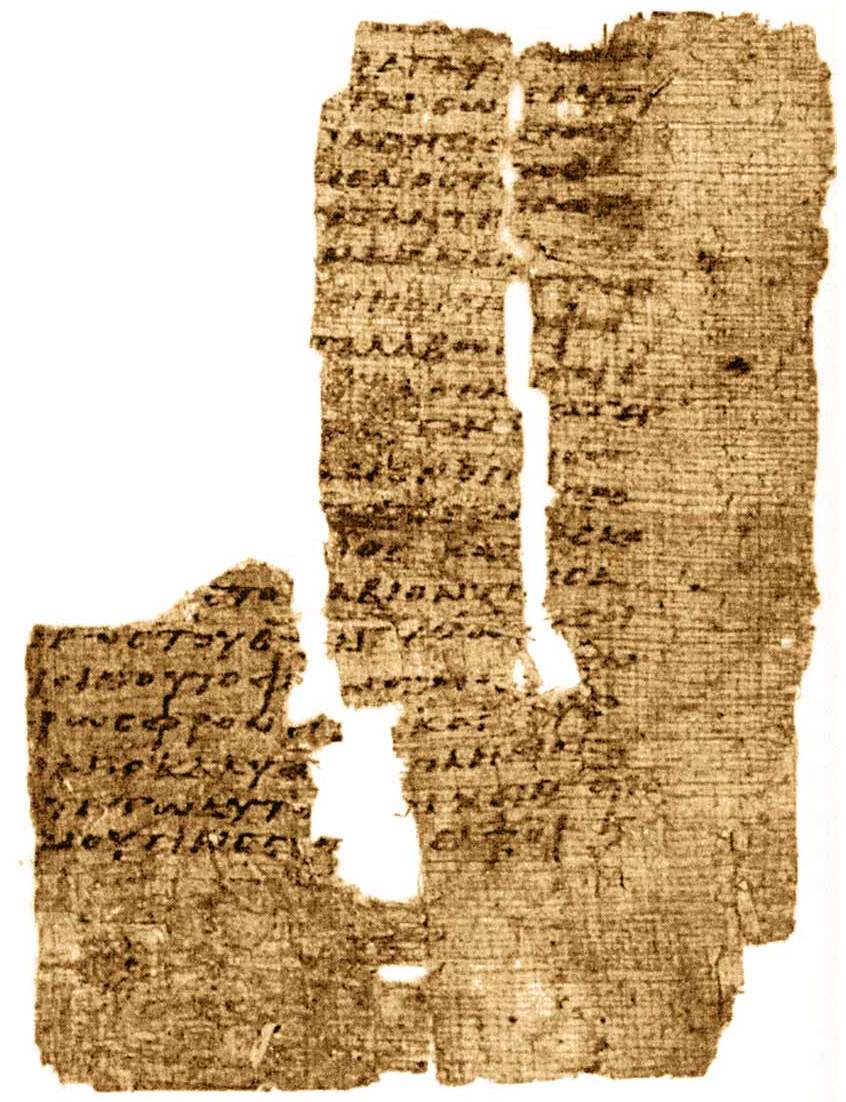
About this source
What it is
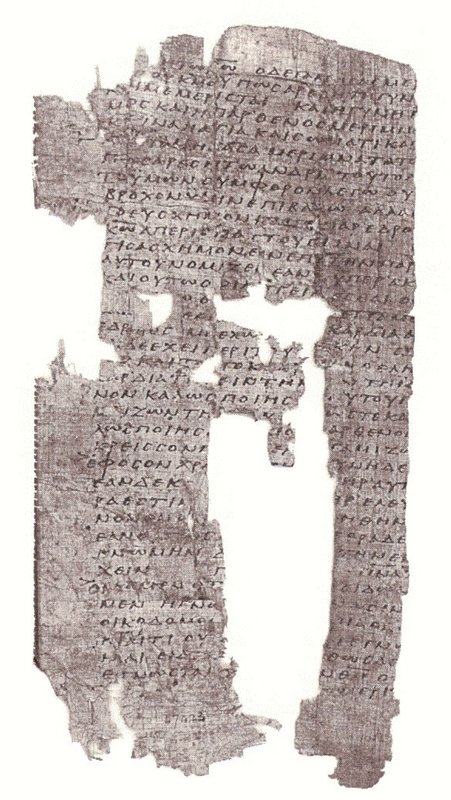
This is a letter attributed to Paul the Apostle, with Timothy named alongside him, addressed to the Christian community Paul had founded in Philippi. Scholars think it may actually combine fragments of several letters Paul sent, written while he was in prison, probably around AD 54–62. The earliest surviving copies are fragments like Papyrus 16, made centuries after Paul's lifetime.
Why it matters
The letter shows Paul reflecting on suffering, imprisonment, and his earlier life as a Pharisee, and contains one of the earliest hymns about Christ in Christian writing. It reveals how Paul kept close ties with the churches he founded even from a prison cell, and how his letters were later copied and collected.
Look closer
- Why might scholars think this letter is made of several shorter letters stitched together?
- What does Paul's mention of imprisonment tell us about the risks early Christian missionaries faced?
- How might a letter like this have been copied and shared among churches?
This letter is part of the curated material that grounds the AI version of Saint Paul on Humy.ai — when students ask about related events, the AI can quote it and cite it.
More Saint Paul sources
Meet the AI Saint Paul →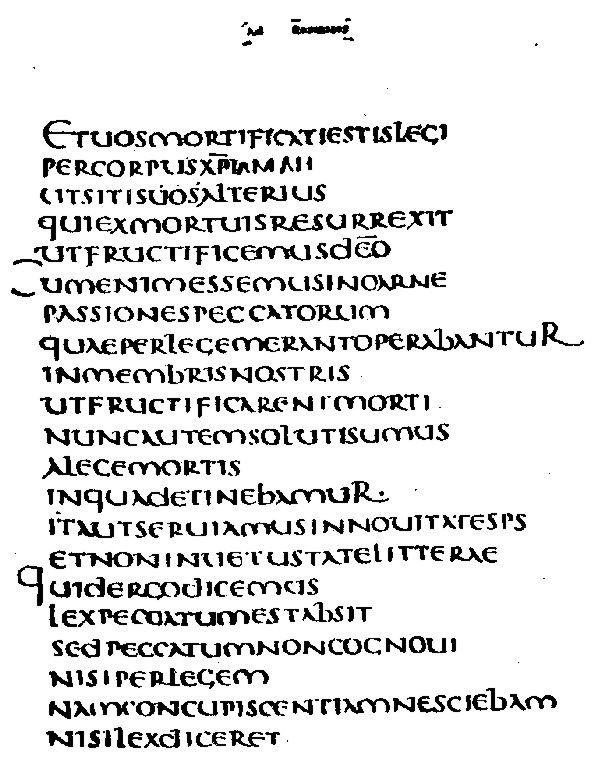 Letter
Primary source
Epistle to the Romans
Paul the Apostle · c. AD 57
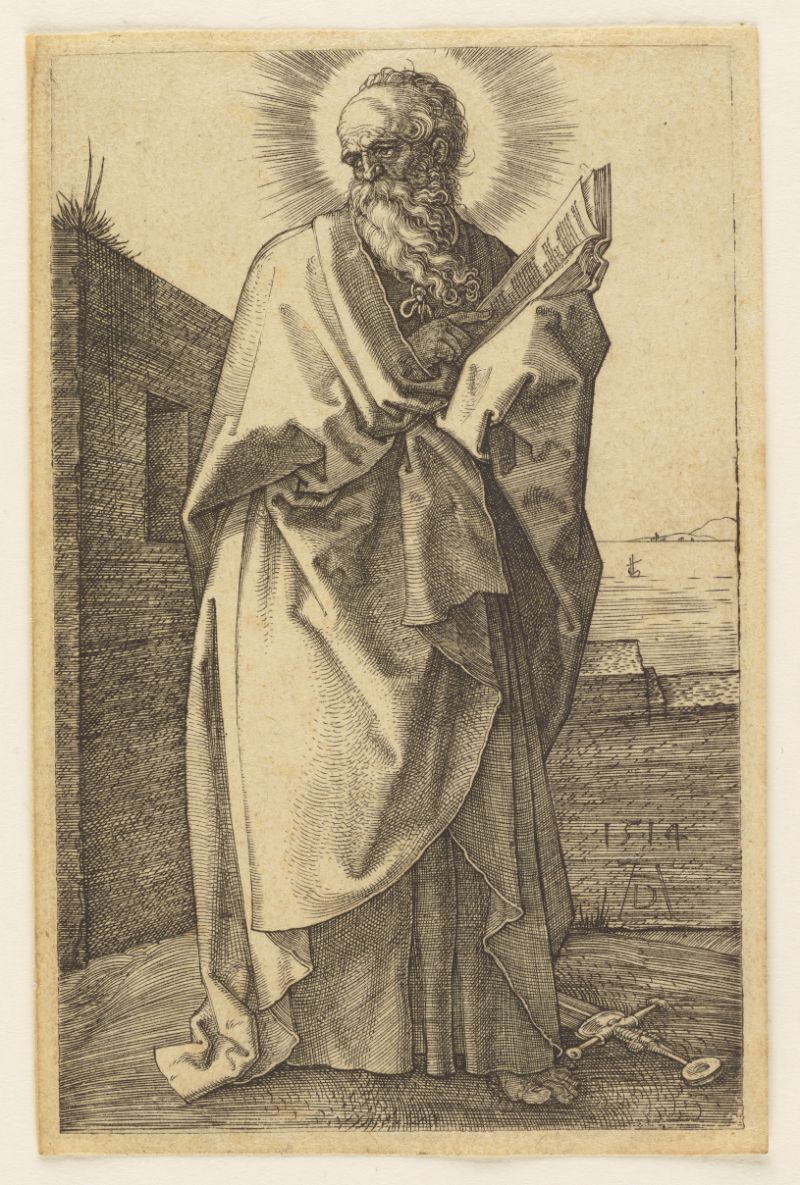 Painting
Secondary source
Saint Paul
Albrecht Dürer · 1514
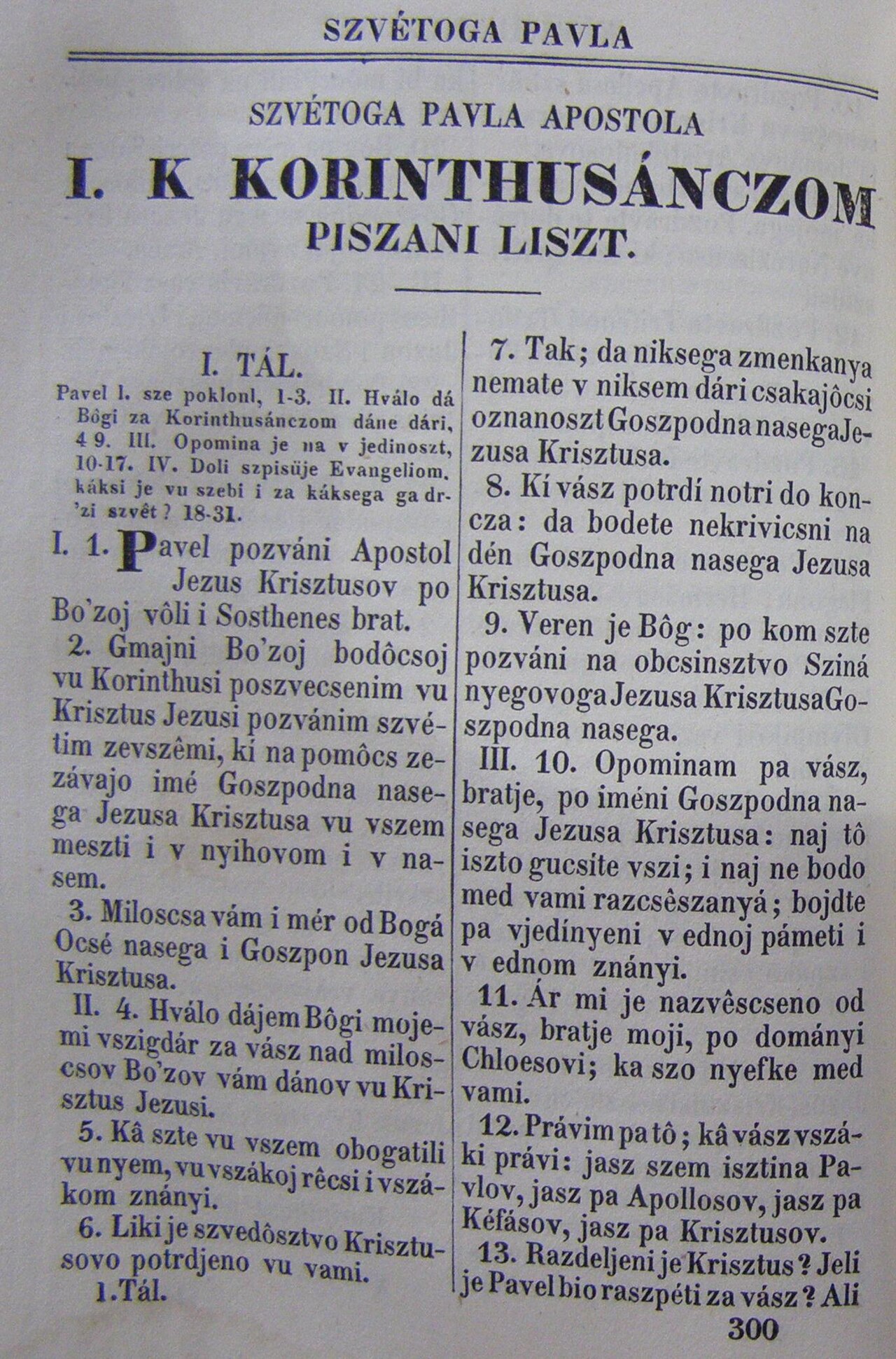 Letter
Secondary source
First Epistle to the Corinthians
Paul the Apostle · c. 54 AD
 Book
Primary source
1 Corinthians 13
Paul the Apostle · c. AD 53-57
 Document
Secondary source
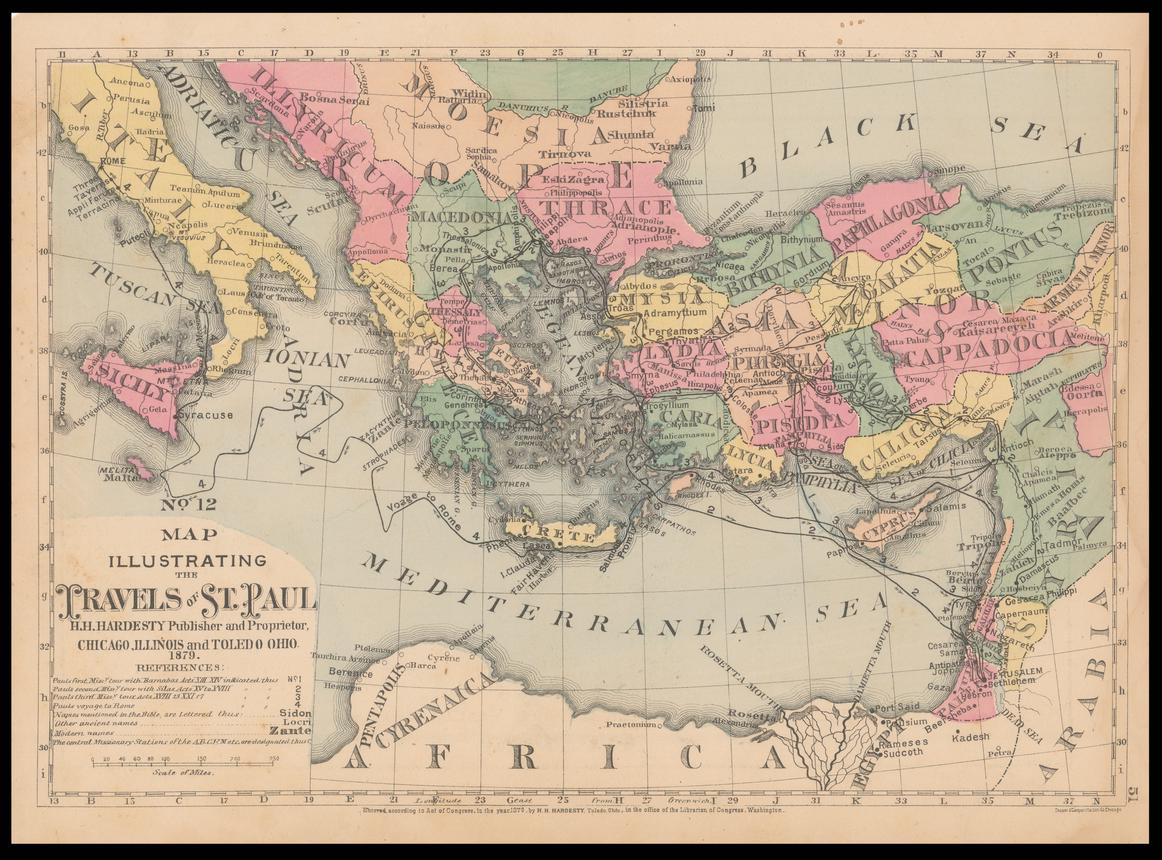
Map Illustrating the Travels of St. Paul
H.H. Hardesty · 1879
Ready when you are
Start chatting with Saint Paul now.
20 messages free · No credit card · Available in 50+ languages.