


Secondary sourceLetterdisputed
Epistles
Attributed to Plato (disputed) · disputed
A collection of thirteen letters traditionally attributed to Plato, mostly concerning his dealings with the Syracusan rulers Dion and Dionysius II.
Traditionally attributed to Plato, these letters claim to record his own voice and his dealings with Syracusan rulers.
About this source
What it is
The Epistles are thirteen letters traditionally included among Plato's works, addressed mainly to the Syracusan tyrant Dionysius II, his uncle Dion and their associates. Except for the Seventh Letter, most scholars now consider them forgeries, and even the Seventh is disputed by some.
Why it matters
These letters are the only texts in the Platonic corpus written in a first-person voice, describing Plato's personal dealings with the rulers of Syracuse. Whether or not they are genuine, they shaped how later readers imagined Plato's life and his attempts to influence real political power, especially through his relationships with Dion and Dionysius II.
Look closer
- Why would ancient and later readers have wanted letters that seemed to reveal Plato's private thoughts?
- What problems do historians face when a group of texts attributed to one person may actually be forgeries?
- What does the content of these letters suggest about Plato's involvement, real or imagined, in politics?
This letter is part of the curated material that grounds the AI version of Plato on Humy.ai — when students ask about related events, the AI can quote it and cite it.
More Plato sources
Meet the AI Plato →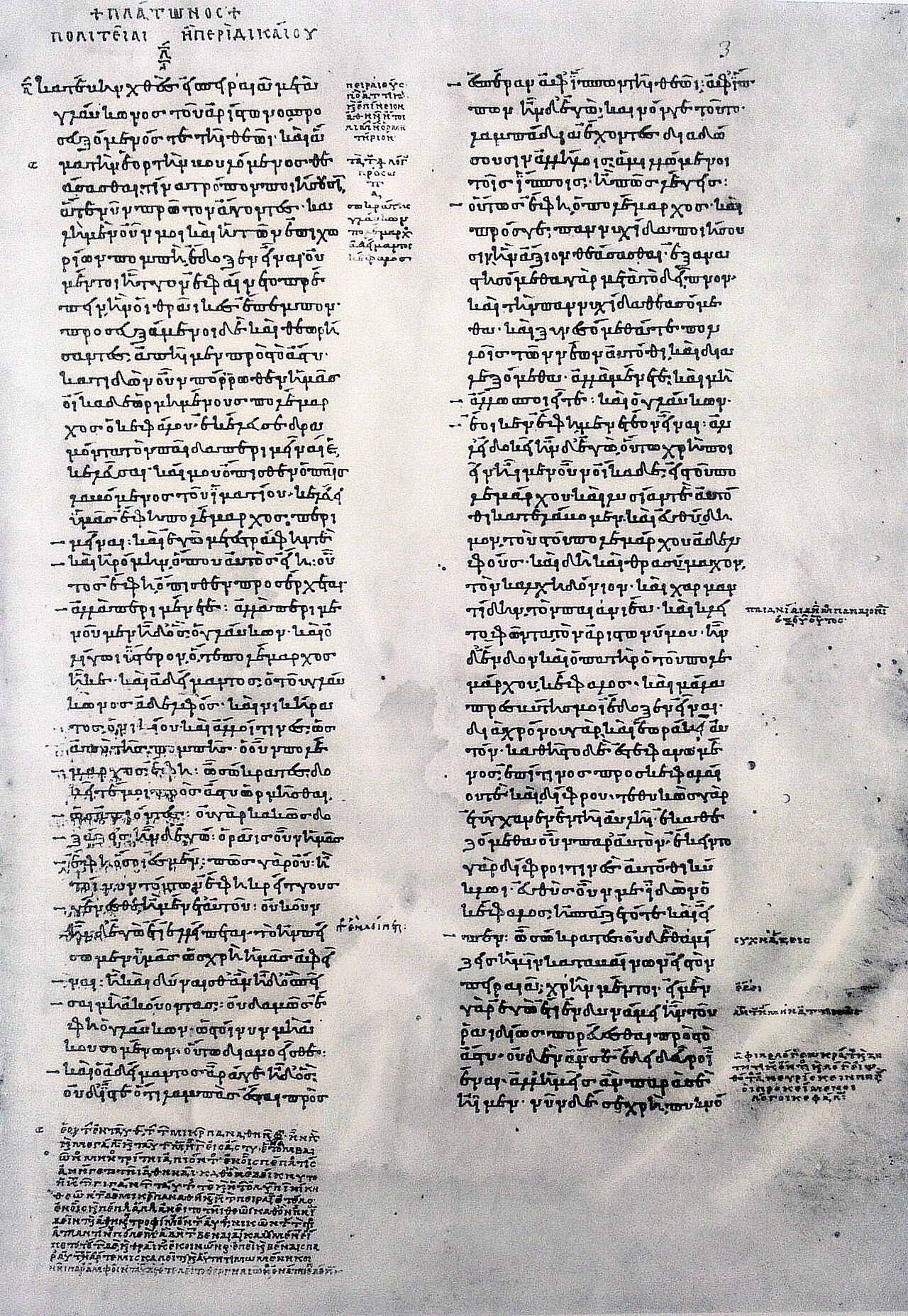 Book
Secondary source
The Republic
Plato · c. 375 BC
 Book
Primary source
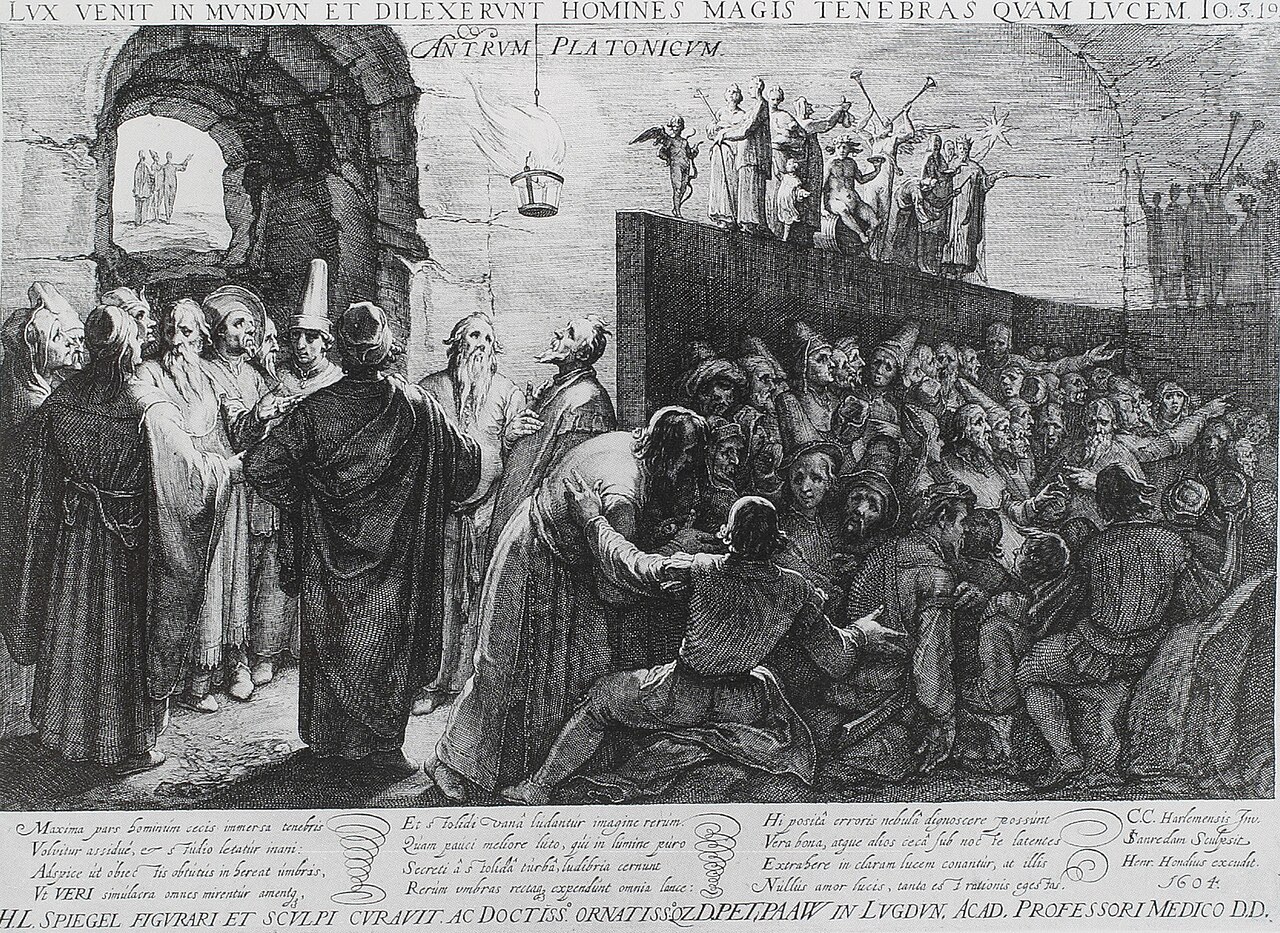
Allegory of the Cave
Plato · c. 400 BC
Secondary source
Apology
Plato · c. 395 BC
 Sculpture
Secondary source
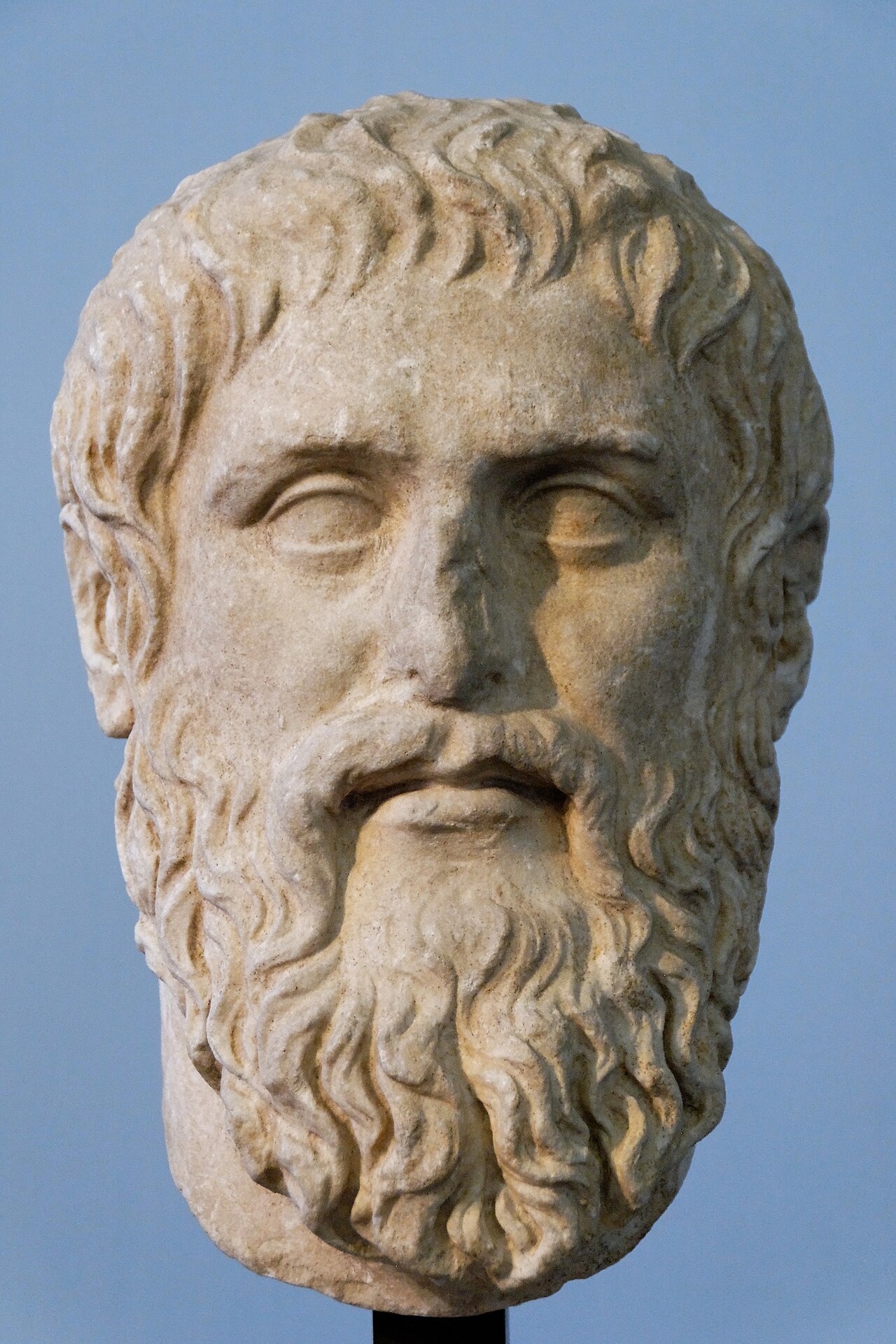
Portrait of Plato
Silanion (original type) · ca. 370 BC (original type); this copy Roman era
 Book
Secondary source
Phaedo
Plato · c. 360 BC
Ready when you are
Start chatting with Plato now.
20 messages free · No credit card · Available in 50+ languages.