


Secondary sourceBook
Eryxias, LibriVox audio reading
Plato (authorship doubtful)
A volunteer audio reading of the dialogue Eryxias, which is attributed to Plato but may not be by him.
Attributed to Plato, this dialogue shows how a text under his name is still debated and read today.
About this source
What it is
This is a LibriVox audio recording of the dialogue Eryxias, read in English by volunteer Geoffrey Edwards. The text uses Benjamin Jowett's translation. The dialogue is attributed to Plato, but the record says he may not have written it. It discusses whether wealth has value and what the aim of philosophy should be. The recording is in the public domain and was made recently. It is a modern reading of the text, not the voice of Plato or of any ancient speaker.
Why it matters
Eryxias is a small example of a problem scholars face with ancient texts. Many dialogues were collected under Plato's name, and some may be by other writers. The translation the reader uses was made in the 1800s by Benjamin Jowett, who was a professor of Greek at Oxford. So a student hearing this recording is hearing an English version of a Greek text, read by a modern volunteer.
Look closer
- What does the reader's summary say the dialogue is about, and how does that connect to ideas you know from Plato?
- Why might it matter who wrote a text, and how would you decide?
- What is lost when a Greek text is heard in a translation read by a volunteer?
This book is part of the curated material that grounds the AI version of Plato on Humy.ai — when students ask about related events, the AI can quote it and cite it.
More Plato sources
Meet the AI Plato →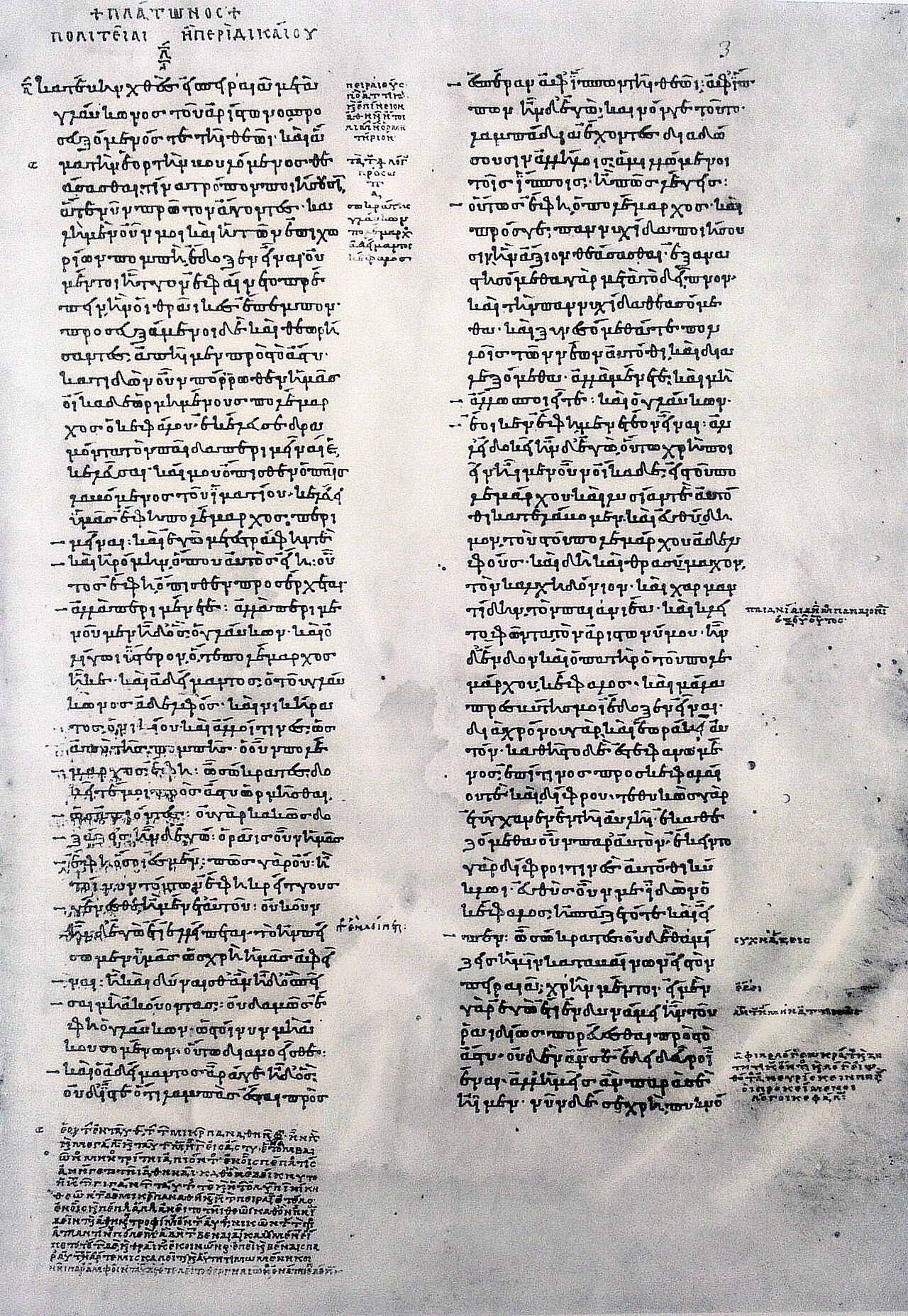 Book
Secondary source
The Republic
Plato · c. 375 BC
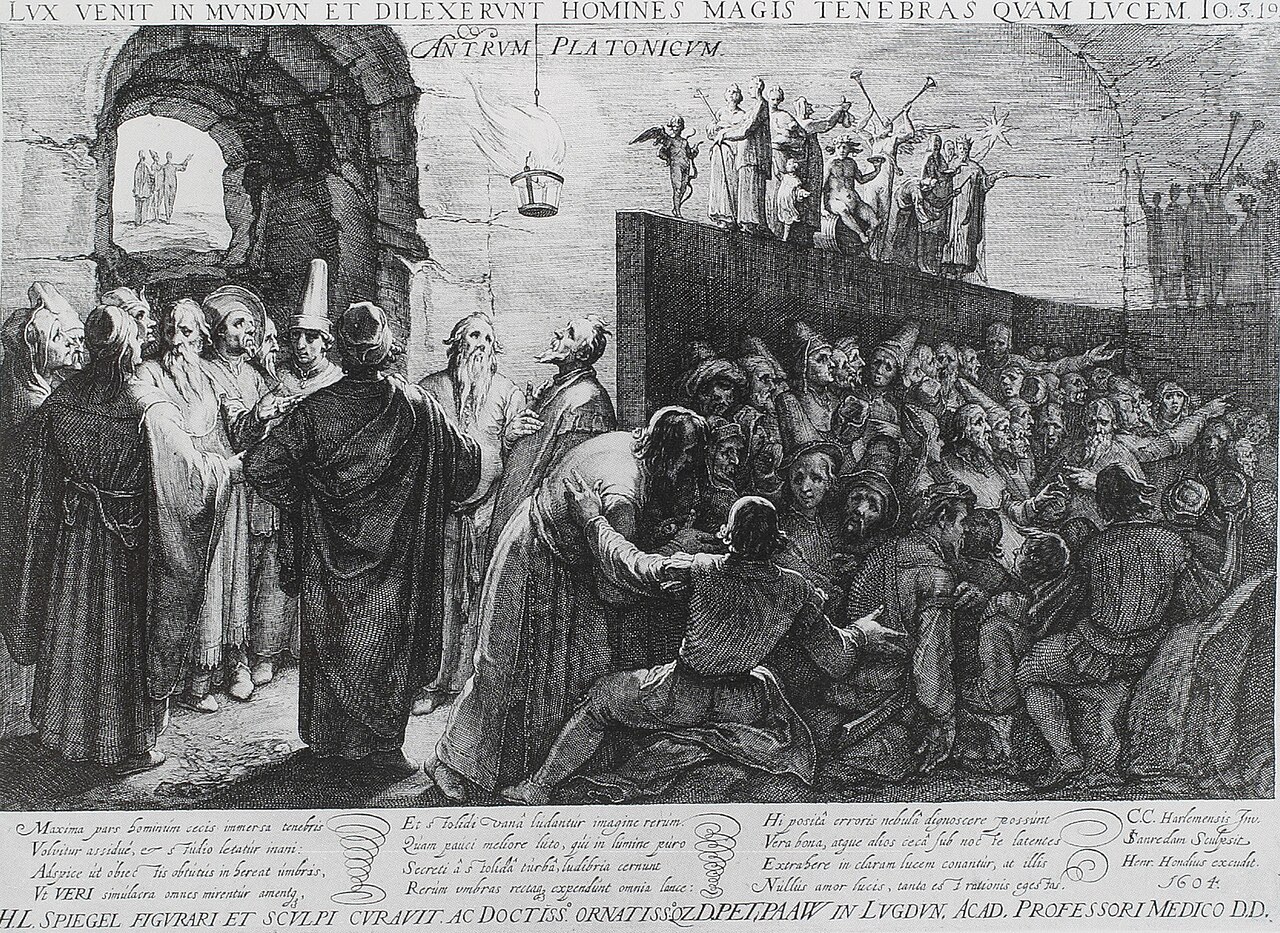 Book
Primary source
Allegory of the Cave
Plato · c. 400 BC
Secondary source
Apology
Plato · c. 395 BC
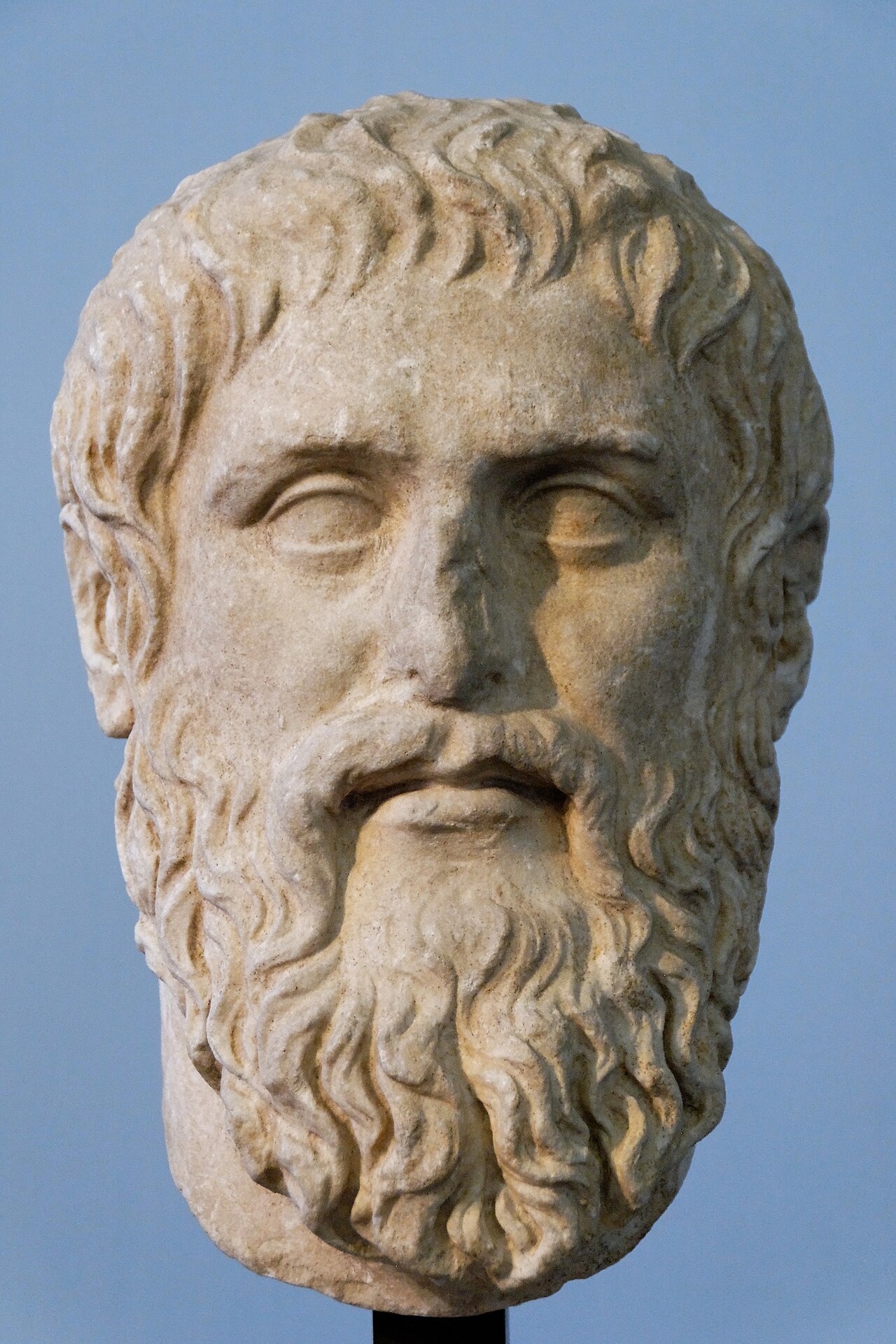 Sculpture
Secondary source
Portrait of Plato
Silanion (original type) · ca. 370 BC (original type); this copy Roman era
 Book
Secondary source
Phaedo
Plato · c. 360 BC
Ready when you are
Start chatting with Plato now.
20 messages free · No credit card · Available in 50+ languages.