


Secondary sourceSculpturec. 50 CE (copy of 1st century BCE original)
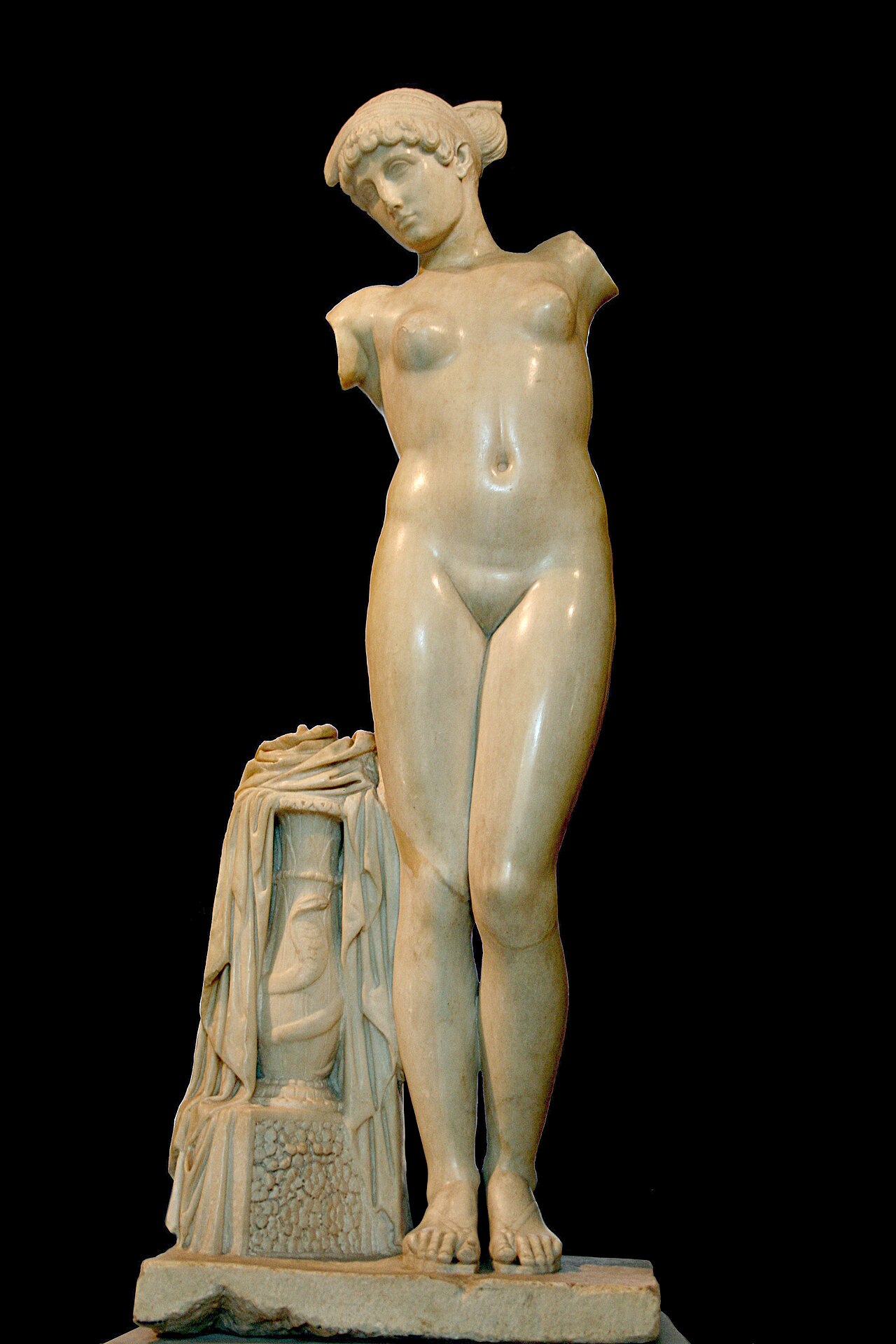
Esquiline Venus
c. 50 CE (copy of 1st century BCE original)
A Roman marble statue of a nude woman that some scholars believe is a portrait of Cleopatra as Venus or Isis.
Possibly a Roman copy of the statue of Cleopatra as Venus-Isis set up by Caesar.
About this source
What it is
This smaller-than-life marble statue was found in Rome in 1874 and is now in the Capitoline Museums. It is thought to be a 1st-century CE Roman copy of an earlier Hellenistic original, possibly linked to the Ptolemaic kingdom.
Why it matters
Some historians link the statue's Egyptian-style vase, cobra symbol, and diadem to Cleopatra, suggesting it copies the statue Caesar set up of her as Venus-Isis. Others disagree, since her coin portraits look different. The debate shows how hard it is to pin down exactly how Cleopatra was depicted and remembered.
Look closer
- What details make some scholars think this is Cleopatra, and what makes others doubt it?
- Why might ancient artists show a real queen as a goddess?
- How reliable is a statue like this as evidence for what Cleopatra actually looked like?
This sculpture is part of the curated material that grounds the AI version of Cleopatra on Humy.ai — when students ask about related events, the AI can quote it and cite it.
More Cleopatra sources
Meet the AI Cleopatra →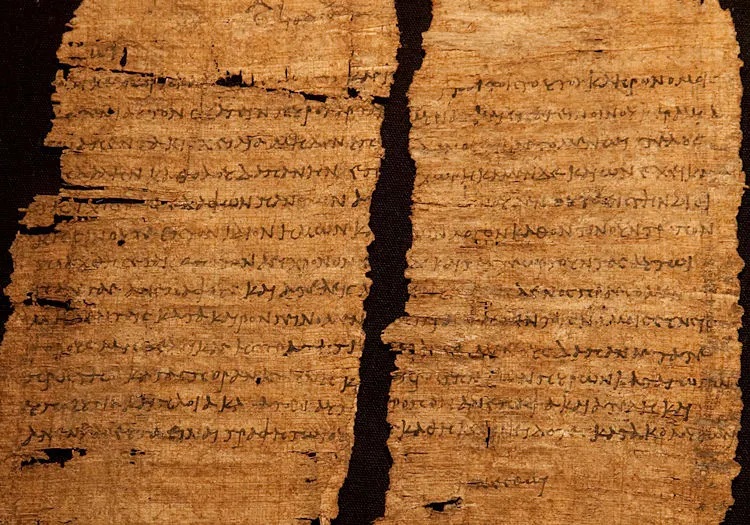 Document
Primary source
Papyrus with Signature of Cleopatra VII
Ptolemaic scribe; possibly countersigned by Cleopatra VII · February 33 BCE
 Painting
Secondary source
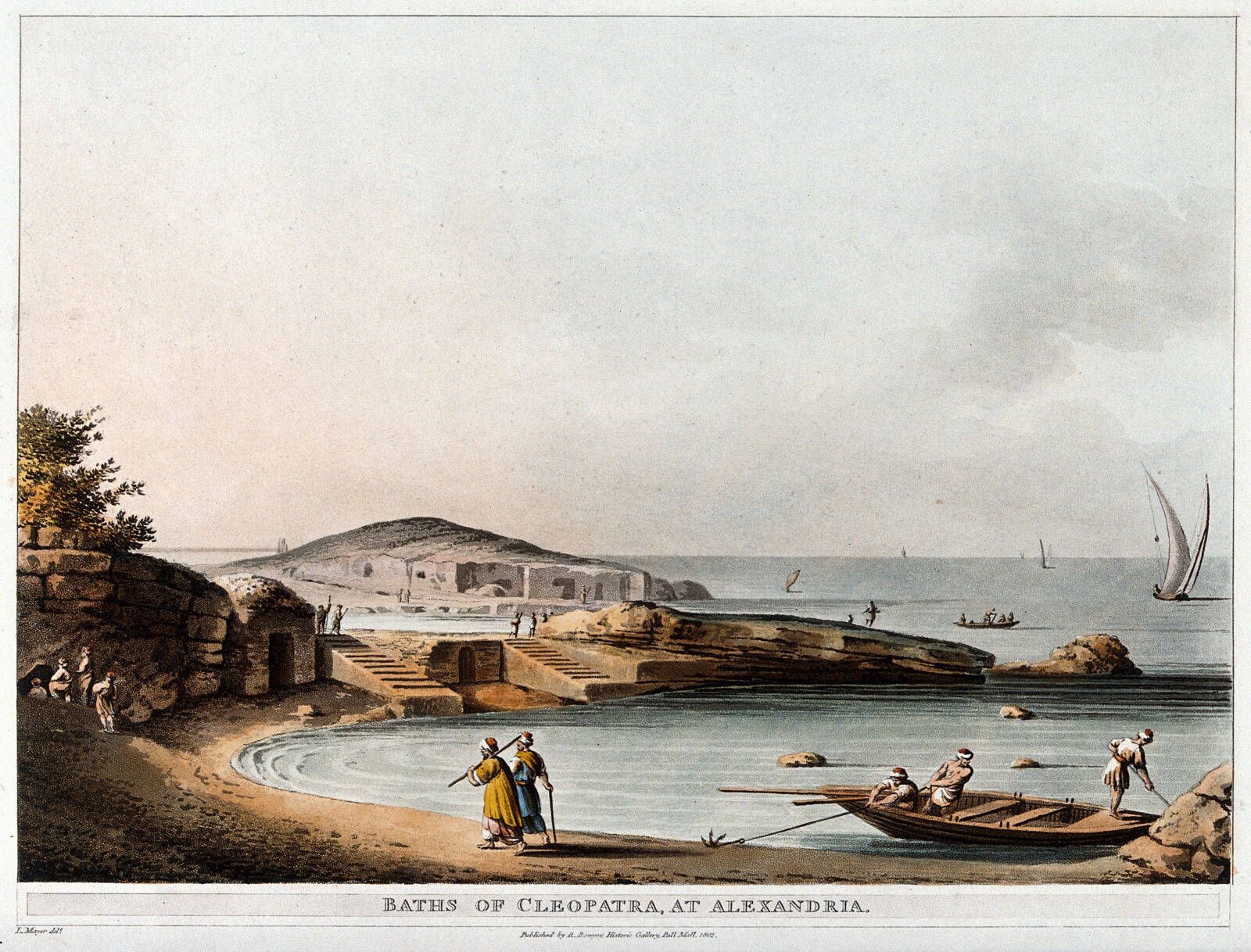
Baths of Cleopatra, at Alexandria
Luigi Mayer · 1802
 Sculpture
Secondary source
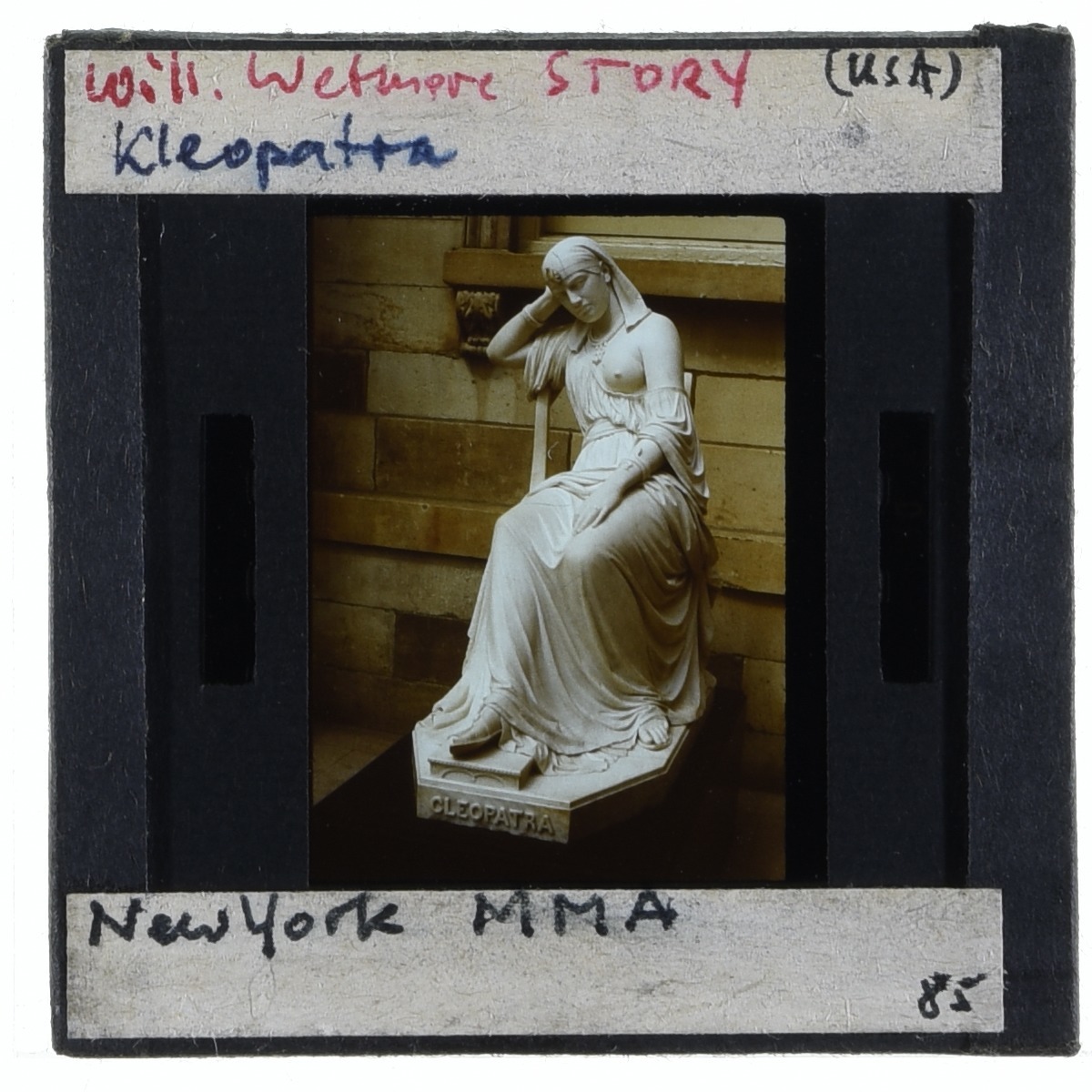
Cleopatra
William Wetmore Story
 Sculpture
Primary source
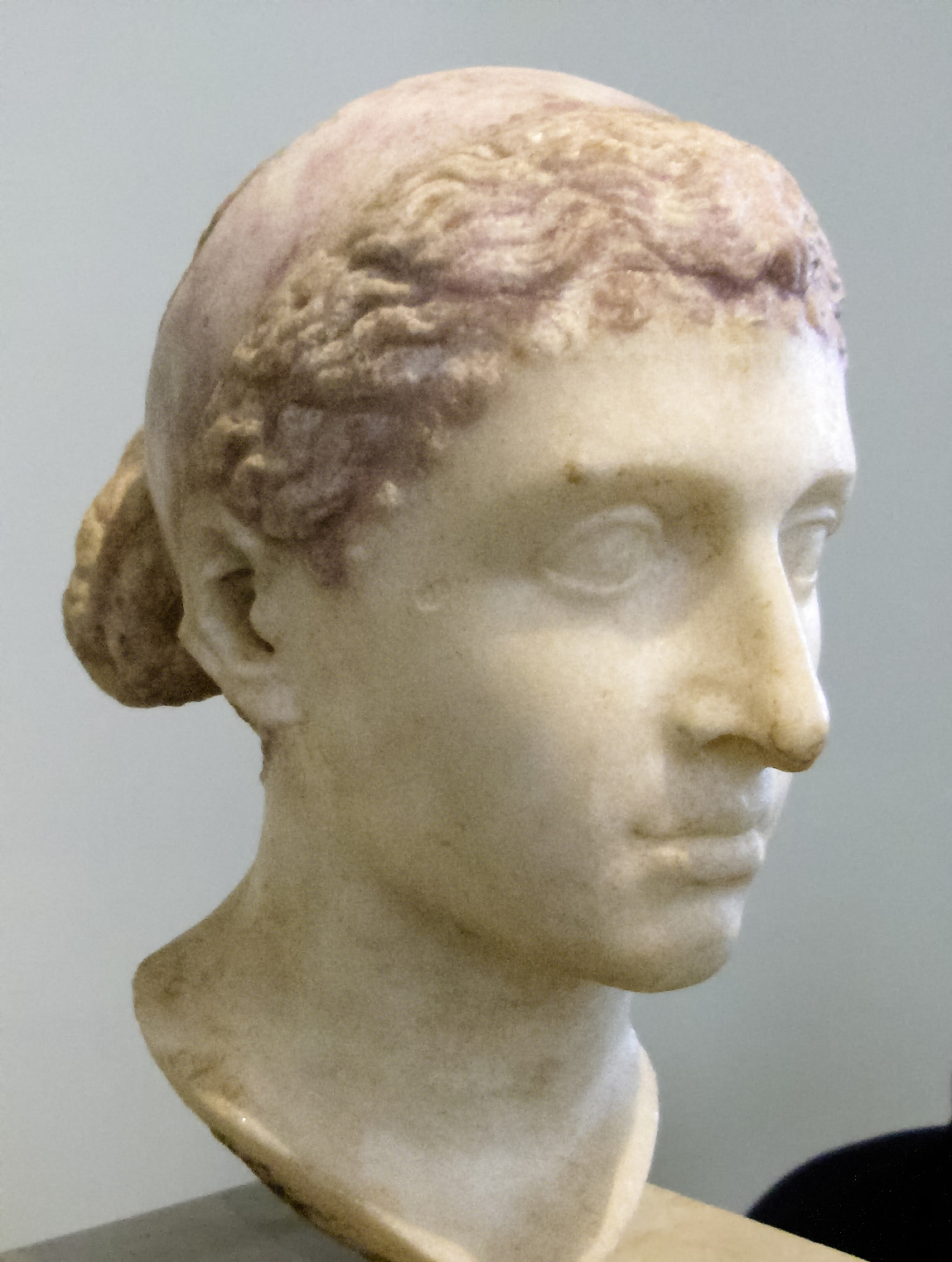
Portrait of Cleopatra (Berlin Bust)
c. 40-30 BCE
 Sculpture
Primary source
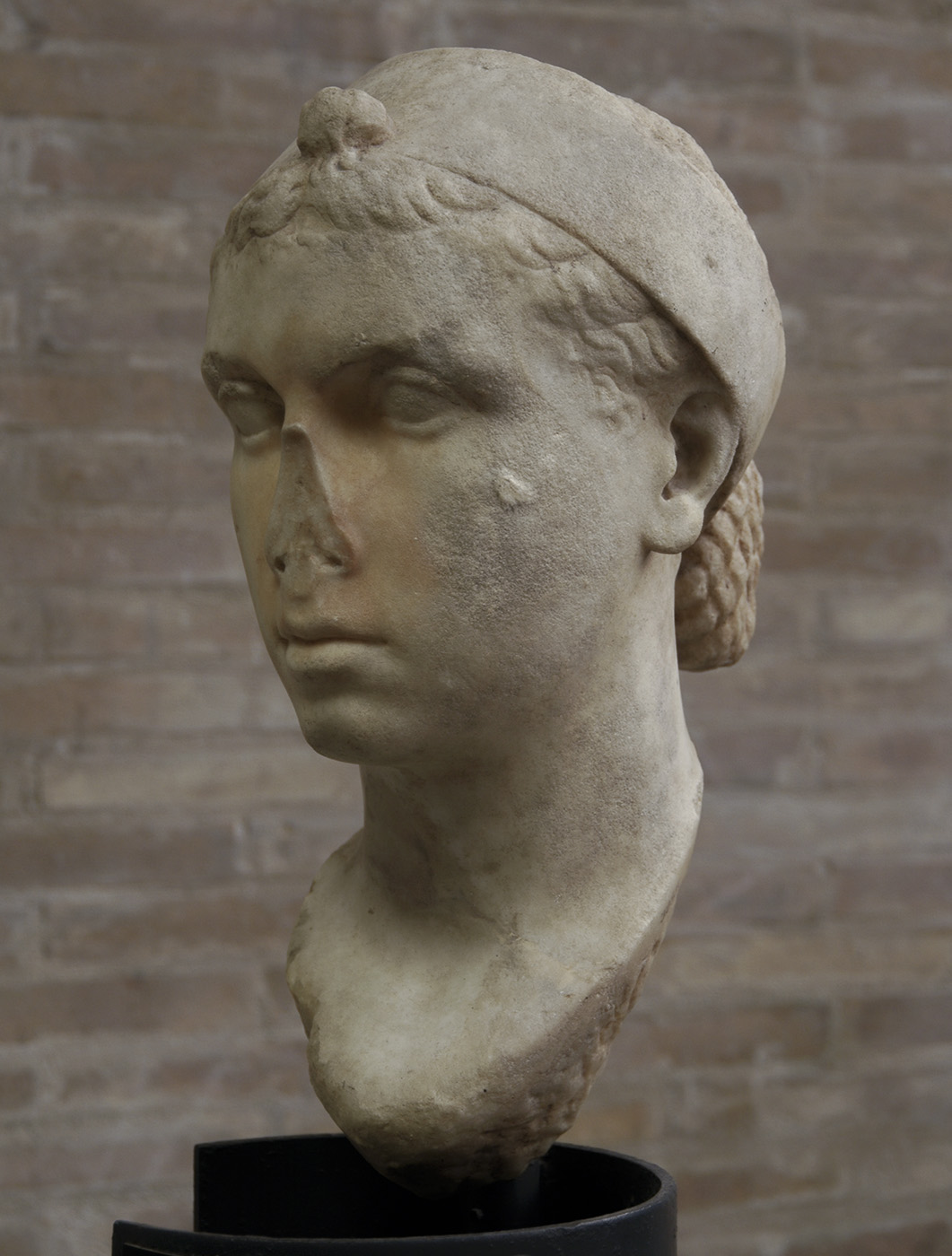
Head-Portrait of Cleopatra VII (Vatican Bust)
c. 40-30 BCE
Ready when you are
Start chatting with Cleopatra now.
20 messages free · No credit card · Available in 50+ languages.