


Primary sourceBook1833
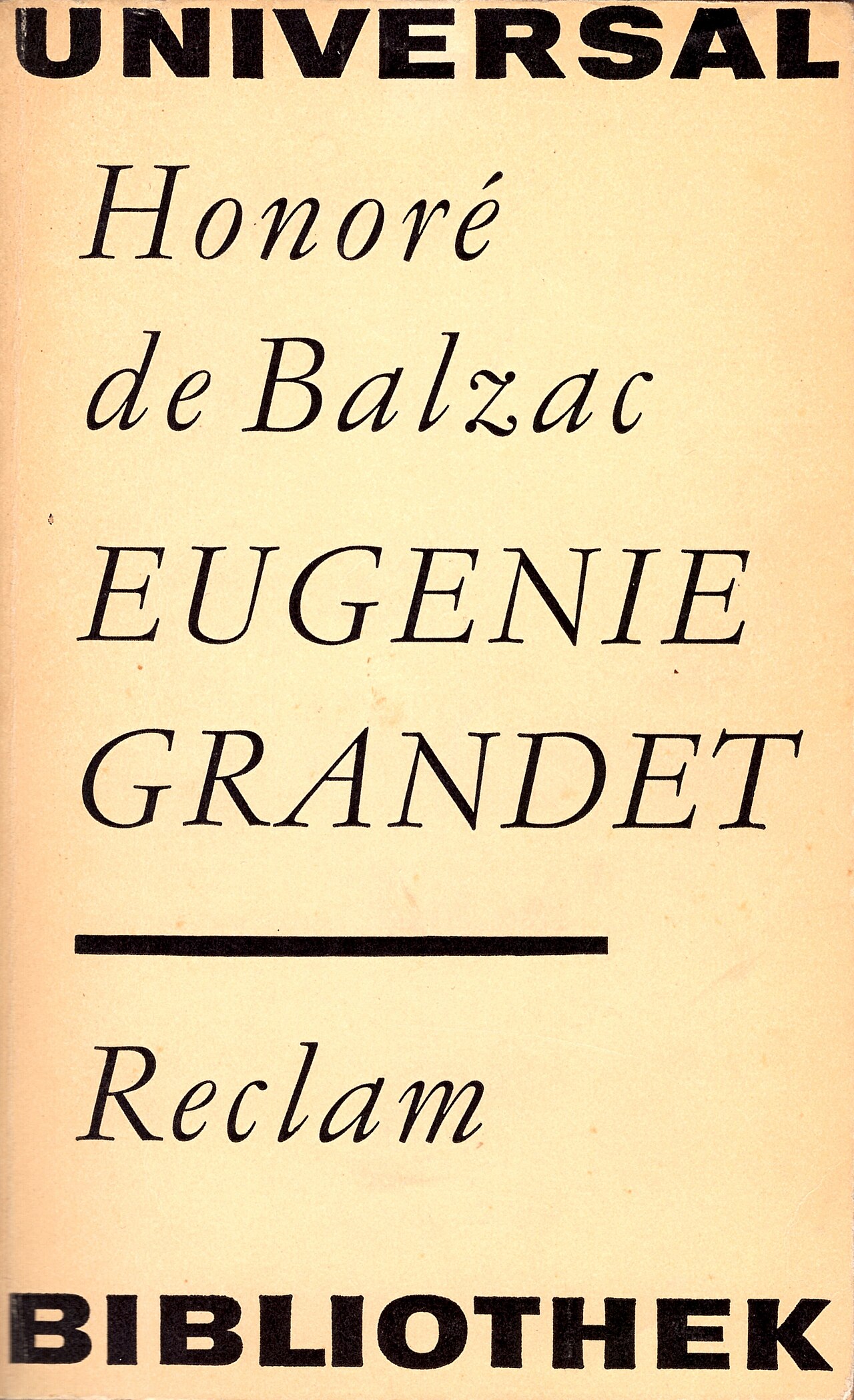
Eugénie Grandet
Honoré de Balzac · 1833
Balzac's novel, first serialised in 1833 and published in book form in 1834, about a miserly provincial cooper and his daughter. It was part of his large project La Comédie humaine.
This novel is one of the works Balzac wrote for La Comédie humaine, and its focus on money and provincial life shows the themes he returned to across his writing.
About this source
What it is
A novel by Honoré de Balzac, first serialised from 1833 to 1834 and published in book form in 1834. It is set in the town of Saumur, which would have been familiar to Balzac because he grew up in nearby Tours. The story follows Felix Grandet, a master cooper known for his miserly habits, and his daughter Eugénie, whose inheritance attracts rival suitors. The copy shown here is an English translation by Katharine Prescott Wormeley.
Why it matters
While writing the novel, Balzac conceived his ambitious project La Comédie humaine. He revised some names for a second edition so the book would fit the section called Scenes from provincial life. The novel reflects his view that money had taken over as the national god. Balzac also introduced his tailor, Jean Buisson, to readers in exchange for a loan, an early form of product placement.
Look closer
- How does Grandet's control over money shape the lives of the people around him?
- What does the novel reveal about provincial society and its interest in inheritance?
- Why might Balzac have included a real person from his own debts in the story?
This book is part of the curated material that grounds the AI version of Fyodor Dostoevsky on Humy.ai — when students ask about related events, the AI can quote it and cite it.
More Fyodor Dostoevsky sources
Meet the AI Fyodor Dostoevsky →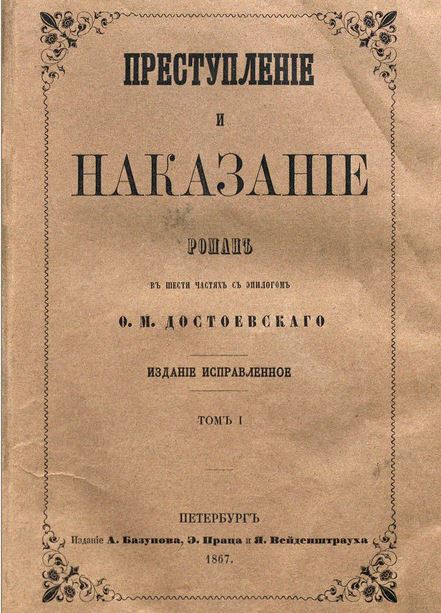 Book
Primary source
Crime and Punishment
Fyodor Dostoyevsky · 1866
 Book
Primary source
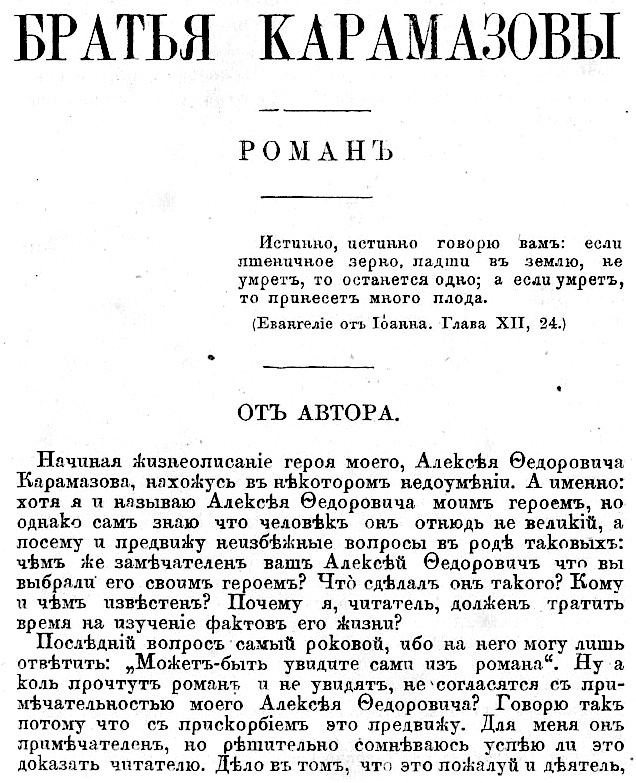
The Brothers Karamazov
Fyodor Dostoyevsky · 1879-1880
Primary source
The Grand Inquisitor
Fyodor Dostoyevsky · 1879
 Book
Primary source
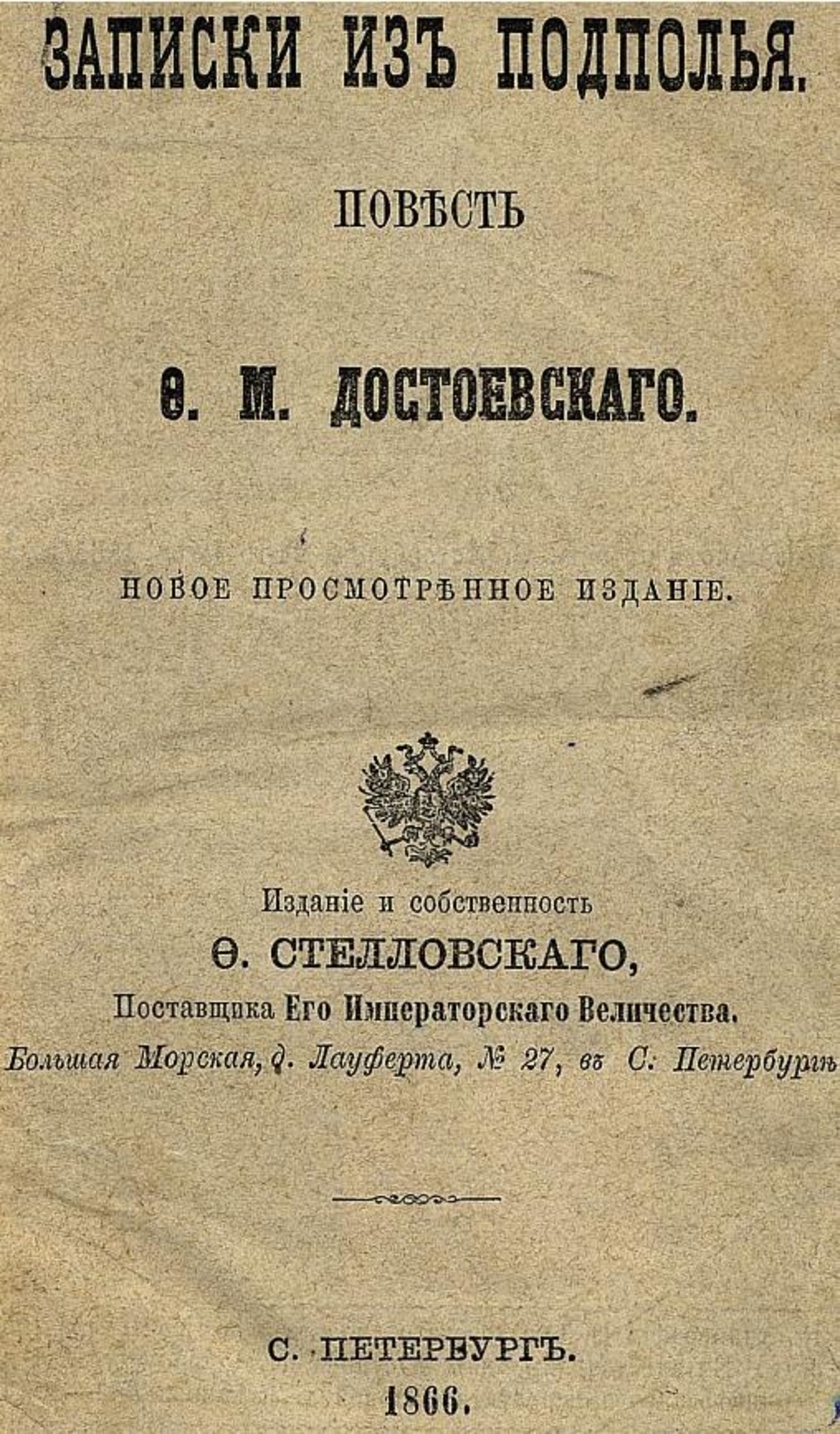
Notes from Underground
Fyodor Dostoyevsky · 1864
 Book
Primary source
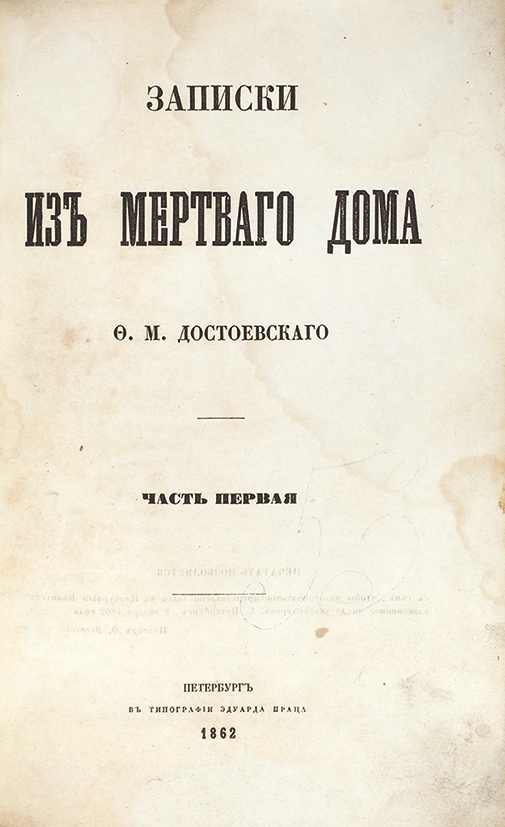
The House of the Dead
Fyodor Dostoyevsky · 1860-1862
Ready when you are
Start chatting with Fyodor Dostoevsky now.
20 messages free · No credit card · Available in 50+ languages.