


Primary sourceBook
Euthyphro
Plato
A dialogue by Plato in which Socrates questions the meaning of piety shortly before his own trial.
Socrates is the central speaker in this dialogue, questioning the meaning of piety before his trial.
About this source
What it is
Euthyphro is a written dialogue by the philosopher Plato. It presents a conversation involving Socrates that takes place just before his trial in Athens. The text survives through later manuscripts and has been translated into English many times since the early 1800s.
Why it matters
The dialogue is one of Plato's accounts of Socrates' method of questioning, used to explore big ideas like piety and justice. It is a key source for how later generations understood Socrates' way of thinking, even though it was written by Plato, not Socrates himself.
Look closer
- Why might Plato have chosen to set this conversation just before Socrates' trial?
- Since Socrates left no writings of his own, what does it mean that we know him mainly through Plato's dialogues?
- What questions does Socrates ask, and what do they reveal about his method?
This book is part of the curated material that grounds the AI version of Socrates on Humy.ai — when students ask about related events, the AI can quote it and cite it.
More Socrates sources
Meet the AI Socrates →Secondary source
Apology
Plato · c. 395 BC
 Painting
Secondary source
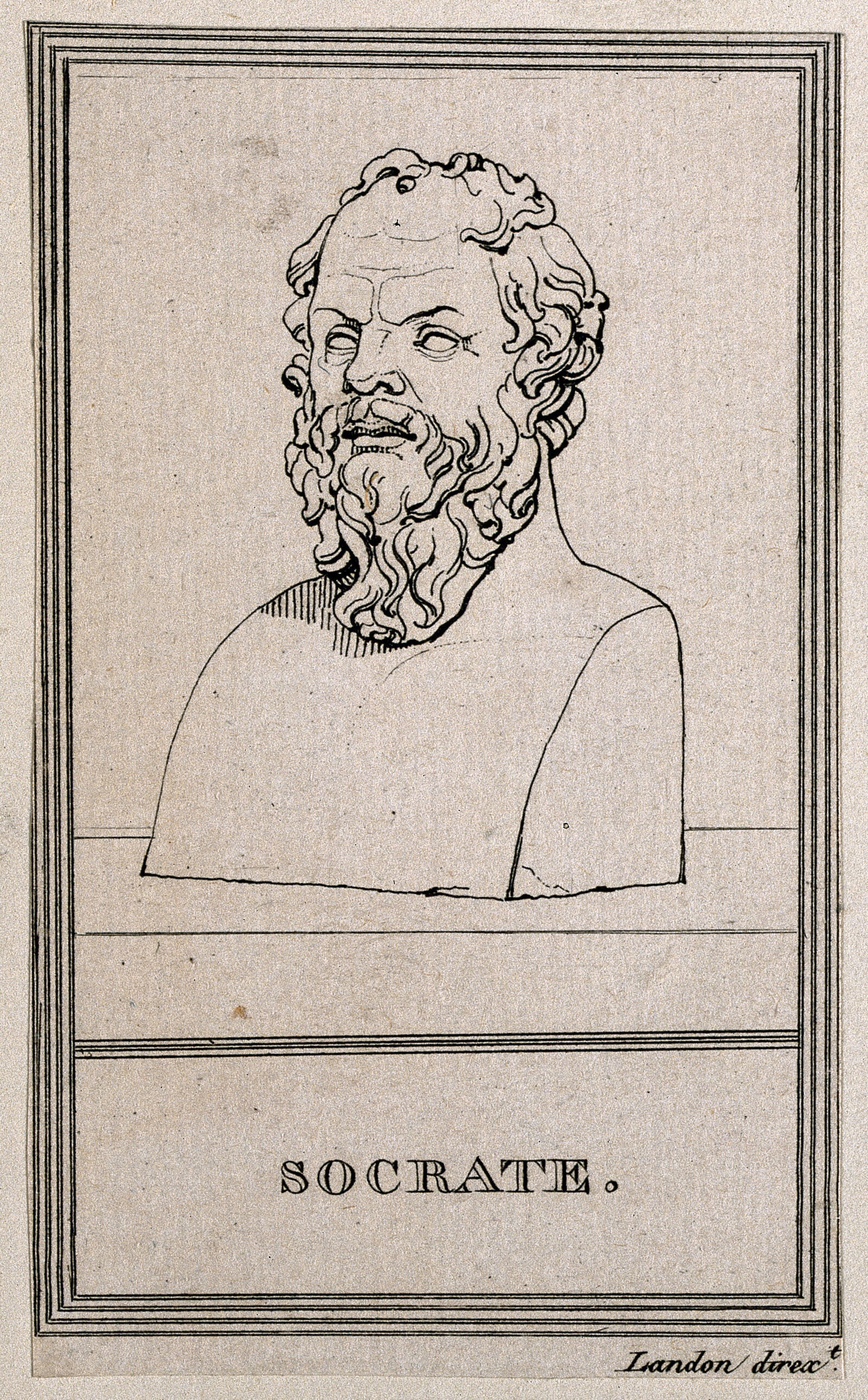
Line Engraving of Socrates by Landon
Charles Paul Landon
 Book
Secondary source
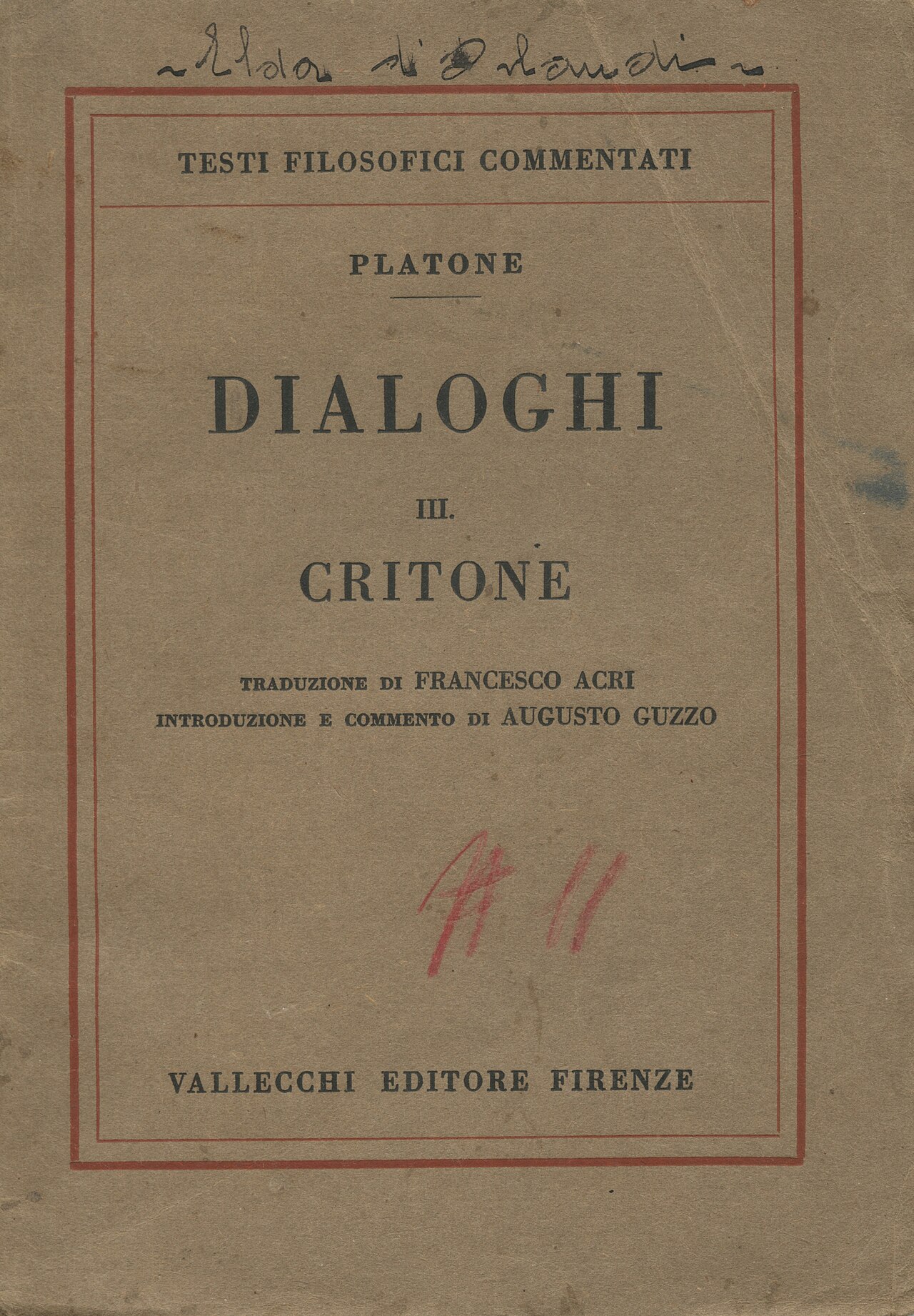
Crito
Plato · c. 400 BC
 Painting
Secondary source
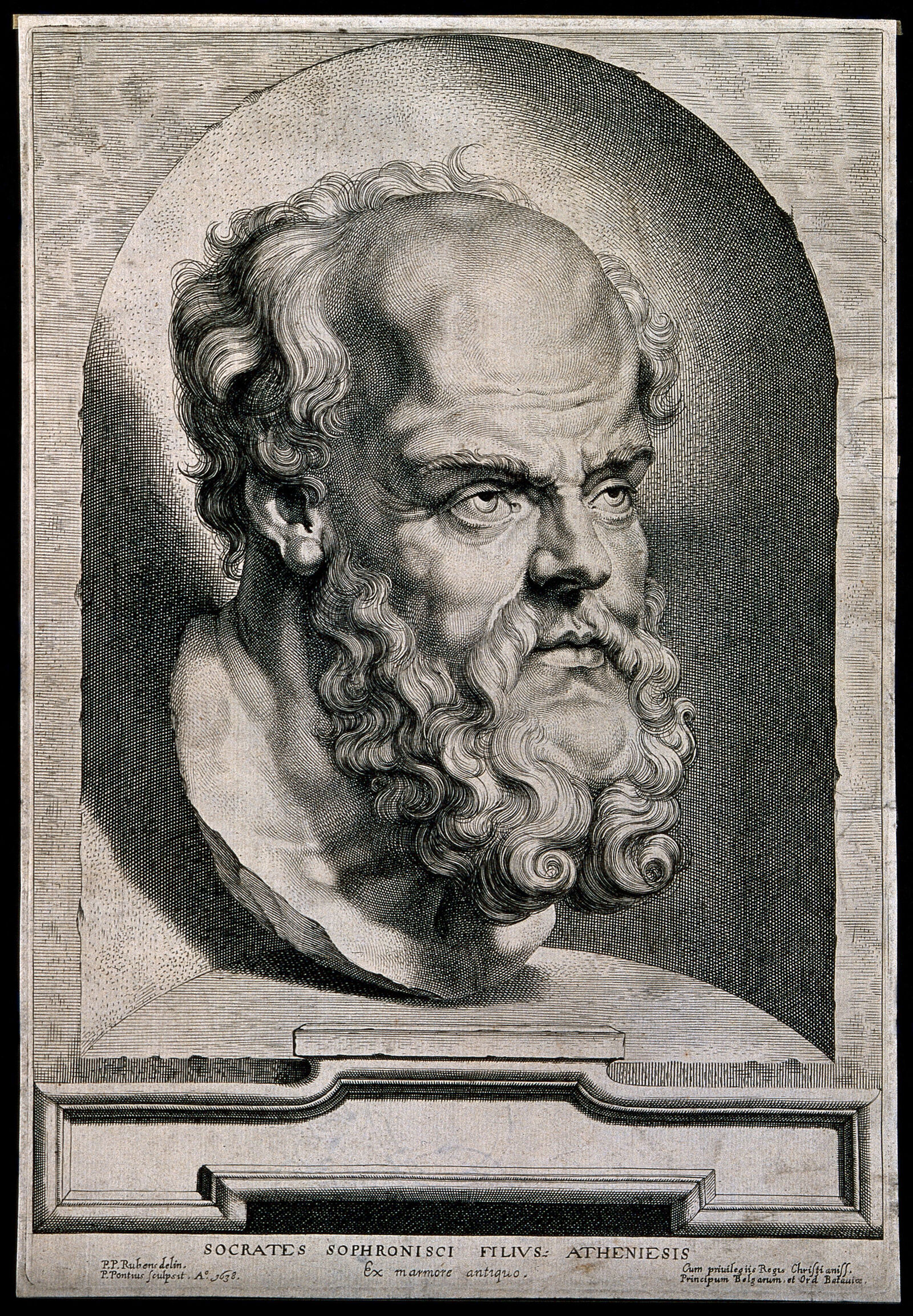
Socrates Engraving after Rubens by Pontius
Peter Paul Rubens · 1638
 Photograph
Secondary source
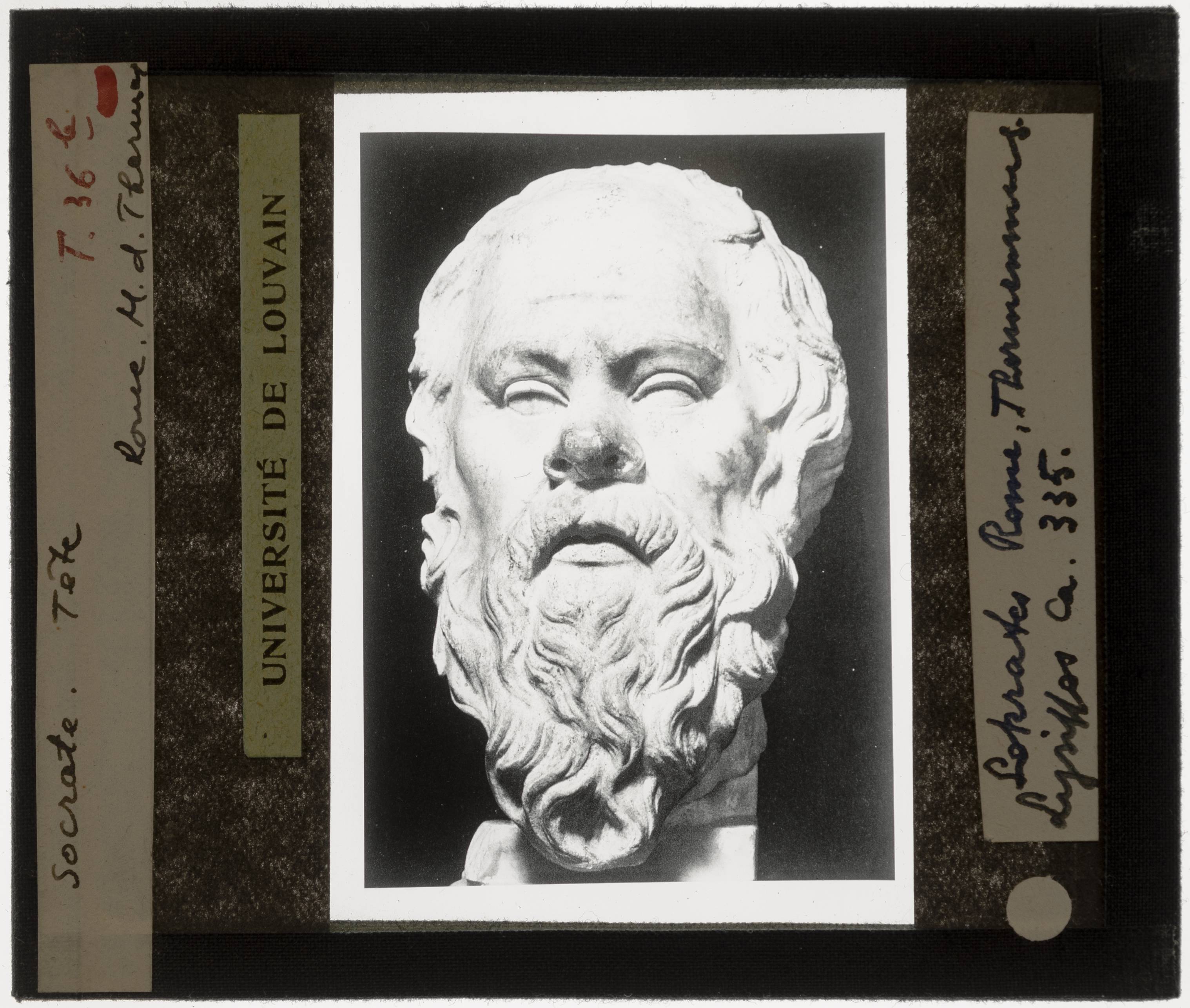
Roman Marble Bust of Socrates
between 1839 and 1939
Ready when you are
Start chatting with Socrates now.
20 messages free · No credit card · Available in 50+ languages.