


Primary sourcePainting1796-1798
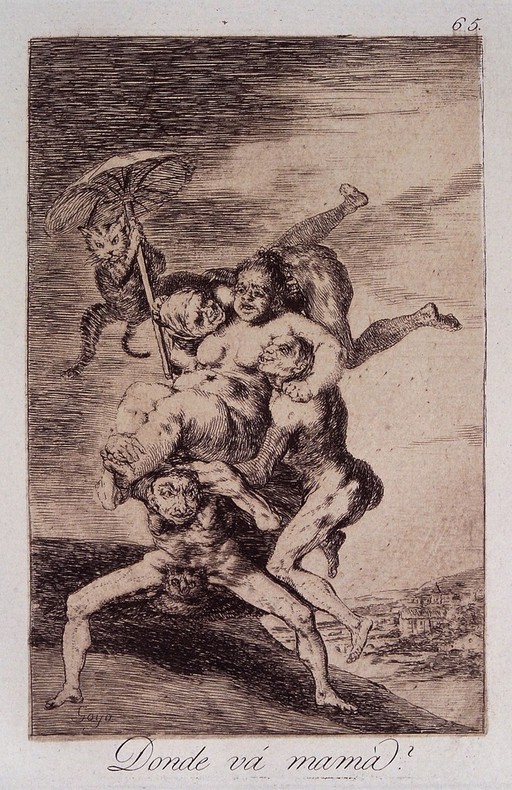
Fat Woman Carried by Demons
Francisco Goya y Lucientes · 1796-1798
A Goya etching from the Caprichos series showing a nude woman carried by demon-like figures, satirising vice and folly.
Goya created and signed this etching as part of his Caprichos series mocking vice and folly.
About this source
What it is
Captioned Donde vá mamá?, this etching is plate 65 from Caprichos, made by Francisco Goya around 1796–1798. It shows a heavyset nude woman carried aloft by thin, contorted demon-like figures with animal faces, with a distant town visible below. It is held by the Wellcome Collection.
Why it matters
Goya's Caprichos repeatedly used grotesque, dreamlike imagery to mock vanity, vice and folly in Spanish society. This plate's floating, nude figure surrounded by demons suggests judgment or ridicule of excess and pretension. It shows Goya's inventive use of fantasy to deliver social criticism that avoided direct censorship.
Look closer
- What does the woman's posture and nudity suggest about how Goya wants her seen?
- Why might Goya have included a cat holding a parasol?
- What is the effect of placing an ordinary town in the distance beneath this fantastical scene?
This painting is part of the curated material that grounds the AI version of Francisco Goya on Humy.ai — when students ask about related events, the AI can quote it and cite it.
More Francisco Goya sources
Meet the AI Francisco Goya →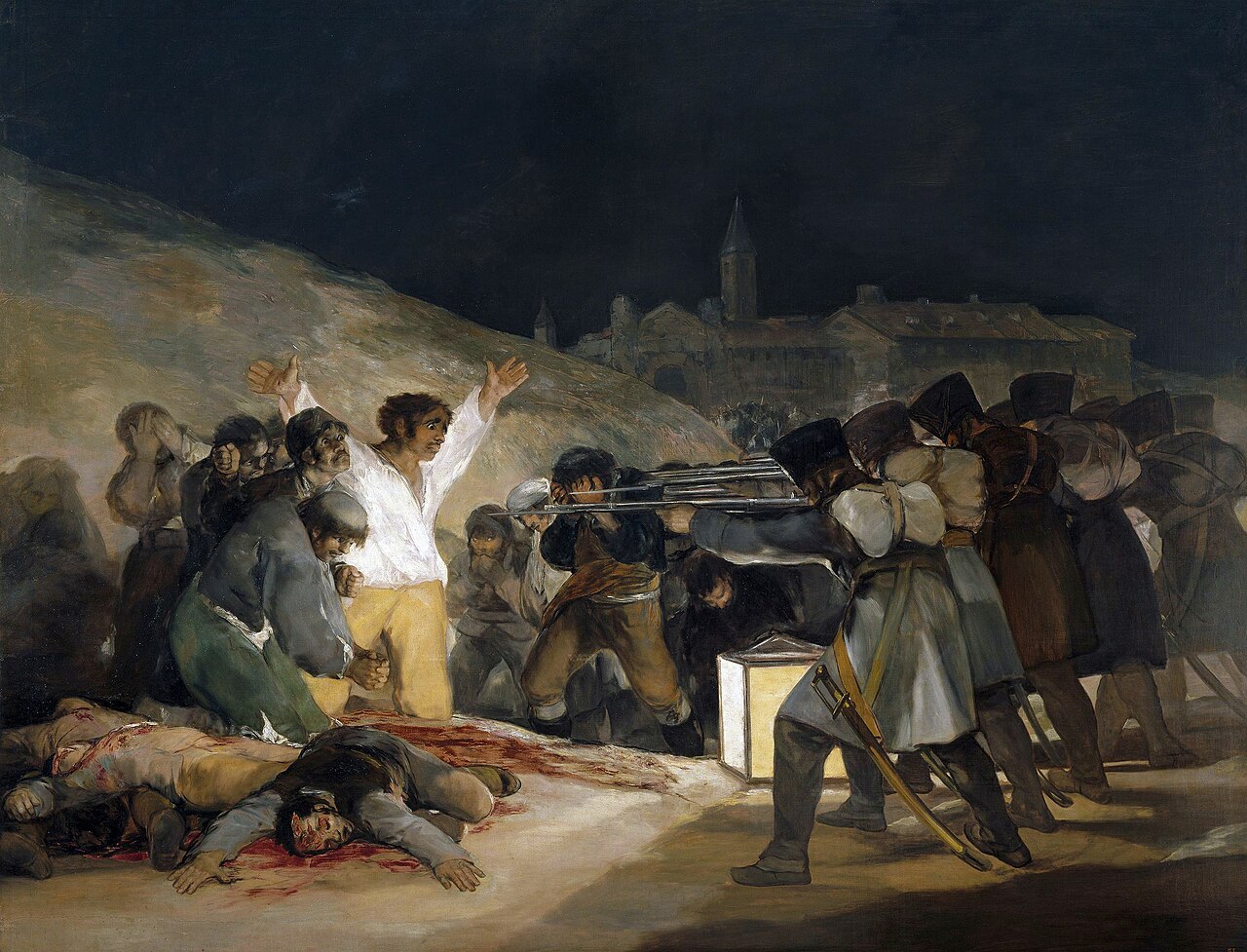 Painting
Secondary source
The Third of May 1808
Francisco Goya · 1814
 Painting
Primary source
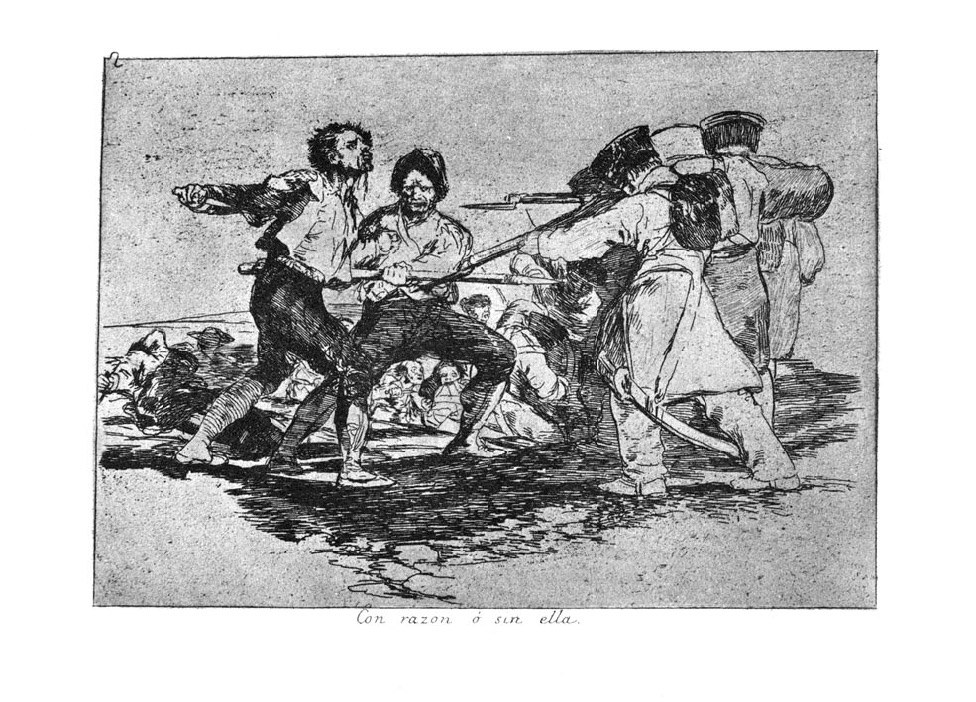
The Disasters of War
Francisco Goya · 1810-1820
 Painting
Primary source
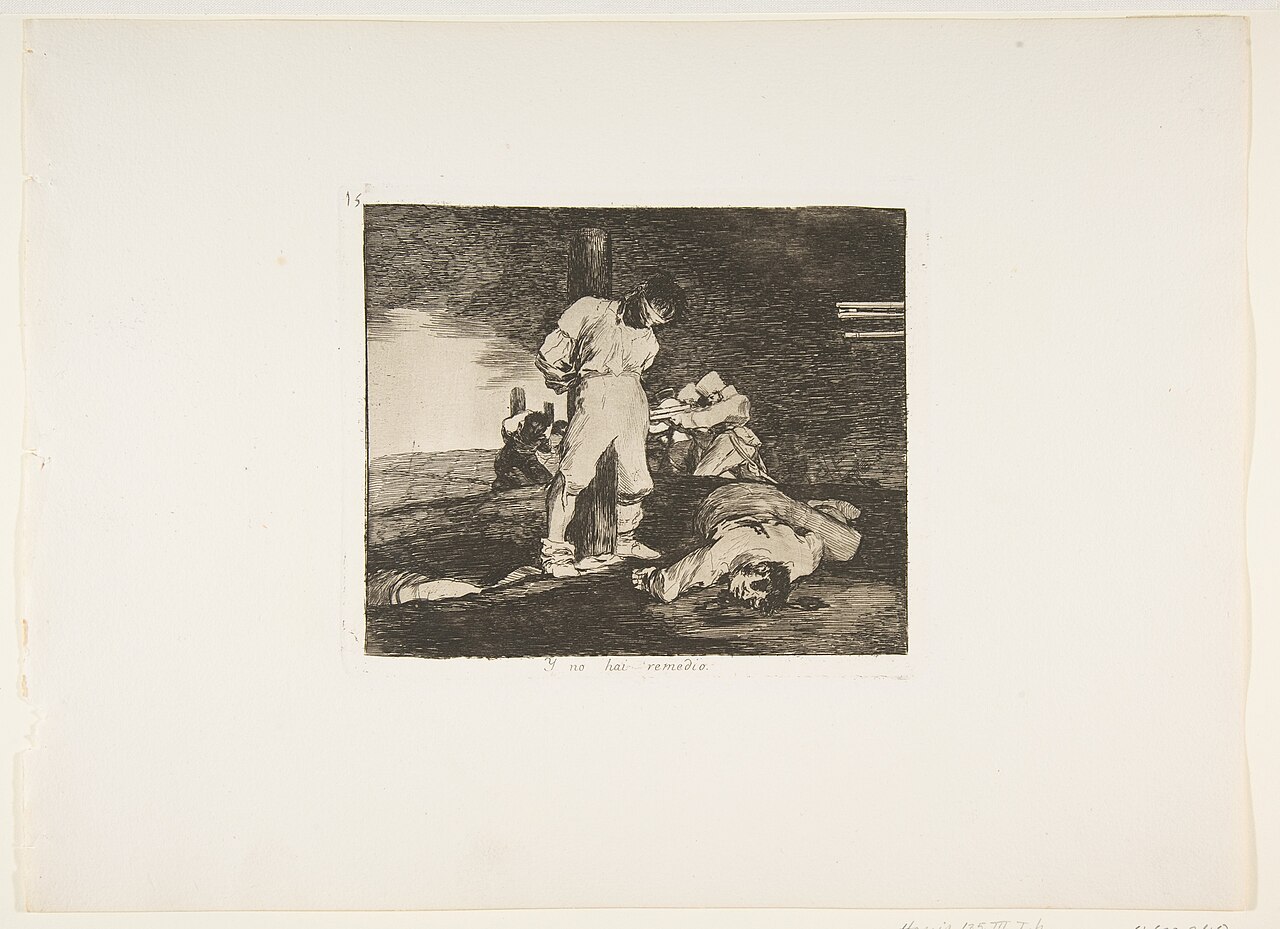
Y no hai remedio
Francisco de Goya · c. 1810-1814 (published 1863)
 Painting
Primary source
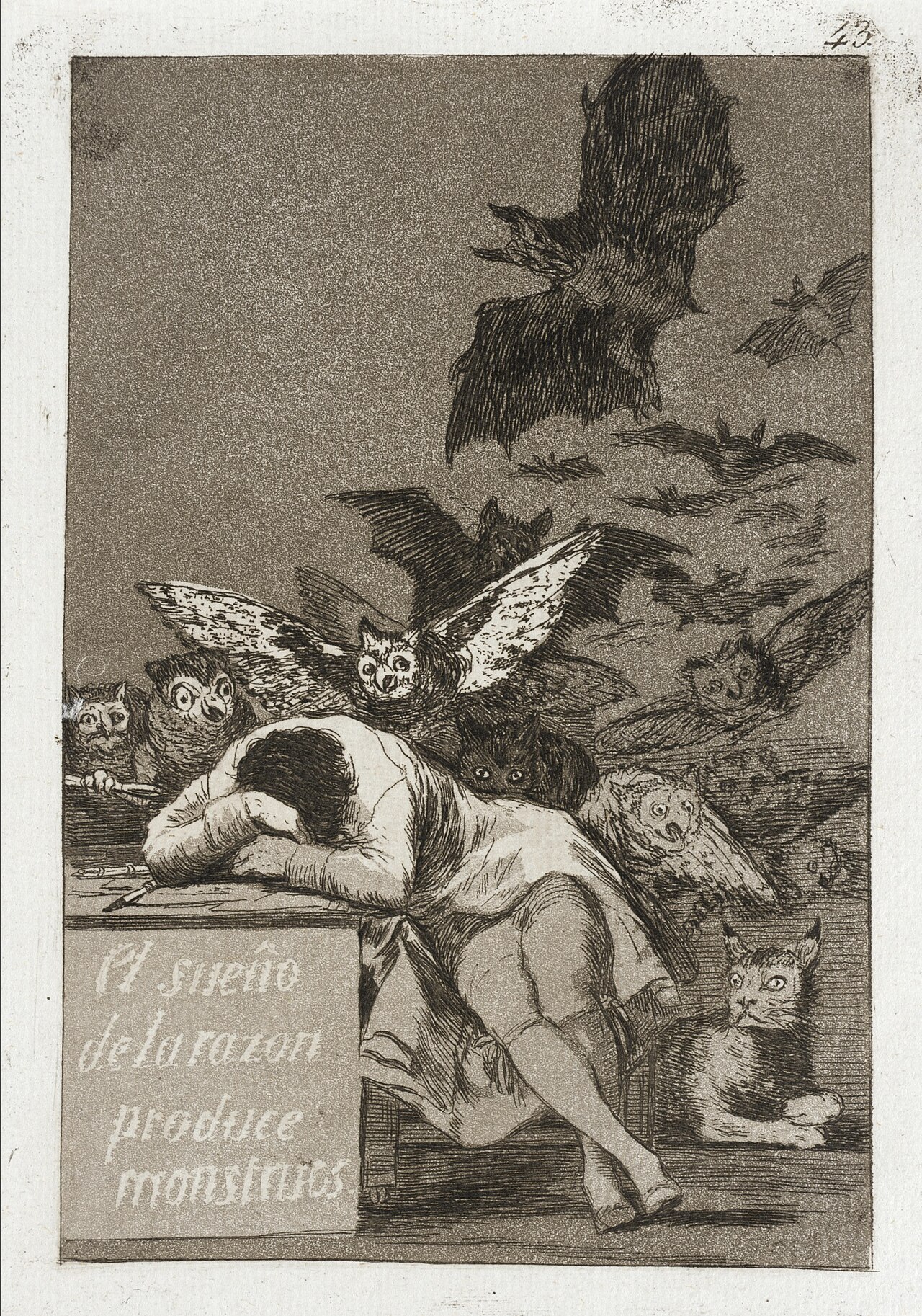
Caprichos
Francisco Goya · 1799 (created 1797-1798)
 Painting
Primary source
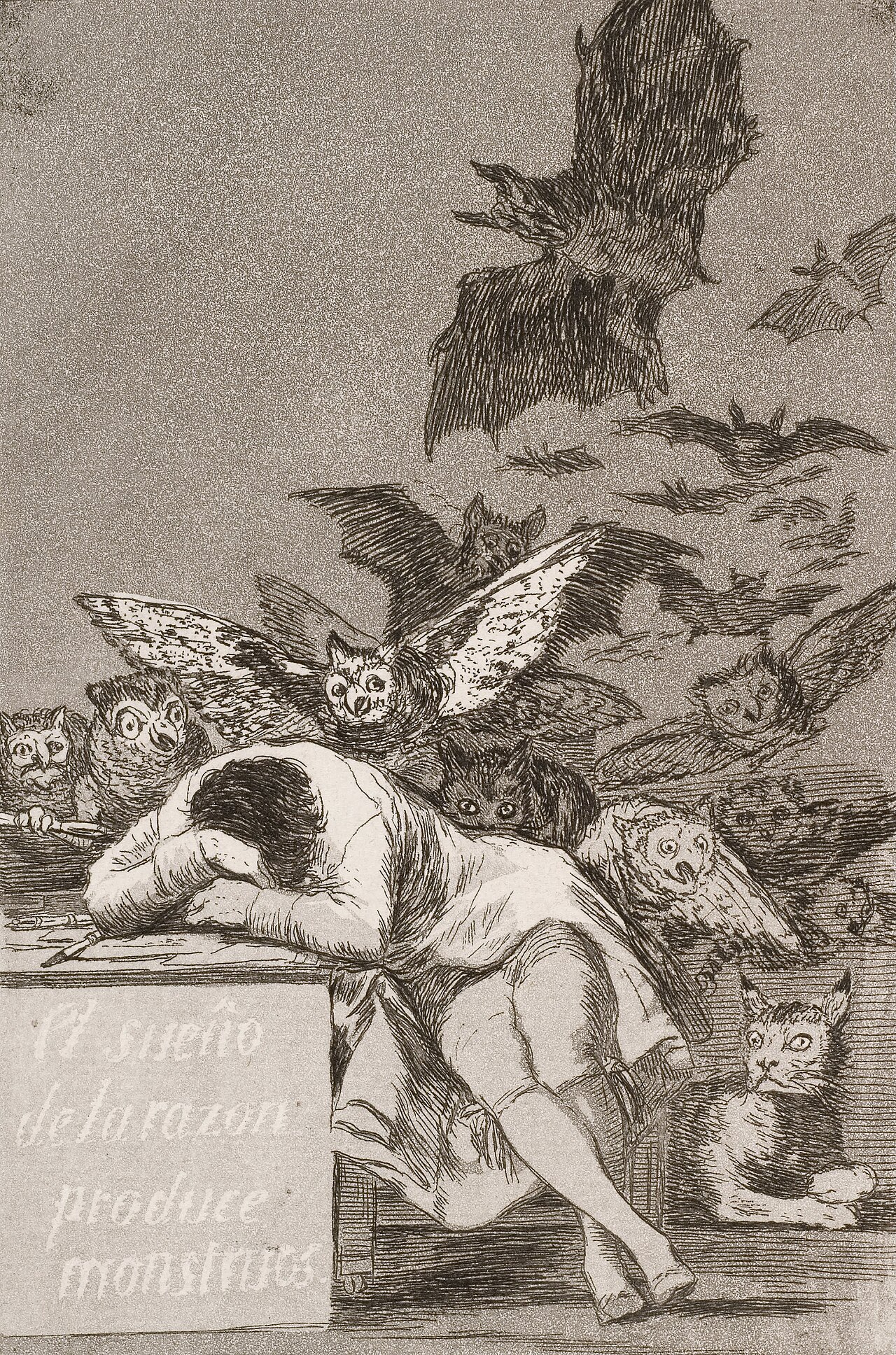
The Sleep of Reason Produces Monsters
Francisco Goya · 1797-1799
Ready when you are
Start chatting with Francisco Goya now.
20 messages free · No credit card · Available in 50+ languages.